Executive Takeaways
- Drastic Remediation Measures: Recent emergency advisories from enterprise vendors forced organizations to take unprecedented steps, including powering down core data-protection platforms entirely to stymie zero-day exploitation.
- The Compression of the Mitigation Window: Sophisticated threat actors are operationalizing weaponized exploits faster than enterprise security teams can patch vulnerabilities, shattering traditional risk mitigation timelines.
- Capital Allocation and ROI Realities: The incidents at Kiteworks and Citrix underscore a painful truth for Chief Information Security Officers (CISOs): massive investments in perimeter defense are failing to offset the compounding risks of unpatched third-party code.
- Regulatory and Valuation Pressure: Publicly traded enterprises face immediate market liquidity fluctuations, multiple contraction, and escalating SEC scrutiny when zero-day breaches disrupt core operational workflows.
For decades, the standard playbook for responding to a critical software vulnerability relied on a predictable cadence: threat intelligence identification, vendor patch development, enterprise testing, and scheduled deployment during a routine maintenance window. That paradigm is dead. Recent high-profile security incidents involving enterprise platforms from Kiteworks and Citrix have laid bare the structural inadequacies of modern zero-day response. When sophisticated threat actors weaponize unknown vulnerabilities faster than developers can write signatures, traditional risk mitigation models collapse, leaving executives with agonizing choices—such as physically or virtually powering down mission-critical infrastructure in the middle of a business day.
Reporting initially brought to light by security journalist Robert Lemos via Dark Reading, these incidents have triggered board-level panic across Fortune 500 boardrooms. One vendor's desperate directive to its enterprise clientele—instructing them to power down their proprietary data-protection platforms entirely—serves as a watershed moment. It highlights a chilling reality: the very systems designed to secure corporate crown jewels have occasionally become the vector of compromise, forcing organizations to choose between operational continuity and catastrophic data exfiltration.
The Anatomy of a Zero-Day Crisis: Catalytic Events at Kiteworks and Citrix
Test Our Free AI & Tech Utilities Suite
Calculate LLM API token costs, analyze article dwell-time, or simulate tech DCA returns.
To understand the profound disruption caused by the Kiteworks and Citrix incidents, one must examine the tightly integrated nature of modern cloud compute architecture. Enterprise software is no longer isolated on local area networks; it operates within sprawling, interconnected ecosystems where a single vulnerability in a file-transfer appliance or an application delivery controller can grant malicious actors lateral movement across the entire corporate perimeter.
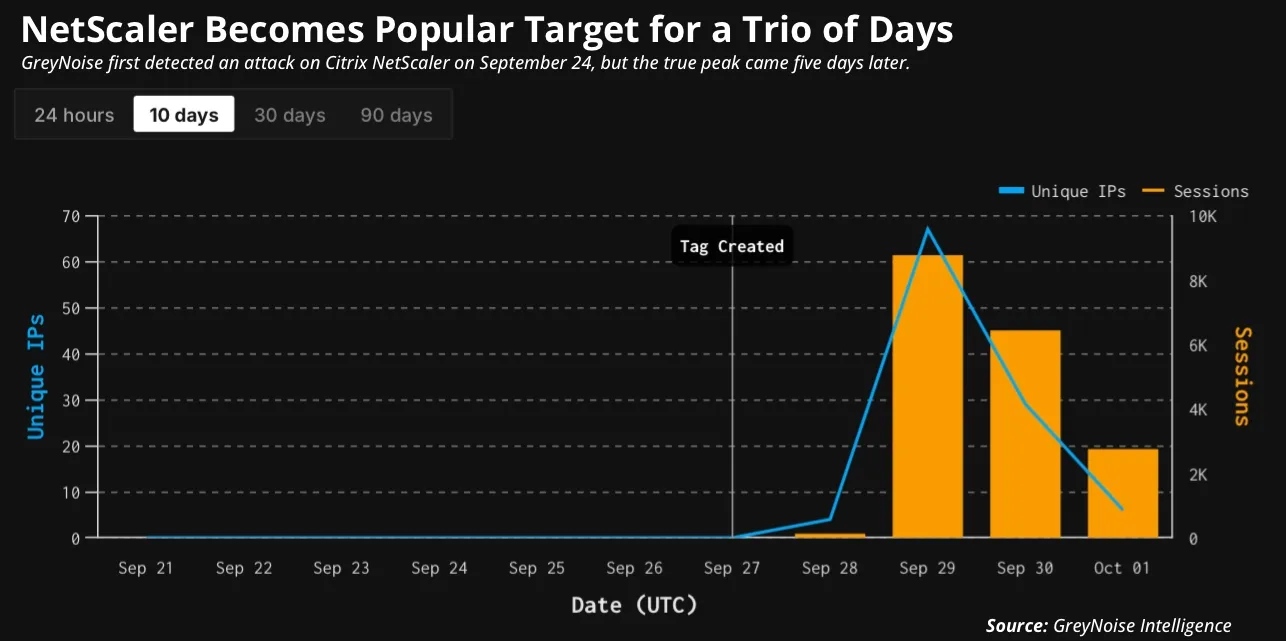
In both the Kiteworks and Citrix scenarios, threat actors leveraged zero-day exploits—flaws previously unknown to the vendor and undefended by existing signatures—to bypass standard authentication mechanisms. These attacks bypassed traditional perimeter controls, exploiting the trust relationship between client networks and enterprise file-sharing or gateway tools. As telemetry data poured into security operations centers (SOCs), it became evident that standard incident response playbooks—such as isolating a single subnet or revoking user credentials—were utterly insufficient.
When vendors issue emergency directives instructing customers to halt operations and power down data-protection platforms, the secondary and tertiary effects on enterprise ROI are immediate. For multinational corporations relying on these platforms for secure, compliant communications and data transfer, a sudden shutdown halts global supply chain logistics, freezes financial transactions, and disrupts regulatory reporting pipelines. The economic friction introduced by the defense mechanism often rivals the cost of the cyber attack itself.
Comparative Analysis of Enterprise Zero-Day Incidents
Evaluating the operational disruption requires a granular look at how vendor responses, remediation timelines, and market reactions compare across recent critical infrastructure crises.
| Incident Vector | Primary Vulnerability Type | Emergency Remediation Mandate | Business Impact & Operational Downtime |
|---|---|---|---|
| Kiteworks File-Transfer Platform | Remote Code Execution (RCE) / Unauthenticated File Upload | Complete platform shutdown and offline data isolation | Severe disruption to secure M&A communications and regulatory document submission. |
| Citrix Gateway / ADC | Heap-Based Buffer Overflow / Session Hijacking | Immediate firmware revocation, service restarts, and IP access restrictions | Interruption of remote workforce productivity and virtual desktop infrastructure (VDI) bottlenecks. |
| Legacy Supply Chain Precedents | Deserialization flaws in third-party enterprise libraries | Emergency firewall blocking and global credential rotation | Extended forensic investigations costing millions in billable incident response hours. |
Industry & Market Implications: Winners, Losers, and Capital Allocation
The fallout from these zero-day events extends far beyond technical remediation; it directly influences enterprise valuation multiples, insurance underwriting, and capital allocation strategies across the technology sector.
Who Wins:
- Managed Detection and Response (MDR) Providers: Organizations that can provide real-time, behavioral anomaly detection without relying solely on static signatures are seeing an influx of enterprise capital.
- Zero-Trust Architecture (ZTA) Vendors: Companies specializing in micro-segmentation, continuous identity verification, and least-access privileges are capturing larger shares of the corporate IT budget as perimeter-based security proves brittle.
- Cybersecurity Insurance Actuaries: Insurers who mandate strict operational resilience standards and third-party risk management before issuing policies are successfully insulating themselves from systemic payouts.
Who Loses:
- Legacy Monolithic Vendors: Software providers whose architectures require heavy, centralized appliances are suffering reputational damage and facing painful valuation adjustments as clients demand cloud-native, modular resilience.
- Unprepared Enterprise CISOs: Security leaders who lack automated asset discovery and rapid-patching capabilities are finding themselves unceremoniously ousted in the wake of avoidable breach disclosures.
- <Shareholders of Compromised Entities: Public companies that experience extended operational blackouts due to vendor-mandated shutdowns frequently absorb immediate market liquidity hits and multi-quarter earnings compression.
Frequently Asked Questions (People Also Ask)
What is a zero-day vulnerability, and why is it so difficult to defend against?
A zero-day vulnerability is a software flaw unknown to the vendor and security community. Because no patch or signature exists at the time of exploitation, traditional antivirus and endpoint protection tools cannot automatically recognize the threat, leaving organizations defenseless until emergency updates or manual workarounds are deployed.
Why would a vendor tell customers to power down their security platforms?
When an active exploit is actively weaponized in the wild and no software patch is immediately available, shutting down the affected platform is often the only way to sever command-and-control access, halt data exfiltration, and prevent total network compromise. While it causes immediate business interruption, it mitigates catastrophic long-term liability.
How do zero-day incidents impact enterprise compliance and regulatory standing?
Regulatory frameworks such as GDPR, HIPAA, and the SEC’s cybersecurity disclosure rules require timely notification of material breaches. Sudden, forced shutdowns and potential data leaks trigger rigorous forensic audits, potential fines, and heightened scrutiny from institutional investors regarding governance and risk mitigation practices.
What structural changes should CIOs and CISOs implement to survive future zero-day crises?
Enterprise leaders must accelerate the adoption of zero-trust network architecture, maintain comprehensive and automated asset inventories, implement micro-segmentation to limit lateral movement, and establish robust out-of-band communication channels for emergency vendor advisories.
Future Outlook: Navigating the Post-Perimeter Era
The Kiteworks and Citrix incidents are not isolated anomalies; they represent the new baseline of enterprise cyber risk. As nation-state actors and cybercrime syndicates industrialize vulnerability research, the window between vulnerability discovery and weaponization will continue to compress.
Over the next 12 to 36 months, capital allocation in corporate IT will undergo a fundamental realignment. Boards of directors will no longer accept vague assurances of perimeter security. Instead, they will demand quantifiable proof of operational resilience—specifically, the verified ability to isolate, patch, and recover core systems within hours, not weeks. Enterprises that fail to modernize their incident response frameworks and decouple from brittle, monolithic infrastructure will find themselves bearing the unsustainable costs of repeated operational shutdowns in an increasingly hostile digital economy.