Executive Takeaways
- Drastic Mitigation Protocols: Recent zero-day vulnerabilities in enterprise platforms forced vendors into unprecedented remediation steps, including instructing high-risk clients to power down critical data-protection infrastructure entirely.
- Capital & Operational Risk: Extended downtime of core file-transfer and application-delivery networks directly impairs enterprise liquidity, transaction processing, and regulatory compliance, threatening quarterly valuation multiples.
- The Patching Paradox: As threat actors weaponize vulnerabilities within hours of public disclosure, traditional patch-management cycles are obsolete, forcing a structural pivot toward Zero Trust architecture and resilient cloud compute redundancy.
In the high-stakes theater of enterprise cybersecurity, few directives send boardrooms into a tailspin quite like an emergency command from a critical infrastructure vendor to physically power down data-protection platforms. That chilling scenario materialized during recent high-profile security incidents involving Kiteworks and Citrix, thrusting the structural vulnerabilities of modern incident response into sharp relief. When sophisticated threat actors exploit unknown code flaws—classic zero-day exploits—organizations discover that the gap between detection, dissemination, and remediation can spell the difference between business continuity and catastrophic data exfiltration.
For decades, enterprise IT strategies relied on perimeter defense, rapid patching, and disaster recovery backups. However, the Kiteworks and Citrix episodes demonstrate that as software supply chains grow exponentially more complex, legacy incident response models are collapsing under their own weight. This investigative report examines the mechanics of these zero-day crises, evaluates the severe operational and financial fallout for global enterprises, and analyzes how capital allocation in security infrastructure must evolve to mitigate systemic digital risk.
The Anatomy of the Zero-Day Crisis: Catalytic Events and Response Failures
Test Our Free AI & Tech Utilities Suite
Calculate LLM API token costs, analyze article dwell-time, or simulate tech DCA returns.
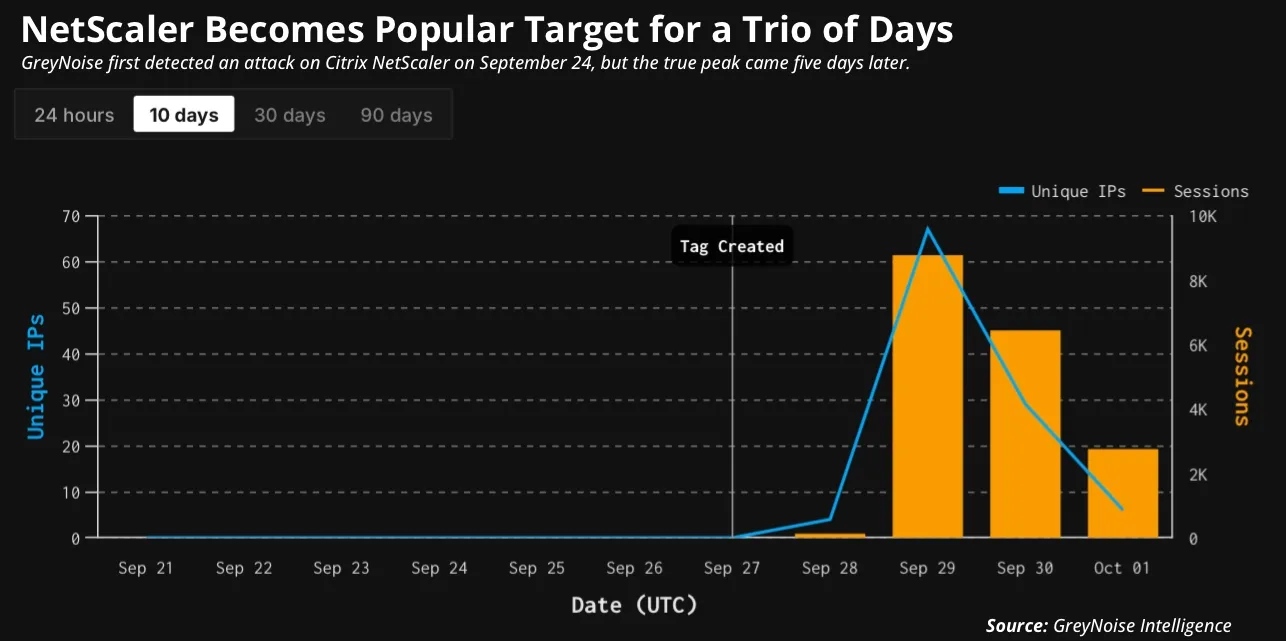
The modern enterprise relies on a delicate web of third-party software vendors to manage file transfers, remote access, and sensitive intellectual property. When platforms designed to secure data become the vector of compromise, the systemic implications are profound. In the wake of discoveries disclosed around late September and early October—highlighted by security alerts from entities such as Dark Reading—organizations running Kiteworks and Citrix environments confronted sophisticated intrusion campaigns leveraging unpatched zero-day vulnerabilities.
Unlike known vulnerabilities where signature-based detection systems can deploy automated shields, a zero-day exploit strikes before developers can author a secure patch. In both the Kiteworks and Citrix incidents, the speed of weaponization by cybercriminal syndicates outpaced traditional vulnerability disclosure workflows. Enterprises were left scrambling as forensic teams detected anomalous lateral movement, unauthorized privilege escalation, and suspicious outbound data payloads originating from core infrastructure gateways.
What distinguished these incidents from routine security patching was the radical nature of the vendor advisories. In an extreme measure designed to stanch active bleeding, affected stakeholders were instructed to power down or isolate critical data-protection nodes. For Fortune 500 corporations, global financial institutions, and government agencies, shutting down these mission-critical hubs is not a trivial administrative task; it is the digital equivalent of severing an organization’s vascular system. The resulting disruption forced executives to weigh the immediate risk of compromise against the crippling business cost of total operational blackout.
Verified Incident Metrics and Strategic Impact Analysis
To fully grasp the magnitude of the Kiteworks and Citrix zero-day events, one must examine the operational parameters, timeline velocity, and financial exposure confronting impacted enterprises. The following data breakdown illustrates the cascading pressures placed on IT and executive leadership teams during high-velocity containment efforts.
| Metric Dimension | Kiteworks / Citrix Incident Context | Enterprise Strategic Implication |
|---|---|---|
| Exploitation Velocity | Active weaponization observed within hours of discovery. | Renders traditional weekly or monthly patch-management cycles obsolete. |
| Mitigation Directive | Emergency shutdown and physical isolation of data-protection platforms. | Causes severe workflow paralysis, halting secure file transfers and remote access. |
| Regulatory Exposure | Potential breach of GDPR, HIPAA, and SEC cybersecurity disclosure rules. | Triggers mandatory legal reporting, potential fines, and shareholder litigation. |
| Valuation & Capital Impact | Reputational damage and remediation expenditure surge. | Compresses valuation multiples and diverts capital allocation away from R&D. |
Industry & Market Implications: Who Wins, Who Loses
The fallout from the Kiteworks and Citrix security events extends far beyond technical remediation; it directly influences market dynamics, vendor selection criteria, and corporate valuation multiples across the technology and financial sectors.
The Winners: Resilience-First Architecture and Managed Detection Providers
In the wake of these incidents, enterprises are aggressively reallocating capital budgets toward advanced observability platforms, automated threat hunting, and Zero Trust Network Access (ZTNA) frameworks. Cybersecurity providers specializing in continuous runtime verification, micro-segmentation, and automated incident response orchestration are capturing increased enterprise wallet share. Furthermore, software vendors that can transparently demonstrate rigorous secure-coding lifecycles, swift vulnerability disclosure protocols, and minimal administrative friction during patches are establishing significant competitive moats.
The Losers: Legacy Perimeter Vendors and Reactive IT Budgets
Conversely, technology providers that rely on monolithic architecture, complex on-premise appliances, and sluggish patch turnaround times are experiencing severe client churn. Chief Information Security Officers (CISOs) are facing mounting pressure from boards of directors to eliminate single points of failure. Organizations that treat cybersecurity as an afterthought—allocating capital strictly to meet minimum regulatory compliance rather than building true infrastructure scalability—are finding their market liquidity and valuation multiples punished by investors wary of systemic breach liability.
Frequently Asked Questions (People Also Ask)
What is a zero-day vulnerability, and why are zero-day responses so challenging?
A zero-day vulnerability is an undiscovered software flaw known to attackers before the vendor is aware of it or has issued a patch. Response is exceptionally challenging because there is no pre-existing signature or defense mechanism, forcing organizations to rely on behavioral detection, emergency quarantines, or drastic system shutdowns while patches are hastily engineered.
Why did companies need to power down their data-protection platforms during the Kiteworks and Citrix incidents?
When threat actors actively exploit an unknown code flaw to bypass authentication or execute remote code, network isolation alone is frequently insufficient to stop internal lateral movement. Power down directives serve as an emergency circuit breaker, preventing attackers from continuing to siphon sensitive intellectual property or deploy ransomware payloads until forensic validation can occur.
How do these incidents impact enterprise ROI and regulatory compliance?
Unexpected infrastructure downtime halts revenue-generating transactions, interrupts customer service delivery, and incurs massive forensic consulting and legal expenses, directly eroding enterprise return on investment (ROI). Simultaneously, failure to protect sensitive consumer or financial data can trigger severe penalties under global regulatory frameworks such as GDPR, CCPA, and SEC incident disclosure mandates.
What structural changes should CISOs make to handle future zero-day events?
CISOs must accelerate the implementation of Zero Trust architecture, enforce strict network micro-segmentation, invest in cloud-native compute redundancy, and establish automated incident response playbooks that minimize reliance on manual administrative intervention during high-velocity threat campaigns.
Future Outlook: Building Resilient Infrastructure for the Next Threat Wave
The Kiteworks and Citrix incidents serve as a definitive wake-up call for the enterprise technology ecosystem. As threat actors harness automation and advanced machine learning to discover and weaponize zero-day vulnerabilities with unprecedented speed, the margin for operational error has vanished. Waiting for a vendor patch to drop is no longer a viable risk-mitigation strategy.
Looking ahead over the next 12 to 36 months, corporate capital allocation in IT and security will undergo a fundamental realignment. Chief Financial Officers (CFOs) and CISOs are recognizing that investments in cloud-native infrastructure redundancy, automated containment protocols, and zero-trust data protection are not cost centers, but core prerequisites for protecting enterprise valuation and market liquidity. Organizations that proactively modernize their incident response frameworks will emerge as resilient market leaders, while those anchored to reactive, legacy defense models will remain perpetually vulnerable to the next inevitable zero-day storm.