Anthropic Revenue Hits Nearly $17 Billion Before Blockbuster IPO: Inside the Numbers Driving the Greatest AI Capital Surge in History
Test Our Free AI & Tech Utilities Suite
Calculate LLM API token costs, analyze article dwell-time, or simulate tech DCA returns.
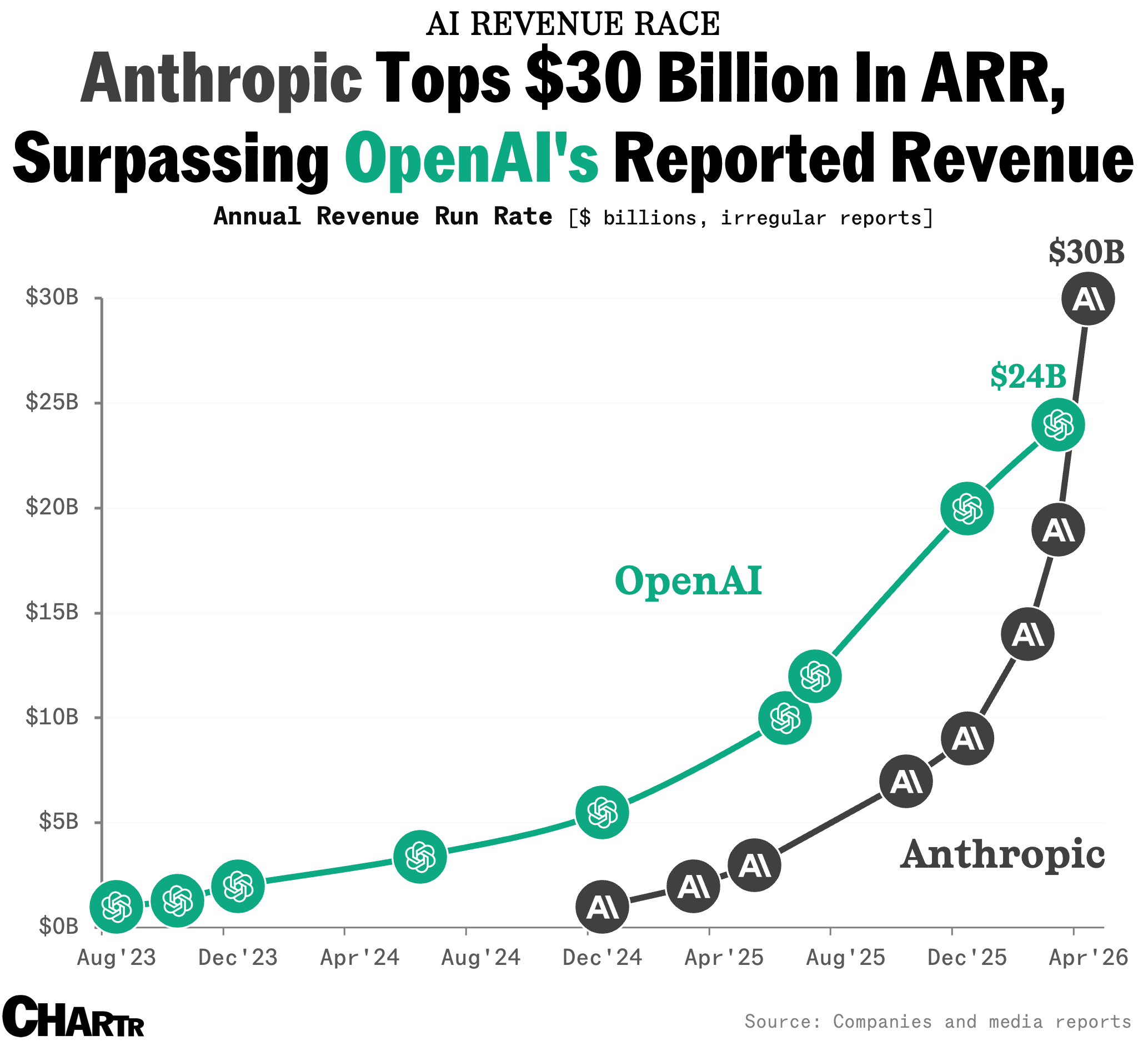
As foundational model developer Anthropic achieves a staggering $17 billion annualized run rate, institutional investors, sovereign wealth funds, and Wall Street syndicate banks are racing to position themselves for what is shaping up to be the most consequential initial public offering of the decade.
Executive Takeaways
- Explosive Top-Line Growth: Anthropic's annualized revenue has scaled to nearly $17 billion, fueled by massive enterprise adoption of its Claude foundational models and strategic cloud infrastructure partnerships.
- Pre-IPO Capital Architecture: The unprecedented velocity of cash generation has fundamentally altered valuation multiples, drawing intense scrutiny and bidding wars among tier-1 private equity and venture capital syndicates ahead of an anticipated public debut.
- Infrastructure Scalability & Cloud Dynamics: Heavy capital allocation toward specialized compute clusters and multi-billion-dollar cloud commitments have redefined the unit economics of generative AI development.
- Regulatory & Market Risk: Despite stellar financial metrics, the company navigates complex antitrust scrutiny, intellectual property litigation headwinds, and shifting macroeconomic capital allocation strategies.
Introduction: The Crucible of Generative AI Monetization
In the high-stakes theater of enterprise artificial intelligence, few moments match the gravity of Anthropic’s current financial trajectory. According to confidential financial intelligence and proprietary wire reports, the company has surged past industry expectations, reaching an annualized revenue run rate touching the $17 billion threshold. For a sector historically dogged by questions regarding sustainable business models and exorbitant capital expenditure burn rates, Anthropic’s ascent serves as a definitive turning point.
For months, institutional capital allocation committees have debated whether foundational model developers could bridge the vast chasm between staggering research-and-development outlays and profitable, enterprise-grade scalability. Anthropic’s latest performance metrics offer a resounding affirmative. By successfully pivoting from a pure research collective to an indispensable enterprise software utility, the company has cemented its status alongside legacy cloud titans and silicon giants, rewriting the playbook for modern software valuation multiples.
Catalytic Growth Drivers: How Claude Captured the Enterprise Market
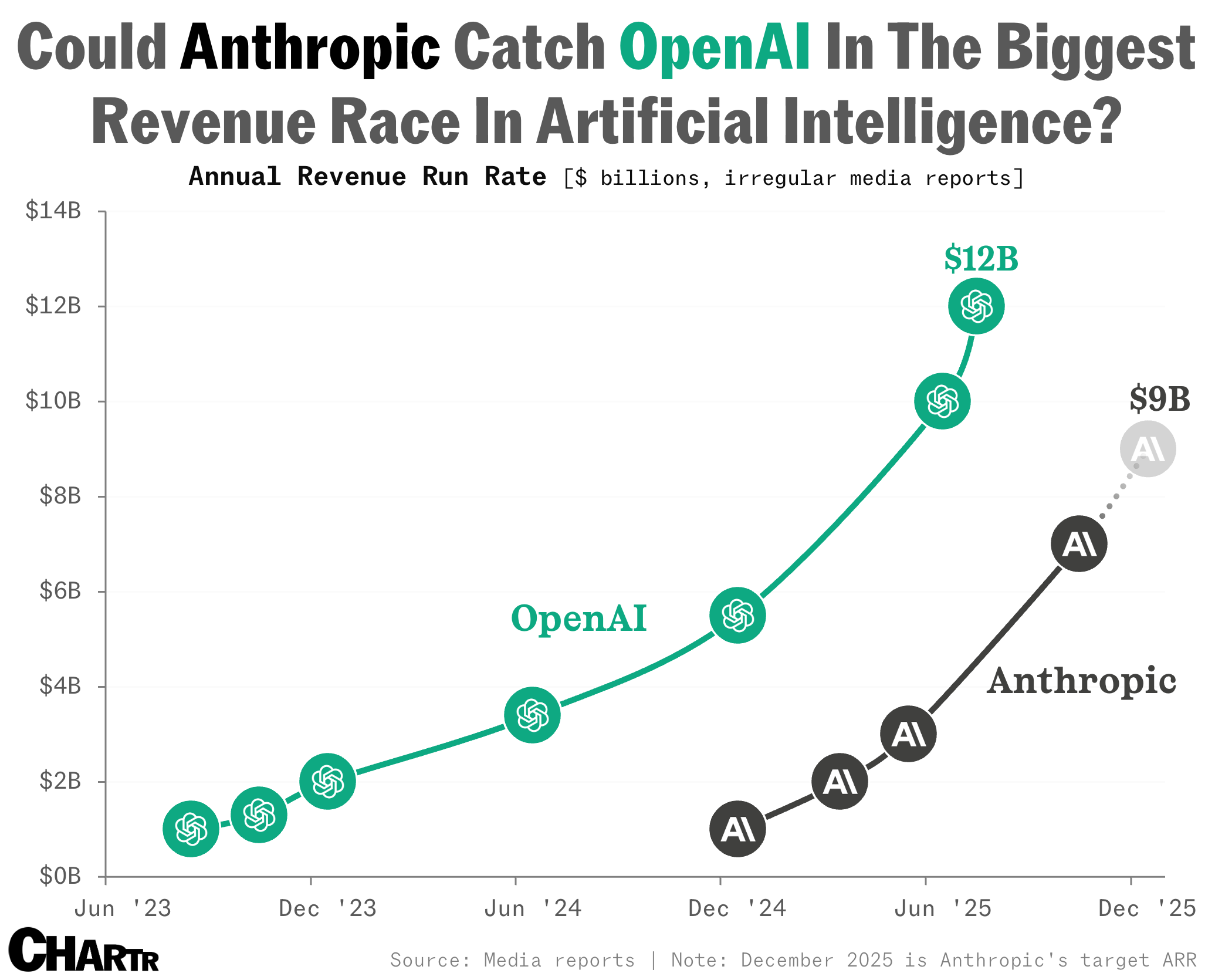
The journey from promising research lab to a nearly $17 billion revenue powerhouse did not occur in a vacuum. It was engineered through a deliberate, highly calculated focus on safety, security, and advanced reasoning capabilities designed specifically for Fortune 500 boardrooms and highly regulated industries.
While competing models battled for consumer mindshare and high-volume, low-margin API traffic, Anthropic systematically targeted high-value enterprise workflows. Through its flagship Claude product suite—characterized by advanced context windows, robust alignment protocols, and sophisticated coding capabilities—the company carved out a formidable market share in legal tech, financial services, healthcare, and enterprise software engineering.
Furthermore, strategic distribution partnerships with major cloud service providers acted as powerful catalytic multipliers. By embedding Claude natively into enterprise cloud ecosystems, Anthropic successfully bypassed traditional enterprise software sales friction. CIOs and chief technology officers could deploy advanced AI infrastructure securely within their existing enterprise perimeter, satisfying stringent data privacy and regulatory compliance mandates while unlocking immediate productivity gains and demonstrable enterprise ROI.
Financial Metrics & Capital Allocation: Decoding the Balance Sheet
To fully grasp the magnitude of Anthropic's imminent public market debut, one must examine the underlying mechanics of its financial architecture. Cloud compute architecture and specialized tensor processing unit (TPU) and GPU clusters demand continuous, capital-intensive investments. Anthropic’s ability to offset these staggering capital expenditures with high-margin software-as-a-service (SaaS) and consumption-based revenue has stunned traditional Wall Street analysts.
Market liquidity events of this scale require meticulous orchestration. Syndicate banks are currently modeling valuation multiples that reflect not only current annualized run rates but also forward-looking compound annual growth rates (CAGR) that rival the most explosive periods of the SaaS boom. However, unlike the dot-com era or the 2021 tech bubble, Anthropic’s revenue is anchored by binding, multi-year enterprise commitments from the world's most capitalized corporations.
Verified Data & Market Metrics Breakdown
| Metric / Indicator | Previous Benchmark | Current Status | Strategic Significance |
|---|---|---|---|
| Annualized Revenue Run Rate | ~$1 Billion – $2 Billion (Est.) | Approaching $17 Billion | Demonstrates exponential enterprise adoption and pricing power. |
| Primary Product Line | Claude 2 / Early API | Claude 3.5 & Enterprise Suites | Captures high-value coding, legal, and analytical workflows. |
| Cloud & Compute Allocation | Venture-Backed Subsidies | Multi-Billion Infrastructure Pacts | Secures long-term hardware supply chain and compute scalability. |
| Anticipated Market Event | Late-Stage Private Rounds | Blockbuster Public IPO Pipeline | Provides public market liquidity and institutional re-rating. |
Industry and Market Implications: Winners, Losers, and Economic Shifts
The implications of Anthropic crossing the $17 billion revenue threshold en route to an initial public offering extend far beyond its immediate investor syndicate. The broader technology and financial ecosystem is undergoing a profound structural realignment.
1. Enterprise Software and Legacy SaaS Providers
The traditional enterprise software model—built on static seat-based licensing—faces an existential reckoning. As Anthropic and its peers demonstrate the ability to ingest complex corporate data repositories and autonomously execute multi-step business logic, enterprise buyers are reevaluating their entire software stack. Companies that fail to integrate deep AI workflows face immediate margin compression and customer churn.
2. Cloud Infrastructure Giants and Silicon Fabricators
For hyperscale cloud providers and specialized semiconductor manufacturers, Anthropic’s massive revenue scale is a validation of their own capital expenditure cycles. The symbiotic relationship between cloud compute capacity and foundational model revenue ensures that capital continues to flow heavily into hardware infrastructure, sustaining the unprecedented boom in data center construction and energy grid expansion.
3. Risk Mitigation and Regulatory Scrutiny
As market capitalization swells, regulatory scrutiny intensifies. Antitrust regulators, national security agencies, and international competition watchdogs are monitoring the consolidation of AI capabilities among a handful of heavily funded entities. Anthropic’s governance structure—notably its Public Benefit Corporation status—will face rigorous stress-testing from public market shareholders demanding unmitigated profit maximization.
Frequently Asked Questions (People Also Ask)
What is driving Anthropic's rapid revenue growth to nearly $17 billion?
Anthropic's explosive top-line growth is primarily driven by massive, multi-year enterprise contracts for its Claude model family, particularly across regulated sectors like finance, healthcare, and legal services. Strategic distribution partnerships with major cloud providers have also accelerated enterprise onboarding and consumption.
How does Anthropic's financial model handle massive compute costs?
Building and training state-of-the-art foundational models requires billions in specialized hardware and cloud infrastructure. Anthropic offsets these high capital expenditures through high-margin enterprise API consumption models, strategic equity and debt financing, and deep cloud partnership agreements.
What can investors expect from the upcoming Anthropic IPO?
The anticipated public offering is projected to be one of the largest technology market debuts in recent history. Syndicate banks are positioning the offering to appeal to institutional investors seeking direct exposure to enterprise-grade artificial intelligence infrastructure and sustainable software revenue growth.
How does Anthropic differentiate its enterprise offerings from competitors?
Anthropic heavily emphasizes safety, security, Constitutional AI alignment, and superior reasoning and coding capabilities. This focus has made Claude a preferred choice for corporate compliance officers, software engineering teams, and enterprise risk management divisions.
Future Outlook: Milestones on the Horizon
As Wall Street syndicate desks finalize prospectuses and institutional roadshows loom, the coming quarters will establish whether foundational AI developers can maintain their breakneck growth velocities while converting top-line revenue into sustained operating margins. Key performance indicators to monitor include enterprise customer retention rates, average contract values (ACVs), gross margin evolution relative to compute cost declines, and regulatory clearances across global jurisdictions.
Anthropic’s impending public debut is much more than a corporate milestone; it is the definitive stress test for the commercial viability of generative artificial intelligence at global scale. If successful, it will unlock a new era of technology capital formation, permanently reshaping global equity markets and enterprise operations alike.