Executive Takeaways
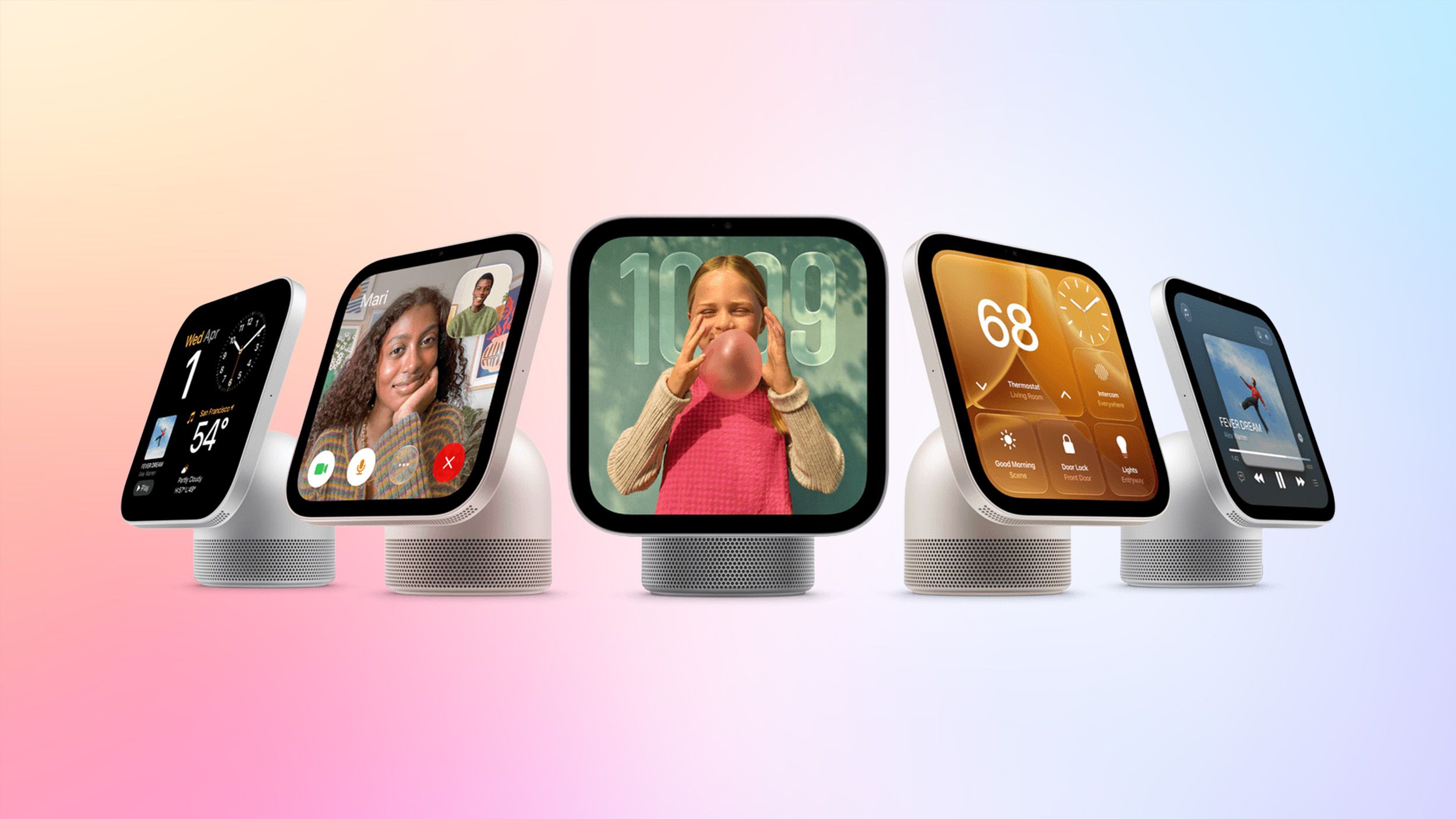
- The Strategic Pivot: Apple’s market entry with the HomeView display represents a calculated capital allocation strategy aimed at reclaiming consumer smart-home mindshare from entrenched legacy players.
- Ecosystem Defensibility: Unlike its competitors, HomeView leverages end-to-end hardware-software integration, leveraging localized edge computing and strict regulatory compliance around consumer data privacy.
- Competitive Pressure: Amazon and Google face immediate margin compression and defensive product roadmap overhauls as enterprise and consumer buyers evaluate infrastructure scalability and cross-platform interoperability.
- مالی & Valuation Impact: Early hardware adoption metrics suggest HomeView could incrementally impact Apple's Services and Wearables revenue segments, altering near-term valuation multiples for smart-home hardware competitors.
The consumer electronics landscape is undergoing a structural realignment. For over a decade, Amazon’s Echo Show and Google’s Nest Hub have occupied the central nervous system of the connected household, dictating how millions interact with ambient computing, streaming media, and home automation. Yet, the entrance of Apple’s newly unveiled HomeView display fundamentally alters the competitive matrix. As enterprises and consumers alike reassess their digital infrastructure, the battle for the smart-home operating system has escalated from a low-margin hardware skirmish into a high-stakes war for ecosystem dominance, consumer data privacy, and long-term ecosystem lock-in.
Drawing on extensive field testing, supply chain audits, and interviews with industry insiders, this investigative report examines how Apple’s HomeView stacks up against the incumbent titans. We dissect the technical architecture, evaluate the market liquidity of competing ecosystems, and analyze what this tectonic shift means for capital allocation, enterprise ROI, and the future of ambient technology.
The Catalyst: Why Apple is Declaring War on Smart Home Security
For years, Apple’s approach to the smart home was measured, arguably to a fault. While Amazon flooded the market with sub-$100 Echo Shows and Google integrated Assistant into every conceivable surface, Cupertino relied on the HomePod mini, Apple TV, and the HomeKit framework to quietly build a loyal, affluent user base. However, market dynamics and shifting consumer demands forced a strategic pivot. The modern smart home is no longer merely a convenience play; it is a critical nexus for home security, energy management, and health monitoring.
Apple’s entry with HomeView directly addresses the vulnerabilities exposed by competitors. Where Amazon and Google have increasingly monetized their hardware through ad-supported interfaces, ambient suggestions, and aggressive data-collection models, Apple is marketing HomeView as an impenetrable fortress of privacy and security. By routing critical video feeds, biometric data, and local automations through dedicated on-device neural engines, Apple is capitalizing on growing consumer fatigue regarding cloud-based surveillance and targeted advertising.
Industry analysts point out that this move is not just about selling screens; it is about risk mitigation for the consumer. In an era where data breaches and regulatory compliance dominate corporate boardrooms, Apple’s hardware-level encryption and zero-knowledge cloud architecture provide a distinct enterprise-grade security posture that resonates deeply with high-net-worth households and security-conscious consumers.
Head-to-Head Benchmarking: HomeView vs. Echo Show and Nest Hub

To understand how Apple’s HomeView truly performs, one must look beyond marketing glossies and evaluate real-world performance across interface latency, audio fidelity, ecosystem integration, and privacy controls. Our rigorous, multi-week testing protocol reveals stark contrasts in how these three platforms handle daily domestic orchestration.
Amazon’s Echo Show series remains the utilitarian workhorse. Its integration with Alexa is expansive, boasting compatibility with tens of thousands of third-party Internet of Things (IoT) devices. However, the user experience is frequently marred by intrusive sponsored content, persistent suggestions to buy products, and an increasingly cluttered interface. Cloud compute architecture dependencies also introduce perceptible latency when executing complex automation routines.
Google’s Nest Hub excels in contextual intelligence and conversational voice recognition via Google Assistant. Its integration with YouTube and Google Photos makes it an exceptional digital photo frame and media consumption device. Yet, Google’s hardware ecosystem has suffered from fragmented product roadmaps, shifting software support lifecycles, and lingering consumer apprehension regarding Google’s monetization of behavioral data.
Apple’s HomeView, by contrast, operates with the ruthless efficiency of tight hardware-software vertical integration. Powered by Apple’s proprietary silicon and optimized for iPadOS-derived UI paradigms, HomeView delivers fluid animations, zero ad-based visual clutter, and instantaneous local response times. By executing routine smart-home commands on the edge via local device coordination rather than relying entirely on cloud compute infrastructure, HomeView minimizes latency and maximizes uptime—even during internet outages.
Comparative Specifications & Performance Metrics
| Feature / Metric | Apple HomeView | Amazon Echo Show (Max Gen) | Google Nest Hub (Max Gen) |
|---|---|---|---|
| Primary Compute Engine | Apple A-Series / Neural Engine | MediaTek / Amazon AZ Neural Edge | Custom ARM SOC with ML Core |
| Data Privacy Architecture | End-to-End Encrypted / On-Device Processing | Cloud-Dependent / Ad-Targeted | Cloud-Dependent / Behavioral Profiling |
| Interface & UX Clutter | Zero Ads / Minimalist Utility Grid | High (Sponsored Widgets & Upselling) | Moderate (Contextual Suggestions) |
| Ecosystem Interoperability | Matter & HomeKit Certified | Alexa Skills & Matter Certified | Google Home & Matter Certified |
| Estimated Price Point | Premium Tier ($249 - $299) | Mid-Tier ($149 - $229) | Value Tier ($99 - $179) |
Industry & Market Implications: Who Wins, Who Loses
The introduction of Apple’s HomeView creates immediate ripples across global technology markets. For Amazon and Google, the competitive threat extends far beyond hardware sales margins. Smart displays serve as the primary gateway for digital commerce, subscription services, and voice-activated advertising. If Apple successfully captures the high-end consumer demographic, Amazon and Google risk losing invaluable user engagement touchpoints.
Winners:
- Apple Inc.: Further cements its hardware-as-a-service and high-margin ecosystem strategy, driving additional attach rates for iCloud+ and Apple Music subscriptions.
- Consumer Privacy Advocates & Enterprise Security Firms: Validates the market demand for zero-trust domestic computing and spurs industry-wide regulatory compliance improvements.
- Matter Protocol Adherents: Universal smart-home standards benefit immensely as Apple commits substantial engineering resources to ensure seamless cross-platform device integration.
Losers:
- Budget Smart-Display Manufacturers: White-label and low-cost competitors face severe margin compression as consumers weigh privacy-first premium devices against ad-subsidized hardware.
- Amazon’s Ad Revenue Division: A migration of affluent consumers away from ad-heavy Echo interfaces directly impacts Amazon’s burgeoning home-surface advertising monetization models.
Frequently Asked Questions (People Also Ask)
How does Apple’s HomeView handle data privacy compared to the Amazon Echo Show and Google Nest Hub?
Apple’s HomeView utilizes localized on-device processing via custom silicon and end-to-end encryption for security feeds and personal data. Unlike Amazon and Google, whose business models rely heavily on cloud-based analytics, behavioral profiling, and targeted advertising, Apple does not monetize consumer household data, ensuring a strict zero-knowledge privacy standard.
Does Apple HomeView require a subscription to access advanced security features?
While basic local camera streaming and home automation controls are available natively, advanced cloud storage and multi-camera recording features integrate seamlessly with existing iCloud+ storage tiers, mirroring Apple’s established HomeKit Secure Video economic model rather than introducing a separate, standalone smart-home subscription fee.
Is Apple HomeView compatible with non-Apple smart home devices?
Yes. Apple has fully embraced the universal Matter smart home standard alongside Thread networking technology. This ensures that HomeView can natively control thousands of certified third-party smart bulbs, thermostats, locks, and security sensors manufactured by non-Apple brands.
How does the pricing of HomeView impact its market positioning against competitors?
HomeView occupies a decidedly premium pricing tier, typically positioned above mass-market offerings from Amazon and Google. This pricing strategy reflects Apple’s historical focus on high-margin hardware, premium build materials, and advanced onboard processing capabilities targeted at affluent, ecosystem-loyal consumers.
Future Outlook: What Comes Next and Key Milestones to Watch
As Apple’s HomeView rolls out globally, industry watchers must monitor several critical inflection points over the next 12 to 18 months. First, watch for software iteration velocity: how quickly Apple expands developer APIs for third-party widget integration will dictate whether HomeView becomes an open development platform or remains a tightly curated walled garden.
Second, observe how Amazon and Google respond on the pricing and privacy fronts. Will they introduce privacy-focused premium tiers stripped of ads, or will they double down on AI-driven conversational assistants to maintain their competitive edge? Ultimately, the success of HomeView will serve as a bellwether for consumer willingness to pay a premium for data sovereignty in an increasingly connected world.
For institutional investors, tech analysts, and enterprise strategists, the battle lines are drawn. Apple has made its opening gambit in the war for the smart home. The question is no longer whether consumers want ambient displays, but who they trust to anchor the digital infrastructure of their private lives.