Executive Takeaways
- The 2025 Horizon: Toyota, the world’s second-largest automotive manufacturer, has committed to commercializing solid-state battery technology by 2025, triggering an accelerated capital allocation cycle industry-wide.
- Performance Paradigm Shift: Solid-state architectures promise exponentially higher energy density, drastically reduced charging times, and near-zero thermal runaway risk compared to traditional liquid lithium-ion cells.
- Manufacturing Bottlenecks: Despite undeniable laboratory triumphs, enterprise ROI and supply chain infrastructure scalability remain constrained by complex, low-yield solid electrolyte manufacturing processes.
- Market Valuation Realignments: Early-stage venture developers and legacy automakers achieving breakthroughs are experiencing massive valuation multiples shifts, while laggards face severe risk mitigation challenges.
The Crucible of Next-Gen Mobility: A Paradigm Shift in Energy Storage
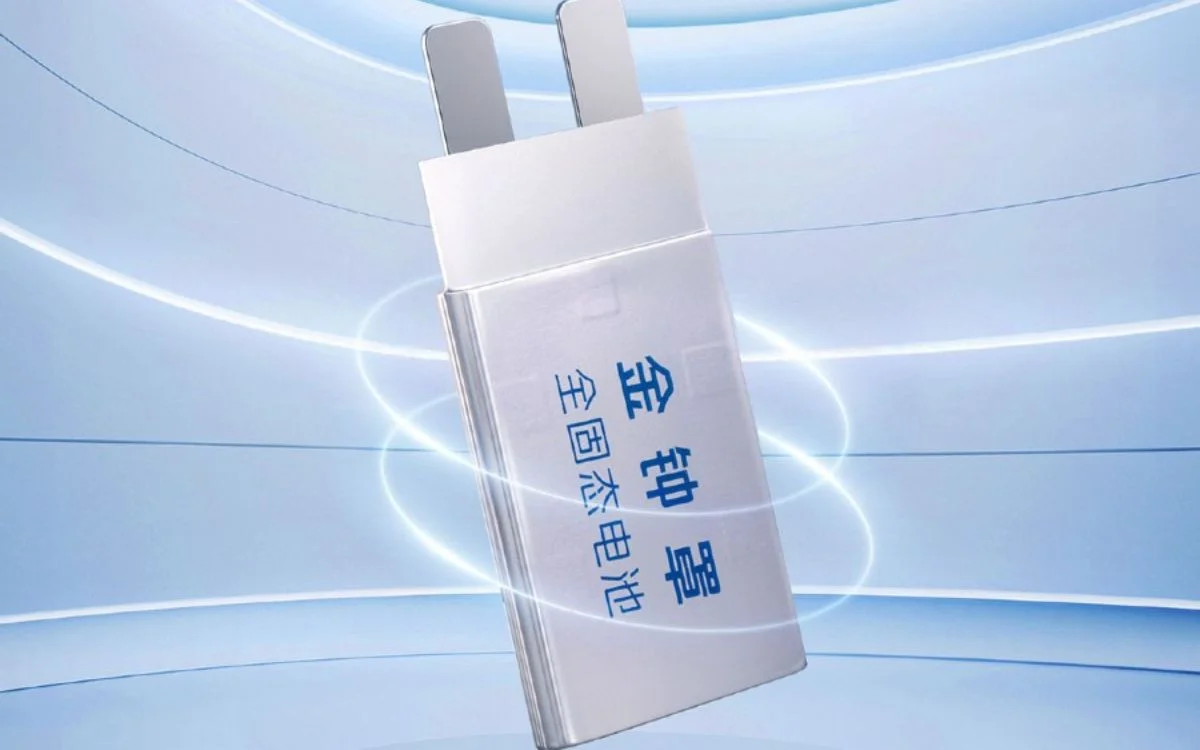
For more than a decade, the global automotive complex has marched in lockstep behind liquid-electrolyte lithium-ion battery chemistry. While this technology successfully midwifed the modern electric vehicle (EV) revolution, it has reached an asymptotic limit in terms of range, volumetric efficiency, safety margins, and charging velocity. Enter the solid-state battery—the undisputed holy grail of electrochemical engineering. By substituting volatile liquid or gel electrolytes with stable ceramic, glass, or solid polymer materials, researchers have unlocked a frontier where fundamental physics no longer compromises safety for performance.
The catalytic pressure point arrived with institutional declarations from industry titans, most notably Toyota Motor Corporation. Signaling an aggressive departure from incrementalism, Toyota announced its intention to field solid-state battery-powered vehicles by 2025. This strategic gambit sent shockwaves through boardrooms from Stuttgart to Detroit and Seoul. For institutional investors navigating complex portfolios, the race represents a classic high-stakes technological disruption: those who master infrastructure scalability and secure supply chain liquidity will dictate the future valuation multiples of the entire global transport sector, while unprepared legacy players face terminal obsolescence.
Deconstructing the Technology: Chemistry, Physics, and Enterprise ROI
To understand why capital markets are pouring tens of billions of dollars into solid-state research, one must examine the molecular mechanics. Traditional lithium-ion cells rely on a liquid organic solvent to shuttle lithium ions between the anode and cathode. At high voltages or under thermal stress, these liquid electrolytes can decompose, produce gas, and instigate catastrophic thermal runaway—the root cause of high-profile EV fires.
Solid-state batteries completely eliminate this flammable medium. The implementation of a solid electrolyte introduces profound engineering advantages:
- Unprecedented Energy Density: Solid-state cells can house significantly more active material in a smaller footprint, effectively doubling driving ranges without increasing pack weight.
- Ultra-Fast Charging Velocities: The absence of liquid degradation pathways allows for aggressive ion transfer rates, slashing rapid-charging intervals to under ten minutes.
- Enhanced Thermal Stability: Operating efficiently across extreme temperature spectrums, solid-state cells eliminate the need for heavy, parasitic liquid-cooling thermal management systems.
- Anode Optimization: The solid barrier prevents the formation of lithium dendrites—microscopic needle-like structures that cause short circuits—paving the way for pure lithium-metal anodes.
From an enterprise ROI perspective, these performance metrics translate directly into higher consumer adoption rates, lower warranty liabilities, and streamlined manufacturing footprints. However, realizing these theoretical gains requires overcoming monumental manufacturing hurdles.
Verified Data and Metrics Breakdown
The following comparative matrix illustrates the engineering and commercial divergence between conventional liquid-state lithium-ion cells and next-generation solid-state architectures:
| Performance Metric | Conventional Liquid Lithium-Ion | Solid-State Battery (Target) | Commercial Readiness Timeline |
|---|---|---|---|
| Energy Density (Wh/kg) | 250 – 300 Wh/kg | 400 – 500+ Wh/kg | 2025 – 2030 |
| Fast-Charging Time (10-80%) | 18 – 30 Minutes | 10 Minutes or Less | 2026 – 2028 |
| Thermal Runaway Risk | Moderate to High (Flammable) | Negligible (Incombustible) | Immediate Safety Gain |
| Manufacturing Yield Rate | High (Mature Gigafactories) | Low (Pilot Scale / R&D) | Scaling Post-2027 |
Geopolitical and Capital Allocation Realities
The race for solid-state dominance transcends mere corporate competition; it is a critical pillar of national industrial strategy and regulatory compliance. As Western governments enforce stringent decarbonization mandates and stringent regulatory compliance frameworks—such as the European Union's combustion engine ban and the United States' Inflation Reduction Act (IRA)—automakers are forced to redirect massive capital expenditure toward next-generation electrification.
However, venture capital markets and private equity firms are scrutinizing the steep capital expenditure required to transition existing gigafactories. Scaling solid-state production requires entirely novel manufacturing methodologies, including high-precision dry-room environments, roll-to-roll ceramic tape casting, and specialized sintering furnaces. Companies that successfully execute this transition while maintaining stringent quality control will capture dominant market share. Conversely, firms trapped in sunk capital investments for legacy liquid lines risk severe financial distress.
Frequently Asked Questions (People Also Ask)
What makes solid-state batteries safer than traditional lithium-ion batteries?
Traditional lithium-ion batteries utilize volatile organic liquid electrolytes that can catch fire under conditions of physical damage, overcharging, or extreme heat (thermal runaway). Solid-state batteries replace this liquid with a solid ceramic or polymer electrolyte, which is inherently incombustible and structurally stable, virtually eliminating the risk of fire.
Why has it taken so long to commercialize solid-state batteries for EVs?
While solid-state chemistry has been understood in laboratory settings for decades, mass-producing the cells at commercial scale with high manufacturing yields has proven exceptionally difficult. Challenges include maintaining intimate solid-to-solid contact during charge-discharge cycles, preventing internal micro-cracking, and achieving cost parity with mature liquid-electrolyte manufacturing lines.
Will solid-state batteries render current electric vehicles obsolete overnight?
No. Even as automakers like Toyota begin initial production runs around 2025, mass-market adoption will be gradual. Initial solid-state deployments will likely be restricted to luxury or high-performance vehicle tiers due to high initial manufacturing costs. Liquid lithium-ion batteries will continue to power the majority of global EV volume well into the 2030s while solid-state supply chains scale.
How do solid-state batteries impact charging infrastructure and grid scalability?
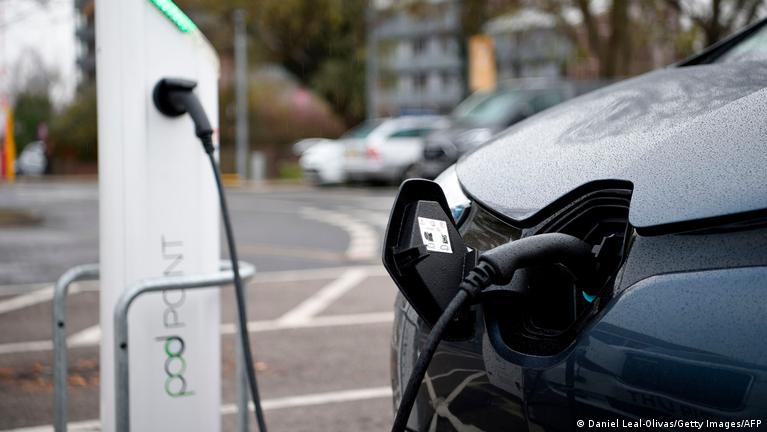
By enabling ultra-fast charging times (under 10 minutes), solid-state batteries will place unprecedented peak load demands on local electrical grids. This will accelerate enterprise investment in high-capacity stationary energy storage systems, ultra-fast DC charging architectures, and localized microgrid solutions to prevent grid destabilization.
Future Outlook: Milestones to Watch in the Global Energy Transition
As the industry approaches the critical 2025–2030 window, investigative analysts and financial markets will monitor several decisive milestones:
- Pilot Plant Yields & Cost Parity: The ability of manufacturers to transition from bench-scale prototypes to gigawatt-hour (GWh) scale facilities with acceptable defect rates.
- Supply Chain Security & Raw Materials: Securing refined lithium, solid electrolyte precursors, and high-purity ceramic components independent of geopolitical bottlenecks.
- Real-World Fleet Validation: Independent performance auditing of early-adopter vehicles under harsh environmental extremes to verify degradation resistance and volumetric efficiency.
The transition to solid-state batteries is no longer a matter of scientific if, but financial and operational when. For global carmakers, capital allocators, and energy strategists, the outcome of this race will define market dominance for the next half-century.