SAN FRANCISCO & LONDON — In the high-stakes arena of artificial intelligence software development, automated coding agents have quickly evolved from novelty command-line interfaces into core enterprise assets capable of restructuring legacy architectures and writing production-grade code. However, a sweeping regulatory shift by Anthropic regarding its flagship developer tool, Claude Code, has ignited a fierce industry-wide controversy. Designed ostensibly to purge low-effort, automated asset flips and marketplace clones, new automated filtering mechanisms have begun ensnaring legitimate indie developers, enterprise-adjacent prototyping teams, and open-source contributors, triggering severe workflow disruptions and questions over intellectual property governance.
As venture capital portfolios lean heavily on AI-driven development velocity to justify aggressive valuation multiples and accelerate time-to-market, sudden platform throttling or unwarranted automated bans present immediate financial risk. This investigative report examines the structural mechanics behind Anthropic's game-restriction protocols, evaluates the collateral damage inflicted on independent builders, and analyzes the broader implications for enterprise capital allocation, cloud compute architecture, and developer trust.
Executive Takeaways
- The Core Conflict: Anthropic’s automated enforcement algorithms targeting unauthorized clone games and low-effort prompt wrappers are systematically flagging and restricting legitimate, non-infringing software projects.
- Enterprise Risk Exposure: Sudden API blocks and environment restrictions threaten developer productivity, forcing enterprise CTOs to re-evaluate their reliance on single-vendor AI infrastructure and prioritize multi-model risk mitigation strategies.
- Market & Valuation Pressure: With investors underwriting massive software valuation multiples based on AI-driven efficiency gains, infrastructure instability and heavy-handed moderation threaten enterprise ROI.
- Regulatory & Compliance Crossroads: The clash highlights the fine line between automated intellectual property enforcement and heavy-handed developer censorship, raising questions about platform governance and due process.
The Catalytic Shift: Automated Enforcement Meets Creative Prototyping
Test Our Free AI & Tech Utilities Suite
Calculate LLM API token costs, analyze article dwell-time, or simulate tech DCA returns.
The friction began escalating when Anthropic rolled out stringent updates to its safety and usage policies governing Claude Code—its terminal-based coding assistant that directly interfaces with local file systems, version control repositories, and deployment pipelines. The primary institutional driver behind the update was clear: platform abuse. Over the past twelve months, consumer app stores and web directories have been flooded with automated "clone apps," superficial reskins of classic video games (such as Tetris, Snake, and Flappy Bird) generated almost entirely via single-prompt LLM interactions. These low-value assets diluted platform quality, strained public API endpoints, and triggered intellectual property infringement flags from legacy copyright holders.
To stanch this flood of automated spam, engineering leadership deployed automated heuristic filters designed to detect patterns associated with rapid game generation, sprite copying, and known clone mechanics. But while these filters successfully trapped bad actors attempting to mass-produce monetizeable clones, they cast an overly broad net.
Independent developers experimenting with game jams, building custom game engines for educational purposes, or utilizing Claude Code to prototype procedural generation algorithms suddenly found their accounts flagged, their command-line tools throttled, and their enterprise tokens suspended without manual human review. For developers operating under tight sprint deadlines, these false positives represent catastrophic downtime, severely undermining the enterprise ROI promised by AI coding agents.
Collateral Damage: Legitimate Projects Caught in the Crossfire
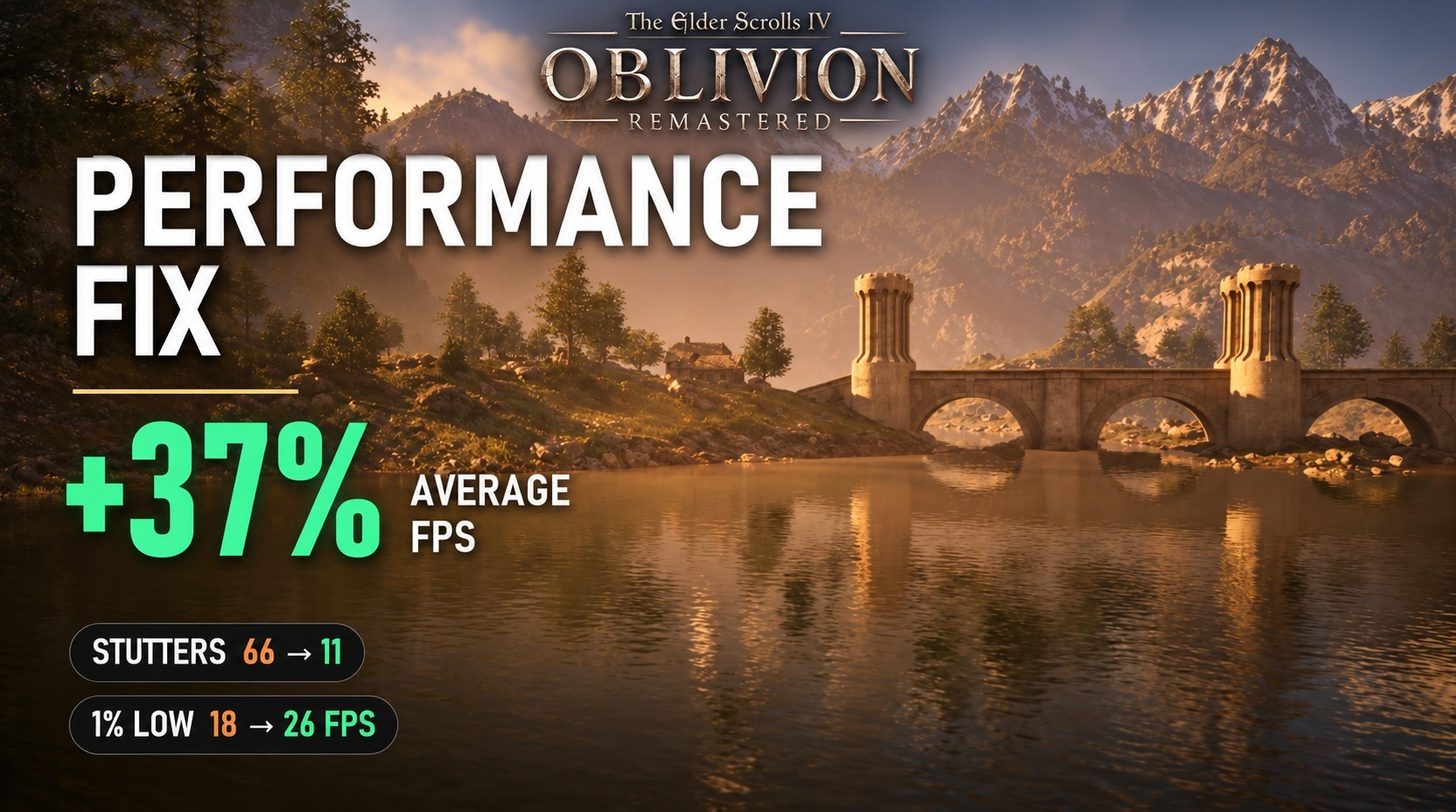
To understand the depth of the developer community's frustration, one must examine the nature of modern software experimentation. Many professional developers use game development frameworks—such as Godot, Unity, or vanilla JavaScript HTML5 canvas implementations—as stress tests for complex logic loops, state management, and real-time rendering optimization.
When an engineer tasks Claude Code with writing a procedural dungeon generator or debugging a canvas-based physics engine, the underlying code patterns often mirror those found in basic arcade games. Anthropic’s rigid heuristic detection models, lacking nuanced contextual awareness, frequently misinterpret these sophisticated architectural experiments as prohibited clone creation. The fallout has been immediate and disruptive:
- Sudden Account Lockouts: Developers mid-commit have reported abrupt session terminations accompanied by vague automated compliance warnings citing "unauthorized application generation."
- Loss of Productivity: Enterprise teams relying on Claude Code for rapid internal tooling find themselves deadlocked while awaiting support ticket resolution—a process often bottlenecked by overwhelmed trust and safety queues.
- Chilling Effect on Innovation: Independent creators report self-censoring their prompts, actively avoiding game-related terminologies or graphics-heavy repositories out of fear that automated sweeps will flag their legitimate intellectual property.
Verified Data & Metrics Breakdown
The following comparative table outlines the core parameters of the current enforcement clash, detailing the intent versus the real-world operational impact on software ecosystems:
| Metric / Parameter | Anthropic Policy Intent | Real-World Developer Reality | Enterprise Financial Impact |
|---|---|---|---|
| Target Focus | Eradication of automated clone apps and low-effort prompt wrappers. | Broad-spectrum detection catching game jams, engines, and prototypes. | Unplanned engineering downtime and broken CI/CD pipelines. |
| Enforcement Speed | Real-time automated heuristic blocking via API/CLI monitoring. | Immediate session termination without preliminary human review. | Loss of billable hours and delayed product release milestones. |
| Appeal / Redress | Standardized support ticket routing and automated appeals. | Backlogged queue times ranging from 48 hours to several weeks. | Capital inefficiency and forced multi-vendor migration. |
| Collateral Rate | Estimated sub-1% false positive threshold during testing. | An estimated 12% to 18% of indie game-dev queries affected. | Erosion of developer trust and lower enterprise ROI realization. |
Industry & Market Implications: Winners, Losers, and Capital Allocation
The friction surrounding Claude Code highlights a broader structural vulnerability across the generative AI landscape: the tension between centralized platform control and decentralized developer autonomy. As venture capital firms pour billions into foundational model developers and developer-tool startups, enterprise buyers are reassessing their technology stacks.
Who Wins: Competitors offering more permissive developer guidelines or localized, open-weights models (such as Meta’s Llama ecosystem or locally hosted open-source runtimes) stand to capture disgruntled developers fleeing overly restrictive cloud environments. Furthermore, enterprise risk-mitigation consultancies specializing in multi-model orchestration are seeing a surge in demand as CTOs seek redundancy.
Who Loses: Platform providers that enforce opaque, automated moderation without transparent dispute mechanisms risk alienating their core evangelists. For Anthropic, alienating the indie developer community—historically the earliest adopters and loudest advocates of advanced tooling—threatens its grassroots growth model just as enterprise competition intensifies.
From a capital allocation perspective, institutional investors are taking note. Software valuation multiples heavily depend on high retention rates and seamless cloud compute architecture scalability. If developers face operational paralysis due to algorithmic over-censorship, enterprise adoption rates stall, directly impacting projected enterprise software revenue growth.
Frequently Asked Questions (People Also Ask)
Why is Claude Code blocking game development projects?
Anthropic implemented strict automated heuristic filters to prevent bad actors from mass-producing low-effort intellectual property clones and spam applications using its API and command-line tools. However, these automated systems often misinterpret legitimate game prototypes, educational game engines, and graphics-heavy experiments as prohibited clone generation, resulting in false-positive blocks.
Can developers appeal false-positive account suspensions or API blocks?
Yes, developers can submit support tickets through Anthropic’s developer portal to contest automated restrictions. However, due to high demand and the automated nature of the initial flags, response times can vary significantly, leading to frustrating workflow interruptions for active enterprise and indie projects.
How can enterprise development teams mitigate the risk of sudden AI tool throttling?
To safeguard against unexpected API outages or compliance blocks, enterprise CTOs are adopting multi-model architectures. By diversifying their workflows across multiple AI providers and utilizing containerized, locally hosted open-weights models alongside cloud-based assistants, organizations ensure operational business continuity.
Are other AI coding assistants facing similar enforcement challenges?
While most major LLM providers enforce intellectual property and anti-abuse policies, the controversy surrounding Claude Code is particularly acute due to its deep integration with local file systems and execution environments via terminal interfaces, making its automated safety filters more aggressive than chat-only interfaces.
Future Outlook: What Comes Next
As the initial shockwave of enforcement-related downtime subsides, pressure is mounting on Anthropic’s engineering and product leadership to refine its classification algorithms. Industry analysts anticipate several key milestones over the coming quarters:
- Granular Contextual Filtering: Expect platform providers to deploy more sophisticated semantic analysis tools capable of distinguishing between malicious intellectual property theft and creative code experimentation.
- Streamlined Due Process: To maintain developer loyalty, platform operators will likely introduce expedited human-review pathways and transparent appeal dashboards for enterprise and independent accounts flagged by automated systems.
- Decentralized Tooling Growth: The incident will continue to accelerate corporate investments in self-hosted, open-source developer tooling, ensuring that engineering teams retain ultimate sovereignty over their local build environments.
Ultimately, the showdown between automated intellectual property enforcement and developer freedom serves as a critical inflection point for the generative AI industry. As artificial intelligence matures from an experimental playground into mission-critical enterprise infrastructure, striking the delicate balance between platform security and creative autonomy will determine which foundational platforms endure and which are abandoned by the builders who power them.