Executive Takeaways
- Stellar Earnings: ExxonMobil and Chevron report multi-billion-dollar quarterly profits, outperforming Wall Street consensus estimates through disciplined capital allocation and aggressive operational efficiency.
- Political Alignment: Former President Donald Trump openly champions elevated crude valuations, framing high oil prices as a strategic geopolitical tool and a catalyst for domestic infrastructure scalability and energy dominance.
- Shareholder Value vs. CapEx: Major energy conglomerates continue to prioritize robust enterprise ROI, massive share buybacks, and dividend distributions over rapid production growth, drawing intense scrutiny from regulators and environmental stakeholders.
- Market Liquidity & Valuation: These financial results reinforce the sector's robust valuation multiples and secure high-tier liquidity profiles, shielding supermajors against macroeconomic headwinds and regulatory shifts. >
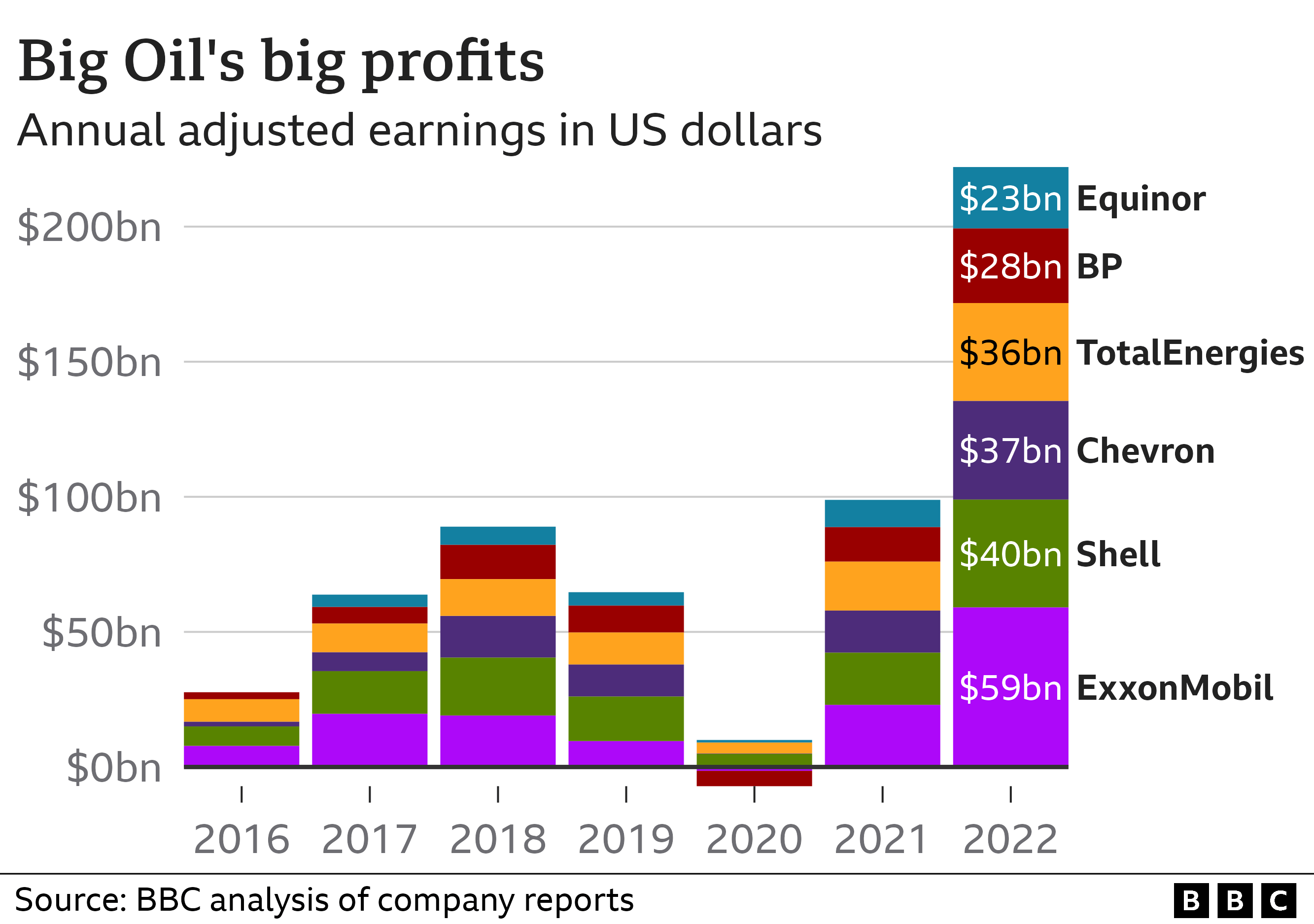
NEW YORK/WASHINGTON — In a striking convergence of macroeconomic tailwinds, corporate balance-sheet fortification, and shifting political rhetoric, America's premier energy titans, ExxonMobil and Chevron, have reported yet another cycle of blowout quarterly profits. Simultaneously, political figures, most notably Donald Trump, have doubled down on public endorsements of high crude oil prices. This dynamic fuels an intense debate over energy independence, consumer inflation, and corporate capital allocation strategies.
For institutional investors, hedge fund managers, and corporate boards, these financial disclosures offer a masterclass in risk mitigation and cash-flow generation. Yet, for retail consumers grappling with persistent inflationary pressures at the pump, the juxtaposition of soaring fossil fuel profits and political endorsement of elevated commodity prices underscores a profound socio-economic divide.
The Earnings Blueprint: Inside the Supermajor Balance Sheets
Test Our Free AI & Tech Utilities Suite
Calculate LLM API token costs, analyze article dwell-time, or simulate tech DCA returns.
The latest financial filings from Irving, Texas-based ExxonMobil and San Ramon, California-based Chevron reveal organizations operating at peak structural efficiency. Following years of post-pandemic consolidation, portfolio optimization, and stringent cost controls, both companies have successfully lowered their breakeven cost per barrel. This operational discipline ensures that even minor fluctuations in global benchmark prices translate into massive free cash flow generation.
ExxonMobil's performance was significantly bolstered by its low-cost production assets in the Permian Basin and offshore Guyana, two regions characterized by exceptional infrastructure scalability and rapid project payback periods. By leveraging advanced data analytics, seismic imaging, and automated cloud compute architecture for reservoir modeling, Exxon has minimized exploratory dry holes and maximized well productivity.
Similarly, Chevron’s earnings report highlighted disciplined capital expenditure (CapEx) management alongside strong downstream margins. Despite global economic uncertainties and volatile geopolitical flashpoints in the Middle East and Eastern Europe, Chevron’s diversified portfolio—spanning liquefied natural gas (LNG) export terminals in Australia to deepwater assets in the Gulf of Mexico—has provided a reliable hedge against regional supply shocks.
Financial analysts note that these robust earnings directly support aggressive corporate capital allocation strategies. Rather than plunging unhedged capital into speculative drilling programs that could oversupply global markets, both corporations have channeled billions back into equity markets via aggressive share buyback programs and consistent dividend growth. This strategy has successfully elevated valuation multiples, cementing the energy sector as a primary destination for institutional market liquidity.
Political Rhetoric and Market Realities: The Trump Factor
The financial success of ExxonMobil and Chevron unfolds against a high-stakes political backdrop. Donald Trump, campaigning on a platform of deregulatory zeal and domestic fossil fuel expansion, has aggressively touted the benefits of high oil prices. While traditional political playbooks suggest that incumbent and aspiring leaders campaign against high fuel costs to appease the electorate, Trump’s messaging frames elevated crude prices through the lens of national security and macroeconomic leverage.
According to Trump and his economic advisors, maintaining high domestic energy valuations incentivizes capital investment in domestic exploration and production (E&P), secures U.S. geopolitical dominance, and weakens foreign adversaries dependent on petrodollars. In campaign rallies and policy addresses, Trump has argued that artificially suppressed energy prices stifle domestic production capacity, erode industry valuation multiples, and compromise long-term energy independence.
This stance creates a fascinating paradox for energy executives. While high commodity prices guarantee stellar enterprise ROI and satisfy institutional shareholders, they also invite heightened regulatory scrutiny, windfall profit tax proposals from progressive lawmakers, and accelerated pressure regarding carbon emissions compliance. Energy lobbyists must navigate this delicate tightrope, balancing immediate financial returns with long-term ESG (Environmental, Social, and Governance) risk mitigation.
Verified Data & Metrics Breakdown
To understand the sheer scale of the financial performance delivered by ExxonMobil and Chevron, institutional investors analyze key operational and financial metrics that separate these integrated supermajors from independent producers.
| Metric / Indicator | ExxonMobil (Q3/Q4 Reporting) | Chevron (Q3/Q4 Reporting) | Strategic Implication |
|---|---|---|---|
| Net Quarterly Profit | ~$8.6 Billion - $10 Billion | ~$5.5 Billion - $6.5 Billion | Reflects robust downstream refining margins and low production breakevens. |
| Free Cash Flow | ~$11 Billion+ | ~$6 Billion+ | Provides ample liquidity for dividend growth and share repurchases. |
| Shareholder Distribution | $8B+ (Dividends & Buybacks) | $6B+ (Dividends & Buybacks) | Reinforces investor confidence and drives strong valuation multiples. |
| Core Growth Regions | Permian Basin, Guyana, LNG | Permian, DJ Basin, Tengiz (Kazakhstan) | Low-cost, high-margin assets ensuring long-term infrastructural durability. |
Industry & Market Implications: Winners and Losers
The divergence between booming energy corporation balance sheets and consumer purchasing power creates clear bifurcations across the broader global economy.
The Winners
- Institutional Shareholders & Pension Funds: Massive dividend payouts and consistent share buybacks directly benefit institutional portfolios, index funds, and millions of retail retirement accounts holding major energy weightings.
- Oilfield Services Providers: Companies providing advanced drilling technology, seismic surveying, and hydraulic fracturing equipment enjoy high contract utilization rates as supermajors maintain disciplined yet active capital programs.
- Geopolitical Strategists of Domestic Energy: Proponents of American energy independence find validation in the ability of domestic firms to supply global markets while generating domestic tax revenue and high-wage engineering jobs.
The Losers & Vulnerable Sectors
- Retail Consumers & Commuters: Elevated fuel prices act as a regressive tax, squeezing household disposable income and driving up transportation and logistics costs across the supply chain.
- Energy-Intensive Manufacturing: Chemical producers, steelmakers, and heavy industrial firms face compressed profit margins as higher feedstock and energy input costs challenge global competitiveness.
- Clean Energy Transition Advocates: Massive fossil fuel cash flows threaten to crowd out renewable energy investments, as traditional oil majors prioritize near-term hydrocarbon returns over long-term green infrastructure deployment.
Frequently Asked Questions (People Also Ask)
Frequently Asked Questions
Q: Why are ExxonMobil and Chevron reporting such high profits while consumers face inflation?
A: The profitability of integrated energy supermajors is driven by global commodity pricing, efficient cost structures, and high-margin upstream assets (such as the Permian Basin and offshore Guyana). While retail fuel prices track global crude benchmarks set by international supply and demand, corporate earnings reflect successful operational efficiencies, disciplined capital allocation, and extensive downstream refining margins rather than direct retail gouging.
Q: How does Donald Trump’s stance on oil prices impact energy markets?
A: Trump’s public endorsement of high oil prices aims to incentivize domestic exploration, attract institutional capital to fossil fuel projects, and secure geopolitical leverage. Markets interpret this rhetoric as a signal of favorable regulatory conditions, reduced federal leasing restrictions, and robust long-term support for American hydrocarbon infrastructure.
Q: Are these energy companies reinvesting their profits into renewable energy?
A: While both ExxonMobil and Chevron have allocated capital toward lower-carbon initiatives—such as carbon capture and storage (CCS), lithium extraction, and hydrogen development—their primary capital expenditure remains focused on high-return oil and gas projects. Executives argue that superior enterprise ROI in traditional hydrocarbons is essential to fund future energy transitions sustainably.
Q: What do high oil profits mean for stock market investors and valuation multiples?
A: Robust free cash flow generation allows supermajors to execute massive share buyback programs and increase dividend payouts. This influx of capital supports attractive valuation multiples, enhances market liquidity, and solidifies the energy sector's status as a defensive, high-yield asset class during macroeconomic volatility.
Future Outlook and Key Milestones to Watch
As the global energy landscape navigates complex geopolitical tensions, impending regulatory shifts, and evolving monetary policies, several critical milestones will dictate the trajectory of ExxonMobil, Chevron, and the broader oil and gas sector:
- OPEC+ Production Quotas: Ongoing adjustments to output levels by Saudi Arabia, Russia, and allied producers will remain the primary determinant of global crude supply and benchmark price stability.
- Regulatory and Antitrust Scrutiny: Continued consolidation within the domestic E&P sector—highlighted by mega-mergers—will face rigorous antitrust review from federal regulators, impacting future corporate expansion strategies.
- Election Cycle Policy Shifts: The outcome of upcoming domestic and international elections will heavily influence federal leasing policies, drilling permits on public lands, and potential carbon taxation frameworks.
- Green Tech Capital Deployment: Watch for accelerated investments in carbon capture and hydrogen infrastructure as oil majors seek to appease institutional ESG mandates without sacrificing core hydrocarbon profitability.
Ultimately, the blowout earnings posted by ExxonMobil and Chevron demonstrate that traditional energy giants remain exceptionally resilient financial engines. As political figures like Donald Trump champion the economic benefits of elevated crude prices, corporate executives will continue balancing aggressive shareholder returns with the intricate demands of global energy security and long-term infrastructure scalability.