Executive Takeaways
- Unprecedented Free Cash Flow: Supermajor balance sheets are swelling as capital expenditure discipline matches resilient global hydrocarbon demand, driving unprecedented enterprise ROI.
- Shareholder Retucks Over Expansion: Unlike previous commodity booms, executive boards are prioritizing aggressive share buybacks, dividend hikes, and balance-sheet de-risking over aggressive greenfield exploration.
- Geopolitical Risk Premiums: Ongoing supply-chain frictions, Middle Eastern instability, and OPEC+ production quotas continue to underpin high valuation multiples across the sector.
- The Energy Transition Paradox: Massive fossil-fuel capital accumulation is directly funding corporate hedging strategies into low-carbon assets, carbon capture, and grid-scale infrastructure.
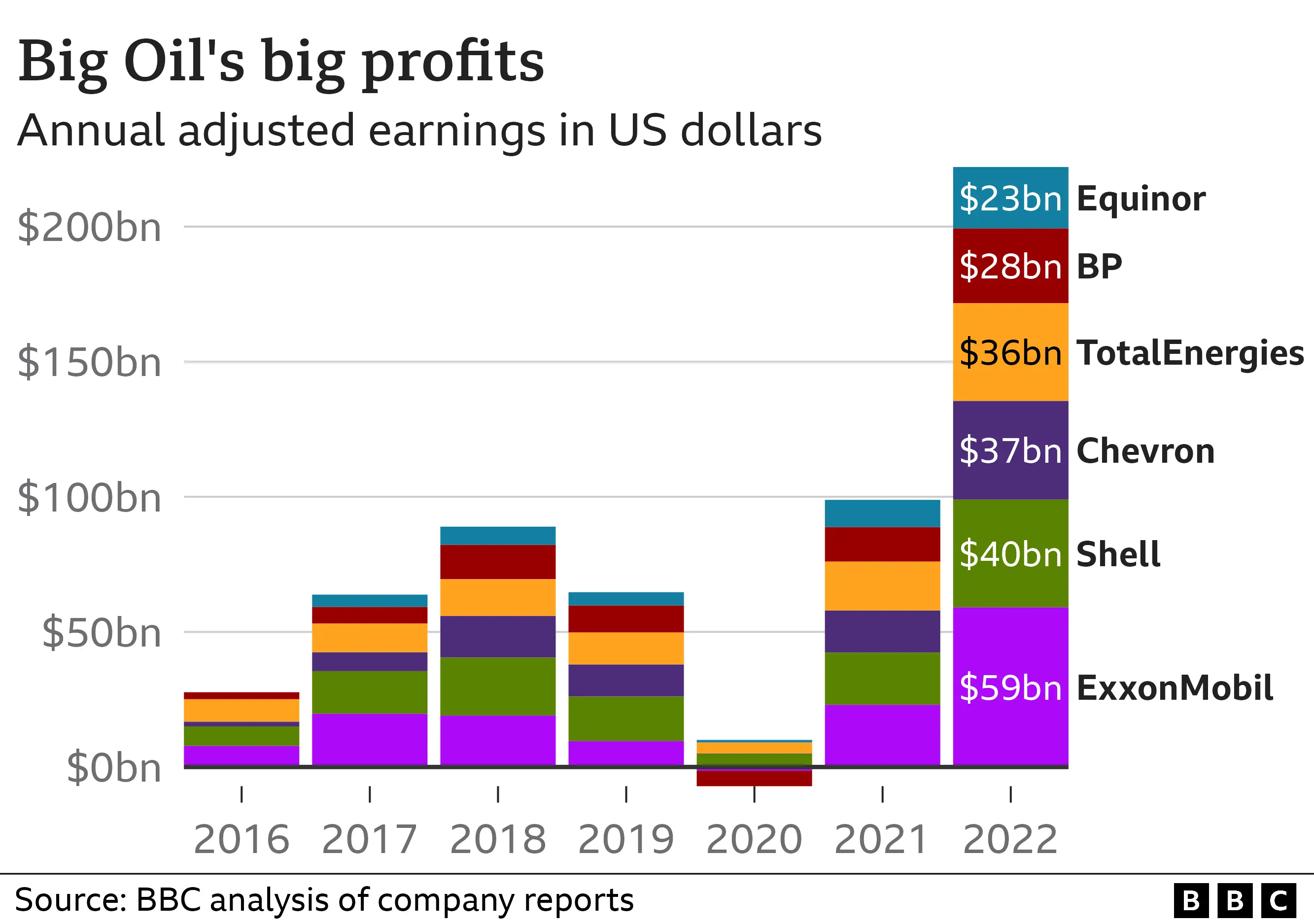
For the third consecutive reporting cycle, international energy markets are absorbing a seismic financial reality: the world’s largest oil and gas conglomerates are once again posting astronomical net incomes, defying broader macroeconomic headwinds, tightening monetary policy, and persistent regulatory pressures. As quarterly balance sheets clear across Houston, London, and Paris, financial analysts are recalibrating their models. The narrative of an imminent, orderly sunset for traditional hydrocarbons has collided head-on with a stubborn reality—global energy security and high-margin cash generation remain tightly bound to petroleum.
This deep-dive investigative report examines the structural catalysts behind the latest earnings explosion, analyzes how executive leadership teams are deploying unprecedented capital allocations, and unpacks the broader systemic implications for institutional investors, sovereign wealth funds, and everyday consumers.
The Catalysts of Capital Accumulation: Why Profits Are Surging Again
Test Our Free AI & Tech Utilities Suite
Calculate LLM API token costs, analyze article dwell-time, or simulate tech DCA returns.
The latest wave of supermajor earnings reports cannot be attributed to a single price spike at the pump. Instead, it represents the culmination of a multi-year operational overhaul. Following the demand destruction of the early pandemic era and the subsequent geopolitical shocks of 2022, executive boards instituted strict risk mitigation frameworks. Gone are the days of undisciplined, high-risk wildcatting designed to chase volume over value.
Today’s operational ethos relies on strict infrastructure scalability and cost-efficiency. Breakeven points for major deepwater and shale assets have been driven down significantly through advanced data analytics, optimized cloud compute architecture for seismic imaging, and streamlined supply chains. Consequently, when Brent crude holds a sustained band above $80 per barrel, the delta flows straight to the bottom line as pure, unencumbered free cash flow.
Furthermore, structural under-investment in global upstream projects over the past half-decade has created a supply buffer that is remarkably thin. When demand proved resilient against global interest rate hikes, tight inventories ensured that upstream operators retained immense pricing power. The result is a repeating cycle of massive cash inflows that continue to confound bears and delight institutional equity holders.
Capital Allocation Strategies: Buybacks, Dividends, and the Transition Dilemma

How these windfalls are deployed reveals a profound shift in corporate psychology. In past cycles, excess liquidity triggered an immediate rush into expensive mergers and acquisitions or risky frontier exploration. Today, capital allocation committees are singing a different tune.
Shareholder remuneration has taken center stage. Multi-billion-dollar share repurchase programs and escalating base dividends are designed to bolster valuation multiples and satisfy institutional investors demanding immediate yield. This strategy has successfully revitalized the sector’s standing among portfolio managers who previously abandoned fossil fuels over environmental, social, and governance (ESG) mandates.
| Metric / Indicator | Previous Cycle (2014–2016) | Current Boom Cycle | Strategic Shift |
|---|---|---|---|
| Capital Expenditure (CapEx) Focus | Volume growth & Greenfield exploration | Maintenance, efficiency, & targeted low-carbon | Discipline over growth |
| Shareholder Distribution | Standard dividends | Base dividends + Aggressive open-market buybacks | Enhanced total yield |
| Breakeven Price (WTI/Brent) | $60 – $80 per barrel | $35 – $50 per barrel | Structural cost reduction |
| Debt-to-Capital Ratio | Elevated (leveraged expansions) | Significantly de-risked and deleveraged | Balance-sheet fortification |
Concurrently, a portion of these soaring earnings is being funneled into energy transition technologies—though at a pace dictated by strict commercial viability rather than political optics. Carbon capture, utilization, and storage (CCUS), hydrogen infrastructure, and select renewable power projects are receiving sustained funding. However, executive leadership has made it clear that low-carbon ventures must meet the same strict enterprise ROI hurdles as traditional upstream developments.
Industry and Market Implications: Winners and Losers
The reverberations of surging oil earnings extend far beyond the energy sector, creating distinct classes of economic winners and losers.
The Winners
Integrated Energy Supermajors: Firms with diversified operations spanning upstream extraction, midstream logistics, and downstream refining are capturing margin at every stage of the hydrocarbon value chain.
Institutional Shareholders & Pension Funds: Long-term investors benefiting from robust dividend payouts and stock price appreciation find their portfolios heavily buttressed by energy sector liquidity.
Oilfield Services Providers: Equipment manufacturers, seismic surveyors, and drilling contractors are experiencing a commensurate boom as operators loosen purse strings just enough to maintain field productivity.
The Pressured Parties
Energy-Intensive Manufacturers: Chemical producers, steelmakers, and transport companies face persistent margin compression as elevated energy input costs threaten global competitiveness.
Retail Consumers & Central Banks: Persistent high energy prices complicate monetary policy, forcing central bankers to maintain elevated interest rates to combat sticky inflation, which in turn impacts broader market liquidity.
Frequently Asked Questions (People Also Ask)
Why are oil company earnings rising despite global pushback against fossil fuels?
Earnings are surging primarily due to a combination of disciplined capital spending, low operational breakeven costs, and resilient global demand that has outpaced new upstream supply additions. While public policy favors decarbonization, physical demand for liquid fuels remains robust, allowing companies with low production costs to generate massive free cash flows.
How are oil companies using their record profits?
Unlike previous commodity cycles focused on expanding drilling operations, today's major energy firms are prioritizing balance-sheet de-risking, debt reduction, share buybacks, and dividend increases. A smaller portion is allocated toward disciplined investments in low-carbon infrastructure, hydrogen, and carbon capture technologies.
What role does OPEC+ play in sustaining these high earnings?
OPEC+ production quotas and voluntary output cuts act as a stabilizing floor for global crude prices. By managing supply to match fluctuating macroeconomic conditions, the cartel helps prevent price collapses, ensuring that non-OPEC producers also enjoy predictable, high-margin revenue streams.
Are these earnings sustainable over the long term?
Sustainability depends on macroeconomic stability, geopolitical tensions, and the pace of global energy transition adoption. While long-term structural trends favor renewable integration, most analysts project that fossil fuels will remain a foundational pillar of the global energy mix for decades, securing profitability for low-cost producers.
Future Outlook: Milestones to Watch
As the industry navigates the second half of the decade, several critical inflection points will determine whether these profit levels represent a temporary plateau or a long-term structural baseline. Market participants must monitor regulatory compliance shifts, particularly regarding carbon pricing and methane emissions penalties, which could alter operational cost structures.
Additionally, watch for technological breakthroughs in enhanced oil recovery (EOR) and digital automation, which threaten to lower breakeven thresholds even further. In the macroeconomic arena, any sudden shifts in Chinese industrial demand or North American shale productivity will serve as primary leading indicators for commodity price direction.
Ultimately, the latest earnings explosion underscores a fundamental economic lesson: until alternative energy sources achieve total cost parity and scalable reliability on a global scale, the financial architecture of the modern world remains anchored to the cash-generating power of traditional hydrocarbons.