Executive Takeaways
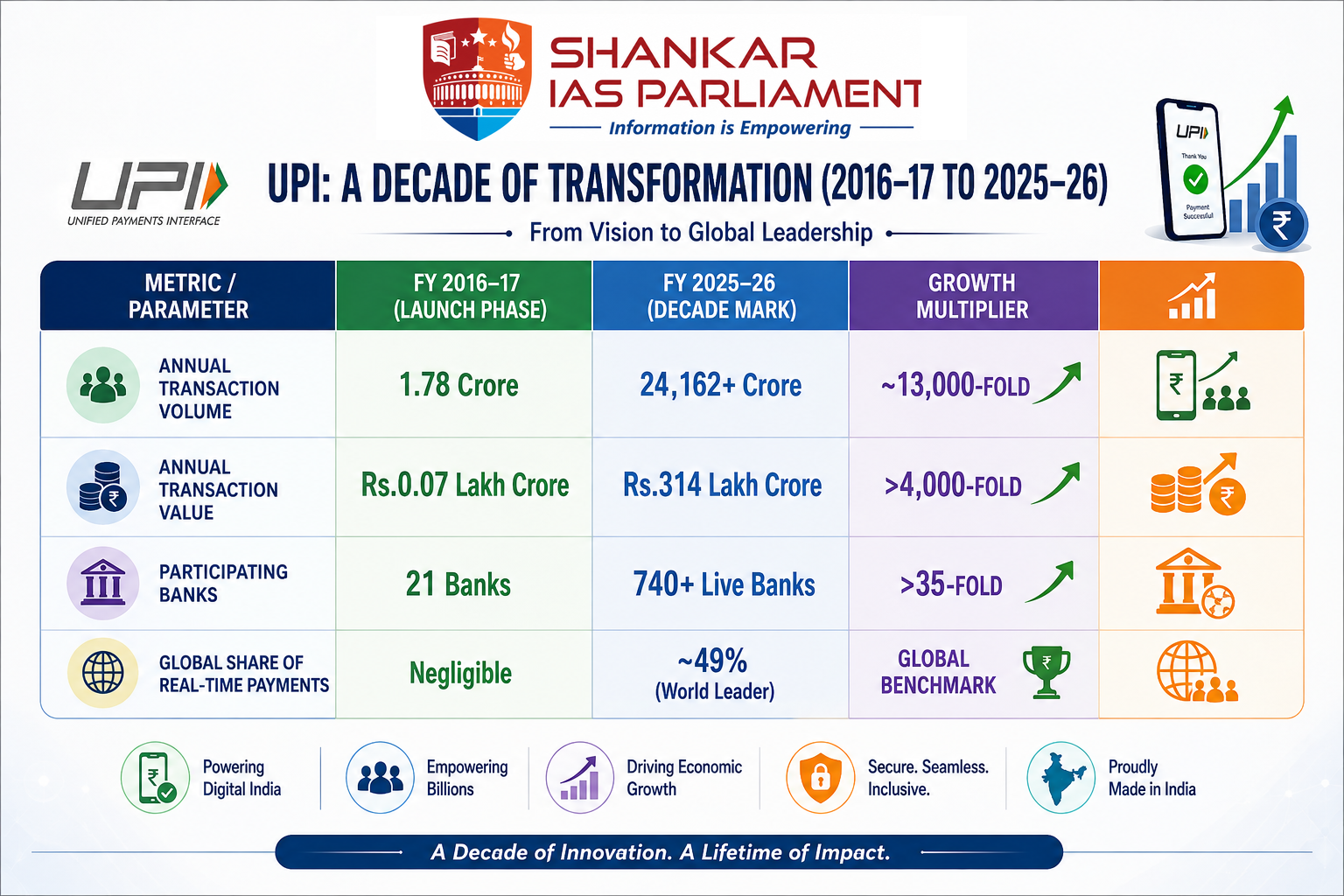
- A Decade of Scale: Marking 10 years since its public rollout on August 25, 2016, India’s Unified Payments Interface (UPI) has scaled from a nascent National Payments Corporation of India (NPCI) pilot into the world’s preeminent real-time retail payment rail.
- Macroeconomic Impact: UPI has fundamentally altered domestic capital allocation, driving unprecedented enterprise ROI for micro-merchants while compressing transaction friction and boosting velocity across consumer markets.
- Global Export of Tech Stack: Beyond domestic dominance, sovereign digital infrastructure models anchored by UPI are rapidly being exported to international jurisdictions, challenging traditional Western card rails and cross-border settlement monopolies.
- Risk Mitigation & Next-Gen Architecture: As transaction volumes test cloud compute architecture and fraud vectors evolve, regulators and the Reserve Bank of India face complex hurdles in maintaining system resilience and market liquidity.
When the National Payments Corporation of India (NPCI), operating under the vigilant oversight of the Reserve Bank of India (RBI), rolled out the Unified Payments Interface to the public on August 25, 2016—following an initial, highly controlled pilot launch in April of that year—few Wall Street analysts anticipated the systemic shockwave it would send through global financial services. A decade later, UPI stands not merely as a domestic convenience for the world's most populous nation, but as a masterclass in infrastructure scalability, regulatory foresight, and structural market disruption.
In an era where legacy Western financial institutions remain tethered to batch-processing legacy mainframes, SWIFT messaging delays, and high-margin interchange fees, UPI introduced an instant, interoperable, mobile-first protocol that bridged commercial banks, fintech unicorns, and unbanked populations onto a single ledger. For institutional investors, venture capitalists, and global regulators tracking financial technology trends, examining UPI’s first decade offers critical insights into how sovereign-backed digital rails can redefine valuation multiples, alter banking balance sheets, and reshape macroeconomic velocity.
The Genesis of a Digital Public Good: From April 2016 Pilot to Global Benchmark
Test Our Free AI & Tech Utilities Suite
Calculate LLM API token costs, analyze article dwell-time, or simulate tech DCA returns.
The architecture of UPI was conceived out of a clear structural mandate: lower the cost of cash handling, eliminate proprietary closed-loop wallet silos, and bring millions of unbanked citizens into the formal financial ecosystem. Built upon the foundation of India’s earlier Aadhaar biometric identity initiative and the Immediate Payment Service (IMPS), UPI decoupled payments from bank account numbers. By introducing Virtual Payment Addresses (VPAs)—such as handles ending in "@paytm" or "@ybl"—and leveraging dynamic QR codes, the system abstracted complex banking nomenclature into a seamless consumer experience.
The journey from the April 2016 pilot involving just a handful of commercial banks to the formal August 25 public rollout required intensive coordination between the RBI, NPCI, and private-sector tech giants. Early skeptics questioned the economic viability of a system designed around zero merchant discount rates (MDR) for peer-to-merchant (P2M) transactions. Yet, this exact policy choice catalyzed exponential adoption, turning smartphones across tier-2, tier-3, and rural Indian cities into ubiquitous point-of-sale terminals.
By shifting the burden of infrastructure costs and fostering an open Application Programming Interface (API) ecosystem, NPCI invited global tech platforms—including Google Pay, Walmart-backed PhonePe, and homegrown giants like Paytm—to compete on user interface and credit aggregation rather than closed network lock-in. This public-private partnership model is now being studied by central banks from Washington to Tokyo as they contemplate central bank digital currencies (CBDCs) and modern real-time gross settlement upgrades.
Verified Data & Metrics Breakdown Table
| Metric / Milestone | Pilot Launch (April 2016) | Public Rollout (August 2016) | Current Decade Milestone (2026) |
|---|---|---|---|
| Governing Authority | NPCI / RBI Oversight | NPCI / RBI Oversight | NPCI / RBI / Global Central Banks |
| Participating Banks | 21 Initial Banks | Scaled Commercial Banks | 600+ Member Banks & Financial Institutions |
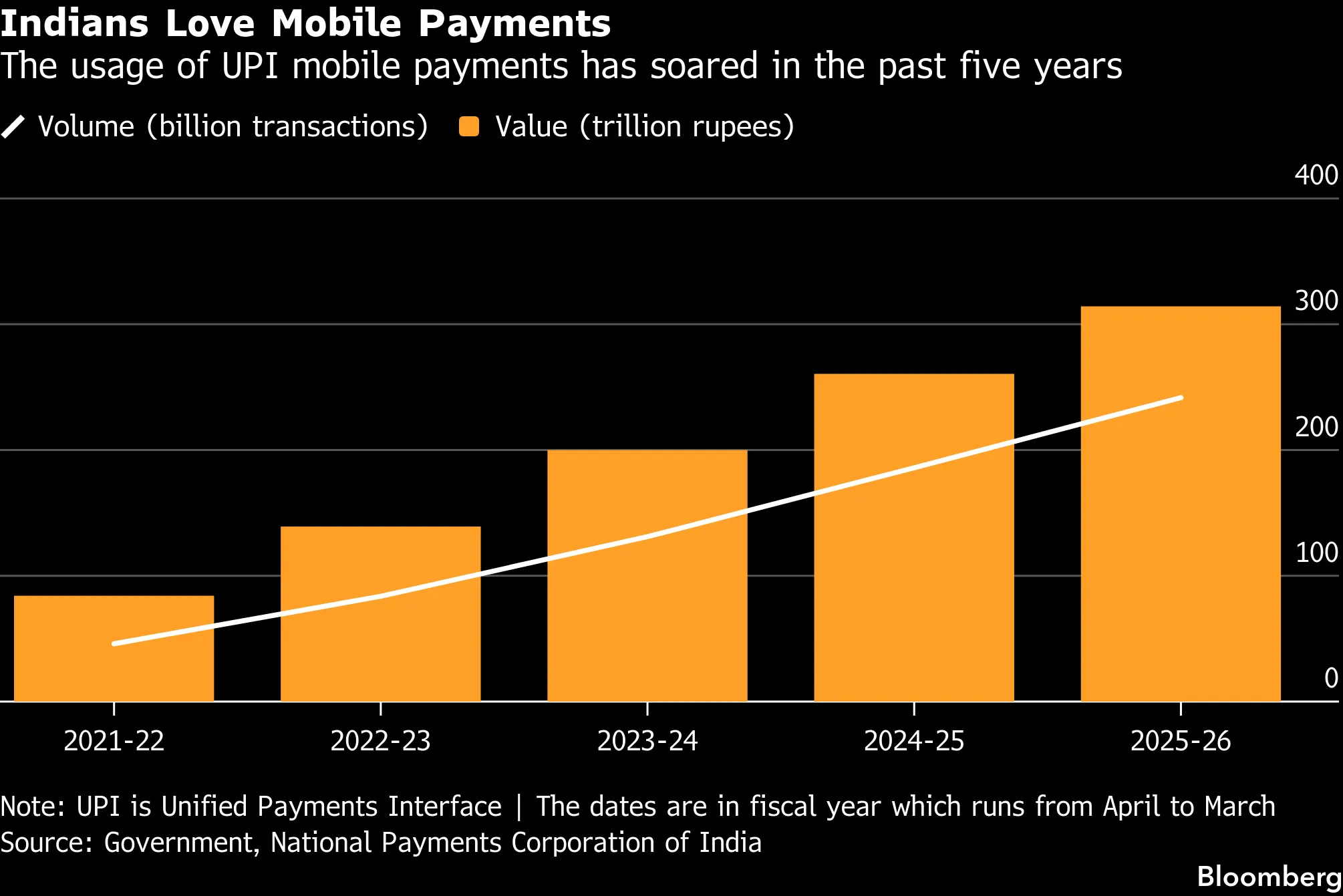
| Monthly Volume Scale | Nominal (Test Phase) | Initial Tens of Thousands | Billions of Transactions Monthly (Trillions in Value) |
| Primary Value Proposition | Interoperable Mobile Transfers | P2P and Early P2M Rails | Cross-Border Links, Credit Integration, AutoPay |
Industry & Market Implications: Winners, Losers, and Economic Shifts
The meteoric rise of UPI over the past ten years has fundamentally reconfigured competitive moats across the financial sector. Traditional card networks—long accustomed to extracting lucrative interchange fees from every swipe—have been forced to adapt their value propositions in one of the world's fastest-growing consumer markets. Meanwhile, incumbent commercial banks have experienced a dramatic transformation in their liability profiles and customer acquisition funnels.
- The Winners:
- Consumer Fintech Platforms: Third-party application providers (TPAPs) that successfully captured prime real estate on smartphone home screens, leveraging transaction data to cross-sell mutual funds, insurance, and pre-approved digital credit lines.
- Micro, Small, and Medium Enterprises (MSMEs): Small merchants who previously relied on expensive point-of-sale hardware or physical cash now enjoy instant settlement directly into bank accounts, optimizing working capital and enterprise ROI.
- Cloud Compute & Tech Infrastructure Providers: The sheer scale of billions of monthly API calls requires hyper-scalable cloud compute architecture, driving lucrative enterprise contracts for data centers and cybersecurity firms.
- The Losers:
- Legacy Payment Processors: Traditional card-issuing banks and payment gateways that relied on high MDR structures have seen margin compression on domestic retail transactions.
- Informal Cash Economy Operators: Shadow-economy transactions have faced severe headwinds as tax authorities leverage digital audit trails, driving higher formalization across the GDP.
From a macroeconomic perspective, UPI has vastly improved market liquidity. By reducing the float time of money from days to sub-seconds, commercial velocity has accelerated. Small businesses no longer wait for T+2 clearing cycles to restock inventory; instead, capital flows dynamically in real time, fueling higher capital allocation efficiency.
Frequently Asked Questions (People Also Ask)
Frequently Asked Questions
Q: What was the exact timeline of UPI’s launch in 2016?
A: UPI was soft-launched through a controlled pilot program involving 21 banks in April 2016, spearheaded by the Reserve Bank of India and the National Payments Corporation of India. Following rigorous stress-testing and security audits, it was officially opened for public rollout on August 25, 2016.
Q: How does UPI impact merchant economics given the zero-MDR policy?
A: For standard peer-to-merchant (P2M) transactions, UPI operates on a zero-MDR framework, meaning merchants do not pay processing fees. While this removes immediate interchange revenue for payment processors, it drives massive transaction volume, enabling fintechs and banks to monetize users through cross-selling credit, insurance, and wealth management products.
Q: Is UPI expanding beyond India’s borders?
A: Yes. NPCI International Payments Limited (NIPL) has actively partnered with nations across Asia, the Middle East, and Europe—including Singapore, the United Arab Emirates, France, and Sri Lanka—to integrate UPI rails for cross-border remittances, merchant settlements, and peer-to-peer interoperability.
Q: What are the primary risk mitigation challenges facing UPI today?
A: As transaction volumes scale into the tens of billions monthly, key regulatory and technical concerns include combating sophisticated social engineering fraud, ensuring 100% uptime across distributed cloud compute architecture, and managing market concentration risks among top-tier TPAP apps.
Future Outlook: The Next Decade of Sovereign Digital Rails
As UPI enters its second decade, the strategic horizon focuses heavily on internationalization, credit integration, and artificial intelligence-driven risk mitigation. The integration of credit lines onto the UPI network—allowing users to link pre-approved bank credit lines and RuPay credit cards to their VPA handles—represents the next frontier in lending disruption, threatening traditional credit card issuers.
Furthermore, NIPL’s aggressive push to link UPI with foreign payment switches signals a broader geopolitical ambition: establishing an alternative global cross-border settlement corridor that bypasses traditional Western-dominated SWIFT infrastructure. For global investors and banking executives, ignoring the architectural lessons of UPI is no longer an option. As sovereign digital infrastructure becomes a pillar of national economic power, India’s ten-year experiment has officially transformed into the blueprint for the future of global finance.