Executive Takeaways
- Capital Allocation Dilemma: NASA faces a complex risk-reward matrix regarding enterprise ROI, balancing the multi-billion-dollar valuation of Hubble’s scientific output against the financial and technical liabilities of a private-sector servicing mission.
- Commercial Space Integration: Proposed rescue and maintenance architectures rely heavily on non-traditional public-private partnerships, signaling a paradigm shift in orbital infrastructure scalability and risk mitigation.
- Orbital Real Estate Pressures: As natural atmospheric drag pulls the legendary observatory closer to Earth, administrators must weigh the cost of inaction against the catastrophic regulatory compliance risks of an uncontrolled re-entry.
For more than three decades, the Hubble Space Telescope has served as the undisputed crown jewel of observational astrophysics, reshaping our fundamental understanding of cosmological expansion, dark energy, and planetary formation. Yet, the engineering marvel that once defined the golden age of space exploration now sits at a severe operational crossroads. With its orbital altitude steadily decaying due to atmospheric drag, NASA is locked in high-stakes deliberations over whether to authorize a pioneering commercial servicing mission to extend its operational lifespan or initiate a controlled deorbit sequence to safely burn up the telescope over the Pacific Ocean.
This high-visibility dilemma transcends pure astronomy. It has metastasized into a defining test case for modern aerospace capital allocation, orbital asset management, and public-private operational synergy. As stakeholders across the global scientific, defense, and commercial space sectors monitor developments, the decisions made in Washington over the coming months will establish vital precedents for how humanity manages legacy orbital infrastructure.
The Catalytic Event: Technological Resilience Meets Orbital Decay
Test Our Free AI & Tech Utilities Suite
Calculate LLM API token costs, analyze article dwell-time, or simulate tech DCA returns.
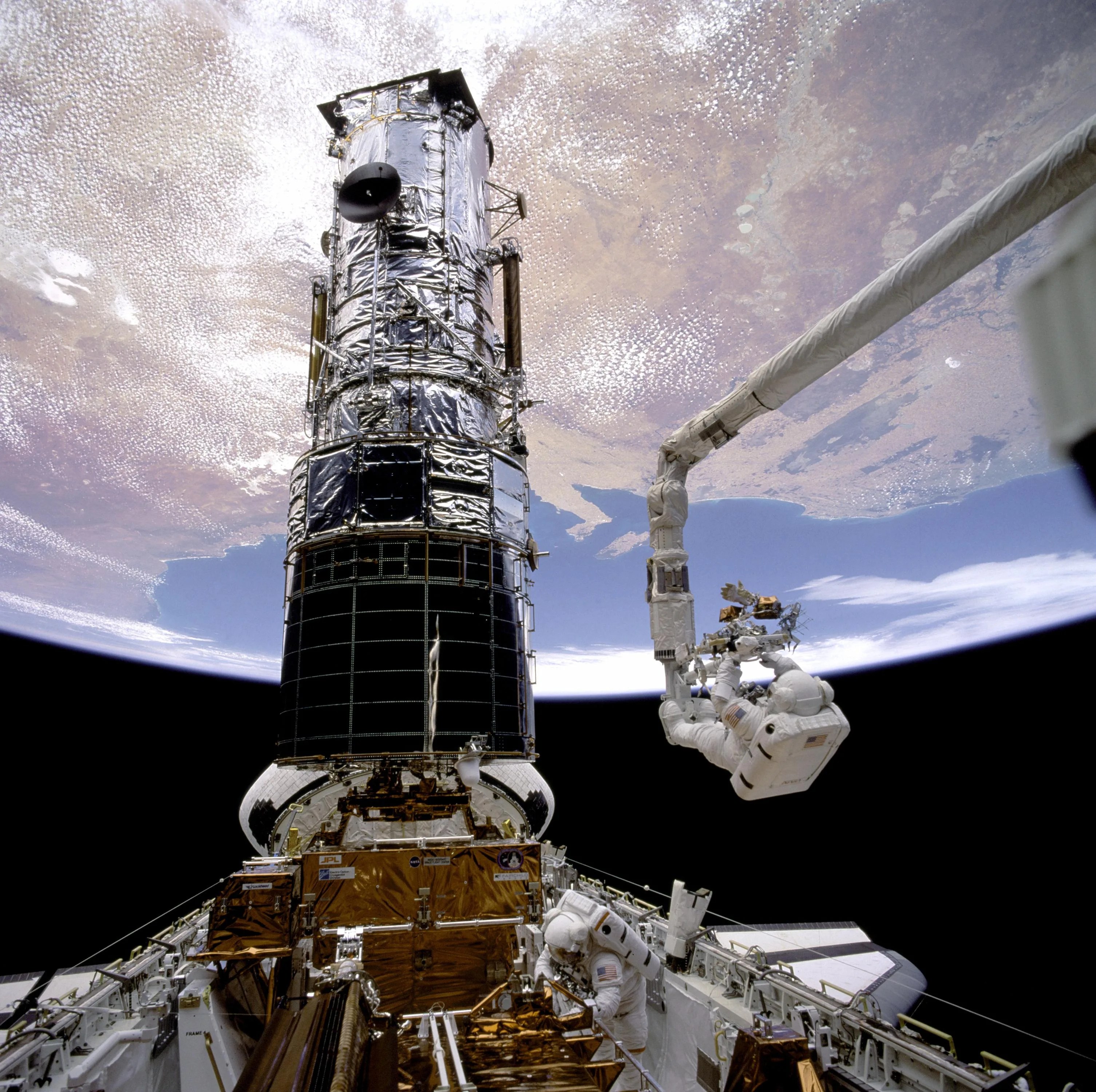
Launched in April 1990 aboard the Space Shuttle Discovery, Hubble was engineered with modularity in mind, allowing for five historic crewed servicing missions by NASA astronauts between 1993 and 2009. These missions upgraded instruments, repaired optics, and replaced failing gyroscopes, maximizing enterprise ROI on a platform whose initial development costs exceeded historical projections. However, with the retirement of the Space Shuttle fleet in 2011, Hubble was left without a dedicated, human-rated heavy-lift transport system capable of reaching its 540-kilometer orbit.
The catalytic shift occurred when aerospace giant SpaceX, in collaboration with the billionaire-backed Inspiration4 program and NASA’s Jet Propulsion Laboratory, floated an unsolicited Space Act Agreement study. The proposal evaluated the technical feasibility of utilizing a Crew Dragon spacecraft—modified with specialized docking hardware and robotic manipulators—to rendezvous with Hubble, boost it to a higher, more stable orbital regime, and potentially perform maintenance.
This initiative challenged conventional institutional risk aversion within the federal space agency. While NASA's internal engineering boards initially expressed caution regarding the mechanical stress a commercial docking maneuver might inflict on Hubble’s aging spaceframe, the mere existence of the proposal forced a systemic reassessment of what is technically achievable via modern cloud compute architecture, advanced robotics, and agile aerospace manufacturing.
Evaluating the Binary Path: Servicing Versus Deorbit
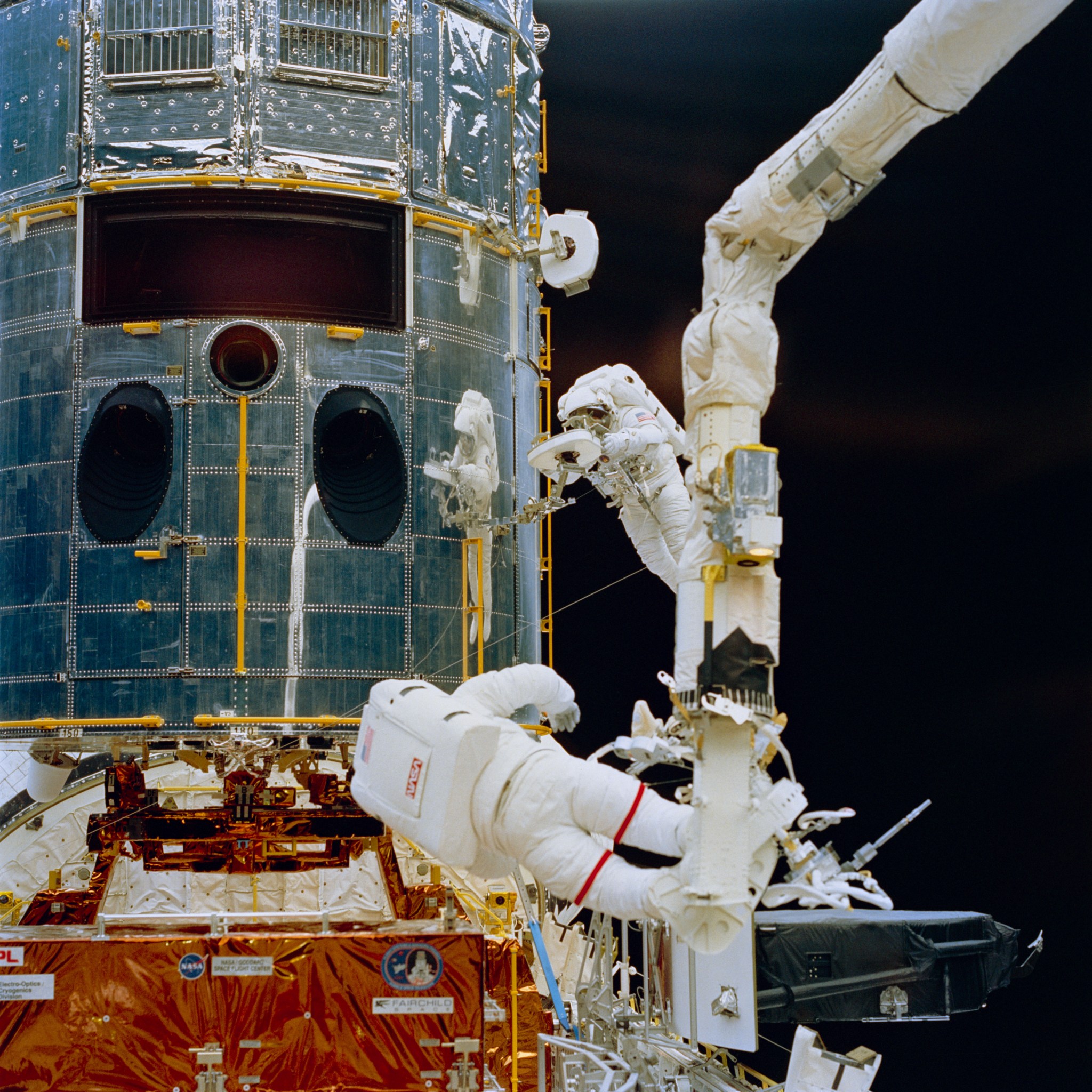
The strategic choice confronting NASA leadership can be bifurcated into two distinct operational vectors, each carrying profound financial, scientific, and geopolitical implications.
Path A: The Commercial Servicing and Reboost Paradigm
Executing a servicing mission would validate a new era of orbital infrastructure scalability. By deploying an uncrewed or commercially crewed spacecraft to attach a propulsion module to Hubble, engineers could elevate the telescope’s altitude by approximately 50 kilometers. This maneuver would theoretically secure Hubble’s operational viability well into the 2030s, allowing it to operate in tandem with the James Webb Space Telescope (JWST) and the upcoming Nancy Grace Roman Space Telescope.
However, the financial commitments and technical risk mitigation required for this path are immense. Hubble’s thermal insulation blankets have degraded significantly over decades of solar radiation exposure, making structural manipulation precarious. Furthermore, allocating federal resources toward legacy assets risks drawing capital away from next-generation deep-space exploration programs and planetary defense initiatives.
Path B: The Controlled Deorbit Mandate
Conversely, choosing a controlled deorbit means acknowledging the physical limits of an aging platform. As solar activity fluctuates, atmospheric density at Hubble’s altitude varies unpredictably, accelerating decay. To prevent an uncontrolled, hazardous re-entry over populated landmasses—a severe regulatory compliance violation under modern orbital debris mitigation frameworks—NASA would need to design and attach a custom propulsion system specifically engineered to guide Hubble safely into an uninhabited stretch of the South Pacific Ocean, colloquially known as the spacecraft cemetery.
While emotionally wrenching for the global astronomical community, this path provides absolute closure, mitigating long-term orbital congestion risks and freeing up spectrum, ground-station bandwidth, and budgetary allocations for future flagship missions.
Verified Data and Technical Metrics Breakdown
| Parameter | Hubble Original Specifications | Current Operational Status (2026 Projections) | Servicing vs. Deorbit Impact |
|---|---|---|---|
| Orbital Altitude | ~540 km Circular | Decayed to ~510 km | Servicing reboosts to 560 km; Deorbit initiates controlled descent. |
| Primary Mirror Diameter | 2.4 meters (Ultra-low expansion glass) | Fully functional; minor micrometeoroid pitting | Remains primary optical asset for ultraviolet astronomy. |
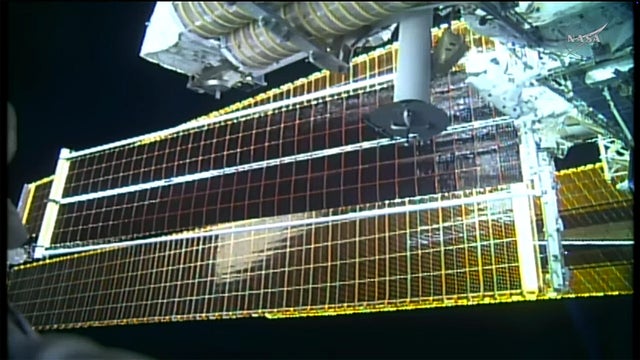
| Power Generation | 2 Solar Arrays (Rigid silicon cell panels) | Operating at ~70% nominal efficiency | Servicing mission could theoretically augment or replace power nodes. |
| Estimated Fiscal Exposure | $4.7 Billion (Initial Development through 1990) | ~$100M annual operational budget | Commercial rescue estimated between $100M - $300M privately funded. |
Industry & Market Implications: Winners, Losers, and Economic Shifts
The resolution of the Hubble debate carries cascading effects across the aerospace supply chain and commercial markets. Private-sector launch providers, orbital maneuvering vehicle (OMV) startups, and in-space servicing, assembly, and manufacturing (ISAM) enterprises stand as potential winners. A successful commercial servicing mission would instantly validate the market liquidity and valuation multiples of venture-backed aerospace firms specializing in orbital rendezvous and docking technology.
Conversely, traditional defense contractors heavily invested in monolithic, risk-averse government procurement models face a reputational and strategic challenge. If agile, non-traditional commercial players can successfully rescue a national scientific asset at a fraction of legacy bureaucratic costs, federal procurement paradigms will experience accelerated disruption.
On the macroeconomic front, academic institutions and research consortia that rely on Hubble’s unique ultraviolet observation capabilities represent clear stakeholders in the preservation camp. Without Hubble, a significant void remains in multi-wavelength astronomical pipelines, delaying critical peer-reviewed discoveries that eventually drive public enthusiasm and STEM educational funding.
Frequently Asked Questions (People Also Ask)
Why can't NASA just use the James Webb Space Telescope (JWST) to replace Hubble?
Answer: JWST and Hubble operate in fundamentally different electromagnetic spectra. While JWST is optimized for infrared astronomy—allowing it to peer through cosmic dust clouds to see the earliest galaxies—Hubble specializes in ultraviolet and visible light observations. They complement rather than duplicate each other's scientific capabilities, making Hubble's unique data streams irreplaceable for certain types of astrophysical research.
Who would pay for a commercial Hubble servicing mission?
Answer: Proposed servicing architectures—such as the study initiated by SpaceX and Polaris—rely on private capital and philanthropic partnerships rather than direct, taxpayer-funded congressional appropriations. This commercial funding model aims to demonstrate technical viability while minimizing federal financial exposure.
What happens if Hubble is left alone without a reboost or deorbit plan?
Answer: If left unmanaged, natural atmospheric drag will eventually cause Hubble's orbit to decay completely, leading to an uncontrolled and unpredictable re-entry into Earth's atmosphere. While much of the spacecraft would burn up during descent, heavy components like the primary mirror and structural bulkheads could survive, posing localized safety hazards and violating international orbital debris standards.
How long does NASA have before a final decision must be made?
Answer: The timeline is dictated entirely by solar cycle activity and atmospheric density fluctuations. As solar maximum conditions cause the upper atmosphere to expand, orbital decay accelerates. Agency insiders indicate that a definitive policy framework must be codified to prevent irreversible orbital loss.
Future Outlook: Milestones and Strategic Watchpoints
As NASA administrator panels synthesize data from engineering assessments and commercial proposals, industry analysts are tracking several key milestones. Watch for formal updates regarding NASA’s updated Space Act Agreements, potential congressional budget hearings addressing ISAM funding, and telemetry reports tracking Hubble's orbital degradation metrics.
Ultimately, whether Hubble receives a historic second wind via commercial intervention or is gracefully retired into the Pacific depths, the decision will permanently alter the economics of space exploration. It will establish whether humanity treats its orbital heritage as disposable infrastructure or as a reusable, maintainable asset class capable of enduring across generations.