TOKYO/WASHINGTON — Diplomatic friction between Washington and Tokyo escalated sharply today following the arrest of a U.S. Marine stationed in Okinawa on suspicion of involvement in a local killing. The Japanese Ministry of Foreign Affairs took the extraordinary step of summoning U.S. Ambassador to Japan Rahm Emanuel, delivering a formal and stern protest over the incident.
The high-profile arrest has once again ignited intense local fury across Okinawa prefecture, where residents have long protested the heavy concentration of American military installations. The unfolding crisis threatens to disrupt delicate bilateral security talks and reopens deep-seated debates regarding the legal protections afforded to foreign military personnel under the decades-old Status of Forces Agreement (SOFA).
The Incident and Immediate Diplomatic Fallout
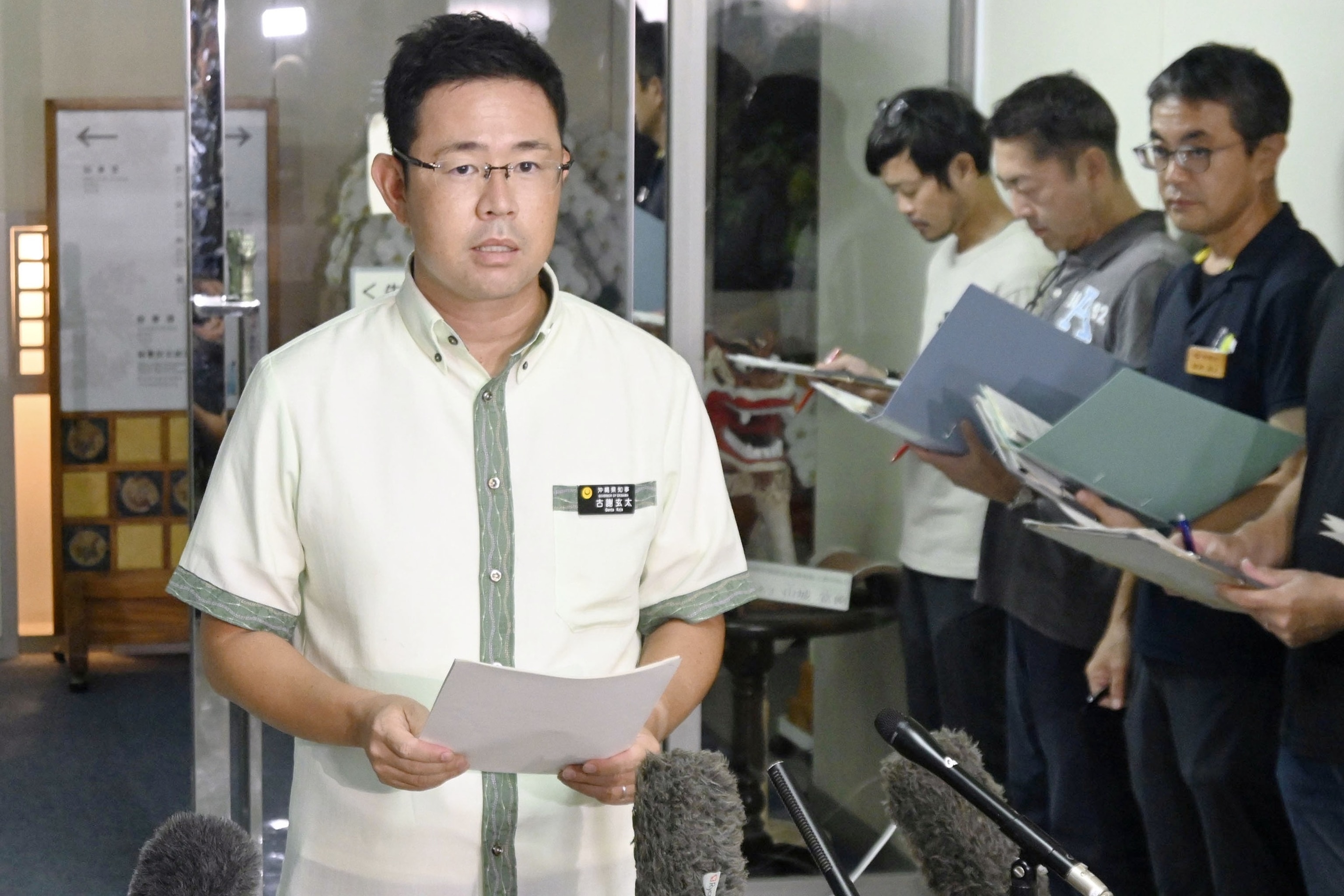
According to local law enforcement and defense officials, the U.S. service member was taken into custody by Japanese authorities following an investigation into a violent altercation that resulted in a civilian fatality. While specific details regarding the victim and the precise nature of the charges remain tightly restricted pending formal indictments, the incident has triggered immediate political shockwaves.
Japan’s Vice Minister for Foreign Affairs summoned Ambassador Emanuel to the ministry headquarters in Tokyo to register an official reprimand. During the closed-door meeting, Japanese officials described the incident as deeply regrettable, demanding full transparency from the U.S. military and strict cooperation with local investigators to ensure accountability.
The U.S. Embassy in Tokyo responded swiftly, issuing a statement expressing profound condolences to the victim’s family and pledging absolute cooperation with Japanese law enforcement agencies. "We take all allegations of misconduct involving our service members extremely seriously," the embassy statement noted, emphasizing that the command structure is working closely with host-nation authorities.
Key Details at a Glance
| Metric / Detail | Status / Fact |
|---|---|
| Primary Incident | Arrest of a U.S. Marine on suspicion of involvement in a local killing |
| Location | Okinawa Prefecture, Japan |
| Diplomatic Action | Japan Ministry of Foreign Affairs summoned U.S. Ambassador Rahm Emanuel |
| Legal Framework | U.S.-Japan Status of Forces Agreement (SOFA) governing jurisdiction |
| Local Impact | Renewed protests, political fallout, and calls for military base footprint reduction |
Why This Matters: Geopolitics and the SOFA Debate
The island prefecture of Okinawa hosts the vast majority of U.S. military personnel stationed in Japan, serving as a critical strategic hub for American power projection in the Indo-Pacific region. However, the heavy military presence has historically been a lightning rod for domestic political friction.
Crimes committed by U.S. service members against local Okinawan citizens have historically triggered massive public outcry, mass demonstrations, and fierce demands to revise the U.S.-Japan Status of Forces Agreement. Critics argue that SOFA often shields American personnel from swift Japanese jurisdiction, creating a perception of impunity.
- Strategic Vulnerability: The timing complicates ongoing efforts by Washington and Tokyo to deepen military interoperability in the face of rising regional threats from China and North Korea.
- Domestic Pressure: Okinawan Governor and local lawmakers are facing immense pressure from constituents to demand immediate curfews, restricted off-base privileges, and a comprehensive review of base operations.
- Bilateral Trust: Senior diplomats must move quickly to contain the political fallout and prevent the incident from eroding public support for the broader U.S.-Japan security alliance.
Historical Context and Structural Tensions
To understand the gravity of the current summons, analysts point to a long history of high-profile criminal cases involving U.S. military personnel in Okinawa. Incidents spanning decades have routinely mobilized the local population, leading to prolonged standoffs between the central government in Tokyo and local municipal leaders.
While Washington frequently implements strict conduct regulations and curfews following such incidents, critics within Japan argue that behavioral crackdowns fail to address the fundamental structural friction. The concentration of military assets in Japan’s southernmost prefecture remains one of the most volatile domestic issues in modern Japanese politics.
Future Outlook: What Markets and Diplomats Are Watching
As the legal process unfolds, financial markets and defense analysts are closely monitoring how both governments handle the crisis. Key indicators to watch in the coming days include:
- Jurisdictional Handover: Whether Japanese prosecutors will formally indict the suspect before any transfer under SOFA provisions occurs.
- Policy Adjustments: Potential announcements from U.S. Forces Japan (USFJ) regarding sweeping behavioral restrictions or base lockdowns across Okinawa.
- Legislative Pressure: Calls within the National Diet for a formal renegotiation of the Status of Forces Agreement to grant Japanese authorities primary custody in major criminal investigations.
With Indo-Pacific security architecture depending heavily on seamless cooperation between Tokyo and Washington, swift and transparent handling of this tragedy will be critical to preventing long-term diplomatic damage.
Frequently Asked Questions
Why was the U.S. Ambassador summoned by Japan?
The Japanese Ministry of Foreign Affairs summoned Ambassador Rahm Emanuel to lodge a formal, high-level protest following the arrest of a U.S. Marine accused of involvement in a local killing in Okinawa, demanding full accountability and cooperation.
How does the Status of Forces Agreement (SOFA) affect this case?
SOFA outlines the legal framework governing U.S. military personnel in Japan, including jurisdictional rules over crimes committed off-duty. While Japan can request custody, the agreement frequently complicates local prosecution and remains a deeply contentious political issue.