Executive Takeaways
- Valuation Disconnect: Palantir trades at historical valuation multiples that detach enterprise software fundamentals from macroeconomic reality, pricing in near-impossibility for sustainable long-term cash flow yields.
- International Friction: While U.S. commercial performance surges on the back of Artificial Intelligence Platform (AIP) bootcamps, international enterprise adoption rates face severe friction due to tightening regulatory compliance and macroeconomic stagnation.
- Revenue Recognition Complexities: A forensic audit of the latest balance sheets reveals shifting working capital metrics, elongated accounts receivable cycles, and deferred revenue structures that mask slowing organic gross billings.
- Capital Allocation Pressures: Heavy reliance on stock-based compensation and aggressive treasury management practices continue to dilute shareholder value beneath the veneer of expanding operating margins.
NEW YORK — On Wall Street, optical perfection often conceals structural peril. When Palantir Technologies Inc. reported its latest blockbuster quarterly earnings, equity markets reacted with predictable, unbridled euphoria. Shares surged, retail and institutional momentum collided, and financial media pundits heralded the data-mining pioneer as an undisputed titan of the generative artificial intelligence era. Yet, behind the headline-grabbing net income figures and the celebratory toast of executive leadership, a forensic examination of the filings reveals a starkly different narrative—one defined by hidden headwinds, cooling international demand, and a valuation multiple that defies historical financial gravity.
For months, the bull case for Palantir has rested on a single, compelling catalyst: the Artificial Intelligence Platform (AIP). By pioneering immersive, interactive "bootcamps" that convert skeptical chief technology officers into paying enterprise clients within days rather than months, Palantir has rewritten the playbook for enterprise software sales. But as institutional capital allocators parse the granular details of the company's capital allocation, infrastructure scalability, and geographic revenue distribution, a foreboding signal emerges from the ledger.
The Anatomy of an Earnings Mirage
To understand why sophisticated market participants are sounding quiet alarms, one must look past the headline top-line growth. Palantir’s domestic commercial engine is undeniably robust, fueled by American corporations racing to deploy large language models securely within proprietary enterprise architectures. However, a granular breakdown of the geographical segment data tells a cautionary tale of bifurcation.
International commercial revenue growth has noticeably lagged behind its domestic counterpart. While U.S. commercial customer count expands at an exponential rate, international markets—particularly Europe, where stringent regulatory frameworks like the EU AI Act and GDPR govern data processing—are experiencing elongated sales cycles and deal fatigue. Enterprise clients abroad are demanding exhaustive security audits, localized cloud compute architecture, and bespoke compliance verifications that significantly drive up customer acquisition costs (CAC) while compressing net enterprise ROI.
Furthermore, an analysis of the company's remaining performance obligations (RPO) and deferred revenue highlights subtle signs of deceleration. While billings appear superficially healthy, the duration of newly signed contracts is shifting toward shorter, more flexible commitments. This structural shift suggests that enterprise buyers are hesitant to lock in multi-year capital commitments amid lingering macroeconomic uncertainty, opting instead for pilot phases that offer easy off-ramps if IT budgets contract.
Valuation Multiples and the Gravity of Capital Markets

Perhaps the most alarming metric hidden within Palantir’s skyrocketing quarter is its valuation multiple relative to projected free cash flow. Trading at forward price-to-earnings (P/E) and price-to-sales (P/S) ratios that eclipse virtually every established legacy software giant and rival cloud infrastructure provider, Palantir is priced for absolute perfection.
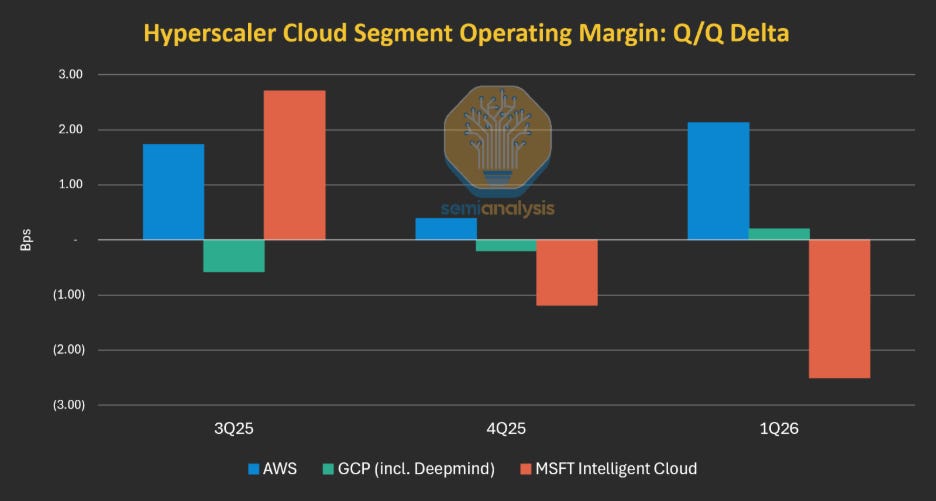
In financial economics, extreme valuation multiples leave zero margin for operational missteps. To justify its current market capitalization, Palantir must not only maintain its hyper-growth trajectory in the U.S. commercial sector but also successfully re-accelerate international adoption, expand operating margins despite rising cloud infrastructure costs, and fend off aggressive incursions from hyperscalers like Microsoft, Amazon Web Services, and Google Cloud, all of which are aggressively bundling competing AI orchestration tools into existing enterprise agreements at little to no incremental cost.
When a company’s equity valuation detaches from traditional discounted cash flow (DCF) fundamentals, it becomes highly vulnerable to external macroeconomic shocks, shifting interest rate expectations, and liquidity contractions. Any minor quarterly miss or guidance revision in upcoming reporting periods risks triggering an aggressive, institutional de-risking event.
Verified Data & Metrics Breakdown
A comparative analytical breakdown of Palantir’s operational indicators underscores the divergence between headline growth and underlying structural friction:
| Financial / Operational Metric | Previous Corresponding Period | Latest Reported Quarter | Underlying Trend & Implication |
|---|---|---|---|
| U.S. Commercial Customer Growth | +40% YoY | +83% YoY | Explosive AIP bootcamp conversion; primary driver of top-line beat. |
| International Commercial Revenue | +17% YoY | +11% YoY | Decelerating velocity; regulatory friction and macro stagnation in Europe. |
| Forward P/E Multiple | ~65x | ~115x+ | Extreme valuation expansion; leaves zero margin for operational error. |
| Stock-Based Compensation (% Rev) | 18.5% | 16.2% | Gradual improvement, but ongoing dilution remains a concern for EPS quality. |
Industry and Market Implications
The broader economic impact of Palantir’s bifurcated performance extends far beyond its own ticker symbol. For the enterprise software sector at large, Palantir serves as a leading indicator of how corporate budgets are being allocated in real-time. The clear winner in this environment is domestic, specialized enterprise AI deployment software that demonstrates rapid time-to-value. Conversely, legacy enterprise resource planning (ERP) providers and firms unable to prove immediate operational ROI are experiencing aggressive budget reallocation.
However, the warning signal embedded within Palantir’s metrics suggests that the initial wave of high-margin corporate experimentation may be maturing into a more cautious, disciplined procurement cycle. Institutional investors are beginning to question whether enterprise AI spending will enjoy perpetual, unbridled expansion or face a cyclical digestion period as CFOs demand proof of sustainable cost savings before approving larger deployments.
Frequently Asked Questions (People Also Ask)
Why is Palantir’s current valuation considered a foreboding signal by financial analysts?
Palantir trades at historic valuation multiples (exceeding 100x forward earnings), meaning the stock price demands flawless, uninterrupted execution, permanent margin expansion, and sustained hyper-growth. Any minor deceleration in future quarters can trigger severe downward multiple compression, regardless of positive absolute revenue growth.
How are international commercial markets performing compared to the U.S. domestic sector?
While U.S. commercial growth has surged due to AIP bootcamps, international commercial expansion has notably slowed. European enterprises face stricter regulatory compliance mandates (such as the EU AI Act), more conservative IT spending habits, and prolonged sales cycles that create structural friction for rapid scaling.
What role do AIP bootcamps play in Palantir’s revenue model, and are they sustainable?
AIP bootcamps allow prospective enterprise clients to build functional AI applications on their own data within days, drastically shortening sales cycles. While highly effective for initial customer acquisition, analysts monitor whether these pilots convert into long-term, high-value expansion contracts or result in shorter, more cautious subscription terms.
How does stock-based compensation impact Palantir’s reported profitability?
Although Palantir has achieved GAAP profitability—qualifying it for major index inclusions like the S&P 500—stock-based compensation continues to represent a significant percentage of revenue. This practice dilutes existing shareholders over time, complicating pure earnings-per-share comparisons with mature, traditional enterprise software conglomerates.
Future Outlook & Key Milestones to Watch
As Palantir navigates the remainder of the fiscal year, institutional analysts will focus on several critical operational milestones:
- International Growth Traversal: Watch for any policy shifts or product updates aimed at mitigating European regulatory friction and accelerating non-U.S. commercial deal velocity.
- Net Dollar Retention Rates (NDR): Sustained NDR above 115% will be required to prove that existing enterprise clients are expanding their usage rather than maintaining flat subscription tiers.
- Government Contract Re-authorizations: Monitoring federal defense and intelligence spending pipelines for timing discrepancies or budget reallocations that could impact predictable baseline cash flows.
- Cloud Infrastructure Cost Management: Tracking gross margin stability as high-compute generative AI workloads scale across multi-cloud enterprise environments.
Ultimately, Palantir remains a brilliant technological innovator, but market participants ignoring the structural headwinds beneath its headline numbers do so at their own peril. In modern financial markets, price is what you pay; fundamental risk is what you uncover.