
Executive Takeaways
- Critical Milestone: United Launch Alliance (ULA) is preparing its heavy-lift Vulcan Centaur rocket for a high-stakes return to flight, scheduled ominously for Friday the 13th.
- Commercial & National Security Pressures: The mission carries immense risk mitigation weight, serving as the gateway to fulfilling a multi-billion-dollar backlog for both commercial broadband constellations and Department of Defense national security payloads.
- Supply Chain and Capital Implications: The launch window tests not only engineering fixes derived from previous anomaly investigations but also the operational cadence required to maintain competitive valuation multiples against SpaceX.
- Infrastructure Scalability: Success validates the Centaur V upper stage architecture, a cornerstone of ULA's long-term enterprise ROI and infrastructure scalability strategy.
CAPE CANAVERAL, Fla. — In the high-stakes theater of global aerospace, perception and precision are inextricably linked. For United Launch Alliance (ULA)—the 50-50 joint venture between defense titans Boeing and Lockheed Martin—the upcoming return-to-flight mission of its next-generation Vulcan rocket on Friday the 13th is much more than a routine trip to orbit. It is a critical stress test of engineering resilience, regulatory compliance, and market viability at a time when institutional capital and government stakeholders demand flawless execution.
The launch, slated for Cape Canaveral Space Force Station, follows months of exhaustive investigation, design reviews, and rigorous risk mitigation protocols triggered by anomalies observed during earlier flight testing. For an industry where infrastructure scalability dictates enterprise valuation and national security posture, every second of telemetry on Friday the 13th will be scrutinized by aerospace executives, Wall Street defense analysts, and Pentagon procurement officials alike.
The Catalyst: Anatomy of a Return-to-Flight Campaign
Test Our Free AI & Tech Utilities Suite
Calculate LLM API token costs, analyze article dwell-time, or simulate tech DCA returns.
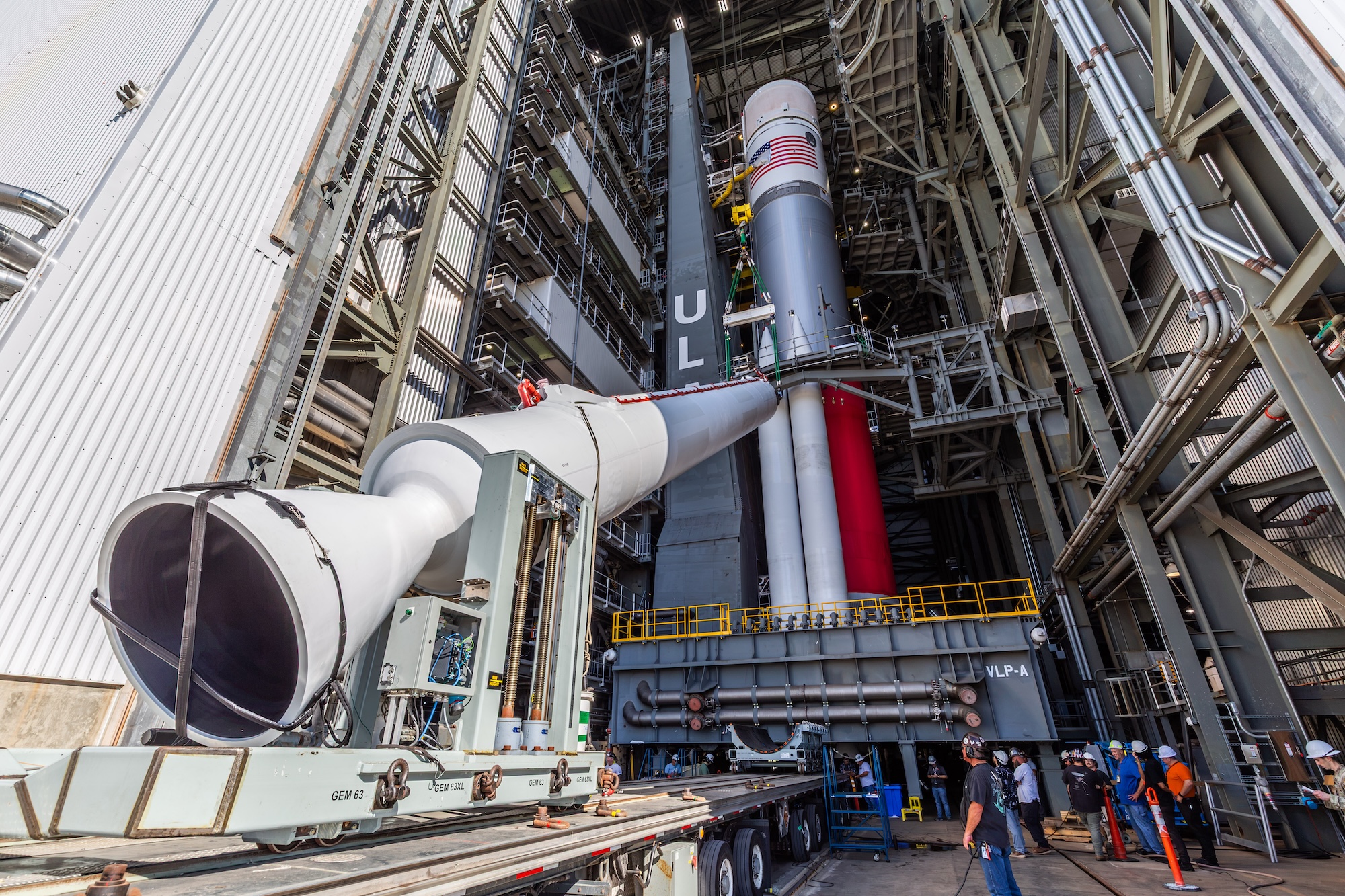
The path to the launchpad has been paved with meticulous forensic engineering. Following anomalies encountered in the early developmental flight phase of the Vulcan program, ULA’s engineering teams, under the leadership of executive management, initiated comprehensive diagnostic sweeps across the rocket’s propulsion and structural subsystems. The focus centered heavily on the BE-4 methane-fueled engines supplied by Blue Origin and the advanced Centaur V upper stage.
In the aerospace sector, capital allocation is unforgiving. A grounded fleet represents not only locked-up cash flow and deferred revenue recognition, but also cascading delays for tier-one customers who rely on scheduled orbital insertion to maintain their own enterprise ROI. ULA’s executive board recognized that a piecemeal fix would be insufficient; instead, the company undertook an exhaustive overhaul of quality assurance processes, thermal protection applications, and exhaust nozzle structural margins.
Market liquidity and customer confidence hung in the balance. Competitors like SpaceX have weaponized rapid cadence and iterative failure models to capture commanding market share, forcing legacy providers like ULA to pivot toward a hybrid model of meticulous engineering heritage combined with accelerated, agile deployment. Friday the 13th serves as the empirical proof point of whether this cultural and operational evolution has taken root.
Engineering the Centaur V and the Enterprise Value Proposition
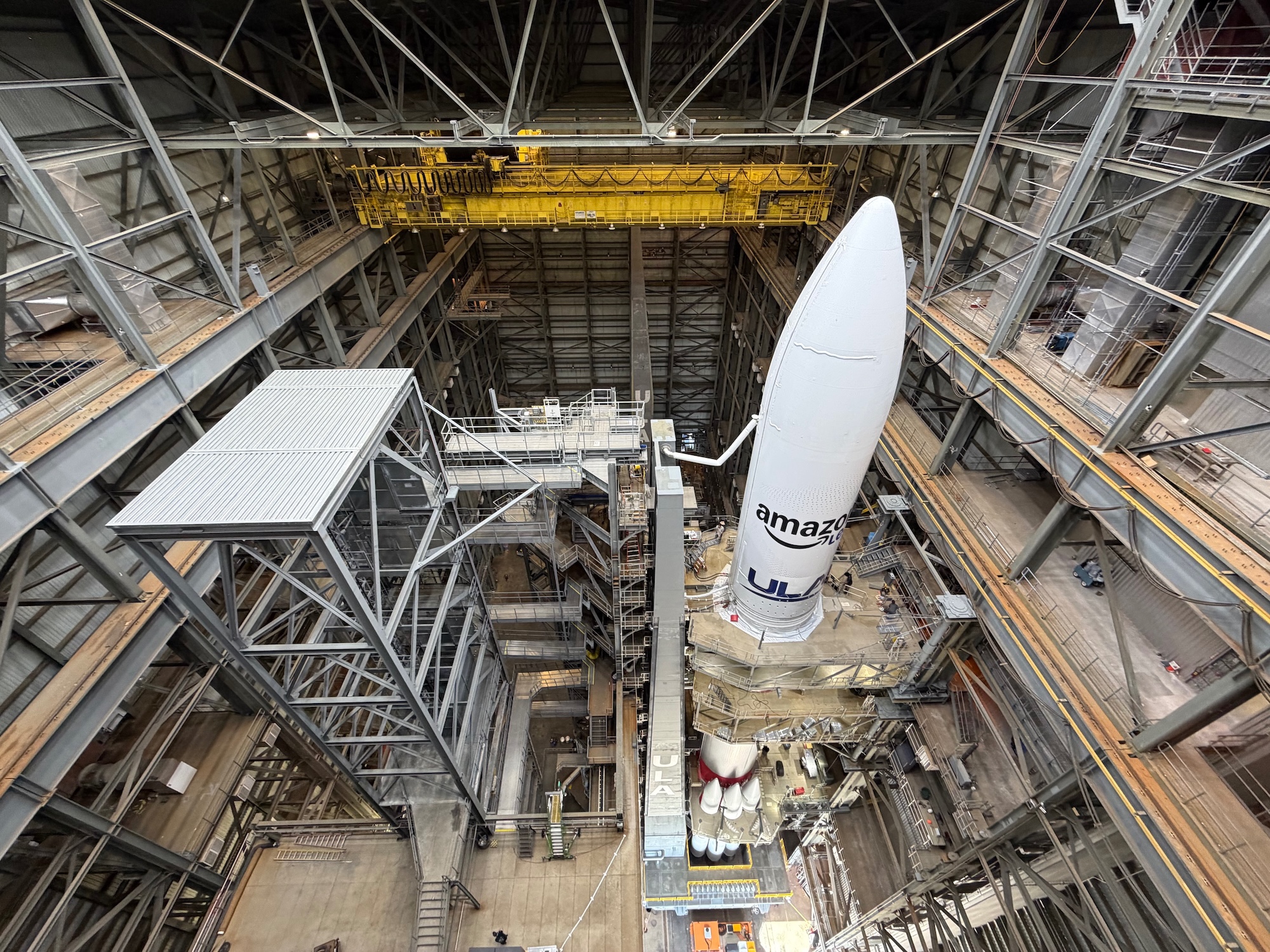
At the heart of the Vulcan architecture is the Centaur V upper stage, a technological leap designed to provide unprecedented performance, high-energy direct-to-geostationary insertion capabilities, and long-duration coast times. The Centaur V utilizes high-performance liquid hydrogen and liquid oxygen, maximizing specific impulse to satisfy the demanding orbital insertion requirements of the United States Space Force and commercial mega-constellations.
However, increased performance introduces complex thermal and structural dynamics. The anomalies that prompted the current hiatus were traced to specific localized interactions within structural interfaces during intense aerodynamic heating phases. Addressing these vulnerabilities required sophisticated computational fluid dynamics, ground-based vibration testing, and strict regulatory compliance audits involving both Federal Aviation Administration (FAA) oversight and Department of Defense mission assurance teams.
From a financial perspective, the Vulcan program is the bridge to ULA’s future. With the venerable Atlas V and Delta IV Heavy rockets nearing the final stages of their operational lifecycles—with remaining Atlas V flights heavily committed to Amazon’s Project Kuiper broadband network—Vulcan must absorb the entirety of ULA's heavy-lift manifest. Any systemic failure would introduce catastrophic risks to the firm's balance sheet, while a successful flight unlocks the steady cash flow required to sustain long-term competitiveness in an increasingly congested launch market.
Verified Data & Metrics Breakdown
| Metric / Parameter | Legacy System (Atlas V) | Next-Gen System (Vulcan Centaur) | Strategic Impact |
|---|---|---|---|
| First Stage Propulsion | RD-180 (Russian-supplied kerosene/LOX) | BE-4 (U.S.-built methane/LOX, 2 engines) | Eliminates geopolitical supply chain dependency. |
| Upper Stage | Centaur III | Centaur V (Enhanced diameter & cryo capacity) | Extends orbital coast time and payload capacity. |
| Maximum LEO Capacity | ~18,800 kg | Up to 27,200 kg (Configurable with solid boosters) | Meets heavy National Security Space Launch demands. |
| Backlog Value | Legacy manifest depleting | Multi-billion dollar multi-year manifest | Secures corporate revenue visibility through 2030s. |
Industry & Market Implications: Who Wins, Who Loses
The broader economic fallout of Friday’s launch extends far beyond the perimeter fence of Cape Canaveral. The global launch market is currently experiencing a structural supply deficit, driven by surging demand for low Earth orbit (LEO) constellations and classified national security payloads.
The Winners: If ULA executes a flawless flight, institutional confidence will rebound sharply. Commercial clients—most notably Amazon, which has contracted dozens of Vulcan launches for Project Kuiper—will see validation of their deployment timelines. Furthermore, the Pentagon’s National Security Space Launch (NSSL) program relies on a robust dual-provider strategy to ensure uninterrupted access to space. A successful Vulcan flight reassures defense planners that the nation’s critical asset delivery pipeline remains diversified and resilient against single-point failures.
The Pressured: Conversely, any deviation from mission parameters would trigger immediate regulatory reviews, compounded schedule slippage, and intense scrutiny from defense committees on Capitol Hill. In a market where capital efficiency and schedule adherence dictate valuation multiples, ULA cannot afford further margin compression. Competitors monitoring the telemetry will evaluate whether ULA can scale launch cadence to match the aggressive deployment economics demonstrated by private market leaders.
Frequently Asked Questions (People Also Ask)
Why is ULA's Vulcan return-to-flight considered critical for the aerospace industry?
The Vulcan rocket represents the successor to ULA’s retiring Atlas V and Delta IV rockets. Because ULA holds a massive multi-billion-dollar backlog for both commercial broadband constellations and Department of Defense national security missions, a successful return-to-flight is vital for maintaining delivery schedules, safeguarding defense infrastructure scalability, and ensuring a healthy dual-provider launch market.
What caused the delay that necessitated this return-to-flight mission?
The pause in flight operations followed comprehensive reviews and anomaly investigations regarding structural and thermal interactions during early developmental flight testing. Engineering teams implemented extensive mitigation strategies, including hardware redesigns and enhanced thermal protection, to guarantee structural integrity across extreme aerodynamic regimes.
How does the Vulcan rocket impact ULA's financial valuation and competitive standing?
Vulcan is the cornerstone of ULA's future revenue generation and capital allocation strategy. Successful operational scaling allows ULA to monetize its extensive launch backlog, protect its enterprise ROI, and maintain competitive valuation multiples against aggressive commercial rivals in the global heavy-lift launch sector.
Future Outlook: Milestones on the Horizon
As countdown procedures commence at Cape Canaveral, all eyes are locked on telemetry screens and meteorological updates. Friday the 13th will either be remembered as a superstitious quirk or the day ULA definitively turned the page on its developmental challenges, cementing Vulcan as a pillar of modern aerospace infrastructure.
Following a successful launch, ULA’s immediate operational focus will shift toward executing a rapidly accelerating flight cadence throughout the remainder of the decade. Key milestones include certifying the heavy-lift configuration with additional solid rocket boosters, ramping up factory throughput in Decatur, Alabama, and securing subsequent phases of NSSL contracts. For the architects of American spaceflight, the message is unequivocal: precision under pressure is the only currency that matters.


