Executive Takeaways
- Unprecedented Cadence: SpaceX officially closed out October by executing its 700th Falcon 9 launch, cementing the vehicle’s status as the most flown orbital-class rocket in history.
- Capital Allocation & Valuation Impact: The rapid launch cadence translates directly into formidable enterprise ROI, driving down cost-per-kilogram metrics and widening SpaceX’s moat against traditional aerospace incumbents.
- Infrastructure Scalability: The milestone highlights a mature cloud compute architecture-like operational model, where hardware reusability and rapid turnaround times dictate market liquidity and pricing power.
- Regulatory & Supply Chain Resilience: Achieving 700 flights demands flawless regulatory compliance with the FAA and relentless supply chain risk mitigation, setting a high benchmark for the broader commercial space economy.
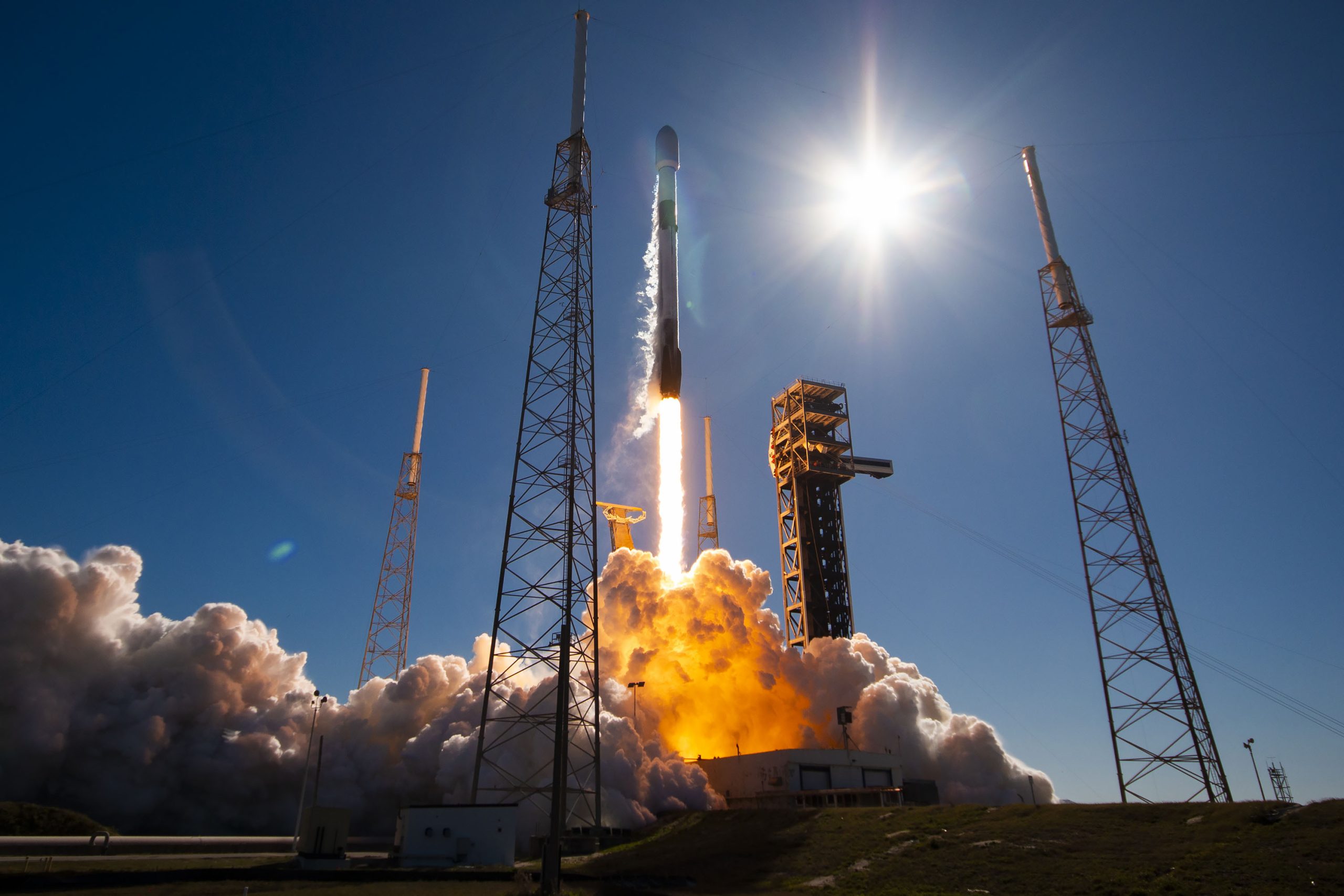
WASHINGTON & HAWTHORNE — When a Falcon 9 cleared the pad at Cape Canaveral Space Force Station in the waning hours of October, it did more than simply deliver another batch of payloads to low-Earth orbit. It marked a quiet yet seismic industry milestone: the 700th launch of the Falcon 9 rocket family. For an industry historically defined by exorbitant development costs, sluggish iteration cycles, and frequent program cancellations, the milestone represents a masterclass in infrastructure scalability, operational engineering, and capital allocation.
For financial analysts, institutional investors, and defense strategists tracking the commercial space sector, this 700th flight is not merely a vanity metric. It is tangible proof of a fundamentally restructured aerospace supply chain. By mastering booster reusability, rapid fairing recovery, and streamlined regulatory compliance, SpaceX has fundamentally altered the valuation multiples of the global launch services market, leaving legacy aerospace contractors scrambling to restructure their business models.
The Catalytic Evolution: From Uncertainty to Industrialized Routine
Test Our Free AI & Tech Utilities Suite
Calculate LLM API token costs, analyze article dwell-time, or simulate tech DCA returns.
To understand the gravity of the 700th Falcon 9 flight, one must examine the perilous financial and technical landscape of the early 2010s. When the Falcon 9 made its maiden voyage in June 2010, skeptics questioned whether a privately funded, liquid-fueled medium-lift vehicle could compete with state-backed monolithic programs. Early mission failures threatened to deplete the company's capital reserves, demanding rigorous risk mitigation and iterative engineering.
The true inflection point arrived with the successful vertical landing of a first-stage booster in December 2015. That single technical breakthrough decoupled launch costs from the price of raw manufacturing materials. By systematically amortizing the capital expenditure of building a first-stage booster across dozens of subsequent flights, SpaceX achieved unprecedented unit economics.
Today, the Falcon 9 operates with the mechanical predictability of commercial aviation. Turnaround times between individual booster flights have plummeted to record lows, sometimes measuring in the single-digit weeks. This high-frequency operational tempo has allowed SpaceX to capture an overwhelming majority of the global commercial launch market, while simultaneously servicing critical national security payloads for the U.S. Space Force and NASA.
Verified Data: The Falcon 9 Trajectory at a Glance
To contextualize the scale of this achievement, the following comparative metrics outline the evolution, performance benchmarks, and economic impact of the Falcon 9 program from inception to its 700th launch milestone.
| Metric / Parameter | Early Operations (2010–2015) | Mature Phase & Current Milestone (Oct 2024) |
|---|---|---|
| Total Successful Launches | 20 (Falcon 9 v1.0 & v1.1) | 700 (Cumulative Falcon 9 family) |
| Booster Reusability Rate | 0% (Expendable configuration) | >90% of total flights utilize flight-proven boosters |
| Record Single Booster Flights | 1 flight per booster | Up to 23 flights for a single first-stage booster |
| Estimated Cost Per Kilogram to LEO | ~$4,500 – $5,000 / kg | Sub-$1,500 / kg (internal and commercial pricing) |
| Primary Payload Drivers | Commercial GEO sats, NASA CRS-1 resupply | Starlink mega-constellation deployment, National Security Space Launch (NSSL) |
Industry & Market Implications: Winners, Losers, and Economic Shifts
The realization of 700 successful Falcon 9 launches sends shockwaves through the global aerospace supply chain, triggering a profound reassessment of market liquidity, capital allocation, and competitive strategy among legacy stakeholders.
The Winners: Vertical Integration and Agile Innovators
The primary beneficiaries of this milestone are SpaceX’s internal enterprise units—most notably the Starlink broadband division—and commercial entities requiring dependable, high-cadence access to space. By controlling the entire manufacturing, launch, and operational stack, SpaceX avoids the margin-stacking inefficiencies that plague traditional defense contractors. Furthermore, suppliers specializing in advanced avionics, high-grade carbon composites, and precision valving have scaled alongside SpaceX, enjoying secure, long-term revenue streams.
The Losers: Legacy Contractors and High-Cost Launch Providers
Conversely, traditional aerospace primes accustomed to cost-plus contracting models face severe pressure. European, Japanese, and domestic competitors who relied on expendable launch architectures find themselves priced out of commercial tenders. Investment firms are increasingly hesitant to finance expendable rocket programs, recognizing that the market has fundamentally shifted toward reusability. Without an operational reusable medium-to-heavy lift vehicle, legacy providers risk structural obsolescence.
Broader Economic and Geopolitical Impact
On a macro level, the sheer volume of Falcon 9 flights underpins the modern space economy. Earth observation startups, pharmaceutical research firms conducting microgravity experiments, and sovereign nations establishing domestic space agencies all rely on the predictable pricing established by SpaceX. In geopolitical terms, the United States maintains a decisive asymmetrical advantage in launch capacity, ensuring strategic deterrence and secure orbital logistics for Western allies.
Frequently Asked Questions (People Also Ask)
What makes the Falcon 9 rocket uniquely cost-effective compared to traditional rockets?
The primary cost-saving mechanism of the Falcon 9 is its pioneering first-stage booster reusability. By landing boosters propulsively back on drone ships or land pads, SpaceX avoids rebuilding expensive Merlin engines, avionics bays, and structural tanks for every flight. Additionally, standardized manufacturing lines, in-house component fabrication, and rapid turnaround times maximize asset utilization and drive down per-launch overhead.
How many times can a single Falcon 9 first-stage booster fly?
SpaceX has successfully flown individual first-stage boosters up to 23 times. Rigorous engineering inspections, refurbishment protocols, and continuous software updates allow the company to safely push operational limits while maintaining an exceptional reliability record.
What impact does the 700th launch have on SpaceX’s valuation and future capital plans?
Achieving 700 successful flights reinforces investor confidence in SpaceX’s operational predictability and cash-flow generation, particularly as revenue from the Starlink satellite internet constellation scales. It strengthens the company’s financial foundation as it shifts heavy capital expenditures toward the development and testing of Starship, its next-generation fully reusable deep-space transportation system.
Does Falcon 9 still handle national security missions alongside commercial payloads?
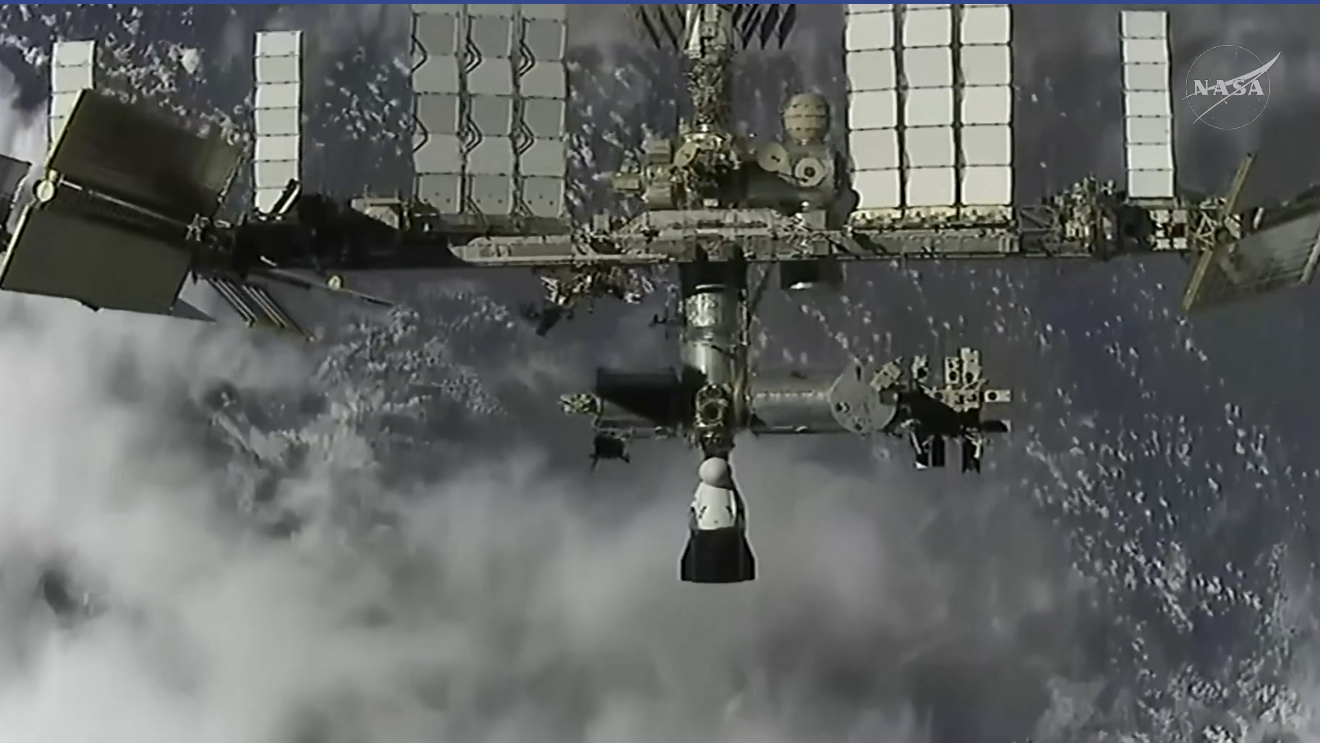
Yes. Alongside launching commercial communication satellites and internal Starlink payloads, the Falcon 9 is a trusted vehicle for the United States Space Force and NASA, regularly executing classified National Security Space Launch (NSSL) missions, crewed astronaut rotations to the International Space Station, and high-priority scientific planetary probes.
Future Outlook: Transitioning Toward Starship and Next-Gen Infrastructure
As SpaceX closes the books on an historic October marked by the 700th Falcon 9 flight, corporate leadership’s attention is already pivoting toward the horizon. While the Falcon 9 remains the operational backbone of global orbital delivery, the long-term strategic roadmap centers squarely on the evolution of Starship.
Over the coming quarters, market watchers will closely monitor how SpaceX manages the dual imperative of maintaining Falcon 9’s blistering launch cadence while accelerating the flight-test program for its fully reusable heavy-lift architecture. For enterprise clients and financial markets, the success of this transition will determine whether the cost of deploying orbital infrastructure drops by another order of magnitude.
Ultimately, the 700th Falcon 9 launch is not a destination, but a milestone in an ongoing industrial revolution. It proves that commercial discipline, rigorous engineering iteration, and aggressive risk mitigation can transform access to space from an elite scientific endeavor into an industrialized, high-liquidity global market.