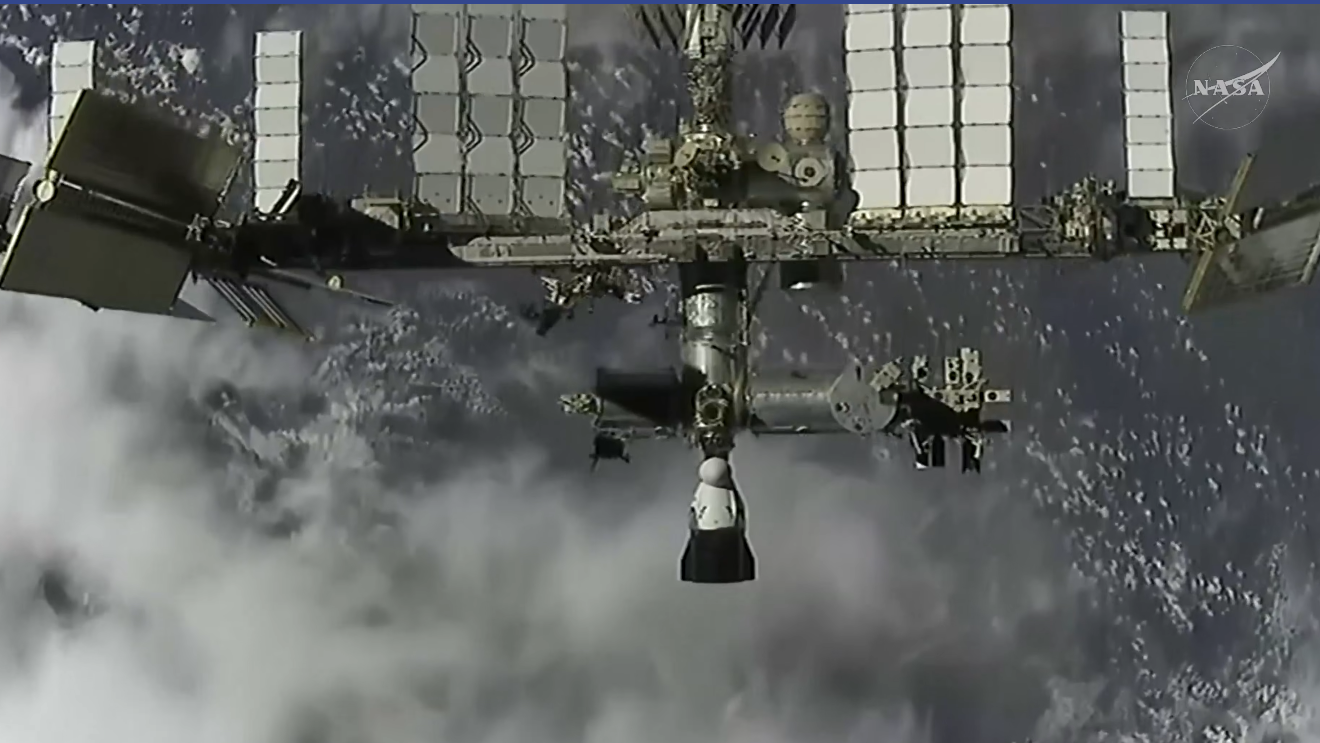
HAWTHORNE, Calif. & WASHINGTON — In an industry where operational margins are razor-thin and failure carries catastrophic capital loss, Space Exploration Technologies Corp. (SpaceX) has once again demonstrated absolute dominance in orbital supply chain engineering. The successful docking of the SpaceX Cargo Dragon to the International Space Station (ISS), delivering upwards of 6,000 pounds of vital scientific hardware, supplies, and technology demonstrators, represents far more than a routine celestial delivery. It is a masterclass in infrastructure scalability, risk mitigation, and commercial execution.
This latest resupply triumph occurred against a backdrop of dynamic operational shifts in low-Earth orbit (LEO). Just as the Cargo Dragon secured its automated berth to the orbiting laboratory, Northrop Grumman’s Cygnus XL cargo craft undocked, clearing the port and signaling a temporary handover in heavy-lift logistics responsibilities. For institutional investors, aerospace analysts, and global defense strategists, the transition encapsulates the evolving architecture of the $400 billion commercial space economy: agile, reusable, and heavily reliant on private-sector operational velocity.
The Logistics Mechanics: Inside the 6,000-Pound Manifest
Transporting 6,000-plus pounds of cargo into a microgravity environment traveling at 17,500 miles per hour requires uncompromising precision in cloud compute architecture, telemetry monitoring, and trajectory optimization. The Cargo Dragon manifest was packed with advanced payloads designed to push the boundaries of materials science, biotechnology, and deep-space communication.
Among the critical hardware delivered to the orbiting outpost are components intended to support long-duration human spaceflight, biological studies investigating cellular aging in microgravity, and next-generation environmental control systems. For enterprise stakeholders backing these scientific endeavors, the timely delivery of experimental payloads directly correlates with research ROI and regulatory compliance milestones required by space agencies and private corporate sponsors alike.
"The cadence of these flights has transformed the ISS from a fragile, high-risk research outpost into a reliable industrial park in the thermosphere," notes a senior aerospace equity analyst based in New York. "SpaceX isn't just launching rockets; they are operating the most demanding freight forwarding network in human history."
Broader Operational Context: Concurrent Constellation Deployments
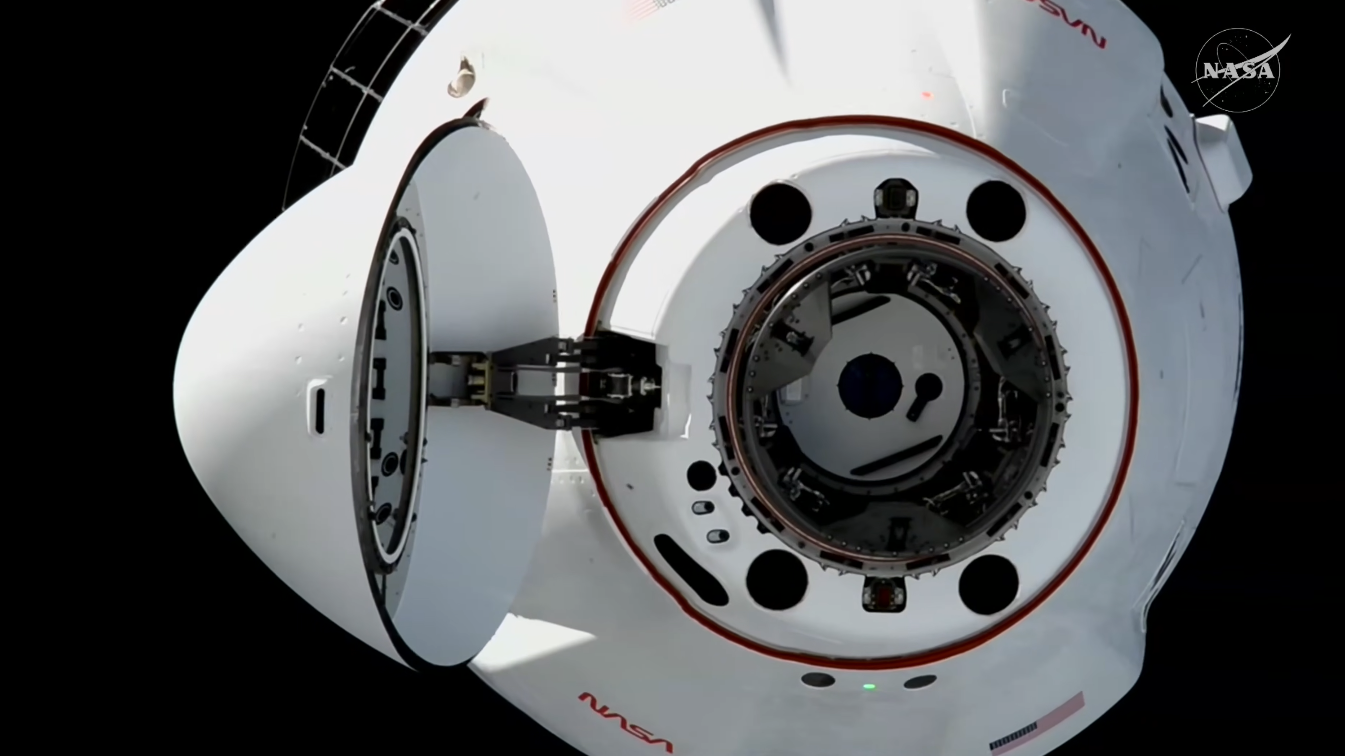
The Cargo Dragon mission did not occur in a vacuum. In typical fashion, SpaceX’s operational tempo spanned multiple launch sites and mission profiles simultaneously. While the Dragon automated its rendezvous with the ISS, a separate Falcon 9 launch sequence successfully injected 21 data transport satellites into low-Earth orbit, augmenting global broadband resilience and secure government communications networks.
This concurrent execution highlights a critical differentiator in modern market liquidity and operational capacity. While legacy aerospace primes struggle with supply chain bottlenecks, inflationary pressures, and fixed-price contract overruns, SpaceX’s vertically integrated manufacturing model—spanning rocket engines, avionics, parachutes, and pressure vessels—insulates the firm from broader industrial supply chain shocks.
Verified Data & Metrics Breakdown
To evaluate the scale and comparative efficiency of current orbital logistics operations, the following data matrix synthesizes key parameters across recent resupply architectures:
| Spacecraft / Vehicle | Primary Launch Provider | Cargo Capacity (Lbs) | Return Mass Capability | Strategic Status |
|---|---|---|---|---|
| Cargo Dragon (SpX-31 / Recent) | SpaceX (Falcon 9) | 6,000+ lbs | High (Splashdown recovery) | Active / Operational Dominance |
| Cygnus XL | Northrop Grumman | 8,200+ lbs | None (Destructive re-entry) | Departed / Transitioning |
| Progress MS | Roscosmos (Soyuz) | ~5,500 lbs | None (Destructive re-entry) | Active / Routine Cadence |
Industry & Market Implications: Who Wins, Who Loses
The economic ramifications of SpaceX's expanding orbital footprint reverberate far beyond NASA procurement budgets. As commercial space stations (such as Axiom, Blue Origin's Orbital Reef, and Voyager Space’s Starlab) prepare to replace the ISS over the next decade, reliable cargo transport is the foundational currency of the emerging LEO economy.
The Winners: SpaceX solidifies its valuation multiple, reinforcing arguments from private equity and institutional investors that the company operates in a category of its own. Furthermore, biotech firms and advanced manufacturing enterprises utilizing the ISS benefit directly from Cargo Dragon's unique capability to return physical scientific samples to Earth intact via parachute ocean splashdown—a feature absent in disposable cargo craft like Cygnus or Progress.
The Pressured: Traditional defense primes face mounting pressure to accelerate reusable rocket development and shed legacy cost structures. Without aggressive capital allocation toward vertical integration and reusability, competitors risk being priced out of both commercial resupply tenders and lucrative national security launch contracts.
Frequently Asked Questions (People Also Ask)
Q: How much cargo can the SpaceX Cargo Dragon transport to the ISS per mission?
A: The Cargo Dragon is capable of hauling more than 6,000 pounds (approximately 2,700 to 3,000 kilograms) of pressurized and unpressurized cargo to the International Space Station per flight, structured across specialized internal lockers and external trunk configurations.
Q: What happens to Northrop Grumman's Cygnus spacecraft after it departs the ISS?
A: Unlike SpaceX's Cargo Dragon—which features a heat shield and parachute system designed to survive re-entry and deliver experiments back to Earth—Northrop Grumman's Cygnus is designed for destructive re-entry. Upon departure, it safely burns up in Earth's atmosphere, disposing of ISS refuse and trash.
Q: Why is cargo return capability crucial for commercial research in low-Earth orbit?
A: Return mass capability allows researchers in pharmaceuticals, fiber optics, and metallurgy to physically retrieve crystalline structures, biological samples, and manufactured alloys grown in microgravity. Without physical return, deep laboratory analysis on Earth is impossible, severely limiting commercial ROI.
Future Outlook: Milestones and Catalysts to Watch
Looking ahead, market participants will monitor several key inflection points over the next 12 to 24 months. First, NASA's transition timeline from the ISS to commercial LEO destinations will test whether private space stations can meet technical and safety compliance standards without interruption to ongoing scientific workflows.
Second, as SpaceX continues to scale its Starship vehicle architecture, industry observers will evaluate how heavy-lift super-systems eventually absorb or disrupt traditional Dragon cargo mission profiles. For financial institutions and aerospace strategists, maintaining rigorous risk mitigation protocols while capturing growth in the expanding orbital economy will remain the defining mandate of the decade.