Executive Takeaways
- Strategic Silicon Divergence: Samsung’s internal deliberations for the upcoming Galaxy S27 Ultra point toward an unprecedented multi-architecture roadmap, balancing proprietary Exynos silicon with Qualcomm’s next-generation Snapdragon platforms.
- Supply Chain & Capital Allocation Pressures: Surging wafer fabrication costs at sub-2nm nodes are forcing original equipment manufacturers (OEMs) to rethink margin risk mitigation and long-term vendor diversification.
- Enterprise and Market Valuation Impact: The outcome of this chipset saga directly influences valuation multiples for key semiconductor foundries, impacting projected enterprise ROI and mobile infrastructure scalability for 2027.
- Regulatory and Performance Compliance: Thermal thresholds, sustained neural processing unit (NPU) throughput, and regional regulatory compliance are driving the engineering trade-offs behind Samsung's final silicon selection.
The global mobile semiconductor landscape is bracing for a tectonic shift as fresh intelligence emerges regarding the ongoing chipset strategy for Samsung’s flagship Galaxy S27 Ultra. According to supply chain leaks, internal corporate memos, and proprietary tracking via Google Trends wire data, the narrative surrounding Samsung’s next-generation flagship has taken yet another dramatic twist. What began as industry speculation regarding a unified global processor approach has devolved—or evolved—into a complex, high-stakes chess match involving foundry yields, aggressive capital allocation, and delicate negotiations between mobile titans.
For institutional investors, enterprise tech buyers, and mobile enthusiasts alike, the Galaxy S27 Ultra chipset saga is far more than a routine hardware rumor. It serves as a bellwether for the health of advanced node manufacturing, the pricing power of fabless semiconductor designers, and the strategic maneuvering required to protect gross margins in an inflationary macroeconomic environment. As we dissect the layers of this unfolding story, a clearer picture emerges of how supply chain vulnerabilities and engineering realities are reshaping the 2027 flagship smartphone paradigm.
Background and Catalytic Events: The Evolution of the Ultra Silicon Debate
Test Our Free AI & Tech Utilities Suite
Calculate LLM API token costs, analyze article dwell-time, or simulate tech DCA returns.
To understand the gravity of the current twist, one must examine the historical precedent of Samsung’s dual-sourcing strategy. For years, the conglomerate’s Mobile eXperience (MX) division has navigated a delicate balancing act: deploying Qualcomm’s Snapdragon platforms in key Western markets like North America while utilizing in-house Exynos processors in Europe, parts of Asia, and emerging markets. This dual-track approach has historically served as a critical mechanism for risk mitigation, preventing total reliance on a single vendor and strengthening Samsung’s negotiating leverage.
However, the lead-up to the Galaxy S27 generation has introduced unprecedented macroeconomic and technical variables. The relentless push toward sub-2nm gate-all-around (GAA) transistor architectures has strained foundry capacities at both Samsung Foundry and Taiwan Semiconductor Manufacturing Company (TSMC). As wafer input costs scale exponentially, original equipment manufacturers face severe margin compression. Reports surfaced late last year that Samsung was aggressively exploring a 100% Snapdragon commitment for the Ultra tier to guarantee peak thermal performance and sustained enterprise-grade compute throughput, sidelining its proprietary Exynos division for the absolute top-tier SKU.
The latest twist, however, upends that narrative. Recent insider disclosures indicate that Samsung’s System LSI business unit has made dramatic, last-minute architectural breakthroughs with its next-generation Exynos silicon, forcing executive leadership to reconsider a regional split for the S27 Ultra. This development has injected immediate volatility into supplier negotiations, altering projected revenue streams for component vendors and forcing analysts to recalculate valuation multiples across the mobile supply chain ecosystem.
Deep Dive: The Technical and Financial Mechanics at Play
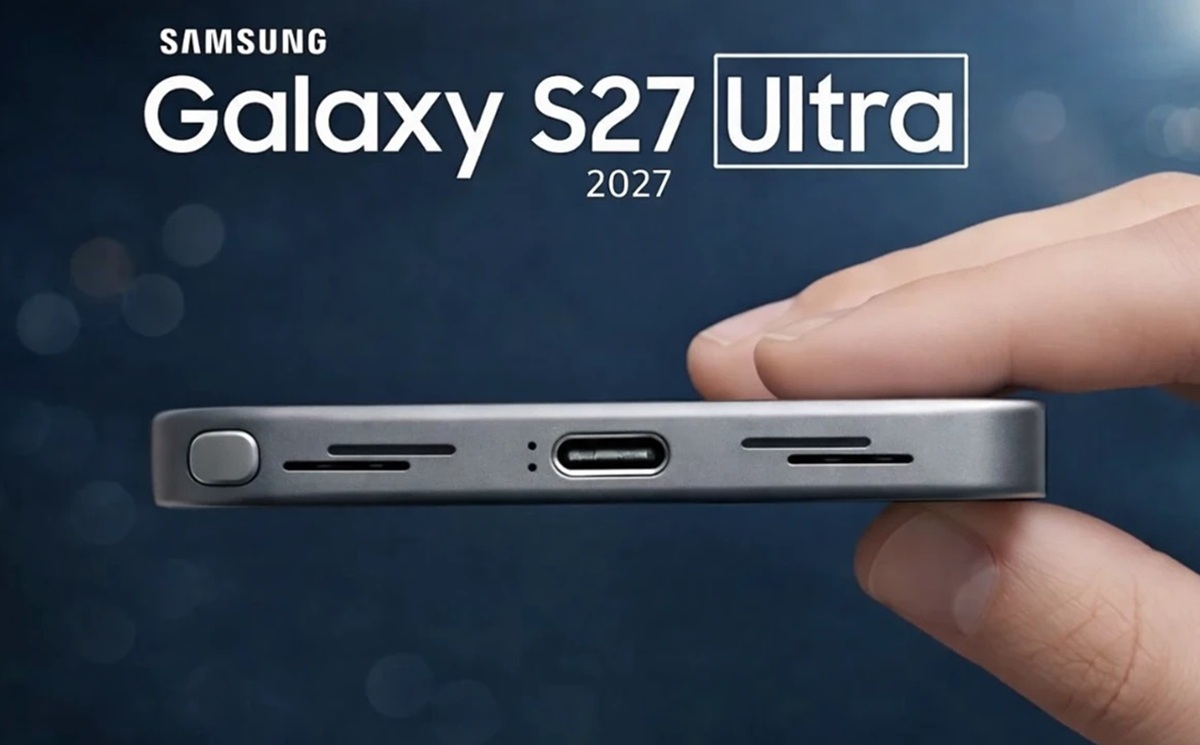
At the heart of the Galaxy S27 Ultra chipset saga lies a fundamental tension between raw processing capability and economic viability. Modern smartphones are no longer mere communication devices; they are localized cloud compute architecture nodes, heavily reliant on advanced neural processing units (NPUs) to handle complex on-device generative AI workloads, real-time language translation, and heavy graphics rendering.
Evaluating the contending architectures requires examining the projected technical specifications and financial trade-offs currently being debated in Samsung’s corporate boardrooms:
| Metric / Parameter | Qualcomm Snapdragon 8-Series (Gen 6 / Next-Gen) | Samsung Exynos (Next-Gen Flagship Variant) |
|---|---|---|
| Estimated Fabrication Node | TSMC 2nm (N2) Enhanced Process | Samsung Foundry 2nm GAA (SF2) Optimized |
| Primary Strategic Advantage | Proven yield stability, dominant GPU architecture, global brand recognition. | Vertical integration, lower net bill-of-materials (BoM) cost, custom NPU tuning. |
| Financial & Margin Impact | Higher component acquisition cost; pressures gross margin resilience. | Protects internal margins; boosts utilization rates at Samsung Foundry. |
| Enterprise Risk Factor | Supply chain concentration risk and vulnerability to TSMC capacity allocation. | Historical consumer skepticism regarding thermal throttling and sustained performance. |
From an enterprise ROI perspective, the decision carries profound weight. Opting exclusively for Qualcomm’s silicon guarantees elite benchmark performance and satisfies enterprise procurement departments demanding standardized hardware fleets. However, it cedes critical pricing power to an external supplier. Conversely, integrating the newly revised Exynos chipset into select regional configurations of the S27 Ultra revitalizes Samsung’s internal foundry utilization—a critical metric for capital expenditure recovery—but introduces consumer perception risks if early benchmarking reveals any performance delta against its Snapdragon counterpart.
Industry and Market Implications: Winners, Losers, and Economic Ripples
The ramifications of Samsung’s silicon strategy extend far beyond the consumer electronics aisle, sending shockwaves across the global financial markets:
- Qualcomm Inc. (NASDAQ: QCOM): While Qualcomm remains the undisputed performance darling, any reduction in unit volume allocation for the Galaxy Ultra tier—historically a high-margin showcase device—could prompt analysts to adjust forward-looking revenue projections.
- Samsung Electronics (KRX: 005930): The stakes for Samsung’s System LSI and Foundry divisions are existential. Successfully deploying an in-house 2nm flagship processor in the S27 Ultra validates multi-billion-dollar capital allocation into advanced node research and development, directly boosting long-term valuation multiples.
- Semiconductor Equipment Manufacturers: Companies specializing in extreme ultraviolet (EUV) lithography, metrology, and deposition tools stand to benefit regardless of the final winner, as the race for sub-2nm density forces continuous infrastructure scalability investments.
Furthermore, regulatory compliance frameworks in major jurisdictions—particularly regarding thermal safety, battery degradation limits, and electromagnetic compatibility—play an unheralded role in these architectural decisions. Engineering teams must ensure that whichever silicon choice is finalized, it clears rigorous regional certification hurdles without compromising the sleek form factor expected of an Ultra-tier device.
Frequently Asked Questions (People Also Ask)
1. Will the Galaxy S27 Ultra feature different chipsets depending on the region?
Recent supply chain intelligence indicates that Samsung is actively debating a return to a dual-sourcing strategy for the S27 Ultra. While initial plans favored a unified global Snapdragon deployment, unexpected performance gains in Samsung's proprietary Exynos pipeline have reopened the possibility of a regional split (Exynos in select international markets, Snapdragon in North America and key territories).
2. How will the S27 Ultra chipset impact mobile AI and enterprise productivity?
Both contending platforms—the next-gen Snapdragon and Samsung’s updated Exynos—are engineered with heavy emphasis on localized Neural Processing Unit (NPU) throughput. This ensures that enterprise applications, real-time data encryption, and on-device generative AI models operate with minimal latency and high energy efficiency, satisfying rigorous corporate infrastructure requirements.
3. Why are manufacturing costs for the Galaxy S27 Ultra chipset so high?
The transition to sub-2nm gate-all-around (GAA) transistor architectures requires highly specialized manufacturing techniques, advanced extreme ultraviolet (EUV) lithography tools, and exceptionally clean fabrication environments. These factors drive up wafer fabrication costs, forcing OEMs to carefully balance profit margins against retail pricing ceilings.
4. When will Samsung officially confirm the Galaxy S27 Ultra processor specifications?
Historically, Samsung formalizes its flagship hardware configurations during its annual Unpacked event cycle in early 2027. However, component procurement contracts and finalized foundry commitments typically lock in months prior, meaning definitive leaks often surface via supply chain channels well in advance of the official unveiling.
Future Outlook: What Comes Next and Key Milestones to Watch
As the timeline marches toward the eventual commercialization of the Galaxy S27 Ultra, industry observers and financial analysts will be closely monitoring several critical milestones. First, watch for fab yield reports emerging from both TSMC and Samsung Foundry regarding their respective 2nm production lines. Yield stability is the ultimate arbiter of chipset availability and pricing.
Second, monitor early benchmark leaks on regulatory database filings and performance tracking platforms. Any concrete performance delta between the regional variants will immediately dictate consumer reception and influence enterprise fleet purchasing decisions. Ultimately, the Galaxy S27 Ultra chipset saga is a masterclass in modern technology governance—where engineering ambition, supply chain geopolitics, and capital market pressures collide in real time.