Executive Takeaways
- Historic Valuation Destruction: Intel shares suffered one of the steepest single-day percentage declines in semiconductor history, erasing billions in market capitalization and shattering investor confidence in its turnaround strategy.
- Foundry Strategy Under Fire: Massive capital expenditure requirements for the company's Integrated Device Manufacturer (IDM) 2.0 pivot and contract manufacturing business are bleeding cash flow and depressing operating margins.
- Secular AI Lag: Persistent delays in capturing high-margin enterprise AI accelerators and GPU workloads have allowed rivals NVIDIA and AMD to consolidate structural dominance in cloud compute architecture.
- M&A and Structural Split Rumors: Institutional shareholders and activist investors are increasingly pressuring the board to consider radical restructuring, including spinning off the foundry division or pursuing strategic asset sales.
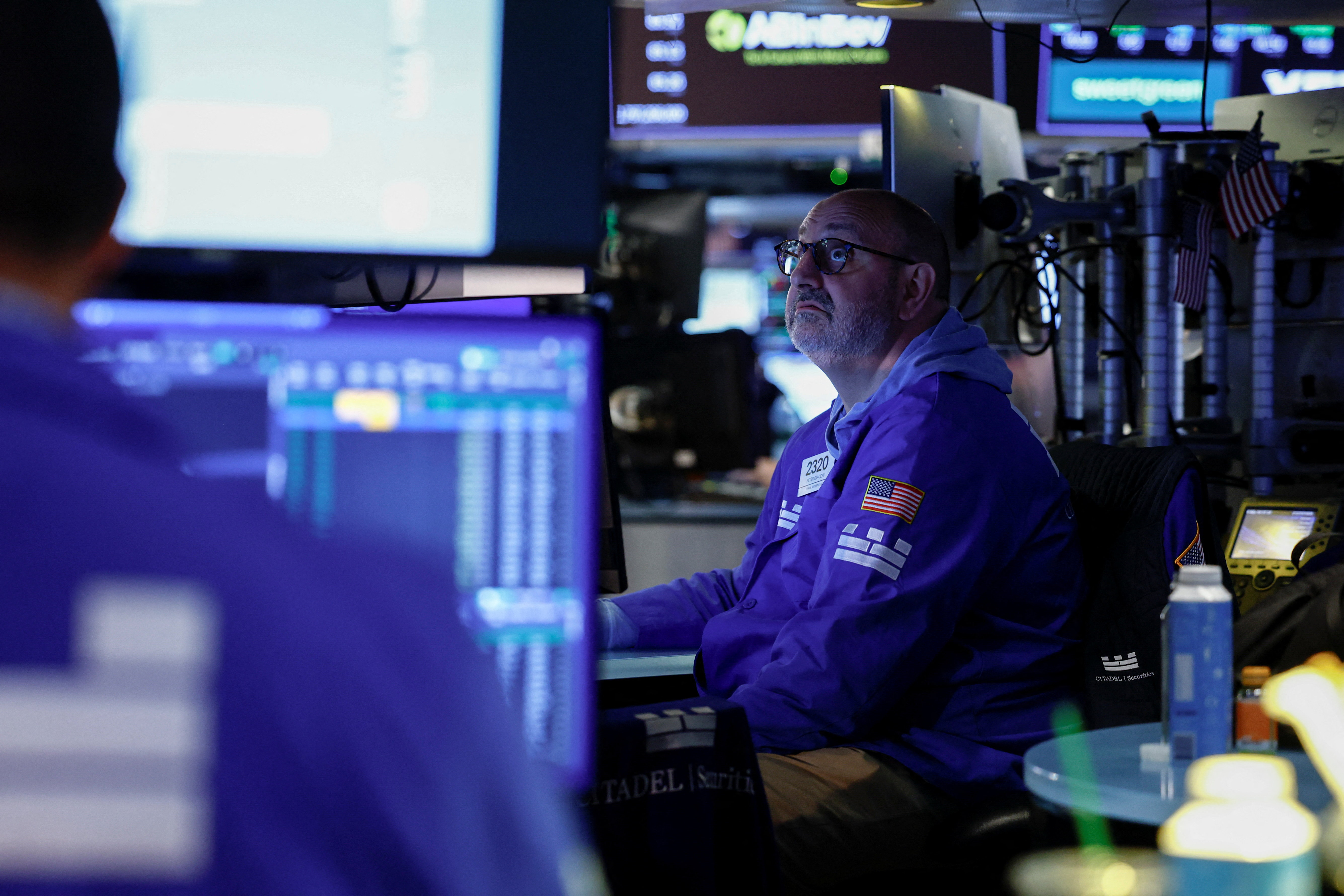
NEW YORK — In the high-stakes arena of global semiconductor manufacturing, few corporate strategies have been as ambitious, or as perilous, as Intel Corp.’s multi-year pivot under CEO Pat Gelsinger. Today, that high-risk gamble collided with harsh financial realities. Intel shares plunged nearly 30% in a historic market session, triggering circuit breakers, alarming institutional portfolio managers, and sending seismic shockwaves across Wall Street, London, and Frankfurt. The precipitous drop represents a watershed moment not just for the Silicon Valley pioneer, but for the entire geopolitically sensitive supply chain underpinning global digital infrastructure.
For months, veteran equity analysts, hedge fund managers, and enterprise technology buyers have scrutinized the company's capital allocation strategy, profit margin compression, and delayed product roadmaps. However, the sheer velocity of today’s sell-off caught even seasoned market observers off guard. As trading desks digested a toxic combination of catastrophic earnings guidance, disappointing gross margins, and deeply concerning free cash flow burn rates, institutional liquidity dried up, resulting in an uncontrolled downward spiral that obliterated multi-billion-dollar valuation multiples in a single trading session.
The Anatomy of a Collapse: Catalysts Behind the Freefall
Test Our Free AI & Tech Utilities Suite
Calculate LLM API token costs, analyze article dwell-time, or simulate tech DCA returns.
To understand the mechanics of today’s nearly 30% collapse, one must examine the compounding structural pressures that have battered Intel’s core business segments over consecutive quarters. While consumer PC demand has experienced a modest, cyclical stabilization, Intel’s traditional profit engines—specifically the Data Center and AI Group (DCAX)—have faced relentless competitive encroachment from Advanced Micro Devices (AMD) and hyperscale cloud providers designing custom silicon in-house.
More critically, the market reacted with acute alarm to management's revised financial projections, which revealed that the turnaround timeline for Intel Foundry (IFS) is extending further into the future than previously communicated. Wall Street had previously priced in a multi-year trough as Intel re-engineered its manufacturing nodes to catch and surpass Taiwan Semiconductor Manufacturing Company (TSMC). However, the staggering cost of retooling fabs for advanced process nodes—such as Intel 18A—while simultaneously absorbing underutilization charges has created an unprecedented drag on corporate profitability.
Enterprise ROI calculations for Intel's manufacturing investments are failing to satisfy institutional investors accustomed to the asset-light models favored by fabless competitors like NVIDIA and Qualcomm. As capital expenditure (CapEx) requirements remain stubbornly high, return on invested capital (ROIC) has plummeted, forcing ratings agencies to place the company’s debt under rigorous review for potential credit downgrades.
The IDM 2.0 Gamble and the Foundry Dilemma
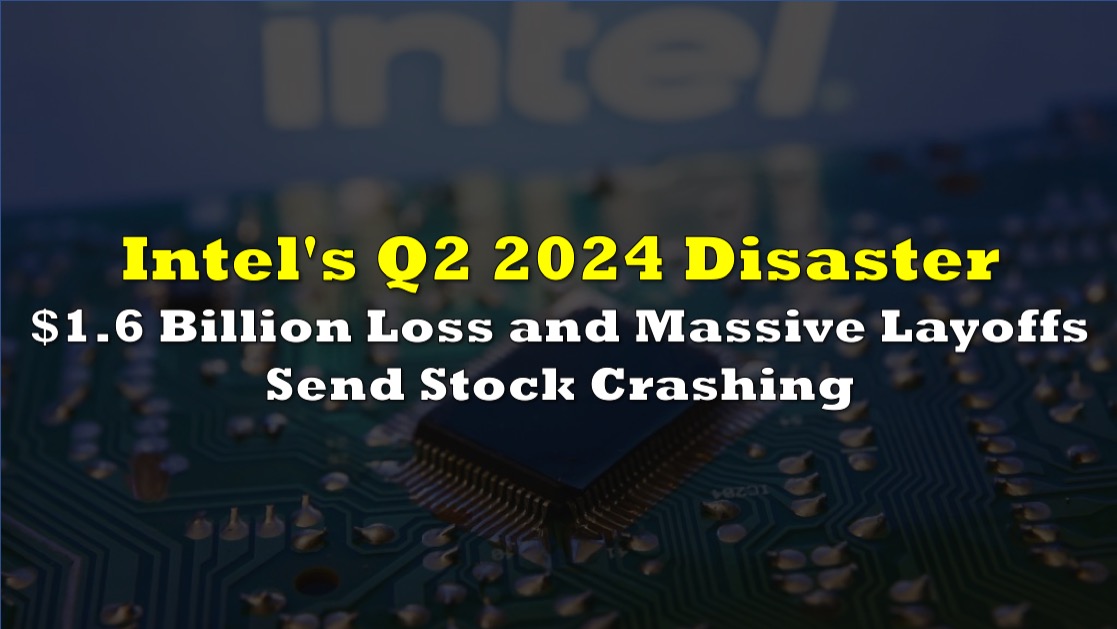
At the heart of Intel’s existential crisis is the IDM 2.0 strategy. When Pat Gelsinger returned to helm the company, he laid out a bold blueprint: restore manufacturing leadership by 2025, transform Intel into a tier-one merchant foundry capable of building chips for external fabless designers, and aggressively protect its historical x86 microprocessor stronghold.
Execution, however, has proven exceedingly difficult. Building an advanced foundry ecosystem requires securing external marquee customers, achieving competitive yield rates on leading-edge nodes, and matching the manufacturing scale and operational efficiency of TSMC. Today’s market repricing reflects a growing consensus among institutional analysts that Intel’s foundry division will remain a severe net drain on corporate earnings well into the latter half of the decade.
Furthermore, the aggressive push into third-party manufacturing has created internal friction. Intel’s product design teams are no longer guaranteed to use internal nodes if external foundries offer superior cost-performance metrics, yet the corporate entity remains saddled with the fixed-cost burden of operating capital-intensive fabrication plants across the globe. This structural mismatch has crippled operating leverage, turning revenue growth into margin deterioration.
Verified Data & Metrics Breakdown
The following financial and operational metrics illustrate the severe divergence between Intel's historical performance targets and its current market reality:
| Metric / Indicator | Previous Fiscal Period | Current Guidance / Status | Market / Strategic Impact |
|---|---|---|---|
| Single-Day Stock Price Drop | Stable Trading Range | ~30% Decline | Severe market capitalization erasure and liquidity shock |
| Non-GAAP Gross Margins | Historical 50%+ Range | Compressed to Sub-40% | Drastic reduction in cash generation for R&D reinvestment |
| Foundry Operating Loss | Expanding Deficit | Multi-Billion Dollar Annual Burn | Weighs heavily on consolidated corporate profitability |
| Free Cash Flow | Neutral to Positive | Deeply Negative (Significant Burn) | Forces aggressive cost-mitigation and capex rationalization |
Industry & Market Implications: Winners, Losers, and Systemic Risk
The reverberations of Intel’s collapse extend far beyond its own shareholder base, fundamentally altering the competitive landscape across the global technology sector.
The Winners
Fabless semiconductor titans such as NVIDIA and AMD stand to benefit immediately from Intel's operational stumbles. With enterprise IT budgets increasingly prioritizing high-performance AI accelerators and specialized GPUs, AMD continues to capture valuable x86 server market share. Meanwhile, NVIDIA maintains an almost unassailable monopoly on large language model (LLM) training infrastructure. Furthermore, TSMC solidifies its status as the undisputed heavyweight champion of advanced semiconductor fabrication, as major chip designers become even more reluctant to migrate production away from its proven ecosystem.
The Losers
Enterprise IT procurement officers and cloud service providers face a less competitive vendor landscape. A weakened Intel reduces pricing pressure in the central processing unit (CPU) market, potentially leading to higher hardware acquisition costs for data center operators. Additionally, domestic U.S. semiconductor policy supporters face a sobering reality check: relying on a single domestic champion to rebuild American manufacturing independence is fraught with execution risk.
Broader Economic and Geopolitical Impact
Intel is a cornerstone recipient of the federal CHIPS and Science Act, designed to secure domestic semiconductor supply chains and reduce reliance on Asian manufacturing hubs. A financially distressed Intel complicates the disbursement and projected effectiveness of federal subsidies. If the company is forced into aggressive asset sales, structural breakups, or severe operational downsizing, Washington policymakers will face intense scrutiny regarding the oversight and allocation of public funds in strategic industries.
Frequently Asked Questions (People Also Ask)
Why did Intel stock drop almost 30% in a single day?
The severe sell-off was triggered by a confluence of disastrous financial guidance, compressed gross margins, and surging cash burn associated with the company’s costly foundry transformation. Disappointing earnings reports and weak outlooks for both client computing and data center segments severely undermined investor confidence in management's turnaround timeline.
Is Intel at risk of bankruptcy or a hostile takeover?
While bankruptcy remains an extreme tail-risk due to Intel’s massive asset base, government backing via the CHIPS Act, and significant enterprise revenue, the company is undeniably facing its most severe existential crisis in decades. Activist investors and institutional stakeholders are aggressively pushing for strategic alternatives, which could include splitting the design and manufacturing businesses or pursuing major corporate restructuring.
What is the "IDM 2.0" strategy and why is it struggling?
IDM 2.0 is Intel's strategic pivot to maintain internal manufacturing while simultaneously opening its fabrication plants (foundries) to external corporate clients. It is struggling because retooling factories for advanced nodes requires staggering capital expenditure, and securing external customers has proven difficult while yield rates and cost structures compete against entrenched industry leaders like TSMC.
How does Intel’s decline affect the broader semiconductor supply chain?
Intel's struggles weaken the competitive balance in x86 microprocessors, potentially empowering rivals like AMD. It also places heavy pressure on U.S. domestic manufacturing initiatives funded by the CHIPS Act, raising questions about how federal subsidies will be managed if a primary beneficiary undergoes radical corporate downsizing or restructuring.
Future Outlook: Milestones and Catalysts to Watch
As Wall Street analysts recalibrate their models and institutional portfolio managers trim risk exposure, the coming quarters will serve as a definitive crucible for Intel’s executive leadership. The board of directors and CEO Pat Gelsinger face mounting pressure to deliver concrete, quantifiable evidence that the foundry model can achieve economic viability.
Key operational milestones and catalysts to monitor over the next 12 to 18 months include:
- Execution on the 18A Node: Successful commercial volume production and yield maturation on the Intel 18A process node will be the ultimate litmus test for technological parity with TSMC.
- External Foundry Customer Announcements: Tangible proof of major external enterprise clients committing to multi-billion-dollar tape-outs on Intel fabrication lines is mandatory to validate the IDM 2.0 investment thesis.
- CapEx Rationalization and Cash Flow Discipline: Management must demonstrate strict risk mitigation by trimming non-essential capital expenditures and stabilizing operating margins without sacrificing core R&D capabilities.
- Potential Structural Split or M&A Activity: Continued market volatility will likely amplify rumors regarding a forced corporate breakup, separating the fabless product design divisions from the capital-intensive manufacturing foundries.
For decades, Intel defined the silicon revolution that powered the modern digital economy. Today’s historic market correction demonstrates that legacy dominance offers no immunity against rapid technological shifts, execution missteps, and relentless competitive pressure. Whether Intel can engineer a miraculous operational resurrection or whether it will be forced into an unprecedented structural dismantling remains the most compelling, high-stakes drama in global finance and technology.