Executive Takeaways
- Commercial Validation: The successful LVM3-M6 mission deploying the BlueBird Block-2 satellite cements ISRO and NewSpace India Limited (NSIL) as Tier-1 contenders in the multi-billion-dollar heavy-lift commercial launch market.
- Infrastructure Scalability: Launching India’s heaviest payload to date from domestic soil proves enterprise-grade launch reliability, mitigating supply-chain bottlenecks for global satellite operators.
- Capital Allocation & Valuation: By undercutting Western launch providers while maintaining precision orbital insertion, NSIL is driving aggressive valuation multiples across the private space supply chain.
- Geopolitical Shift: India's sovereign heavy-lift capability offers Western conglomerates a resilient, cost-effective alternative to traditional aerospace monopolies, reshaping global capital flows in telecommunications.
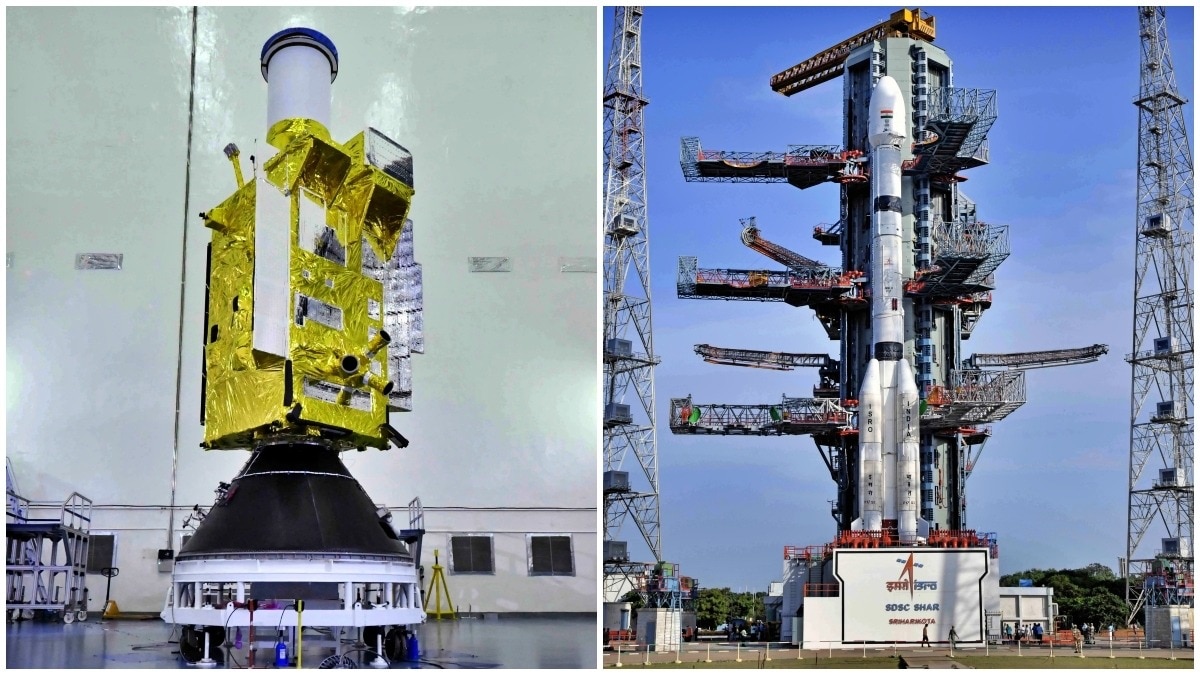
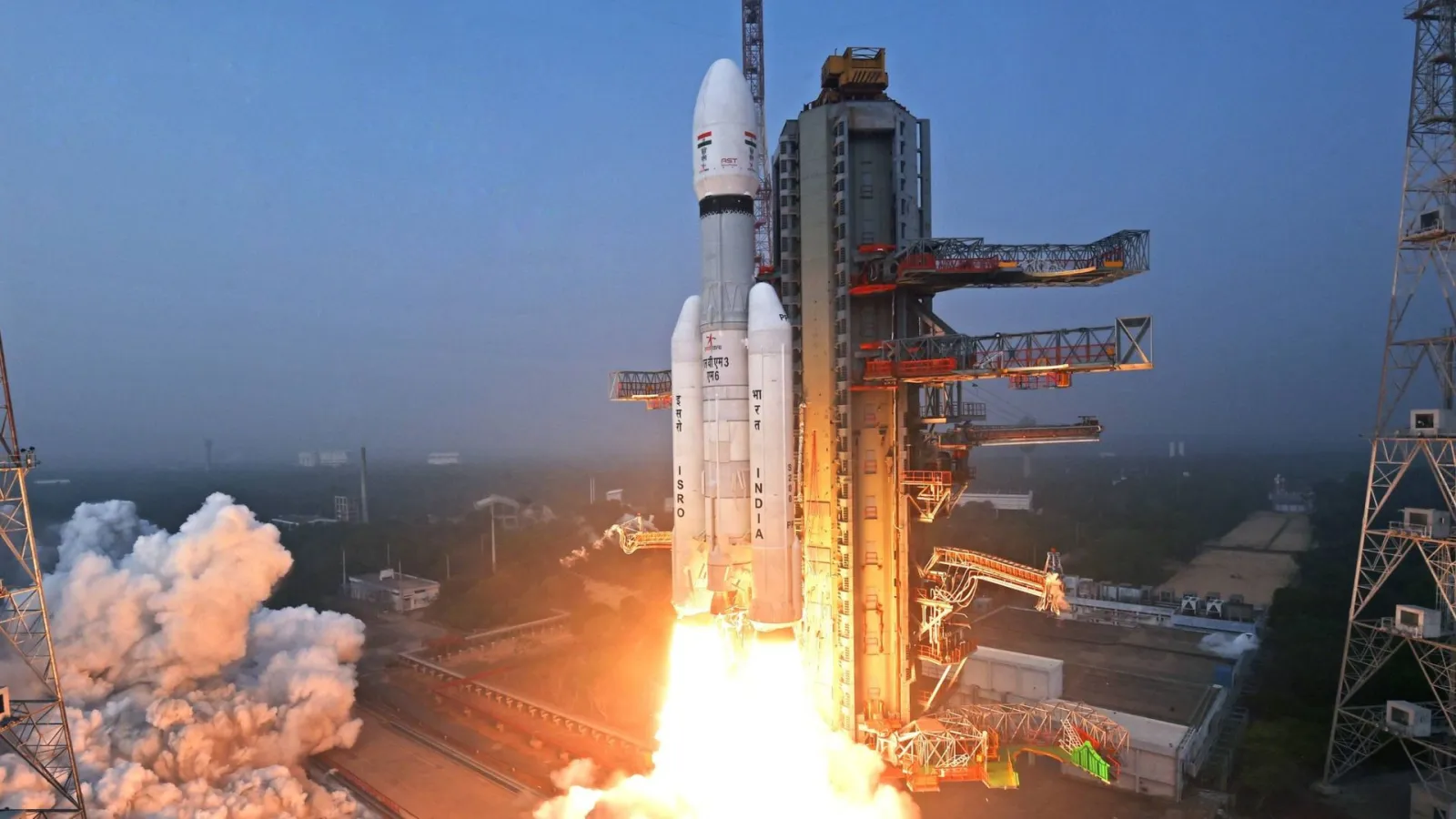
BENGALURU/NEW YORK — In a watershed moment for aerospace engineering and international commercial diplomacy, the Indian Space Research Organisation (ISRO) executed a flawless launch of the LVM3-M6 mission, successfully deploying the monumental BlueBird Block-2 satellite into its designated low-Earth orbit. Executed from the Satish Dhawan Space Centre in Sriharikota, this landmark operation represents far more than a technical triumph; it is a tectonic shift in the global allocation of space-based capital, telecommunications infrastructure scalability, and commercial launch market liquidity.
For decades, Western aerospace monopolies dictated the terms of heavy-lift payload delivery, commanding prohibitive pricing and crippling waitlists. The LVM3-M6 mission shatters this paradigm. By lofting the heaviest satellite ever launched from Indian soil—the colossal BlueBird Block-2, engineered by AST SpaceMobile—ISRO has systematically validated its heavy-lift architecture for high-stakes enterprise payloads. As institutional investors evaluate risk-mitigation strategies within their infrastructure portfolios, the message from Sriharikota is unequivocal: India’s commercial arm, NewSpace India Limited (NSIL), has arrived as a dominant, high-reliability tier-one launch provider.
The Catalytic Evolution of India’s Heavy-Lift Architecture
To understand the profound economic and strategic ramifications of the LVM3-M6 mission, one must examine the iterative maturation of India’s Launch Vehicle Mark-3 (LVM3). Formerly known as the Geosynchronous Satellite Launch Vehicle Mark III (GSLV Mk III), this heavy-lift vehicle has undergone a rigorous operational evolution. Designed explicitly to achieve autonomous domestic capability for launching multi-tonne communication and broadband constellations, LVM3 has transitioned from an experimental heavy-lifter into a commercially hardened workhorse.
The catalytic event for this commercial pivot was India’s sweeping space sector reforms initiated under the aegis of IN-SPACe (Indian National Space Promotion and Authorization Centre). By decoupling commercial operations from purely state-funded scientific mandates, the government enabled NSIL to monetize ISRO’s technological prowess. The deployment of the BlueBird Block-2 satellite stands as the crown jewel of this commercialization strategy. Weighing significantly more than standard domestic payloads, the satellite required precise thermal management, aerodynamic fairing optimization, and flawless cryogenic stage ignition—all of which were executed with clinical precision.
From a cloud compute architecture and global connectivity standpoint, the BlueBird Block-2 is not just another satellite; it is a space-based cellular tower designed to deliver direct-to-device broadband and voice connectivity globally. For telecommunications conglomerates seeking to bridge rural coverage gaps without incurring billions in terrestrial infrastructure capital expenditure, successful deployment via LVM3-M6 accelerates enterprise ROI. The mission removes a critical supply-chain bottleneck, allowing constellation operators to scale their service delivery models years ahead of schedule.
Verified Data and Technical Specifications

A granular examination of the LVM3-M6 mission parameters underscores the engineering rigor and cost efficiencies that are captivating institutional investors and aerospace executives worldwide.
| Mission Parameter | Technical Specification / Metric | Commercial & Strategic Implications |
|---|---|---|
| Launch Vehicle | LVM3-M6 (Three-stage: Solid boosters, liquid core, cryogenic upper stage) | Proven reliability across multiple consecutive flights, significantly reducing insurance risk premiums. |
| Primary Payload | BlueBird Block-2 (AST SpaceMobile) | Heaviest satellite launched from Indian soil; expands direct-to-cell global broadband capabilities. |
| Launch Site | Second Launch Pad, Satish Dhawan Space Centre (SDSC-SHAR), Sriharikota | Optimized equatorial positioning yielding maximum orbital insertion efficiency. |
| Commercial Operator | NewSpace India Limited (NSIL) | Streamlines international contracting, regulatory compliance, and private-sector partnerships. |
| Market Positioning | High-payload capacity at highly competitive per-kilogram launch costs | Directly challenges traditional Western launch monopolies, compressing global launch pricing benchmarks. |
Industry and Market Implications: Winners, Losers, and Capital Flows
The successful execution of LVM3-M6 has immediate, far-reaching ramifications for global capital allocation within the aerospace and telecommunications sectors. As sovereign states and private conglomerates race to populate low-Earth orbit with mega-constellations, launch capacity remains the ultimate bottleneck. ISRO’s ability to reliably deliver ultra-heavy payloads to orbit alters the competitive landscape decisively.
The Winners
- NewSpace India Limited (NSIL) & Domestic Supply Chain: NSIL is positioned to capture a rapidly expanding share of the global commercial launch market. Tier-one Indian component manufacturers, avionics suppliers, and precision-engineering firms will see surging valuation multiples and expanded institutional investment.
- Global Constellation Operators: Companies like AST SpaceMobile gain a dependable, cost-effective alternative for deploying massive communication nodes. This reduces capital expenditure burdens and accelerates time-to-market for revenue-generating space services.
- International Enterprise Clients: Western telecommunications firms facing domestic regulatory hurdles and high-cost launch structures now have a viable, highly reliable partner in India, fostering healthy market competition.
The Losers
- Legacy Western Launch Monopolies: Traditional aerospace contractors who relied on high-margin, low-competition dynamics are facing acute pricing pressure. The cost-efficiency of ISRO’s operations forces legacy players to re-evaluate their operational cost structures and supply-chain efficiencies.
- Under-Capitalized Launch Startups: Early-stage rocket developers struggling with cash burn and technical execution will find it increasingly difficult to secure venture capital as NSIL proves operational maturity and pricing dominance in the medium-to-heavy lift segment.
Frequently Asked Questions (People Also Ask)
What makes the LVM3-M6 mission a critical milestone for ISRO?
The LVM3-M6 mission successfully deployed the BlueBird Block-2 satellite, marking the heaviest payload ever launched from Indian soil. This validates India's heavy-lift vehicle architecture for high-demand commercial missions, proving that ISRO and NSIL can reliably service the global market for ultra-heavy telecommunications and broadband satellites.
How does LVM3-M6 impact the global commercial launch market?
By offering high-reliability heavy-lift capabilities at competitive pricing, the mission intensifies competition in a market historically dominated by a few Western players. It gives international satellite operators a cost-effective, risk-mitigated alternative, driving down per-kilogram launch costs across the industry.
What is the role of NewSpace India Limited (NSIL) in these missions?
NSIL serves as the commercial arm of ISRO, responsible for marketing launch services, managing international customer contracts, and fostering technology transfer to the private sector. Through NSIL, global conglomerates can seamlessly contract ISRO’s launch vehicles under standard international commercial terms.
Why is the BlueBird Block-2 satellite significant for telecommunications?
The BlueBird Block-2 is a massive direct-to-device communication satellite designed to provide standard cellular broadband and voice connectivity directly to unmodified mobile phones globally. Its successful deployment accelerates the commercial rollout of space-based cellular networks, bridging digital divides and unlocking new enterprise revenue streams.
Future Outlook: What Comes Next
As the echoes of the LVM3-M6 launch fade from the shores of Sriharikota, ISRO and NSIL are already pivoting toward their next set of aggressive operational milestones. The roadmap ahead is defined by three critical strategic objectives:
- Reusable Launch Vehicle (RLV) Development: To maintain long-term competitive parity with private-sector pioneers in the West, ISRO is accelerating trials on its reusable rocket technologies. Mastering propulsive landing and stage recovery will drastically compress launch costs further, maximizing operating margins for NSIL.
- Gaganyaan Human Spaceflight Integration: Lessons learned from the structural and thermal engineering validations of heavy-lift flights like LVM3-M6 are being directly channeled into India’s human-rated launch vehicle program, paving the way for domestic crewed orbital missions.
- Expanding Commercial Manifest: NSIL’s order book for upcoming fiscal quarters is at an all-time high. The proven success of deploying massive payloads like BlueBird Block-2 is expected to attract additional multi-satellite constellation contracts from North American, European, and Asia-Pacific telecommunications giants.
In summation, the LVM3-M6 mission is far more than a triumph of engineering; it is a masterclass in strategic execution, capital efficiency, and market positioning. As global aerospace dynamics shift eastward, India has firmly established that it is not merely a participant in the modern space economy—it is helping write the rules that govern it.