Executive Takeaways
- Paradigm Shift in Software Architecture: Meta’s introduction of Muse AI moves the consumer and enterprise tech landscape away from static application designs toward real-time, context-aware dynamic "spaces."
- Capital Allocation and Infrastructure Scalability: The monumental computational demands of generative interface-generation require massive cloud compute architecture investments, directly impacting short-term capital expenditure while promising high long-term enterprise ROI.
- Disruption of Legacy Software Monopolies: By allowing users to summon custom-tailored applications on demand, Meta is challenging traditional SaaS models, forcing competitors to rethink valuation multiples and market positioning.
- Regulatory and Risk Mitigation Pressures: Dynamic, AI-generated environments present novel security, data privacy, and compliance challenges that demand rigorous risk management frameworks.
For over two decades, the digital economy has been anchored by a rigid premise: the software application. Whether navigating a desktop operating system, scrolling through a mobile feed, or utilizing enterprise resource planning (ERP) suites, users have been forced to adapt their workflows to static, pre-packaged digital interfaces designed by centralized product teams. Today, that foundational paradigm is experiencing a seismic fracture. Meta Platforms’ latest structural unveiling of Muse AI—a generative framework capable of engineering custom, task-specific digital "spaces" on the fly—signals the dawn of liquid software. As this capability moves from foundational research into active deployment, it is poised to rewrite the rules of user engagement, force a radical reassessment of tech sector valuation multiples, and alter the competitive dynamics of global digital infrastructure.
The Catalytic Evolution: From Static Feeds to Fluid Computational Spaces
Test Our Free AI & Tech Utilities Suite
Calculate LLM API token costs, analyze article dwell-time, or simulate tech DCA returns.
The genesis of Meta’s Muse AI is rooted in a multi-year capital expenditure cycle aimed at solving the inherent limitations of conventional application design. For years, social media giants and productivity software vendors alike have grappled with interface bloat. As platforms attempt to cater to billions of users with radically divergent needs—ranging from casual creators and enterprise advertisers to software developers and digital nomads—applications have swelled into complex, hyper-congested ecosystems.
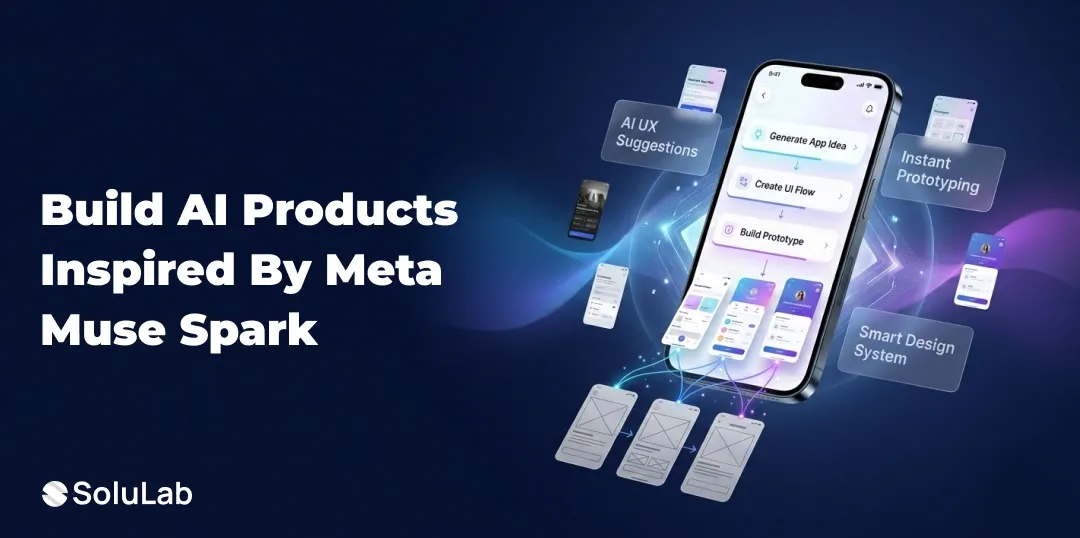
Meta’s strategic response under Chief Executive Mark Zuckerberg has centered on aggressive investments in foundational artificial intelligence, custom silicon, and scalable cloud compute architecture. Muse AI represents the maturation of these efforts. Rather than presenting users with a standardized home screen or a monolithic news feed, Muse AI analyzes real-time user intent, contextual workflows, and immediate environmental variables to synthesize a bespoke "space." If an executive requires a financial analytics workspace integrated with communication channels at 9:00 AM, Muse AI constructs that exact environment instantly. By 2:00 PM, when that same user pivots to collaborative video production, the interface dissolves and regenerates into a media-centric creative suite.
This capability is not merely an incremental UI/UX update; it is a foundational restructuring of how humans interact with digital tools. By leveraging advanced generative models trained on vast multimodal datasets, Muse AI interprets high-level natural language prompts, contextual metadata, and behavioral cues to assemble custom workflows, data pipelines, and visual layouts in milliseconds.
Infrastructure Scalability, Cloud Compute, and Financial Implications
The economic reality behind real-time, AI-generated user interfaces involves staggering operational complexity. Deploying Muse AI at a scale of billions of active users demands unprecedented levels of infrastructure scalability. Wall Street analysts tracking Meta’s capital expenditure (CapEx) guidance note that supporting liquid, generative software environments requires massive outlays in specialized GPUs, high-bandwidth memory, and low-latency edge-computing data centers.
From a corporate finance perspective, this strategy represents a high-stakes gamble. Initial capital allocation toward AI infrastructure places downward pressure on short-term operating margins. However, leadership at Meta is betting that the long-term enterprise ROI and enhanced user retention will justify the expenditure. By reducing friction in digital interactions and keeping users embedded within Meta’s proprietary ecosystem for longer dwell times, the company fortifies its core digital advertising revenue engine while laying the groundwork for lucrative enterprise subscriptions.
| Metric / Dimension | Legacy Application Paradigm | Meta’s Muse AI "Spaces" Paradigm |
|---|---|---|
| Interface Architecture | Static, standardized menus and navigation bars | Dynamic, generative, and context-aware workspaces |
| Development Cycle | Months to years (Product teams, QA, deployment) | Milliseconds (Real-time synthesis via AI) |
| Infrastructure Load | Low-to-moderate server-side rendering | Intensive cloud compute and real-time inference |
| Monetization Model | Fixed SaaS subscriptions and ad placements | Contextualized commerce and hyper-targeted ad integration |
Industry & Market Implications: Who Wins, Who Loses
The deployment of Muse AI sends immediate shockwaves across the technology landscape, fundamentally altering valuation multiples and competitive moats.
The Winners: Infrastructure Providers and Adaptive Tech Giants
Semiconductor manufacturers, specialized cloud providers, and companies capable of maintaining vast, low-latency AI inference networks stand to gain immensely. Furthermore, platform conglomerates that successfully transition from static app stores to generative space ecosystems will capture disproportionate market share, as user switching costs plummet while personalization soars.
The Losers: Legacy SaaS and Rigid App Developers
The traditional Software-as-a-Service (SaaS) business model faces an existential threat. For decades, enterprise buyers have subscribed to bloated software suites packed with features they rarely use. If Muse AI can instantly generate a custom workspace tailored precisely to an employee’s immediate project requirements, the rationale for purchasing expensive, standalone software licenses evaporates. Companies slow to adopt generative interface architectures risk seeing their valuation multiples compress rapidly as market liquidity shifts toward fluid AI-native competitors.
Regulatory Compliance and Risk Mitigation
As Meta pushes deeper into generative software orchestration, regulatory scrutiny is guaranteed to intensify. Operating dynamic environments that shift based on real-time user data introduces complex challenges regarding data privacy, algorithmic bias, and antitrust concerns.
From a risk mitigation standpoint, enterprise adoption of Muse AI will depend heavily on robust regulatory compliance frameworks. Ensuring that generative spaces do not inadvertently leak proprietary corporate data, violate cross-border data residency laws (such as GDPR), or manifest discriminatory UX patterns will require continuous auditing. Meta’s success will hinge on its ability to provide enterprise-grade security guarantees, transparent data governance, and deterministic guardrails within a fundamentally stochastic AI system.
Frequently Asked Questions (People Also Ask)
What is Meta’s Muse AI, and how do custom "spaces" work?
Muse AI is an advanced generative intelligence framework developed by Meta that moves beyond traditional chatbot interactions. Instead of simply generating text or images, Muse analyzes user intent, current tasks, and contextual inputs to synthesize a complete, bespoke digital environment—or "space"—equipped with the exact tools, data streams, and visual layouts required for the user's immediate objective.
How does Muse AI impact existing enterprise software and SaaS providers?
Muse AI poses a direct challenge to traditional SaaS business models. By enabling users and organizations to spin up custom workspaces and functional applications on demand, it diminishes the need for rigid, all-in-one software suites. This threatens the recurring subscription revenues of legacy software providers and forces the industry to re-evaluate enterprise software valuation multiples.
What are the primary infrastructure and cost challenges associated with Muse AI?
Scaling a generative interface framework for billions of users requires immense cloud compute architecture and massive capital allocation for high-performance GPUs and low-latency data centers. While this drives substantial short-term capital expenditures for Meta, the long-term goal is to achieve superior infrastructure efficiency and enhanced monetization through hyper-contextualized user engagement.
What security and compliance measures are required for generative digital spaces?
Dynamic, AI-generated environments introduce complex risk management challenges, including data privacy compliance (such as GDPR), protection of proprietary enterprise information, and prevention of algorithmic bias. Successful enterprise deployment demands rigorous guardrails, deterministic security layers, and transparent data governance protocols.
Future Outlook: Milestones to Watch
The rollout of Meta’s Muse AI is not a singular product launch, but rather the opening salvo in a multi-year transition toward generative computing. Over the next 12 to 36 months, industry observers and financial analysts will closely monitor several critical milestones:
- Enterprise Pilot Programs: The speed and scale at which Fortune 500 corporations integrate Muse AI into their daily operational workflows.
- CapEx vs. Monetization Efficiency: Quarterly financial reports detailing the balance between heavy AI infrastructure investments and the tangible lift in advertising yields and enterprise subscription revenues.
- Regulatory Interventions: Antitrust and data privacy rulings from global regulatory bodies regarding the consolidation of generative workspace ecosystems.
- Concurrently, competitor responses from rival technology titans—such as Apple, Google, and Microsoft—will dictate whether generative spaces become an open standard or a heavily fragmented battleground of proprietary ecosystems.
Ultimately, Meta’s Muse AI underscores an irreversible truth: the era of the static application is drawing to a close. As software transforms from a fixed destination into a fluid, on-demand utility, the economic and structural foundations of the global technology sector will be permanently reshaped.