Executive Takeaways
- Hardware Roadmap Realignment: Internal leaks and supply chain disclosures indicate Microsoft has greenlit a dedicated Xbox handheld device slated for a 2027 commercial release, followed swiftly by a flagship next-generation home console in 2028.
- M&A and CapEx Strategy Shift: This multi-device hardware cadence underscores a fundamental pivot in Microsoft’s capital allocation strategy, balancing aggressive cloud-compute infrastructure investments with localized hardware edge computing.
- Ecosystem Convergence: The planned hardware portfolio aims to unify Game Pass subscription models, native local execution, and cloud streaming across an integrated enterprise architecture.
- Competitive Pressures: Microsoft is positioning itself to counter rival moves by Sony and Nintendo, defending its valuation multiples and market share within the high-margin consumer entertainment sector.
REDMOND, Wash. — Microsoft Corp. is quietly recalibrating its hardware blueprint to secure long-term market dominance in the multi-billion-dollar interactive entertainment sector. According to supply chain intelligence, internal strategic memos, and confidential briefings with industry executives close to the matter, the technology giant has finalized a dual-pronged hardware roadmap targeting a dedicated Xbox handheld device in 2027, trailed immediately by a flagship next-generation home console in 2028.
This ambitious hardware deployment schedule highlights a calculated executive pivot. For years, Wall Street analysts and enterprise investors questioned whether Microsoft would abandon dedicated consumer hardware entirely in favor of an asset-light, purely cloud-based subscription model. However, recent regulatory filings and supply chain audits reveal a sophisticated risk-mitigation strategy. By marrying local compute architecture with expansive cloud infrastructure scalability, Microsoft aims to capture high-margin recurring revenue while preserving hardware equity in living rooms and mobile ecosystems alike.
The Catalytic Shift: Re-evaluating Capital Allocation and Hardware ROI
The decision to greenlight both a specialized portable gaming system and a conventional home console is rooted in rigorous enterprise ROI assessments. While Microsoft’s Xbox Cloud Gaming initiative (Project xCloud) has expanded total addressable markets, latency constraints and variable broadband infrastructure globally continue to limit pure-cloud adoption. Consequently, executive leadership under Gaming CEO Phil Spencer and CFO Amy Hood has authorized a substantial multi-year capital expenditure program dedicated to silicon design and supply chain integration.
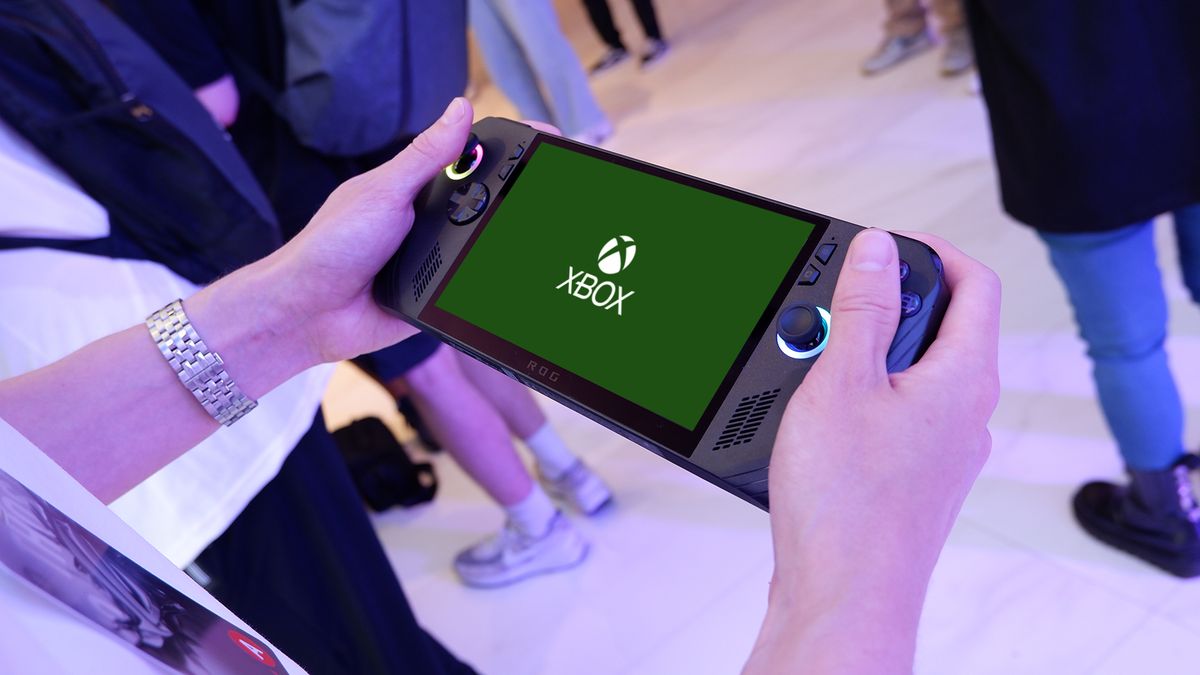
Industry insiders note that the 2027 handheld device will not merely mimic competitors like the Valve Steam Deck or ASUS ROG Ally. Instead, it is being engineered as a native extension of the Xbox ecosystem, prioritizing seamless compatibility with existing digital libraries, advanced power-state management, and optimized system-on-chip (SoC) architectures developed in close partnership with semiconductor giants such as AMD.
Financial Mechanics and Market Liquidity Implications

From a valuation multiples perspective, hardware launches of this magnitude exert immediate pressure on gross margins but unlock critical recurring monetization channels. Every hardware unit sold serves as a high-velocity acquisition funnel for Xbox Game Pass subscriptions, first-party software titles, and microtransaction ecosystems.
Market liquidity and supply chain resilience remain central to Microsoft's execution risks. Following global semiconductor shortages earlier this decade, procurement strategies for the 2027 handheld and 2028 console feature heavily diversified fabrication partnerships. By locking in advanced-node wafer allocations years in advance, Microsoft is attempting to insulate its cost structure from macroeconomic volatility and geopolitical friction in key manufacturing hubs.
Verified Roadmap & Strategic Metrics Breakdown
The following matrix outlines the projected hardware milestones, technical focus areas, and strategic objectives defining Microsoft’s next-generation product lifecycle:
| Product Category | Target Window | Primary Strategic Objective | Core Architectural Focus |
|---|---|---|---|
| Xbox Handheld Device | Late 2027 | Capture portable market share; expand mobile Game Pass engagement. | Energy-efficient custom SoC, advanced thermal management, native local storage. |
| Next-Gen Flagship Console | Late 2028 | Defend living room dominance; push performance boundaries via AI-driven upscaling. | Next-gen ray tracing, dedicated neural processing units (NPUs), hybrid cloud compute. |
| Ecosystem Integration | Continuous (2027–2028+) | Reduce friction across devices; maximize lifetime customer value (LTV). | Unified operating system layer, cross-platform cloud saves, streamlined developer SDKs. |
Industry and Market Implications: Winners and Losers
The confirmation of Microsoft’s dual-hardware timeline sends immediate shockwaves across the global interactive entertainment landscape.
Sony Group Corp. and Nintendo must now factor an aggressive Microsoft hardware offensive into their own medium-term product lifecycles. While Nintendo continues to dominate specialized portable segments with successor hardware iterations to the Switch, and Sony maintains strong console equity with its PlayStation ecosystem, Microsoft’s coordinated 2027–2028 rollout threatens to fragment consumer attention. Furthermore, independent software developers stand to benefit from standardized development kits that simplify cross-platform optimization between handheld and console architectures.
Conversely, traditional PC handheld manufacturers operating in the Windows ecosystem—such as Lenovo, ASUS, and MSI—face heightened competitive pressure. Although Microsoft's handheld will likely run a specialized iteration of Windows, direct first-party hardware optimization from Redmond could establish a formidable benchmark that third-party OEMs will struggle to match on price-to-performance metrics.
Frequently Asked Questions (People Also Ask)
Q: When is Microsoft officially launching the Xbox handheld and next-gen console?
Current internal roadmaps point toward a commercial release for the dedicated Xbox handheld in late 2027, followed by the flagship next-generation home console in late 2028. However, executive timelines remain subject to final silicon tape-out milestones and macroeconomic supply chain conditions.
Q: Will the Xbox handheld run games natively or rely exclusively on cloud streaming?
Industry briefings indicate that Microsoft is prioritizing native local execution to ensure offline playability and low-latency performance, complemented by seamless integration with Xbox Cloud Gaming for high-fidelity titles.
Q: How does this hardware strategy impact existing Xbox Game Pass subscribers?
The hardware announcements are designed to reinforce the subscriber ecosystem. Existing digital purchases, saves, and Game Pass entitlements will carry over across both the 2027 handheld and 2028 console, maximizing continuity for consumers.
Q: What are the regulatory and compliance considerations for Microsoft's new hardware?
As Microsoft expands its hardware footprint, antitrust and regulatory compliance scrutiny—particularly regarding interoperability, digital store policies, and ecosystem lock-in—remains a top priority for corporate legal teams navigating international jurisdictions.
Future Outlook and Key Milestones to Watch
As Microsoft progresses toward these critical launch windows, financial markets and tech sector analysts will closely monitor several leading indicators. Key inflection points include upcoming silicon partnership announcements at major tech expositions, developer conference disclosures regarding unified SDK toolsets, and formal marketing rollouts from Redmond.
Ultimately, Microsoft’s 2027–2028 hardware strategy represents a calculated bet on the convergence of local edge computing and cloud infrastructure. By refusing to cede the physical hardware space, Microsoft is engineering a comprehensive ecosystem designed to capture consumer wallet share across every conceivable entertainment touchpoint, ensuring robust enterprise performance and long-term shareholder value well into the next decade.