NASA’s Artemis 3 Lander Blueprint Collides with Reality: The Multi-Billion-Dollar Race Back to the Lunar South Pole
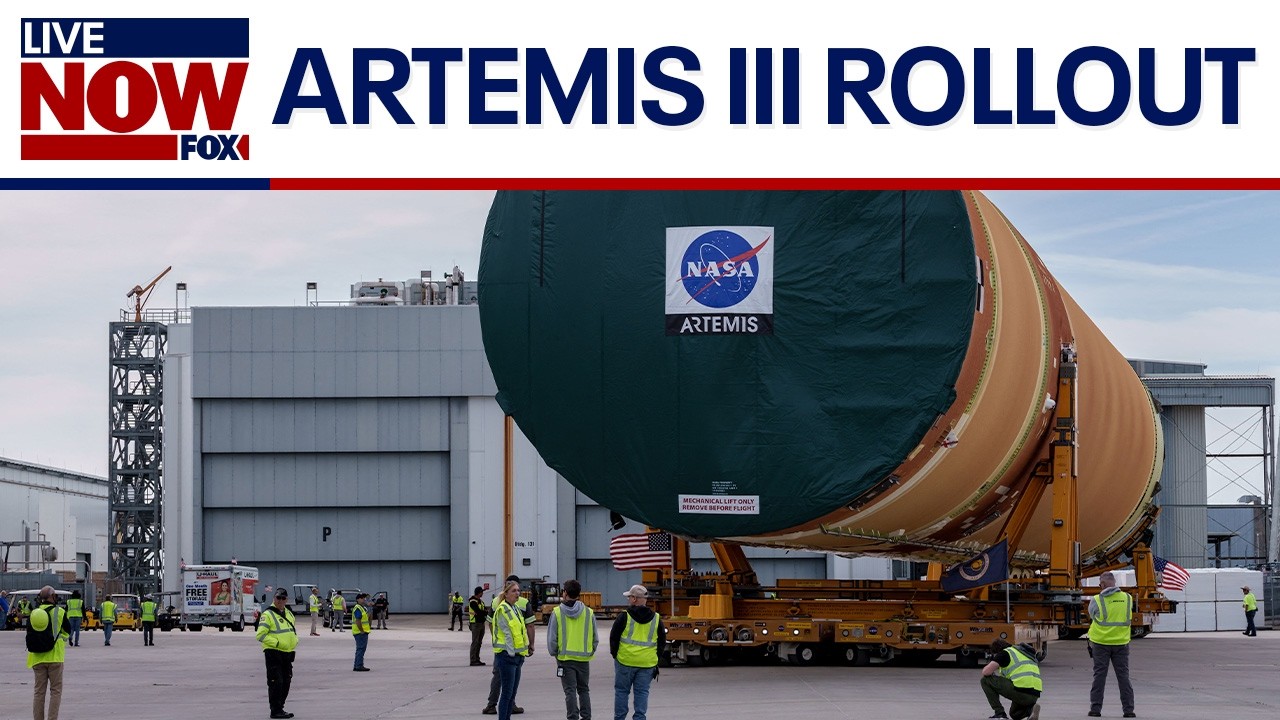
The architecture of modern space exploration is shifting from geopolitical prestige to industrial-scale commercialization, yet one immutable law remains: physics dictates timelines, not press releases. NASA has officially laid out the preliminary operational plan for the uncrewed test flight of the human landing system that is slated to return American astronauts to the lunar surface. However, behind the carefully calibrated optimism of agency briefings lies a deeply complex web of engineering hurdles, supply chain bottlenecks, and mounting pressure on capital allocation across the aerospace sector.
For institutional investors, defense contractors, and technology analysts, the Artemis program is no longer just a scientific endeavor; it is a multi-billion-dollar proxy for enterprise scalability, risk mitigation, and the future valuation multiples of new-space heavyweights. As the timeline for the Artemis 3 mission faces increasing scrutiny, the central question dominating boardrooms from Washington to Houston is simple: when will it actually launch, and what are the financial and operational fallout points if the current schedule slips further into the decade?
Executive Takeaways
- Schedule Slipped: While NASA has formalized the test flight framework for the Artemis 3 lunar lander, systemic technical and regulatory hurdles make a late 2026 or 2027 launch window significantly more realistic than original aggressive projections.
- Commercial Reliance: The mission’s success depends entirely on unprecedented technological handoffs between traditional government agencies and private-sector prime contractors managing complex software and propulsion architectures.
- Capital Allocation Pressure: Delays introduce significant risk mitigation costs, impacting enterprise ROI and forcing aerospace stakeholders to re-evaluate capital efficiency in an era of tightening monetary policy.
- In-depth technical validation, propellant transfer tests, and orbital life-support stress tests remain critical path items that cannot be compressed without introducing catastrophic mission failure risks.
The Catalytic Shift: Breaking Down NASA’s New Lander Test Blueprint
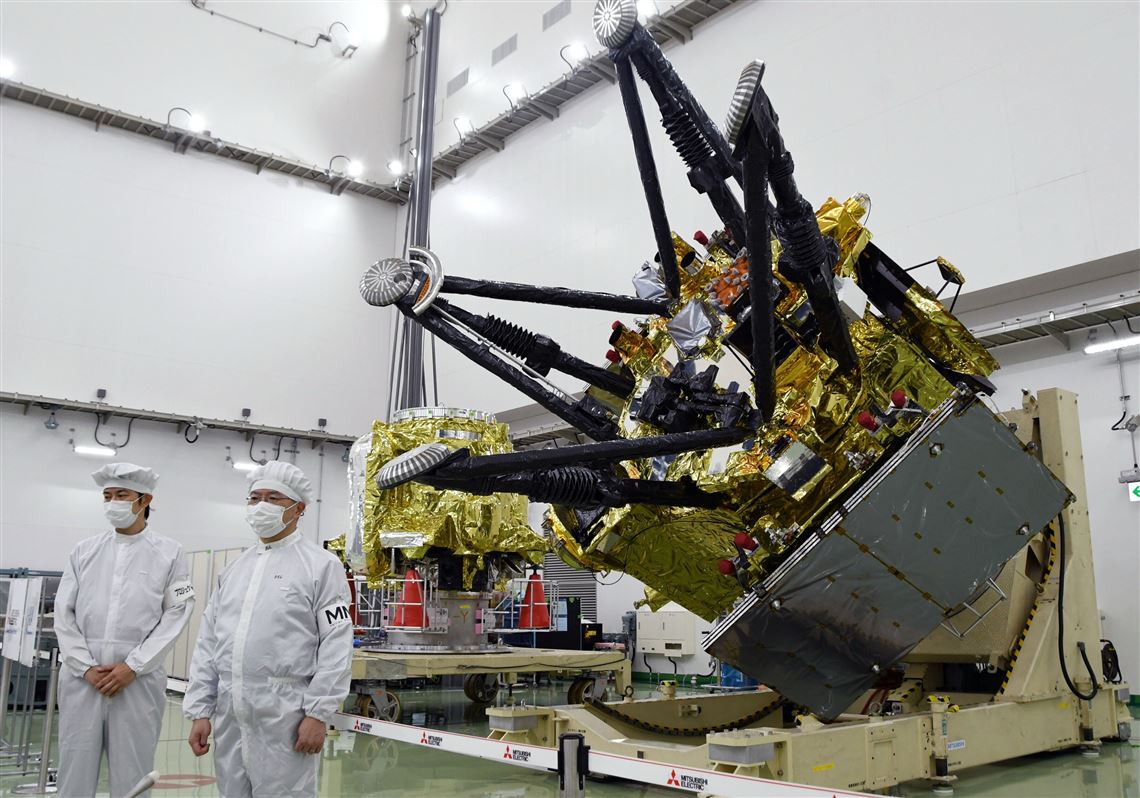
The unfolding narrative of the Artemis 3 mission centers on the Human Landing System (HLS), a critical piece of infrastructure designed to ferry astronauts from the Orion spacecraft in lunar orbit down to the treacherous, shadowed craters of the Moon’s South Pole. In its newly updated roadmap, NASA has outlined a rigorous sequence of uncrewed pathfinder missions, orbital docking trials, and thermal-vacuum testing designed to stress-test the lander before a single human steps foot inside the cabin.
Yet, this blueprint arrives at a time of intense market skepticism. The technical complexity of deep-space infrastructure scalability cannot be overstated. Unlike low-Earth orbit (LEO) operations—where automated resupply missions to the International Space Station benefit from immediate abort options and robust ground-station connectivity—deep-space lunar architecture demands autonomous navigation, cryogenic fluid management, and unprecedented levels of power systems resilience.
Enterprise stakeholders tracking aerospace supply chains note that the integration of advanced cloud compute architecture for onboard telemetry and real-time risk mitigation has introduced unexpected software validation delays. Furthermore, regulatory compliance regarding planetary protection and orbital debris tracking adds another layer of administrative friction. As aerospace executives review quarterly earnings calls, the consensus is clear: the margin for error is razor-thin, and any compromise on safety protocols could trigger catastrophic reputational and financial damage.
Comparative Metrics: Artemis Program Schedule vs. Current Reality
| Milestone / Parameter | Original NASA Projection | Current Industry Consensus | Primary Variance Drivers |
|---|---|---|---|
| Artemis 2 (Crewed Flyby) | Late 2024 | Late 2025 | Heat shield erosion analysis, life support system requalification |
| Uncrewed HLS Test Flight | Mid 2025 | Mid-to-Late 2026 | Cryogenic propellant transfer validation, propulsion system tweaks |
| Artemis 3 (Lunar Landing) | Late 2025 / 2026 | 2027 – 2028 | Lander readiness, space suit delivery, orbital refueling complexity |
| Budget Allocation Impact | Fixed-Price Baseline | Cost-Plus Overruns | Inflationary pressures on raw materials and specialized labor |
Industry & Market Implications: Who Wins and Who Loses
The delayed trajectory of the Artemis 3 test flight sends shockwaves across the global defense and aerospace economy. Market liquidity and venture capital funding for early-stage space tech startups are directly correlated with the perceived momentum of government anchor programs like Artemis. When NASA adjusts its timeline, downstream suppliers must absorb prolonged carrying costs for specialized manufacturing equipment and engineering talent.
The Winners: Prime defense contractors holding diversified portfolios with robust commercial revenue streams are best positioned to absorb timeline volatility. Furthermore, agile subsystem manufacturers specializing in advanced avionics, radiation-hardened semiconductors, and precision thrusters stand to benefit as prime contractors seek external engineering support to resolve critical path bottlenecks.
The Vulnerable: Smaller, pure-play space exploration firms that rely heavily on milestone-based government disbursements face immediate cash-flow compression if launch windows shift by 12 to 24 months. For these entities, capital preservation becomes the primary operational objective, often at the expense of aggressive research and development initiatives.
Frequently Asked Questions (People Also Ask)
Why is the Artemis 3 lander test flight experiencing delays?
The primary drivers include the immense engineering complexity of cryogenic propellant management in the vacuum of space, rigorous software verification standards for autonomous docking, and supply chain constraints impacting high-specification aerospace components. Additionally, lessons learned from thermal protection system evaluations on previous missions have forced engineers to adopt a more conservative, safety-first testing cadence.
When is the Artemis 3 uncrewed test flight actually scheduled to launch?
While NASA’s official paperwork maps out sequential testing milestones leading toward a mid-decade attempt, independent aerospace analysts and industry insiders widely project the uncrewed landing system test flight to slip into 2026, with the subsequent crewed lunar landing pushing into late 2027 or 2028.
What role do private commercial contractors play in the Artemis 3 mission?
Unlike the Apollo era, where NASA maintained direct control over prime manufacturing, the Artemis program heavily outsources the Human Landing System to commercial aerospace providers under fixed-price and milestone-driven contracts. This public-private partnership model aims to drive cost efficiencies and harness private-sector innovation, though it introduces complex cross-organizational dependencies and governance challenges.
How does a delay in Artemis 3 affect broader market valuations in the space sector?
Schedule slippage often compresses near-term valuation multiples for pure-play space equities and venture-backed startups, as projected revenue realization dates move further into the future. However, institutional investors who view the space economy through a long-term infrastructure lens often treat these delays as predictable growing pains associated with establishing a permanent industrial base beyond Earth orbit.
Future Outlook: What Comes Next and Key Milestones to Watch
As the aerospace industry recalibrates its expectations, all eyes remain fixed on upcoming ground-test data, uncrewed orbital insertion trials, and the official status reports delivered to congressional oversight committees. The coming twelve months will serve as an unsparing litmus test for private-public space partnerships.
Investors and analysts must monitor specific leading indicators: the successful execution of cryogenic fluid transfer demonstrations in low-Earth orbit, the velocity of environmental qualification testing for life-support systems, and any formal adjustments to NASA’s baseline budget allocations. Until these technical hurdles are methodically cleared, the exact launch date of the Artemis 3 moon-lander test flight will remain a moving target—symbolizing both the extraordinary ambition of modern space exploration and the humbling reality of its engineering demands.