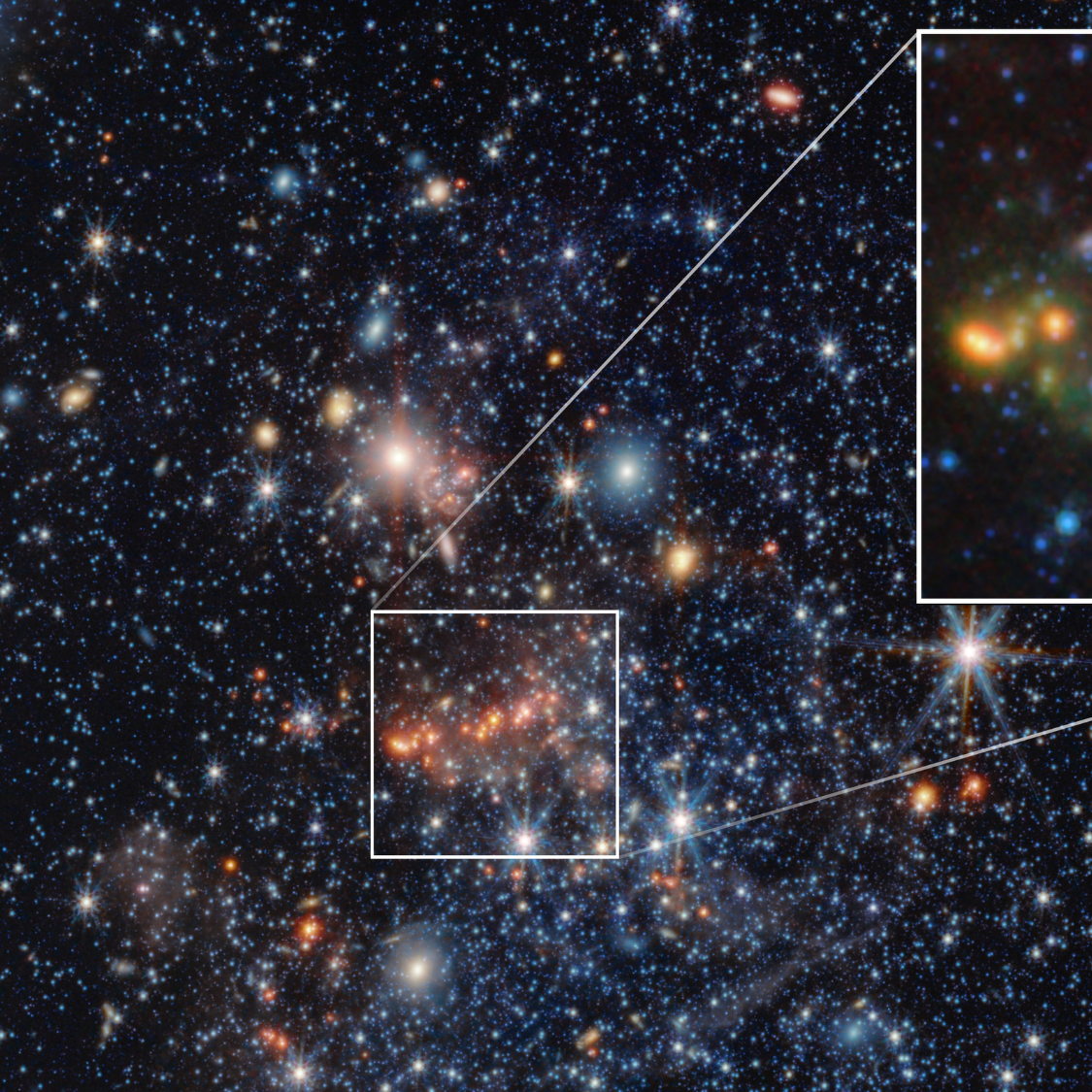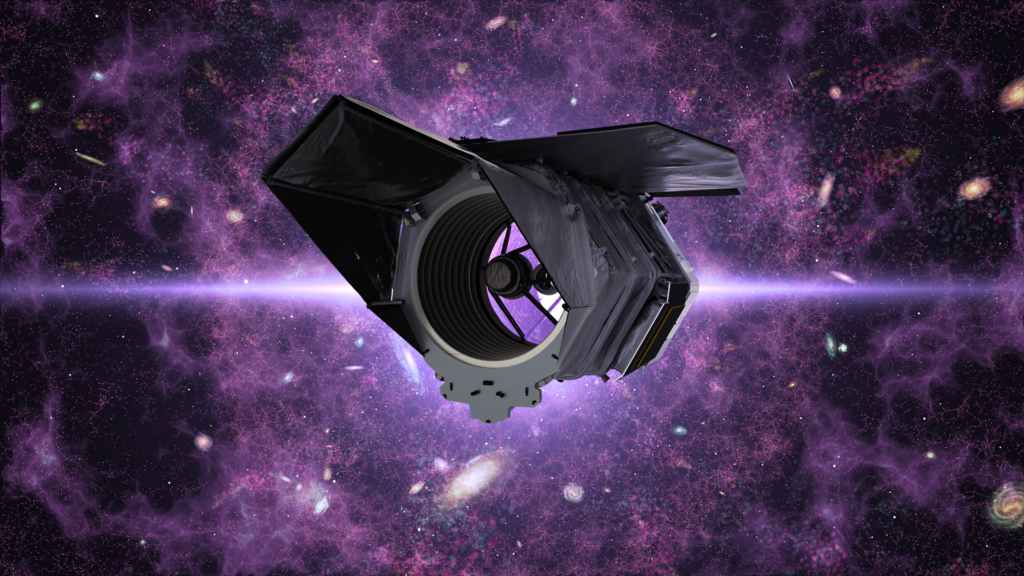
WASHINGTON — Humanity is on the precipice of a monumental shift in our understanding of the cosmos. Space exploration historians may soon look back at this exact moment as the dawn of a new astronomical epoch. NASA is officially gearing up to launch a revolutionary space telescope engineered to peer deeper into the cosmic dark, decode the atmospheric chemistry of distant exoplanets, and answer humanity’s oldest, most profound question: Are we truly alone in the universe?
Coming on the heels of groundbreaking discoveries by its predecessors, this next-generation observatory promises to shatter current scientific paradigms. Combining unprecedented infrared sensitivity, cutting-edge mirror technology, and a wide-field view that dwarfs older observatories, the mission is designed to capture light from the earliest galaxies formed in the wake of the Big Bang. For global markets, aerospace sectors, and the scientific community, the stakes—and the potential technological fallout—could not be higher.
The Dawn of a New Era in Deep Space Observation
For decades, instruments like the Hubble Space Telescope and, more recently, the James Webb Space Telescope (JWST) have pushed the boundaries of human ingenuity, delivering jaw-dropping imagery and rewriting astrophysics textbooks. However, space agencies are never content to rest on their laurels. This forthcoming launch represents a strategic evolution in NASA’s roadmap, shifting from targeted deep-space snapshots to high-throughput, panoramic cosmic cartography.
Astrophysicists and project engineers have spent years refining the optical systems and thermal shielding required to withstand the punishing environment of deep space. Unlike ground-based telescopes that must contend with the distorting effects of Earth’s atmosphere, this orbital powerhouse will operate in absolute vacuum and extreme cold, allowing its sensors to detect faint, ancient infrared signatures that have traveled billions of years across the expanding universe.
- Unprecedented Field of View: Designed to survey vast swaths of the sky hundreds of times faster than previous infrared telescopes.
- Exoplanet Characterization: Equipped with advanced spectroscopy to scan the chemical fingerprints of planetary atmospheres outside our solar system.
- Cosmic Evolution Tracking: Tracing the birth and maturation of the earliest galaxies to understand dark matter and dark energy.
- Technological Spinoffs: Innovations in lightweight optics and cryogenic cooling expected to benefit terrestrial medical imaging and computing.
Mission Metrics at a Glance

To understand the sheer scale and ambition of this upcoming NASA endeavor, a breakdown of its core operational parameters and mission objectives highlights what makes this telescope a game-changer for international science:
| Mission Parameter | Specification / Detail | Scientific Significance |
|---|---|---|
| Primary Objective | Dark energy, exoplanets, cosmic infrared background | Unlocks the mysteries of universal expansion and planetary habitability. |
| Observation Spectrum | Near-infrared to mid-infrared wavelengths | Pierces through dense cosmic dust clouds to reveal hidden stellar nurseries. |
| Operational Orbit | Sun-Earth Lagrange Point 2 (L2) | Provides a thermally stable, unobstructed view of the deep universe. |
| Expected Lifespan | 5 to 10+ years (fuel dependent) | Ensures a robust multi-year legacy of high-impact data releases. |
Why This Mission Matters Now
Beyond the pure academic thrill of charting distant star systems, missions of this magnitude carry immense strategic and economic value. The global space economy—currently valued in the hundreds of billions of dollars—thrives on the technological innovations born from deep-space exploration. Private-public partnerships are increasingly vital, as aerospace contractors, materials science firms, and software developers collaborate to meet NASA’s exacting standards.
Furthermore, public engagement with space science acts as a powerful catalyst for STEM education. As international competitors accelerate their own lunar and deep-space ambitions, NASA’s ability to deliver flagship scientific triumphs reinforces global leadership in high-tech innovation. When the telescope finally breaks free of Earth's gravity and unfurls its golden mirrors in the silence of space, it will carry the hopes of researchers worldwide who are eager to test the limits of modern physics.
The Road Ahead: Launch Preparations and Countdown
With final system integration and rigorous stress-testing successfully concluded, mission controllers are putting the spacecraft through its final pre-flight rehearsals. Every component, from the attitude control thrusters to the high-gain communication antennae, is undergoing exhaustive checks to ensure zero margin for error once the payload clears the atmosphere.
As the launch window approaches, the scientific community remains on high alert. The data returned by this telescope will not only dictate the trajectory of astronomical research for the next generation but could fundamentally alter humanity's perspective on our place in the cosmos. Stay tuned as we follow this historic countdown to liftoff.
Frequently Asked Questions
When is the official launch date, and where will it take place?
NASA is finalizing the precise launch window, targeting liftoff from its primary launch facility in the coming weeks. Mission updates and live coverage schedules are regularly published through official NASA channels.
How does this telescope differ from the James Webb Space Telescope (JWST)?
While JWST specializes in deep, highly detailed observations of specific cosmic targets, this new mission is engineered primarily for wide-field surveys. It will map large areas of the sky rapidly, allowing scientists to discover rare cosmic phenomena, transient events, and thousands of new exoplanets in a fraction of the time.