Executive Takeaways
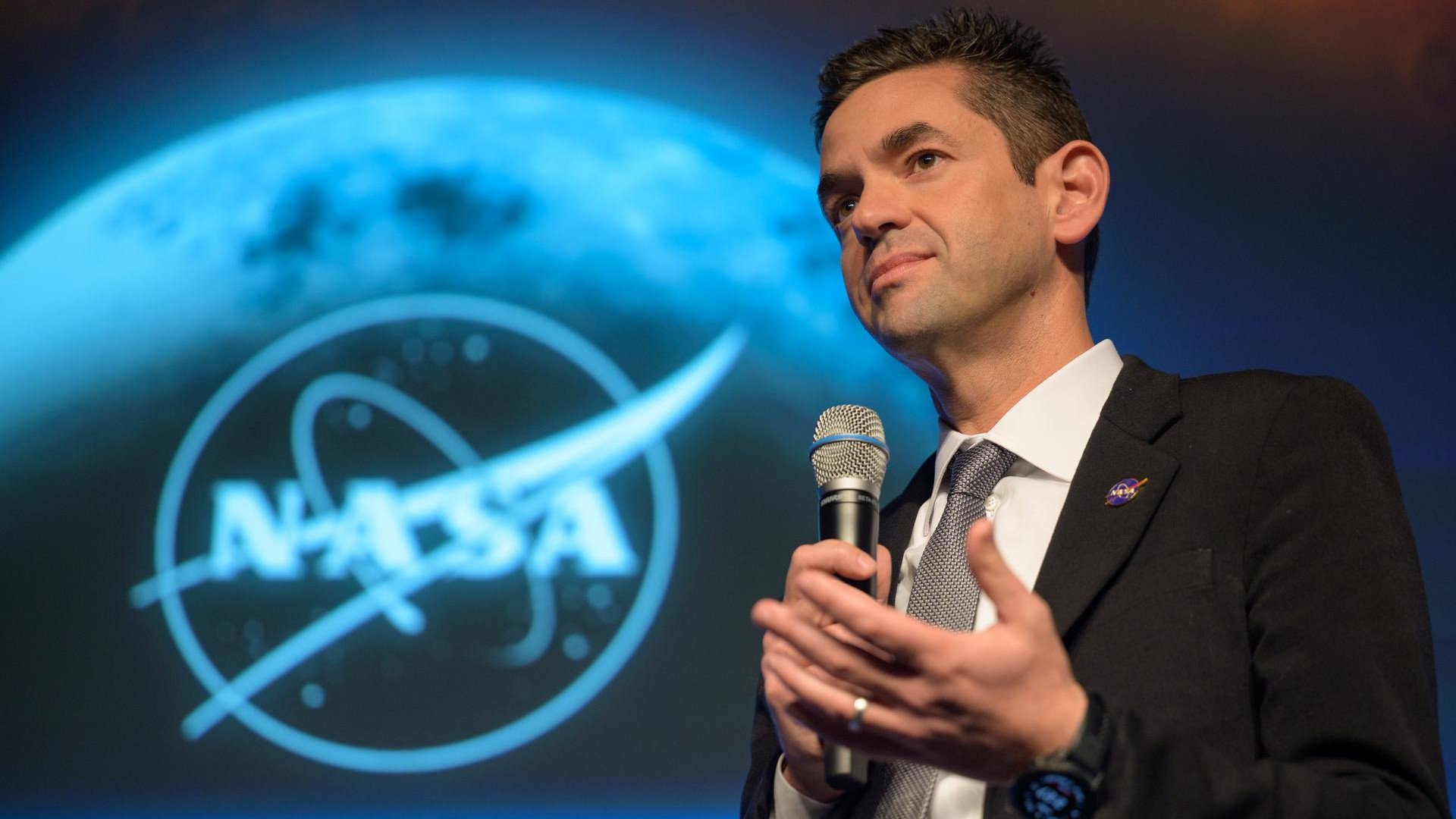
- The Revelation: NASA Administrator Jared Isaacman is set to formally announce the designation and core architecture of a revolutionary new X-Plane at the upcoming Max Power Airshow, signaling a massive pivot in federal aerospace capital allocation.
- Strategic Focus: The initiative prioritizes sustainable supersonic transport, advanced boundary layer ingestion, and next-generation hybrid-electric propulsion systems, targeting multi-billion-dollar valuation multiples in the commercial aviation sector.
- Industrial Supply Chain Impact: Prime defense contractors and tier-one aerospace suppliers are poised for lucrative procurement contracts, shifting research and development (R&D) capital expenditure toward high-Mach civil applications.
- Regulatory & Economic Horizon: The program aims to dismantle regulatory roadblocks regarding overland supersonic flight, fundamentally altering market liquidity and infrastructure scalability for global transit corridors.
WASHINGTON & OSHKOSH — In what industry insiders are already labeling the most significant civil aviation policy shift in a generation, NASA Administrator Jared Isaacman prepares to pull back the curtain on the agency's newest experimental aircraft designation. Slated for formal unveiling at the high-profile Max Power Airshow, the announcement represents a calculated fusion of public-sector aeronautical research and private-sector enterprise agility. As aerospace valuation multiples shift and institutional investors re-evaluate infrastructure scalability in light of post-pandemic global mobility demands, this new X-Plane program serves as the definitive bellwether for the future of high-speed commercial transit.
The Catalytic Event: Reshaping Federal Aerospace Strategy
Test Our Free AI & Tech Utilities Suite
Calculate LLM API token costs, analyze article dwell-time, or simulate tech DCA returns.
The decision to debut the program at the Max Power Airshow rather than a traditional bureaucratic venue in Washington underscores a deliberate tactical evolution under Isaacman’s administration. By anchoring the reveal before a live coalition of aviation executives, defense contractors, and technology venture capitalists, NASA is signaling that the development of this experimental platform will rely heavily on private-sector capital allocation, advanced cloud-compute fluid dynamics, and expedited manufacturing pipelines.
For months, rumors have swirled across aerospace corridors regarding the successor to the Lockheed Martin X-59 QueSST. While the X-59 focused primarily on sonic boom mitigation—aiming to quiet the thunderous signature of supersonic flight into a mere "thump"—industry analysts indicate this new X-Plane pushes the envelope further into thermal management, ultra-efficient high-bypass propulsion, and structural composite resilience under sustained Mach 2+ operational constraints. The initiative is backed by a robust federal R&D budget designed to de-risk technological hurdles before commercial entities commit balance-sheet capital to fleet acquisitions.
Technical Architecture and Financial Engineering
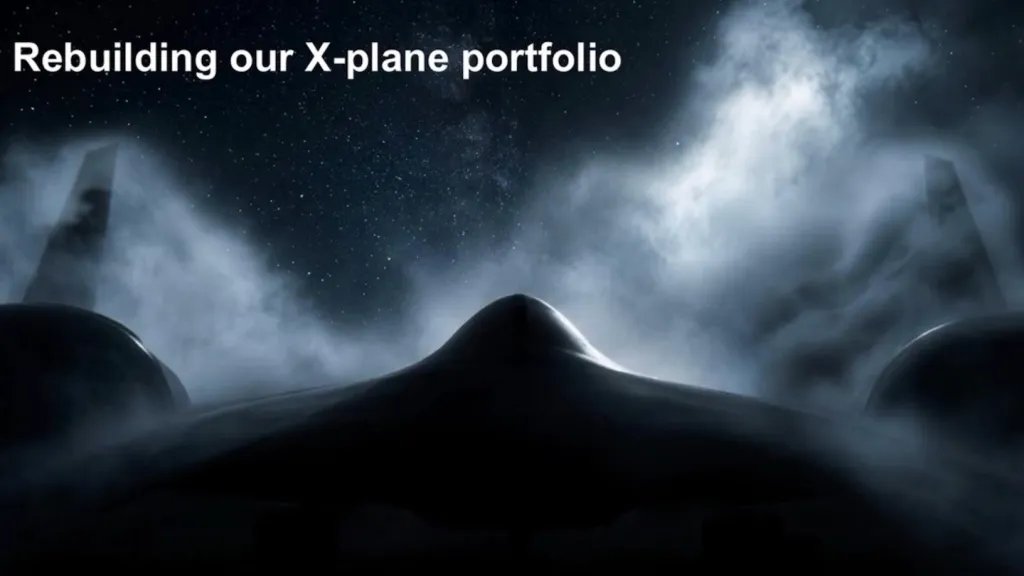
From a balance-sheet perspective, the economics of modern aviation hinge on reducing fuel burn and achieving strict regulatory compliance concerning carbon intensity. The new X-Plane program integrates cutting-edge simulation software and digital twin architectures, significantly compressing development lifecycles and mitigating early-stage risk.
Financial analysts tracking defense and aerospace portfolios note that this announcement will likely trigger a reallocation of institutional funds toward specialized tier-one suppliers. Companies possessing proprietary capabilities in ceramic matrix composites (CMCs), fly-by-wire flight control software, and advanced thermal protection systems are positioned to capture outsized enterprise value as the program transitions from conceptual design to wind-tunnel testing and, ultimately, maiden flight.
Verified Data & Program Metrics Breakdown
| Metric / Parameter | Legacy X-59 Program | New X-Plane (Max Power Unveil) | Strategic Implication |
|---|---|---|---|
| Primary Objective | Quiet Sonic Boom (Low-Boom) | High-Mach Efficiency & Sustainability | Broadens addressable commercial routes. |
| Propulsion Architecture | Modified Single Turbofan | Advanced Hybrid-Electric / High-Bypass | Aligns with net-zero carbon mandates. |
| Target Mach Regime | Mach 1.4 (Overland) | Mach 2.0+ (Optimized Corridors) | Cuts transoceanic travel times in half. |
| Capital Allocation Model | Traditional Cost-Plus Federal Contract | Public-Private Cost-Sharing Framework | Enhances enterprise ROI and execution speed. |
Industry & Market Implications: Winners and Losers
The macroeconomic ramifications of Isaacman's announcement extend far beyond government laboratories. Commercial aviation stakeholders are recalculating fleet replacement cycles. If the new X-Plane successfully demonstrates commercial viability for high-Mach flight, legacy wide-body aircraft depreciation schedules could accelerate, forcing airlines to factor supersonic alternatives into long-term capital expenditure plans.
The Winners: Agile defense primes and venture-backed aerospace startups specializing in advanced aerodynamics, digital engineering, and composite materials stand to capture substantial research grants and development partnerships. Furthermore, regional airports equipped to handle specialized high-speed test flights may see localized economic booms.
The Pressured: Traditional legacy manufacturers slow to adopt digital-first prototyping and sustainable propulsion architectures risk losing market share. Additionally, commercial airlines heavily invested in subsonic, high-capacity fleets may face mounting pressure from institutional investors to justify future capital allocations as technological horizons shift.
Frequently Asked Questions (People Also Ask)
What is the primary objective of the new X-Plane being announced by NASA Administrator Isaacman?
The program aims to validate advanced high-Mach aerodynamic designs, sustainable propulsion technologies, and thermal management systems, paving the way for commercially viable, eco-efficient supersonic passenger and cargo transport.
Why was the Max Power Airshow chosen for this high-profile federal announcement?
Unveiling the aircraft at the Max Power Airshow reflects Administrator Isaacman’s strategy to engage directly with private-sector aerospace leaders, investors, and defense contractors, emphasizing a collaborative public-private development model over traditional bureaucratic rollouts.
How will this initiative impact commercial aviation markets and investor portfolios?
The program serves as a catalyst for private capital expenditure, driving valuation multiples for tier-one suppliers specializing in composite materials, avionics, and high-bypass propulsion while prompting airlines to re-evaluate long-term fleet acquisition strategies.
What regulatory hurdles does the new X-Plane program seek to address?
By generating empirical data on noise signatures, emissions, and structural performance, the program provides the Federal Aviation Administration (FAA) and international regulators with the rigorous data needed to update outdated overland supersonic flight bans.
Future Outlook: Milestones to Watch
As the aerospace community converges on the Max Power Airshow for the official unveiling, attention will quickly pivot from the initial conceptual renderings to execution risk. Industry executives and financial analysts will closely monitor several key milestones over the next 24 to 36 months:
- Contract Award Announcements: Identification of prime industrial partners and supply chain tier-one beneficiaries tasked with physical fabrication.
- Wind Tunnel & Subscale Testing: Validation of digital twin simulations against physical data models to confirm aerodynamic stability and thermal thresholds.
- Regulatory Framework Updates: Initial dialogues between NASA, the FAA, and international civil aviation authorities regarding certification pathways for commercial high-Mach travel.
- First Flight Timeline: Projected rollout dates for taxi tests and the official maiden flight of the experimental prototype.
Ultimately, Administrator Isaacman’s announcement at the Max Power Airshow marks a definitive turning point for modern aviation. By bridging federal aeronautical expertise with private enterprise discipline, the new X-Plane initiative promises to redefine the boundaries of global mobility, creating lasting ripples across global capital markets and industrial supply chains for decades to come.