Executive Takeaways
- Capital Realignment: OpenAI has scaled back its aggressive fundraising targets amid a palpable cooling in institutional investor enthusiasm and soaring capital expenditure realities.
- ROI Realities: Venture capitalists, sovereign wealth funds, and corporate backers are increasingly demanding tangible enterprise ROI rather than speculative, long-horizon artificial general intelligence (AGI) promises.
- Infrastructure Bottlenecks: The staggering costs associated with cloud compute architecture and specialized silicon procurement are colliding directly with tightened market liquidity and compressed valuation multiples.
- Strategic Pivot: The adjustment signals a broader macroeconomic recalibration across the generative AI sector, moving away from hyper-growth at all costs toward sustainable financial discipline and risk mitigation.
SAN FRANCISCO & NEW YORK — In a definitive turning point for the artificial intelligence boom, OpenAI has quietly downsized its capital-raising ambitions, confronting a shifting financial landscape where venture capital and institutional backers are demanding sharper proof of enterprise monetization. According to confidential disclosures from market participants and wire reports tracking real-time capital flows, the frontier lab's recalibration reflects a broader cooling in investor appetite, as the market transitions from unchecked exuberance to rigorous financial scrutiny.
For months, the narrative surrounding the generative AI sector was defined by astronomical valuations and seemingly limitless capital availability. However, as the industry confronts the harsh economics of cloud compute architecture, escalating infrastructure scalability hurdles, and elongated monetization timelines, institutional investors are reassessing their capital allocation strategies. The decision by OpenAI to moderate its funding targets marks a watershed moment, suggesting that even the undisputed market leader is not immune to the gravitational pull of macroeconomic reality and valuation discipline.
The Catalyst: From Unchecked Exuberance to Capital Discipline
Test Our Free AI & Tech Utilities Suite
Calculate LLM API token costs, analyze article dwell-time, or simulate tech DCA returns.
The genesis of this strategic pivot lies in the sheer magnitude of resources required to train and deploy frontier large language models (LLMs). Building next-generation clusters demands billions of dollars in specialized silicon, unprecedented electrical grid capacity, and massive data center footprints. Earlier capital-raising cycles were characterized by aggressive valuation multiples driven by fear-of-missing-out (FOMO) dynamics among corporate venture arms and traditional asset managers alike.
However, as capital markets grapple with higher-for-longer interest rates and tighter market liquidity, Limited Partners (LPs) are exerting pressure on General Partners (GPs) to prioritize risk mitigation and near-term revenue generation over speculative, multi-year research bets. Enterprise buyers, while enthusiastic about efficiency gains, are moving methodically through proof-of-concept phases rather than executing sweeping, unbudgeted enterprise-wide deployments. This friction between blistering R&D burn rates and measured enterprise adoption has created a widening valuation gap, forcing OpenAI and its banking advisors to adapt their fundraising playbook.
Financial Metrics and Market Realignment
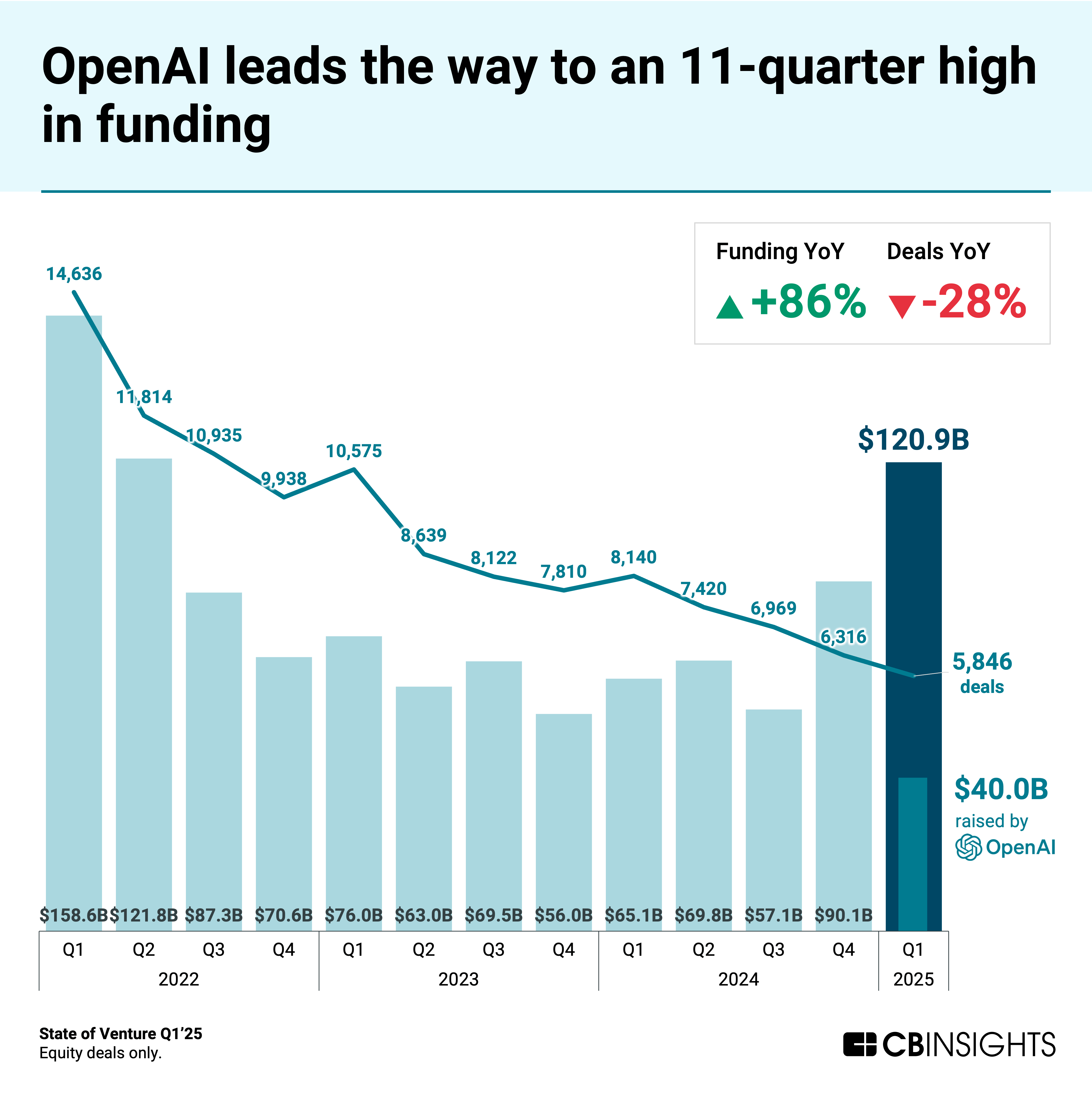
To understand the current adjustment, one must analyze the underlying financial vectors driving the artificial intelligence ecosystem. The table below outlines the structural shift in funding dynamics, capital expenditure pressures, and investor sentiment across the broader tech landscape.
| Metric / Parameter | Previous Market Cycle (2023–Early 2024) | Current Market Reality (Late 2024–Present) |
|---|---|---|
| Funding Target Ambitions | Uncapped, hyper-aggressive expansion goals | Pragmatically right-sized to match near-term commitments |
| Investor Sentiment | Growth-at-all-costs; speculative FOMO | Demanding enterprise ROI and clear path to profitability |
| Infrastructure Focus | Raw compute accumulation and hardware hoarding | Energy efficiency, infrastructure scalability, and cost optimization |
| Regulatory & Compliance Scrutiny | Secondary priority relative to speed-to-market | Front-and-center risk mitigation and governance framework |
Industry & Market Implications: Winners and Losers
The cooling of investor appetite for high-burn AI ventures sends immediate shockwaves across the global technology landscape, fundamentally altering competitive dynamics among hyperscalers, venture funds, and enterprise clients.
Who Wins
- Enterprise Software Incumbents: Companies with established customer moats, robust distribution channels, and sticky workflows (such as Microsoft, Salesforce, and enterprise ERP providers) are well-positioned to integrate AI features without absorbing exorbitant standalone R&D costs.
- Disciplined Infrastructure Providers: Cloud providers and silicon manufacturers focusing on power efficiency, proprietary optimization chips, and modular architecture will capture budgets from buyers seeking cost-effective scalability.
- Pragmatic VCs: Investors who resisted the peak-valuation frenzy now hold dry powder to back lean, highly efficient B2B SaaS startups that solve narrow enterprise pain points rather than burning capital on foundational model training.
Who Loses
- Asset-Heavy Challenger Labs: Smaller, independent foundation model developers lacking proprietary data moats or deep-pocketed corporate backers will find fundraising nearly impossible in a risk-off climate.
- Pure-Play Compute Speculators: Data center developers and secondary hardware brokers who banked on an endless upward trajectory in GPU demand face potential margin compression and inventory adjustments.
Frequently Asked Questions (People Also Ask)
Why is OpenAI cutting its funding target?
The adjustment stems from a combination of cooling institutional investor appetite, escalating costs of cloud compute infrastructure, and a broader market demand for demonstrated enterprise ROI rather than speculative long-term promises.
How are investors shifting their focus in the generative AI sector?
Investors are moving away from growth-at-all-costs models toward rigorous capital allocation, risk mitigation, and companies that can prove immediate operational efficiency and clear pathways to sustainable profitability.
What does this mean for enterprise adoption of AI?
Enterprise buyers are adopting a more deliberate, methodical approach. While demand for efficiency tools remains strong, corporate IT budgets are increasingly tied to strict compliance, regulatory adherence, and verifiable return on investment.
Are valuation multiples contracting across the AI industry?
Yes. As market liquidity tightens and macroeconomic pressures persist, private market valuation multiples for capital-intensive tech startups are normalizing to reflect realistic operational revenues and cash flow expectations.
Future Outlook: Milestones to Watch
As the artificial intelligence industry matures past its initial hype cycle, the coming quarters will serve as a critical stress test for both infrastructure providers and application developers. Market watchers and financial analysts should monitor several key milestones:
- Enterprise Renewal Rates: The conversion rate of initial pilot programs into multi-year enterprise contracts will dictate whether generative AI software can sustain high valuation premiums.
- Infrastructure Efficiency Breakthroughs: Innovations in model quantization, smaller distilled models, and energy-optimized silicon will be vital for reducing operational burn rates.
- Regulatory and Compliance Frameworks: The implementation of formal governance standards across major global jurisdictions will shape enterprise risk mitigation strategies and deployment timelines.
Ultimately, OpenAI's recalibration should not be interpreted as the deflation of the AI revolution, but rather its painful and necessary maturation into an accountable, economically disciplined sector.