Modi’s High-Stakes Cabinet Huddle: Inside the Thursday Blueprint to Reshape India’s Economic Engine
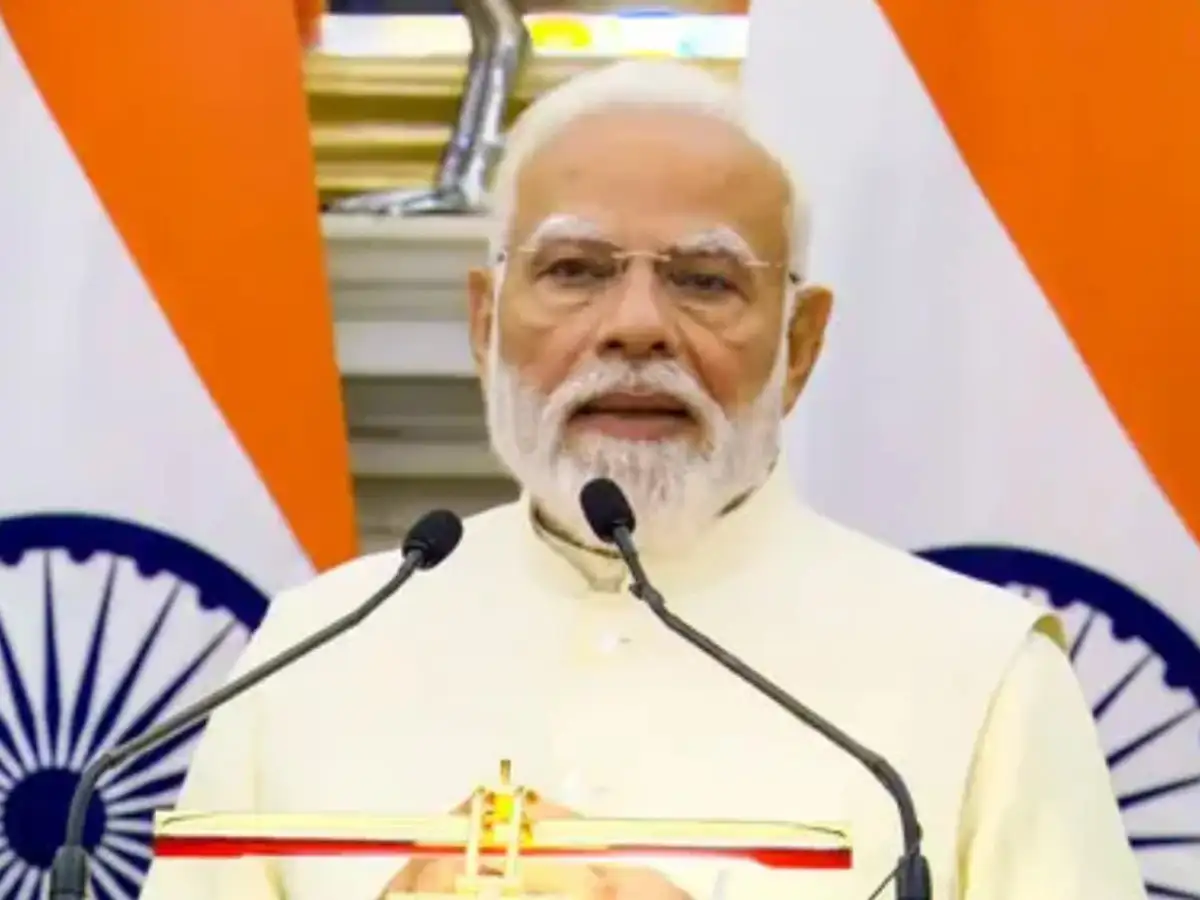
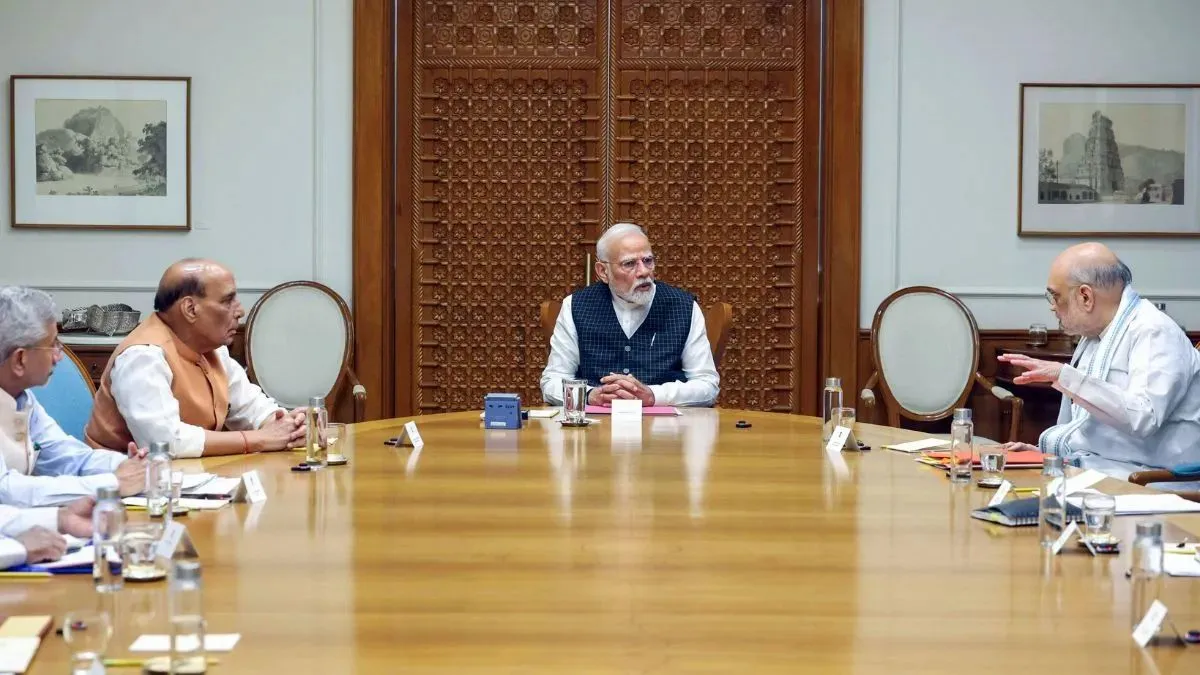
NEW DELHI — In what is being viewed as the most critical mid-term strategic alignment of his third term, Prime Minister Narendra Modi has convened a full meeting of the Union Council of Ministers this Thursday. According to senior government officials familiar with the development, the high-level gathering will transcend routine governance, serving as a rigorous performance audit and a blueprinting session for the next phase of India’s economic and infrastructure rollout.
The meeting, scheduled at a time when global markets are closely watching India's domestic consumption patterns and fiscal trajectory, will feature exhaustive presentations from key ministries. Bureaucratic circles suggest that PM Modi is looking to eliminate policy bottlenecks and accelerate executive action before the monsoon season slows infrastructure momentum.
The Core Agenda: Execution, Accountability, and Viksit Bharat 2047
While the administration regularly holds cabinet briefings, a full assembly of the Council of Ministers — which includes Cabinet Ministers, Ministers of State (Independent Charge), and Ministers of State — indicates a major administrative push. Insiders reveal that the Prime Minister's Office (PMO) has set a demanding agenda focused on concrete deliverables rather than policy intent.
The overarching theme of Thursday’s presentations is the alignment of individual ministerial goals with the "Viksit Bharat 2047" (Developed India 2047) vision. However, the immediate focus remains highly tactical: addressing inflation, boosting private capital expenditure (capex), and expediting critical infrastructure projects.
Key Ministries Under the Scanner
- Ministry of Finance: Expected to present an updated roadmap on fiscal consolidation, tax collection targets, and strategies to stimulate rural consumption without triggering inflationary pressures.
- Ministry of Commerce & Industry: Slated to outline the status of ongoing Free Trade Agreement (FTA) negotiations with key western partners and measures to revive sluggish export sectors.
- Infrastructure Cohort (Railways, Road Transport, and Power): Under pressure to showcase physical progress reports of flagship corridors and address execution delays before the heavy monsoon season begins.
- Ministry of Electronics & IT (MeitY): Set to update the council on the semiconductor manufacturing ecosystem and local capability building under the revised PLI (Production Linked Incentive) schemes.
A Deep Dive into the Presentation Blueprints
Unlike previous review meetings, Thursday's session is expected to feature highly data-driven presentations. Senior secretaries have reportedly spent the last fortnight preparing granular slide decks detailing target-versus-achievement metrics.
The table below outlines the primary areas of evaluation and the key metrics the Prime Minister's Office will be scrutinizing during the Thursday presentations:
| Ministry Focus Area | Primary Objective | Key Performance Indicator (KPI) |
|---|---|---|
| Macroeconomic Stability | Controlling food inflation and managing the fiscal deficit target. | CPI Inflation remaining below the 4.5% threshold; smooth divestment pipelines. |
| Trade & Commerce | Boosting non-oil exports and diversifying global supply chains. | Integration of MSMEs into global value chains; reduction in logistical transaction costs. |
| Infrastructure Delivery | Ensuring rapid completion of national highway networks and railway safety upgrades. | Daily highway construction rate exceeding 35 km/day; deployment of Kavach safety systems. |
| Digital & Tech Sovereignty | Domestic chip fabrication and expansion of AI computing infrastructure. | Groundbreaking timelines of approved semiconductor fabrication plants. |
Why This Meeting Matters for Global Investors
For international markets and multinational corporations, this meeting serves as an essential barometer of India's policy stability and regulatory speed. As global manufacturing firms seek viable alternatives to China under the "China+1" strategy, the speed of Indian bureaucratic clearances is under intense global scrutiny.
By forcing a collective ministerial review, PM Modi is sending a clear message to both domestic industries and international investors: the administration is focused on execution. The discussions are also expected to lay the groundwork for the legislative agenda of the upcoming Monsoon Session of Parliament, where crucial economic reforms, including labor code updates and digital data compliance guidelines, are expected to be tabled.
Political Undercurrents and Administrative Re-engineering
Beyond the spreadsheets and economic metrics, the Thursday meeting carries significant political weight. With crucial state assembly elections on the horizon, the ruling coalition is keen to demonstrate high-velocity governance. The Prime Minister is expected to emphasize the need for ministers to spend more time on the ground, ensuring that central welfare schemes are reaching beneficiaries without leakages.
There are also whispers within New Delhi's power corridors that this comprehensive performance review could serve as the foundation for a minor cabinet reshuffle. Ministers who demonstrate exceptional administrative competence and high project completion rates are likely to see their portfolios expanded, while underperformers could see their responsibilities trimmed.
Future Outlook: Transitioning from Policy to Execution
As the Council of Ministers prepares to gather on Thursday, the mandate is unambiguous. The era of launching new schemes has temporarily paved the way for the rigorous, operational phase of completing existing projects. The outcome of this meeting will dictate India’s macroeconomic policy posture for the remainder of the fiscal year, signaling whether the world’s fastest-growing major economy can successfully translate policy intent into ground-level reality.
Frequently Asked Questions (FAQs)
1. What is the significance of a full Council of Ministers meeting compared to a standard Cabinet meeting?
A standard Cabinet meeting typically comprises only senior cabinet-rank ministers who make key policy decisions. A full Council of Ministers meeting includes all tiers of ministers, including Ministers of State. This broader gathering is used to align the entire government machinery, ensure cross-departmental coordination, and communicate direct execution mandates from the Prime Minister to every level of political leadership.
2. How does this meeting impact India's economic policy for the rest of 2026?
The presentations made by the Finance, Commerce, and Infrastructure ministries during this meeting will establish the budgetary and execution priorities for the quarters ahead. It will likely fast-track clearances for major infrastructure projects, streamline bureaucratic bottlenecks for foreign direct investments, and set the tone for the market-friendly reforms expected in the upcoming sessions of Parliament.