
The Holy Grail of Electrification: Inside the 12 GWh Gigafactory Gamble to Break Cost Parity for Solid-State Batteries
Test Our Free AI & Tech Utilities Suite
Calculate LLM API token costs, analyze article dwell-time, or simulate tech DCA returns.
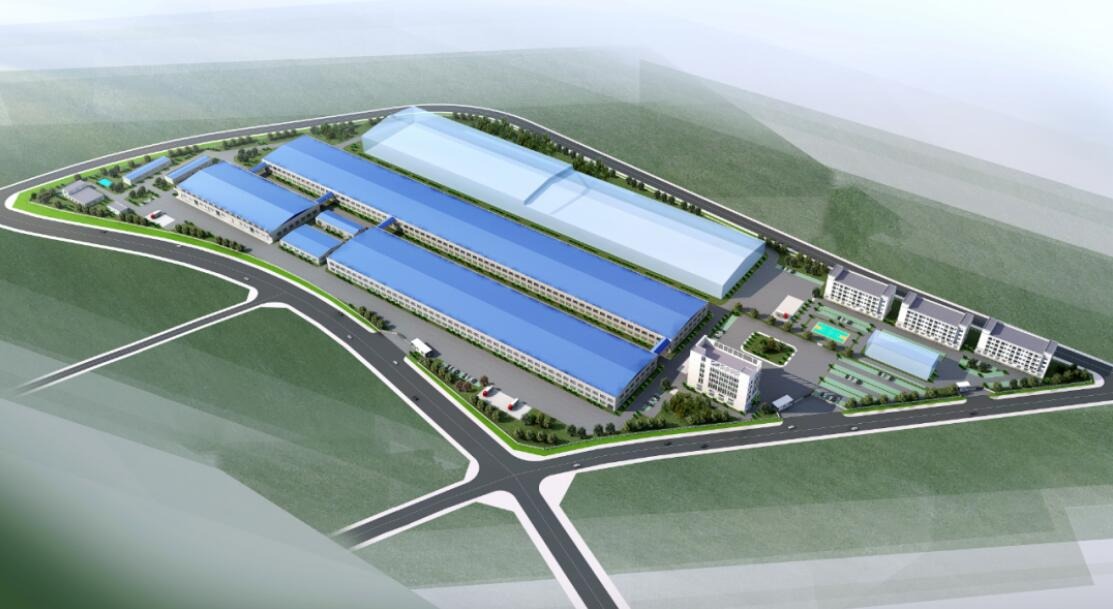
As legacy automakers and venture-backed innovators race to eliminate range anxiety, one pioneering solid-state manufacturer is deploying a massive 12 GWh production footprint. The objective: shatter the economic barrier that has kept next-generation energy storage perpetually out of reach.
Executive Takeaways
- Massive Scale Deployment: The targeted rollout of 12 GWh of manufacturing capacity marks the definitive transition of solid-state technology from laboratory validation to commercial-grade infrastructure scalability.
- The Cost Parity Threshold: By attacking manufacturing bottlenecks, the initiative aims to drive cell production costs down to parity with traditional liquid electrolyte lithium-ion batteries—historically priced around $100/kWh.
- Capital Allocation & ROI: Institutional investors are closely monitoring the enterprise ROI and risk mitigation strategies tied to this multi-billion-dollar capex cycle amidst fluctuating global commodity markets.
- Competitive Disruption: Achieving cost parity while retaining superior energy density and thermal stability threatens to compress valuation multiples for incumbent cell makers relying on legacy wet-chemistry architectures.
The Catalytic Shift: Moving Beyond the Laboratory
For over a decade, the holy grail of electrochemical energy storage has been the solid-state battery (SSB). By replacing the volatile, flammable liquid organic electrolytes found in standard lithium-ion cells with a solid ceramic, glass, or polymer separator, scientists promised an era of ultra-fast charging, double the volumetric energy density, and absolute elimination of thermal runaway risks. Yet, the transition from academic breakthrough to industrial reality has been crippled by astronomical manufacturing costs, interfacial resistance issues, and an inability to scale thin-film separators.
That paradigm shifted decisively on July 17, 2023, when industry trackers at Notebookcheck and primary market intelligence networks highlighted a monumental industrial pivot: an aggressive, capital-intensive rollout of 12 GWh of dedicated solid-state factory capacity. This is not a pilot line or a boutique research facility; this is a commercial-grade giga-scale deployment designed to force unit economics down to the sacred threshold of liquid electrolyte cost parity.
In the high-stakes arena of electric vehicle (EV) supply chains, cost is the ultimate arbiter of survival. While legacy nickel-manganese-cobalt (NMC) and lithium-iron-phosphate (LFP) cells have benefited from decades of cumulative manufacturing refinement—hovering near the $100 to $120 per kilowatt-hour (kWh) pack level—solid-state alternatives have historically suffered from yield rates too low and material handling costs too high to compete outside of niche aerospace or luxury defense applications. The newly unveiled 12 GWh production capacity represents a calculated bet that volume-driven economies of scale, combined with advanced dry-room processing and continuous roll-to-roll manufacturing, can break this structural cost disadvantage.
Engineering the Economics: Overcoming Manufacturing Friction
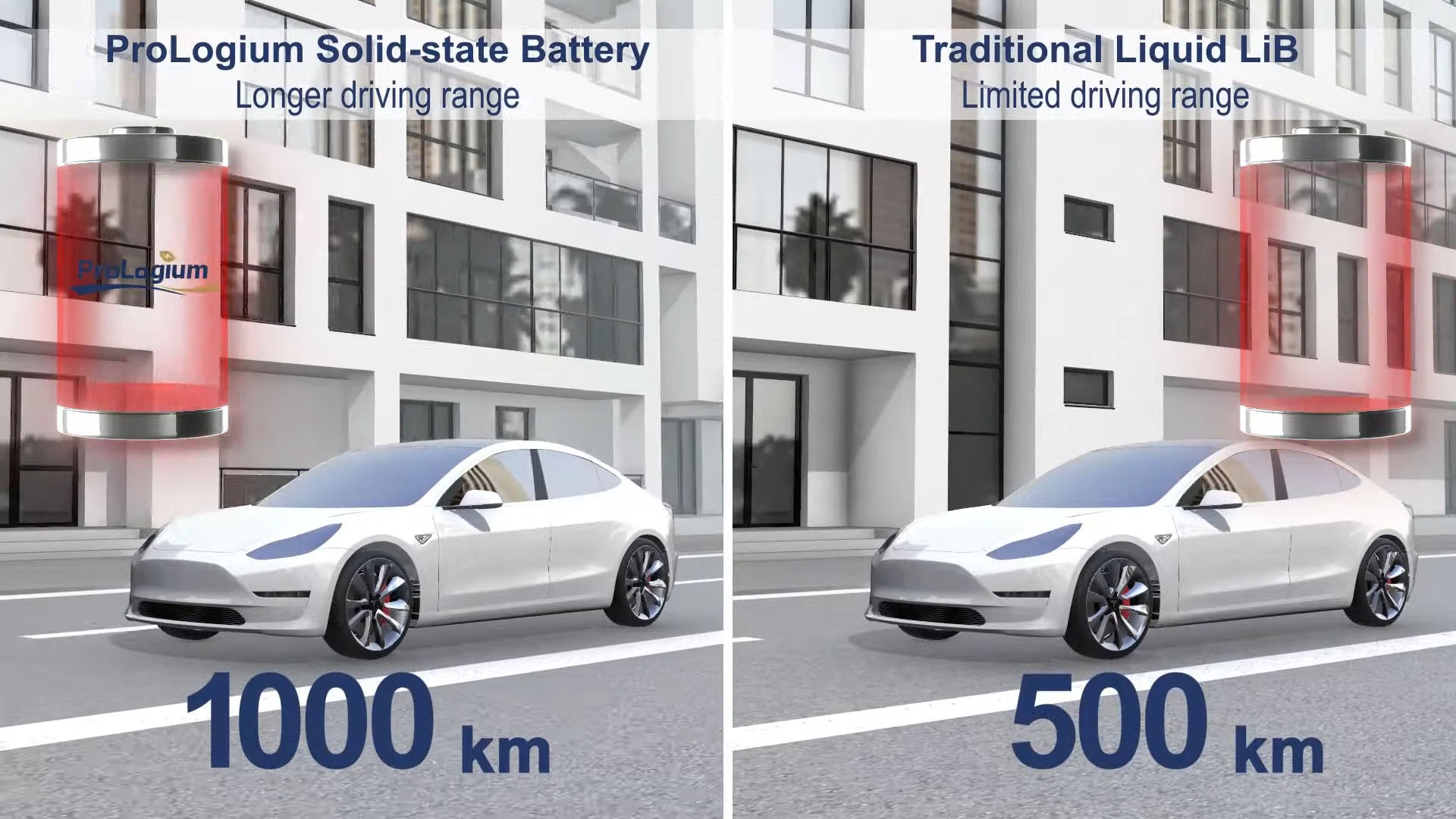
Achieving cost parity with liquid electrolyte EV cells requires a ruthless dissection of bill-of-materials (BOM) costs and factory throughput metrics. In a traditional wet-cell facility, massive amounts of energy are expended in solvent recovery systems to dry toxic NMP (N-Methyl-2-pyrrolidone) slurries. Solid-state manufacturing, depending on the electrolyte chemistry (sulfide- vs. oxide-based), introduces its own set of engineering hurdles, including ultra-sensitive moisture-free cleanrooms and high-pressure sintering equipment.
To circumvent these bottlenecks, the entity behind the 12 GWh expansion has restructured its supply chain partnerships and streamlined powder synthesis techniques. By localizing precursor sourcing and implementing proprietary high-speed coating heads, the operation reduces scrap rates—traditionally the Achilles' heel of ceramic separator production. From an enterprise risk mitigation standpoint, diversifying raw material inputs shields the balance sheet from extreme spot-market volatility in lithium carbonate and cobalt, ensuring that capital expenditure translates into predictable gross margins.
Furthermore, cloud compute architecture and IoT-enabled sensor arrays are being integrated directly into the factory floor to monitor deposition uniformity and ionic conductivity in real-time. This level of advanced process control guarantees that the 12 GWh output meets stringent automotive qualification standards, minimizing costly warranty liabilities for OEM customers who demand rigorous regulatory compliance and cycle-life durability.
Verified Data & Metrics Breakdown
The following comparative matrix illustrates the projected trajectory of solid-state deployment against established liquid electrolyte benchmarks, highlighting critical performance and economic vectors.
| Metric / Parameter | Legacy Liquid Electrolyte (NMC/LFP) | Next-Gen Solid-State (12 GWh Rollout) |
|---|---|---|
| Target Production Capacity | Hundreds of GWh globally | 12 GWh initial commercial scale |
| Estimated Cell Cost (Per kWh) | $100 – $130 (Mature scale) | Targeting sub-$100 parity at volume |
| Volumetric Energy Density | 600 – 800 Wh/L | 900 – 1,100+ Wh/L |
| Charging Time (10% to 80%) | 18 – 30 minutes (Fast-charge degradation risk) | 10 – 15 minutes (High thermal threshold) |
| Safety & Thermal Risk | Moderate (Requires active cooling & fire mitigation) | Extremely Low (Non-flammable solid electrolyte) |
Industry & Market Implications: Winners and Losers
The strategic deployment of a 12 GWh solid-state manufacturing footprint sends powerful shockwaves through the global automotive and financial sectors. Market liquidity and venture capital flows are expected to pivot sharply toward firms capable of executing hardware scaling, while pure-play software or concept-stage battery developers face severe valuation multiple contractions.
Who Wins?
- Forward-Thinking Automotive OEMs: Manufacturers who secure offtake agreements early will gain an immediate marketing and performance advantage, offering 600+ mile ranges without weight penalties.
- Specialized Equipment & Automation Vendors: Companies providing precision dry-room machinery, laser-welding, and automated inline metrology will experience unprecedented revenue growth.
- Institutional Investors: Early-stage private equity and venture funds positioned in tier-1 solid-state innovators stand to capture substantial equity appreciation upon successful public listings or strategic buyouts.
Who Loses?
- Legacy Wet-Cell Producers Slow to Pivot: High-volume cell makers entrenched in traditional lithium-ion chemistries risk stranded assets if they fail to adapt their gigafactories to hybrid or solid-state formats.
- Commodity Speculators Betting on High Cobalt/Nickel Prices: Advanced solid-state architectures frequently enable high-voltage cathode designs and lithium-metal anodes that reduce reliance on costly critical minerals, depressing long-term futures outlooks for specific mining sectors.
Frequently Asked Questions (People Also Ask)
What does a 12 GWh factory capacity mean for EV adoption?
A 12 GWh manufacturing capacity is sufficient to supply roughly 120,000 to 150,000 long-range electric vehicles annually (assuming an average 80 kWh pack size). While this represents a fraction of total global automotive output, it serves as the critical commercial proving ground required to validate mass-production economics, paving the way for hundreds of gigawatt-hours of subsequent factory expansions.
How does solid-state technology achieve cost parity with liquid electrolyte cells?
Cost parity is achieved by driving down material processing costs, eliminating complex liquid electrolyte filling steps, increasing energy density (which reduces the total volume of raw materials needed per kWh), and leveraging high-speed roll-to-roll manufacturing lines that drastically improve yield rates and reduce scrap waste.
What are the primary financial and engineering risks associated with this rollout?
Key risks include unexpected yield loss during early production runs, supply chain bottlenecks for specialized ceramic or sulfide precursors, high initial capital expenditure (capex) amortization, and the rigorous automotive validation timelines required before commercial vehicle integration.
When will consumer EVs powered by solid-state batteries hit dealership lots?
With 12 GWh of factory capacity ramping up through the mid-2020s, initial low-volume luxury and high-performance vehicle deployments are slated to scale toward broader commercial fleet integration before the decade's end, depending on the speed of OEM crash-testing and thermal validation.
Future Outlook & Key Milestones to Watch
As institutional capital continues to flow into advanced energy infrastructure, the success or failure of this 12 GWh solid-state initiative will serve as the litmus test for the entire electrification sector. Analysts and portfolio managers should monitor three critical milestones over the next 24 to 36 months:
- First-Article Yield Metrics: Independent verification of factory scrap rates and steady-state operational efficiency as the 12 GWh line reaches nameplate capacity.
- Automotive OEM Offtake Conformance: Public disclosures regarding binding supply contracts with Tier-1 vehicle manufacturers and completed crash-safety certifications.
- Capital Expenditure & Cash Burn Trajectory: Quarterly financial disclosures tracking gross margin progression and the path toward EBITDA break-even on the new production lines.
Should these operational benchmarks be met, the paradigm of electric mobility will undergo a permanent, irreversible transformation—cementing solid-state technology not as an elusive laboratory dream, but as the undisputed backbone of the 21st-century global energy economy.


