Executive Takeaways
- Spillover Effect: Asian equity futures are flashing red following a severe Wall Street technology rout driven by mounting skepticism over enterprise artificial intelligence (AI) monetization and infrastructure scalability.
- 圧縮 Valuation Compression: High-multiple semiconductor leaders, cloud-compute providers, and Asian electronics contract manufacturers face immediate capital allocation reassessments.
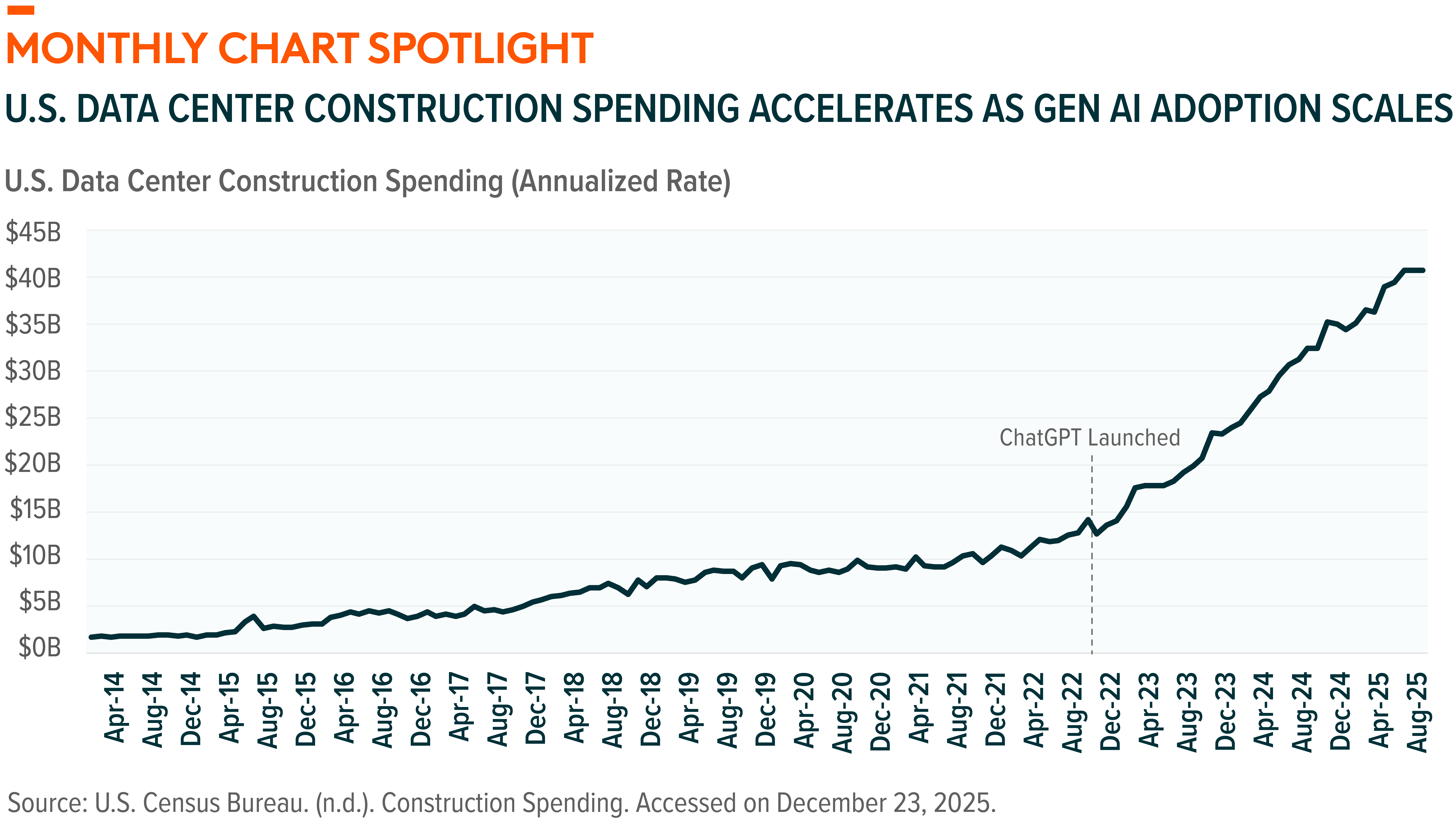
- The Capex Paradox: Institutional investors are increasingly scrutinizing massive capital expenditures by hyperscalers against delayed real-world enterprise return on investment (ROI).
- Liquidity Shift: Risk-off sentiment is rippling through foreign exchange and regional bond markets, prompting heightened hedging and aggressive risk mitigation strategies among institutional asset managers.
The Anatomy of a Tech Correction: Wall Street’s AI Reckoning
Test Our Free AI & Tech Utilities Suite
Calculate LLM API token costs, analyze article dwell-time, or simulate tech DCA returns.
Global financial markets have entered a volatile inflection point. Following a brutal session on Wall Street where high-flying technology and artificial intelligence flagships suffered sharp valuation contractions, Asian equity indices are bracing for a severe sympathetic sell-off. The prevailing narrative—which for nearly two years treated generative AI infrastructure as an infallible growth engine—is undergoing an aggressive stress test. Institutional portfolio managers and quantitative funds are rapidly unwinding leveraged positions as questions mount regarding enterprise ROI, hardware obsolescence cycles, and unsustainable capital expenditure (capex) trajectories among the world's largest cloud service providers.
The contagion began in New York, where bellwether semiconductor manufacturers and enterprise software architects experienced steep losses. Investors are no longer rewarding unchecked top-line revenue growth fueled by accelerated computing chip orders. Instead, market participants are demanding rigorous balance sheet transparency, measurable productivity gains from enterprise deployments, and clear pathways to sustainable monetization. As Wall Street's technology-heavy indices breached key technical support levels, algorithmic trading desks initiated automated sell programs, creating a liquidity vacuum that is now washing over Asian trading floors.
In Asian markets, the impact is expected to hit hardest among companies directly integrated into the global AI hardware supply chain. From advanced lithography providers in the Netherlands and high-end memory chipmakers in South Korea to silicon foundries in Taiwan and electronic component assemblers in mainland China and Japan, the ripple effects of slowing hyperscaler orders and margin compression will be felt immediately. The euphoria that pushed regional tech benchmarks to historic valuations is giving way to a sober reality: hardware demand cannot indefinitely outpace end-market enterprise software adoption.
Catalysts of the Rout: Capex Realities and Structural Headwinds
To understand the depth of the current market correction, one must examine the fundamental disconnect between capital allocation by technology giants and the financial returns realized by their corporate customers. Over the past twenty-four months, hyperscale cloud providers have committed hundreds of billions of dollars to cloud compute architecture, data center expansion, and specialized neural processing units. However, enterprise chief information officers (CIOs) are reporting prolonged sales cycles and complex regulatory compliance hurdles when attempting to integrate generative AI into legacy systems.
This friction has created a widening gap between projected revenue models and actual operational cash flows. Consequently, sell-side analysts have begun downgrading earnings estimates for major hardware suppliers, citing risks of inventory gluts and pricing power erosion. Furthermore, macroeconomic headwinds—including persistent core inflation prints, delayed central bank monetary easing cycles, and tightening global market liquidity—have compounded the pressure on growth-oriented technology valuations.
As risk premiums expand, asset allocators are executing aggressive risk mitigation maneuvers, rotating capital out of high-beta technology equities and into defensive sectors such as utilities, healthcare, and consumer staples. This structural rotation is exacerbating the downward momentum in Asian indices, where technology weightings have historically commanded outsized influence on benchmark performance.
Market Metrics & Comparative Performance Breakdown
| Index / Asset Class | Recent Session Trend | Primary Driver / Catalyst | Institutional Sentiment |
|---|---|---|---|
| Nasdaq Composite | Sharp Decline (-2.8%) | AI monetization skepticism, valuation multiples reset. | Risk-Off / Hedging |
| MSCI Asia Pacific Index Futures | Downside Gap Expected | Wall Street tech spillover, semiconductor supply chain fears. | Defensive Rotation |
| Philadelphia Semiconductor Index (SOX) | Heavy Liquidation | Capex fatigue, hardware order visibility concerns. | Profit Taking |
| U.S. Treasury 10-Year Yield | Yield Compression | Safe-haven bond buying amid equity volatility. | Duration Extension |
Industry & Market Implications: Winners, Losers, and Economic Ripples
The correction in tech equities is not uniform; it is forcing a sophisticated sorting mechanism across global industries. Understanding who bears the brunt of this adjustment and who stands to capture defensive inflows is critical for institutional portfolio construction.
The Losers: High-Beta Semiconductor & Upstream Hardware Manufacturers
Asian economies heavily reliant on semiconductor exports—notably South Korea, Taiwan, and Japan—face immediate headwinds. Companies operating at the bleeding edge of silicon wafer fabrication, high-bandwidth memory (HBM) production, and advanced packaging are vulnerable to order adjustments. If major U.S. hyperscalers moderate their capital expenditure growth projections for data center infrastructure, tier-one Asian suppliers will experience direct top-line contraction and compressed operating margins.
The Winners: Cash-Rich Defensives & Infrastructure Plays
As capital flees speculative technology assets, money managers are channeling liquidity into cash-generating, dividend-paying defensive equities. Telecommunications operators with stable subscription models, regulated utilities powering the grid transitions, and well-capitalized financial institutions are seeing renewed interest. Furthermore, fixed-income instruments, particularly high-grade sovereign bonds, are attracting safe-haven capital as yields adjust downward in response to rising market anxiety.
Frequently Asked Questions (People Also Ask)
Why are Asian stocks falling in response to Wall Street's tech rout?
Asian equity markets maintain a high degree of integration with U.S. technology supply chains, particularly in semiconductors, consumer electronics, and cloud infrastructure components. When U.S. tech stocks experience valuation corrections due to AI monetization concerns, global institutional investors aggressively rebalance regional portfolios, leading to synchronized sell-offs across Asian bourses.
What are the primary concerns driving the current skepticism around artificial intelligence?
Institutional investors are increasingly worried about the vast capital expenditures (capex) required to build and maintain AI data centers relative to the slower-than-expected return on investment (ROI) realized by enterprise corporate clients. Concerns regarding hardware saturation, high energy consumption costs, and delayed enterprise software adoption have fueled valuation compression.
How are institutional portfolio managers adjusting their risk mitigation strategies?
Asset managers are executing tactical rotations out of high-multiple growth equities and speculative technology holdings. Capital is moving toward defensive sectors such as utilities, healthcare, consumer staples, and high-grade sovereign fixed-income assets to protect capital against ongoing market volatility.
What specific economic indicators should investors monitor next?
Key metrics include upcoming corporate earnings guidance from major U.S. and Asian cloud providers, semiconductor inventory levels, global purchasing managers' indexes (PMIs), and central bank monetary policy updates regarding interest rate trajectories and market liquidity conditions.
Future Outlook: Navigating the Post-Euphoria Technology Landscape
Looking ahead, the current market correction marks the transition of artificial intelligence from a speculative growth theme to a disciplined, execution-driven industrial cycle. The era of blind capital allocation to any enterprise bearing an AI label has officially concluded. Moving forward, equity research analysts and institutional buyers will apply stringent financial metrics—including return on invested capital (ROIC), free cash flow generation, and verified enterprise productivity gains—to separate structural winners from cyclical losers.
For Asian markets, this turbulence serves as a necessary catalyst for valuation rationalization. While near-term volatility will test investor conviction, the underlying secular demand for digital transformation, advanced computing, and automated enterprise infrastructure remains intact. Market participants must maintain rigorous risk management frameworks, focus on balance sheet resilience, and monitor upcoming corporate earnings reports for clear signals regarding hardware demand stabilization before re-establishing aggressive long positions in regional technology leaders.