Executive Takeaways
- The Core Event: The Indian rupee depreciated by 5 paise in early trade to touch a historic low of 94.98 against the US dollar, signaling persistent structural stress in domestic foreign exchange markets.
- Macroeconomic Drivers: Sustained foreign institutional investor (FII) capital outflows, persistent imported energy inflation, and shifting global liquidity cycles are severely testing Reserve Bank of India (RBI) intervention strategies.
- Corporate & Market Impact: Importers face compressed margins and escalated hedging costs, while export-oriented sectors and technology services firms experience varying degrees of valuation multiple adjustments.
- Strategic Risk Mitigation: Chief Financial Officers across emerging market portfolios are overhauling capital allocation frameworks and accelerating currency risk mitigation protocols.
The domestic foreign exchange market opened under a heavy cloud of selling pressure as the Indian rupee weakened by 5 paise to trade at 94.98 against the US dollar in early sessions. While a single-digit movement in basis points might appear routine to the casual observer, institutional desks across Mumbai, London, and New York recognize this milestone for what it truly is: another incremental step into uncharted territory. This descent past the psychological and technical threshold of 94.98 highlights a complex interplay of macroeconomic vulnerabilities, aggressive global capital reallocation, and shifting domestic liquidity dynamics.
For corporate treasurers, portfolio managers, and risk mitigation officers, the ongoing depreciation is not merely a statistical footnote; it is a fundamental variable reshaping enterprise ROI, cross-border capital allocation, and supply chain cost structures. As global markets react to shifting geopolitical risk premiums and changing central bank rate trajectories, the structural stability of emerging market currencies remains under intense scrutiny. To understand how the rupee arrived at 94.98, one must dissect the confluence of capital flows, trade deficits, and monetary policy divergences currently governing the global macroeconomic landscape.
Macroeconomic Catalysts: Unpacking the 94.98 Inflection Point
Test Our Free AI & Tech Utilities Suite
Calculate LLM API token costs, analyze article dwell-time, or simulate tech DCA returns.
The trajectory of the rupee over recent quarters has been defined by persistent headwinds originating from both external shocks and domestic structural imbalances. Foreign Institutional Investors (FIIs) have maintained a cautious stance on domestic equities and debt instruments, driven by attractive risk-adjusted yields in US Treasuries and broader developed market assets. This capital flight has directly reduced market liquidity, leaving the domestic currency exposed to downward momentum whenever global dollar demand surges.
Simultaneously, India’s current account dynamics continue to feel the strain of volatile global commodity prices. Although domestic economic growth remains among the highest in the G20, robust industrial expansion fuels a high appetite for imported crude oil, electronics, and capital goods. When import bills consistently outpace export receipts—particularly during periods of subdued global demand—the natural balance of trade exerts structural depreciation pressure on the local currency. The RBI has historically deployed its formidable foreign exchange reserves to smooth excessive volatility, but central bank intervention must carefully balance defending currency value with maintaining adequate import cover and monetary policy autonomy.
Furthermore, shifting expectations surrounding the US Federal Reserve's monetary easing cycle have kept the greenback resilient. Persistent core inflation in advanced economies has forced central bankers to temper aggressive rate-cut projections, keeping US bond yields elevated. This yield differential favors dollar-denominated assets, drawing capital away from emerging markets and compounding the domestic currency's slide toward parity levels previously considered unthinkable by legacy market participants.
Market Data & Comparative Metrics
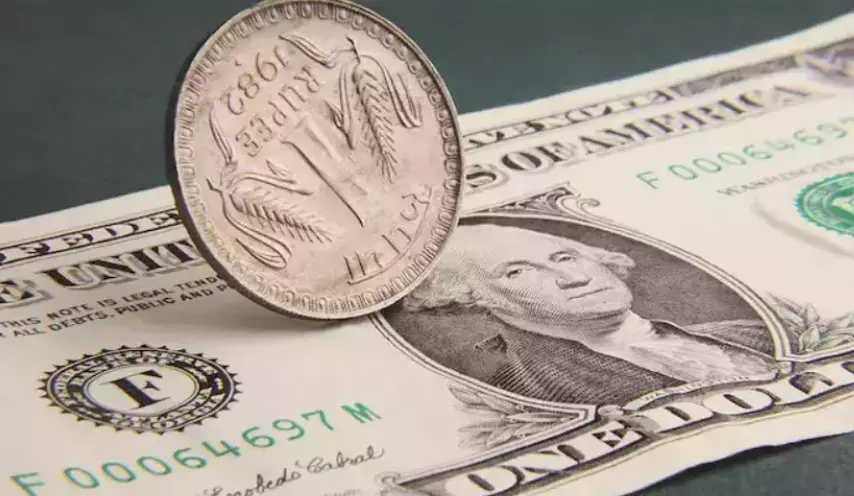
To contextualize the current trading band of the rupee against global benchmarks, the following table outlines key macroeconomic indicators, currency performance metrics, and capital flow data observed during the recent trading sessions.
| Indicator / Metric | Current Reading / Value | Previous Close | Strategic Implication |
|---|---|---|---|
| USD/INR Spot Rate | 94.98 | 94.93 | Depreciation of 5 paise; tests new psychological resistance. |
| Foreign Portfolio Flows (FII) | -$420M (Net Weekly) | -$310M | Sustained capital outflows drain domestic market liquidity. |
| RBI Forex Reserves | $642.5 Billion | $645.1 Billion | Depleted slightly via intermittent central bank dollar sales. |
| 10-Year Government Bond Yield | 7.12% | 7.09% | Reflects domestic borrowing cost pressures and inflation tracking. |
Industry & Market Implications: Winners and Losers
Every currency movement creates a distinct redistribution of wealth across sectors. The slide of the rupee to 94.98 creates immediate bifurcations in corporate balance sheets, impacting operational margins and strategic planning.
The Beneficiaries: Export-Led Growth and IT Services
Export-heavy sectors—most notably Information Technology (IT) services, pharmaceutical manufacturers, and specialty engineering firms—historically benefit from a weaker domestic currency. Because a significant portion of their revenue is denominated in US dollars while their operational cost base (primarily domestic wages and infrastructure) is rupee-denominated, currency depreciation enhances operating margins when repatriating foreign earnings. For tech giants and software exporters navigating competitive global pricing pressures, a softer rupee acts as a natural cushion for valuation multiples and earnings per share (EPS).
The Vulnerabilities: Importers, Energy, and Capital Goods
Conversely, import-reliant industries face severe margin contraction. Manufacturing firms dependent on imported raw materials, specialty chemicals, and semiconductor components must absorb higher input costs or pass them down to end consumers, risking demand destruction. Furthermore, India’s massive energy import bill swells as the rupee depreciates, elevating domestic fuel costs, driving up transportation overhead, and stoking inflationary pressures that complicate monetary policy formulation.
Frequently Asked Questions (People Also Ask)
Why is the Indian rupee falling against the US dollar?
The rupee's depreciation is driven by a combination of sustained foreign institutional investor (FII) capital outflows, elevated US bond yields resulting from higher-for-longer Federal Reserve interest rates, and robust domestic demand for imported commodities, particularly crude oil, which widens the trade deficit and creates net dollar demand.
How does RBI intervention impact the foreign exchange market?
The Reserve Bank of India actively intervenes in the spot and forward currency markets by deploying its substantial foreign exchange reserves to buy rupees and sell dollars. This strategy aims to curb excessive volatility and prevent disorderly currency movements, though central bankers generally avoid defending an artificial exchange rate against structural macroeconomic trends.
What are the implications of a 94.98 USD/INR exchange rate for corporate treasuries?
For corporate treasuries, crossing the 94.98 threshold demands tighter risk mitigation protocols. Importers face higher hedging costs and compressed profit margins, forcing a re-evaluation of pricing strategies, while multinational corporations must optimize their capital allocation and foreign currency debt exposure to protect against further volatility.
How do export-oriented businesses hedge against rupee depreciation?
Exporting firms typically utilize derivative instruments such as forward contracts, options, and currency swaps to lock in favorable exchange rates for future receivables, thereby insulating their projected enterprise ROI from sudden macroeconomic shocks.
Future Outlook: Strategic Horizons and Key Milestones
Looking ahead, the trajectory of the USD/INR pair will depend heavily on incoming macroeconomic data releases, central bank policy adjustments, and geopolitical developments. Market participants are closely monitoring upcoming US inflation prints, Federal Reserve rate path signals, and domestic trade balance figures. Any shift in global risk appetite that encourages a return of foreign capital to emerging markets could provide relief to the rupee, allowing it to consolidate within a tighter trading range.
However, until global liquidity conditions ease sustainably and domestic current account deficits narrow, the rupee will likely remain sensitive to external shocks. Corporate leadership and institutional investors must embed rigorous currency risk management into their core operational architecture. Navigating this environment requires agile financial planning, sophisticated hedging instruments, and continuous monitoring of macroeconomic indicators to protect valuation multiples and ensure long-term enterprise resilience.