For more than two decades, Apple Inc. held one line in consumer computing as an unshakeable dogma: laptops and touchscreens do not mix. From Steve Jobs’ infamous 2010 pronouncement that vertical touch surfaces were "ergonomically terrible" to Phil Schiller’s repeated declarations that direct-finger manipulation of macOS was a structural dead end, Cupertino spent billions framing Microsoft’s hybrid touchscreen PCs as compromised "toaster-refrigerators."
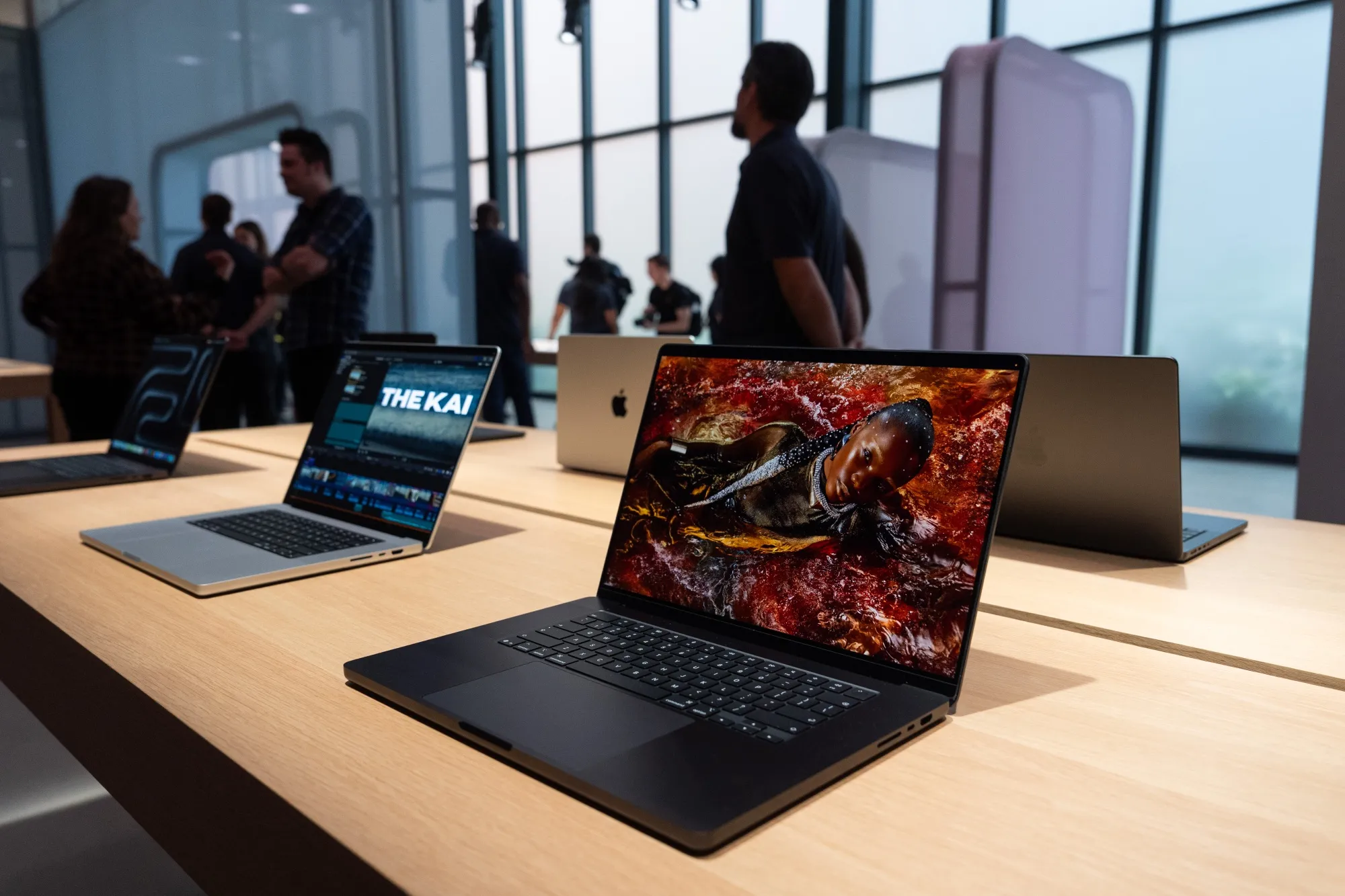
That twenty-year resistance is officially over. According to supply chain intelligence and confirming reports, Apple is preparing a landmark hardware pivot: the introduction of a touch-enabled MacBook Pro. Powered by tandem OLED display technology, next-generation Apple Silicon, and an evolved macOS UI, this move represents one of the most significant strategic realignments in modern enterprise hardware. It marks the structural convergence of personal computing, spatial interface design, and artificial intelligence execution.
Executive Takeaways
Test Our Free AI & Tech Utilities Suite
Calculate LLM API token costs, analyze article dwell-time, or simulate tech DCA returns.
- Strategic Pivot: Apple is reversing a 20-year product philosophy by bringing touch functionality to the MacBook Pro, discarding legacy ergonomics arguments in favor of unified user experience across iOS, iPadOS, and macOS.
- Display & Architectural Overhaul: The flagship device will feature direct-on-encapsulation touch technology paired with tandem OLED panels, reducing module thickness while maintaining structural rigidity and power efficiency via TSMC-fabricated Apple Silicon.
- Enterprise & Financial Impact: The touch-enabled hardware is expected to drive higher Average Selling Prices (ASPs), accelerate enterprise refresh cycles, and force PC competitors (Dell, HP, Lenovo) to re-evaluate their premium hardware margins.
- Software Synergy: Driven by the expansion of Apple Intelligence and multi-modal interactions, the move bridges the gap between touch-native mobile apps and desktop-grade computing environments without merging macOS and iPadOS into a single operating system.
The Architecture of Reversal: From "Gorilla Arm" to Touch-Native macOS
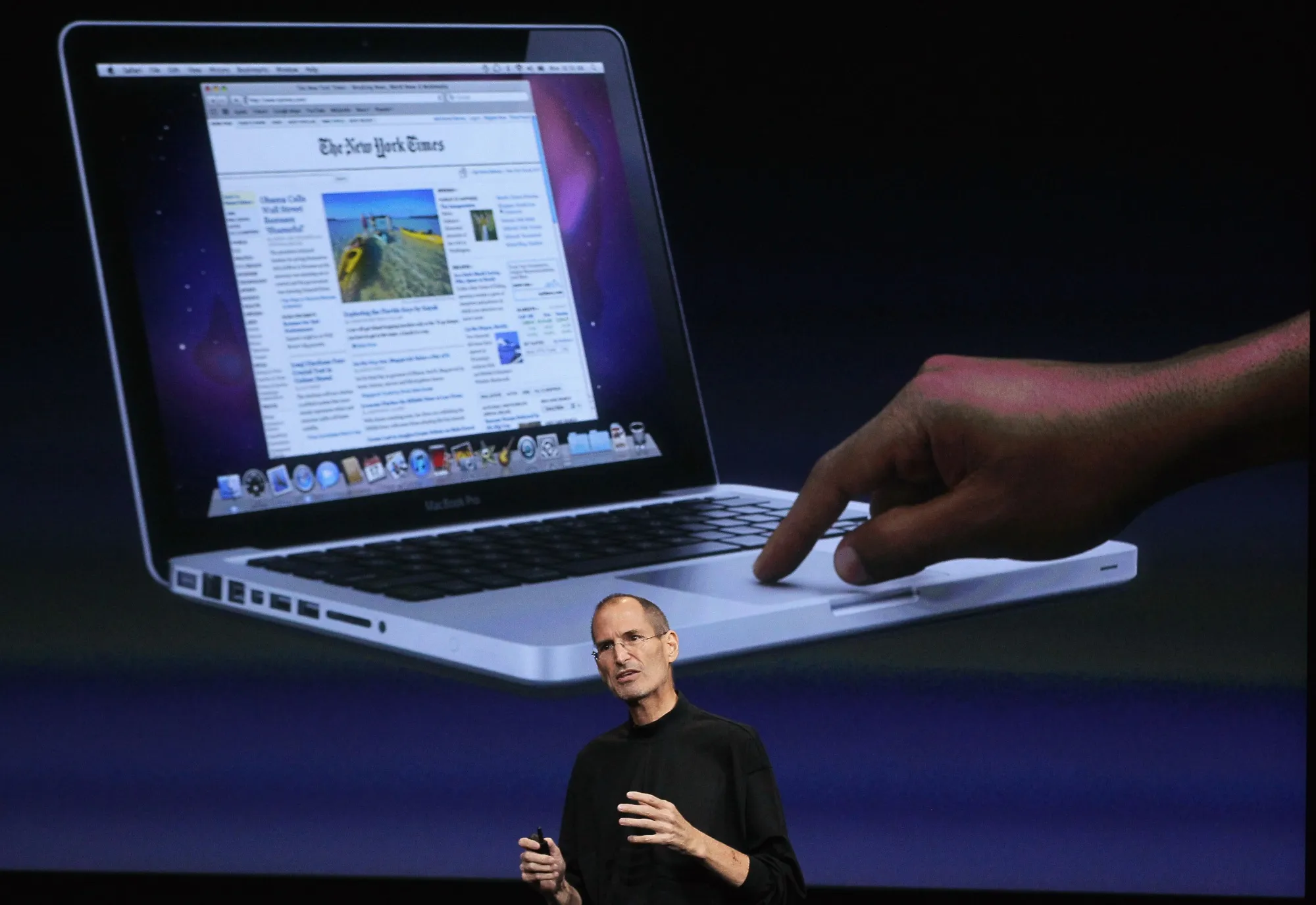
To understand the magnitude of Apple’s pivot, one must examine the technical and ideological reasons behind its long-standing refusal. In October 2010, Steve Jobs publicly dissected touchscreen laptops, claiming that after extended periods, a user’s arm wants to fall off due to fatigue—a phenomenon known in human interface guidelines as "gorilla arm." Apple’s counter-strategy relied heavily on the Multi-Touch trackpad, positioning the horizontal glass surface as the sole ergonomic bridge between human input and cursor control.
When competition from Microsoft’s Surface line intensified in the mid-2010s, Apple attempted a compromise: the Touch Bar. Debuted on the 2016 MacBook Pro, the Touch Bar replaced the traditional function key row with an OLED strip. However, the Touch Bar was fundamentally flawed. It stripped away tactile execution keys—most notably the physical Escape key—without providing direct, on-screen manipulation. Developer adoption faltered, enterprise power users balked, and by 2021, Apple quietly began scrubbing the Touch Bar from its silicon refresh lines.
What changed? The convergence of three distinct structural forces forced Cupertino’s hand:
- The Maturity of Apple Silicon: Proprietary M-series architecture redefined thermal performance and dynamic power consumption. Apple no longer needs to make trade-offs between processing headroom and touch-controller thermals.
- Display Technology Milestones: Early touchscreen integration added unacceptable weight, thickness, and optical glare. Modern single-stack and tandem OLED displays allow touch sensors to be integrated directly onto the glass encapsulation layer (Touch-on-Encapsulation or Y-OCTA), preserving the thin chassis of the MacBook Pro.
- The Apple Intelligence Imperative: As AI transforms workspace interaction from strict keyboard-and-mouse inputs to multi-modal workflows—drawing, scrubbing, direct canvas manipulation, and spatial gesturing—a trackpad-only interface creates a bottleneck for advanced developer and creator productivity.
Internal sources indicate that while the touchscreen hardware is changing, Apple is not combining macOS and iPadOS into a unified operating system. Instead, macOS has quietly evolved its design language over several iterations—enlarging touch targets, introducing iOS-style Control Center modules, and standardizing Catalyst apps—to ensure that touch input feels native without compromising precision mouse cursor tracking.
Hardware Architecture & Supply Chain Re-Engineering
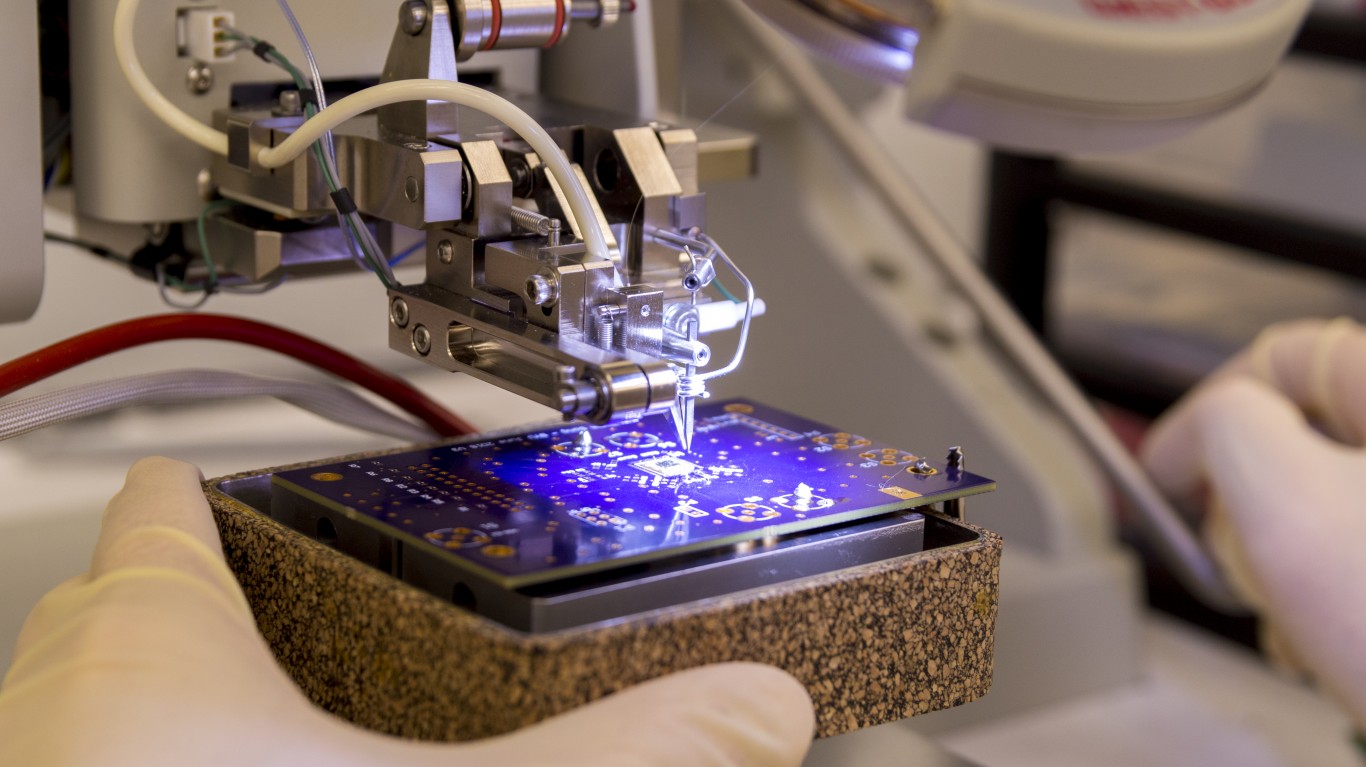
Bringing direct touch to the MacBook Pro requires deep restructuring across Apple’s advanced display and component supply chain. Traditional add-on touch digitizers increase weight and introduce optical reflection—a non-starter for high-end color accuracy required by enterprise creative clients. Apple’s engineering solution relies on next-generation tandem OLED display architecture, sourced primarily through long-term capital commitments with Samsung Display and LG Display.
These panels utilize two light-emitting layers stacked in series, doubling brightness and quadruple-extending display longevity while mitigating burn-in risks long associated with static desktop UI elements like the macOS menu bar. By integrating direct-patterned touch sensor arrays inside the thin-film encapsulation (TFE) layer, Apple eliminates the extra glass substrate layer entirely.
This display transformation is deeply tied to Apple’s semiconductor strategy. The touch-enabled MacBook Pro will leverage TSMC’s advanced 3-nanometer processes (N3E and N3P), integrating dedicated display controllers and touch-processing logic directly into the M-series SoC logic boards. This reduces latency between user input and screen response to near-zero levels, eliminating the input lag that plagued legacy Windows touch laptops.
Competitive & Industry Metrics Comparison
The operational shift will recalibrate the premium laptop market across performance, margin, and hardware metrics. Below is a detailed technical and market breakdown comparing historical Mac platforms against the upcoming Touch MacBook Pro architecture:
| Metric / Specification | Legacy MacBook Pro (2016-2020) | Current M-Series Pro (2021-2023) | Next-Gen Touch MacBook Pro |
|---|---|---|---|
| Display Technology | IPS LCD w/ LED Backlighting | Liquid Retina XDR (Mini-LED) | Tandem OLED with Integrated Touch |
| Primary Touch Interface | OLED Touch Bar (Secondary Row) | None (Physical Keys Only) | Direct On-Screen Touch + Trackpad |
| Display Module Thickness | ~3.0 mm | ~3.5 mm | < 2.2 mm (Touch-on-Encapsulation) |
| Chipset Process Node | Intel 14nm / 10nm Architecture | TSMC 5nm / 3nm (N3B) | TSMC Advanced 3nm (N3E / N3P) |
| Target Hardware ASP | $1,799 - $2,399 base | $1,999 - $2,499 base | $2,299 - $2,799 projected base |
| Enterprise ROI Drivers | Standard Office Productivity | Local Compute & Battery Efficiency | AI Execution, Multi-Modal App Dev |
Financial and Enterprise Implications: Valuation Multiples, Margins, and Supply Chain Winners
For Wall Street, Apple’s touchscreen pivot is fundamentally an expansion strategy for Average Selling Prices (ASPs) and capital return. By introducing touchscreen capability exclusively to the higher-tier MacBook Pro lines first, Apple creates a clear feature boundary between the mass-market MacBook Air and the high-margin Pro family. This pricing power allows Apple to protect its gross margins—historically anchored near 44% to 46% for hardware—against rising semiconductor and display material bills.
The market implications ripple far beyond Cupertino:
1. Display Manufacturing Capital Expenditure
Samsung Display and LG Display have committed billions in capital allocations toward Gen 8.6 OLED production lines in South Korea. Apple’s long-term procurement guarantees provide the yield stability necessary to amortize these multi-billion-dollar fabs, accelerating the broader electronics industry's transition from Mini-LED and LCD to advanced OLED screens.
2. Enterprise IT Procurement and Device Consolidation
Enterprise Chief Information Officers (CIOs) have long faced procurement division: issue iPads for field workers and creative executives, or issue MacBooks for software engineers and finance teams. A touch-capable MacBook Pro running desktop-class software eliminates this duality. Enterprise fleet consolidation lowers management overhead, driving high enterprise ROI and shortening corporate PC replacement cycles from four years down to three.
3. Disrupting the Premium Windows Ecosystem
For a decade, enterprise PC makers like Dell (XPS series), HP (Spectre series), and Lenovo (ThinkPad X1 series) used touch functionality as a core key differentiator against Apple. By eliminating this feature gap while maintaining class-leading battery life and raw compute power via Apple Silicon, Apple directly threatens high-margin revenue streams for tier-1 Windows OEMs.
Frequently Asked Questions (People Also Ask)
Why did Apple wait over twenty years to release a touchscreen MacBook Pro?
Apple delayed introducing touch capabilities to the Mac line due to ergonomic concerns ("gorilla arm" strain), operating system optimization issues, and display thickness constraints. Legacy touchscreen technology added significant weight, degraded display quality, and drained battery life. The maturation of thin Tandem OLED panels, power-efficient Apple Silicon, and dynamic macOS software updates rendered direct touch technically and design-viable without compromising the traditional desktop experience.
Will the touch MacBook Pro run iPadOS apps or merge with the iPad?
No, Apple is keeping macOS and iPadOS distinct operating systems. While the touch MacBook Pro will naturally run Mac-compatible iOS and iPadOS apps via Mac Catalyst, the operating system remains macOS. The user interface has been subtly re-engineered with larger touch targets and multi-touch gesture support while retaining desktop precision for cursor-based software like Xcode, Final Cut Pro, and Logic Pro.
How will direct touch integration impact MacBook Pro battery life?
Thanks to TSMC’s advanced 3-nanometer silicon nodes and the efficiency of single-chip touch controllers built into Apple Silicon, battery impact will be negligible. Furthermore, Tandem OLED technology offers superior power efficiency compared to traditional Mini-LED displays, offsetting the additional power overhead required to run continuous touch-sensor scanning loops.
How does this hardware pivot impact software developers working on macOS?
Developers will gain access to direct-touch APIs within Xcode without having to re-architect desktop software from scratch. This opens new opportunities for creative tools, audio production workstations, CAD applications, and AI agent manipulation, allowing developers to target both touch and cursor interactions within a single unified codebase.
Future Outlook: The Unified Multi-Modal Computing Ecosystem
The introduction of a touch-enabled MacBook Pro is not an isolated hardware release; it is a foundational brick in Apple’s broader long-term strategy for spatial and multi-modal computing. As spatial computing (anchored by VisionOS) and AI interfaces mature, the artificial barriers separating touch, voice, cursor, and eye-tracking inputs are dissolving.
Looking ahead over a three-to-five-year horizon, Apple’s hardware lineup will transition toward complete input cross-compatibility. The touchscreen MacBook Pro will serve as the anchor for enterprise power users, followed eventually by broader integration across the MacBook Air lineup. By surrendering its long-held ideological opposition to touch-based desktop computing, Apple is prioritizing ecosystem flexibility, enterprise revenue growth, and multi-modal developer innovation over historic corporate dogma. Wall Street and the enterprise IT sector will likely reward the pragmatism.