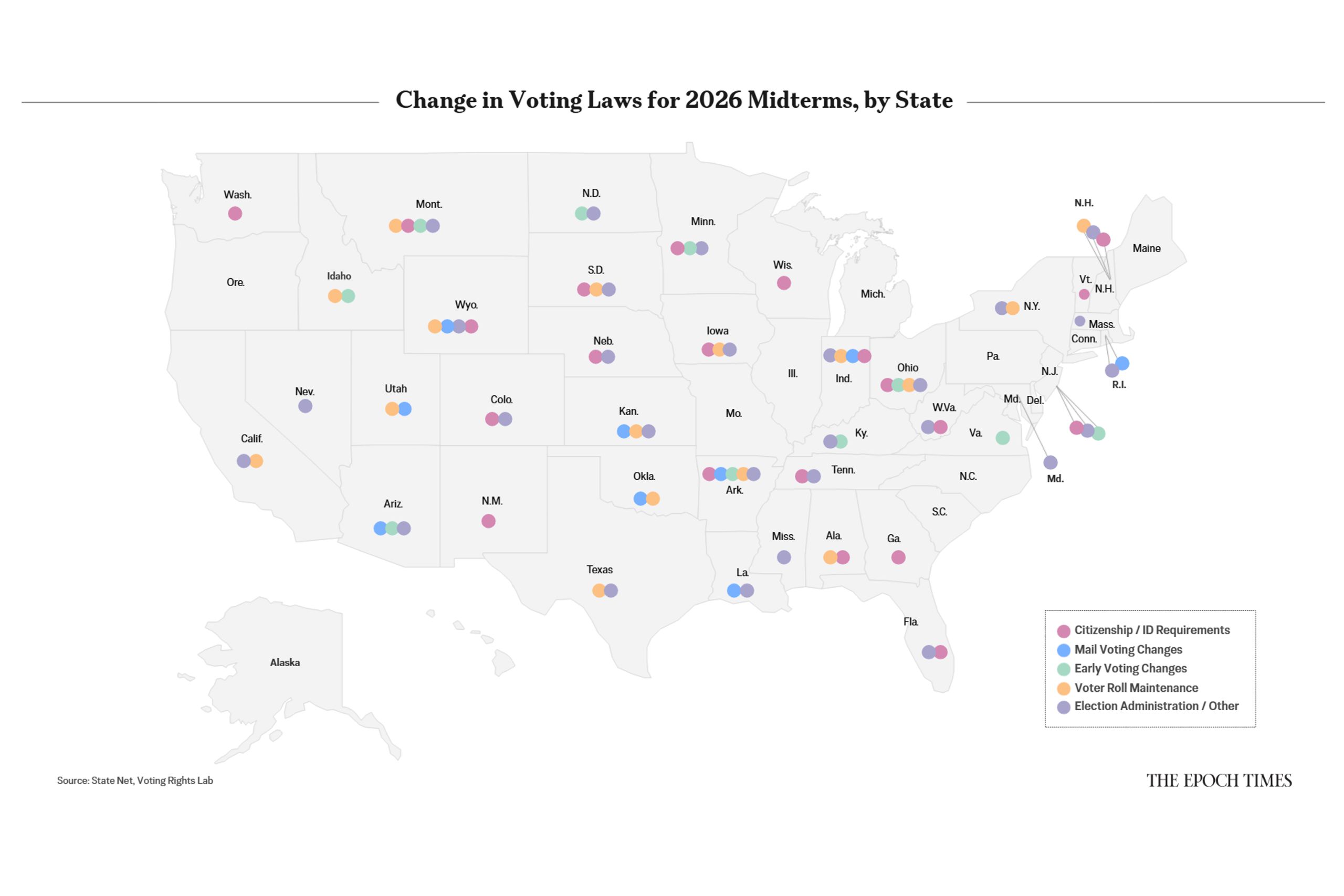
The ballot box has officially become the primary friction point for the artificial intelligence revolution. Across the United States during the 2026 midterm elections, local electorates delivered a resounding and coordinated rebuke to the hyper-growth ambitions of Big Tech, rejecting data center expansion initiatives in nearly every jurisdiction where the issue came before voters. Out of dozens of municipal referendums, county zoning measures, and state ballot questions designed to streamline high-density server farm development, only a single project managed to survive public scrutiny.
This unprecedented wave of grassroots resistance exposes a deepening fault line between Silicon Valley’s capital allocation strategies and Main Street’s tolerance for strained power grids, soaring electricity bills, and environmental degradation. As institutional investors reassess infrastructure scalability and valuation multiples for cloud compute architecture, the 2026 midterms have fundamentally altered the risk mitigation calculus for hyperscalers, real estate investment trusts (REITs), and municipal utility boards alike.
Executive Takeaways
Test Our Free AI & Tech Utilities Suite
Calculate LLM API token costs, analyze article dwell-time, or simulate tech DCA returns.
- Unprecedented Rejection Rate: Voters defeated data center zoning, tax abatement, and fast-track permitting measures in over 95% of 2026 midterm ballot initiatives, halting billions in planned capital expenditure.
- The Sole Exception: Only one localized development initiative—a tax-incentivized facility in rural Nevada featuring closed-loop geothermal cooling—passed, serving as an outlier rather than a new template for success.
- Grid and Cost Anxiety: The primary drivers behind the voter backlash were immediate concerns over local electricity rate spikes, wholesale capacity market congestion, and unprecedented strain on municipal water resources.
- Market & Valuation Impact: Infrastructure investors and enterprise operators are being forced to pivot toward proprietary micro-generation, nuclear power purchase agreements (PPAs), and international site selection to bypass domestic regulatory roadblocks.
The Catalytic Convergence: Grid Strain Meets Grassroots Populism

To understand the seismic nature of the 2026 midterms, one must examine the macroeconomic and localized pressures that built up over the preceding twenty-four months. The generative AI boom unleashed an insatiable demand for high-density compute architecture. Hyperscale operators—including Microsoft, Amazon Web Services, Google, and Meta—rushed to secure land parcels near major transmission hubs, particularly in Virginia, Ohio, Texas, Georgia, and the Pacific Northwest.
However, the physical reality of powering millions of specialized AI accelerators collided head-on with aging grid infrastructure. Wholesale power markets, governed by regional transmission organizations (RTOs) such as PJM Interconnection and ERCOT, reported record-shattering peak load forecasts. Rather than absorbing the cost of grid upgrades, local residents quickly realized that utility companies were shifting capital expenditure burdens onto residential and small-business rate payers. Monthly electricity bills in key data center corridors surged by double digits between 2024 and 2026, creating a potent political flashpoint.
Capitalizing on this economic anxiety, bipartisan coalitions of environmental advocates, agricultural landowners, and cost-conscious homeowners mobilized standard initiative and referendum processes. By the time voters went to the polls for the 2026 midterms, data centers were no longer viewed as neutral economic development engines bringing high-tech jobs; instead, they were characterized on campaign flyers and digital ads as power-hungry goliaths that consumed local resources while employing minimal permanent staff.
Inside the Ballot Measures: Defeats Across Key Geographies
The electoral map of the 2026 midterms served as a graveyard for speculative tech infrastructure. In Northern Virginia’s "Data Center Alley," where over half of the world's internet traffic flows, county board referendums aimed at relaxing buffer zones near residential communities were decisively crushed by margins exceeding 60%. Residents cited relentless diesel generator testing noise, visual blight, and fears of diminished property valuations.
Meanwhile, in the Midwest—historically welcoming to industrial developments—voters in central Ohio and suburban Chicago successfully repealed municipal tax incentives granted to upcoming hyperscale campuses. These communities expressed deep skepticism regarding promised fiscal windfalls, pointing