Executive Takeaways
Test Our Free AI & Tech Utilities Suite
Calculate LLM API token costs, analyze article dwell-time, or simulate tech DCA returns.
- Market Divergence Deepens: U.S. stock index futures posted mixed results following a relief rally triggered by midterm election clarity, with gains in cyclical sectors offset by a sharp, accelerating sell-off in specialized "neocloud" and AI infrastructure equities.
- Capital Allocation Pivot: Institutional asset managers are aggressively rotating out of high-multiple, debt-leveraged compute providers and into mega-cap hyperscalers boasting fortress balance sheets and diversified cash flows.
- Valuation Compression & CapEx Amortization: Specialized cloud vendors face severe margin pressure as enterprise customers demand proven ROI, shortening contract durations, and spot prices for high-density GPU clusters continue to soften.
- Debt Service Volatility: Rising weighted average cost of capital (WACC) and rapid hardware depreciation cycles are straining balance sheets across tier-2 infrastructure providers, setting the stage for sector-wide debt restructurings and consolidation.
The Post-Rally Hangover: Macro Clarity Meets Tech Micro Realities

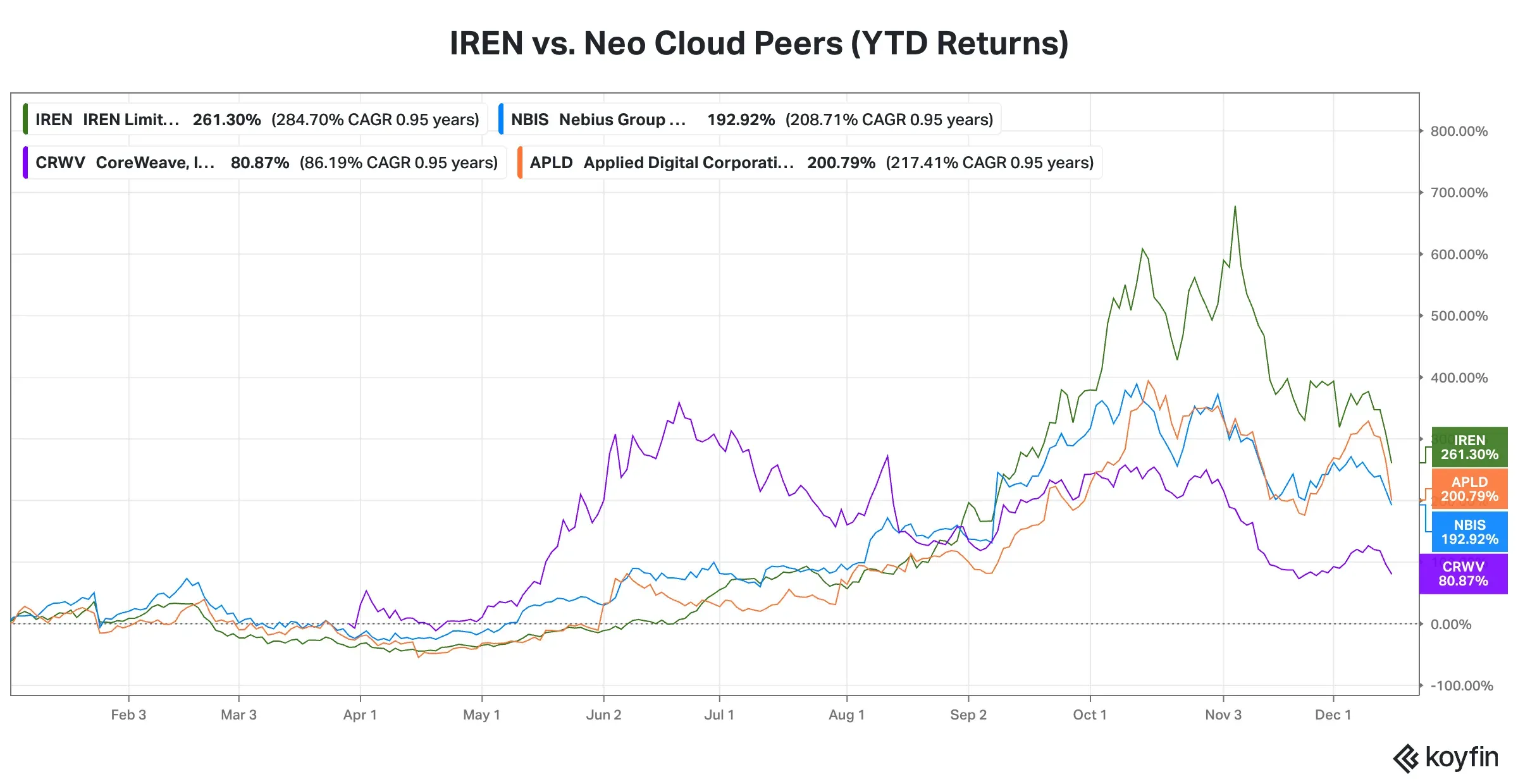
The broader equity market’s post-midterm election euphoria has collided with structural microeconomic headwinds across the technology sector. While major benchmark futures—led by the Dow Jones Industrial Average and S&P 500—hovered near flatlines as political certainty provided a temporary floor, tech-heavy Nasdaq 100 futures dipped sharply. The primary catalyst is a deepening slump among "neocloud" platforms—specialized, non-hyperscaler cloud providers that built immense market valuations on the back of dedicated artificial intelligence (AI) cluster hosting and bare-metal compute provision.
During the initial post-election trading sessions, equities surged across energy, defense, and traditional financial services, driven by expectations of grid expansion tax incentives and a predictable regulatory trajectory. However, as trading desks recalibrated terminal interest rate projections and scrutinized balance sheet liquidity, the spotlight turned to the high-yield, high-CapEx subsectors of enterprise software. Neocloud operators—which spent heavily in 2023 and early 2024 to lock in multi-gigawatt data center leases and advance orders for high-density GPUs—are now experiencing a stark valuation re-pricing.
Traders and institutional allocators are recognizing that political relief cannot bypass fundamental economic metrics. The transition of enterprise generative AI from exploratory training runs to production-stage inference has fundamentally shifted the unit economics of cloud compute, exposing pure-play infrastructure vendors to compressed margins and elevated customer churn risks.
Deconstructing the Neocloud Slump: Overcapacity, Hardware Obsolescence, and Pricing Power
To understand the depth of the neocloud sell-off, one must examine the capital stack and operating model of pure-play AI infrastructure firms. Unlike hyperscalers such as Microsoft Azure, Amazon Web Services (AWS), and Google Cloud Platform (GCP)—which offset hardware expenditures through high-margin Software-as-a-Service (SaaS) ecosystems and multi-year enterprise enterprise commitments—neocloud providers operate primarily on infrastructure lease models heavily backed by debt and equipment financing.
1. Enterprise ROI Auditing and Contract Shortening
Chief Information Officers (CIOs) across Fortune 500 enterprises are facing board-level demands to justify cloud computing expenditures. The era of unconstrained budget allocation for AI experimentation has ended. Enterprise buyers are shifting away from long-term, multi-year capacity reservation contracts with neoclouds in favor of flexible, on-demand spot instances. This shift has eroded the predictable revenue backlogs that previously supported sky-high enterprise-value-to-revenue multiples.
2. The Accelerated Hardware Depreciation Cycle
Neocloud balances sheets are heavily encumbered by specialized GPU architectures acquired at premium valuations during supply chain bottlenecks. As next-generation chip architectures hit the market with vastly improved energy efficiency and FLOPS-per-watt performance, the economic life of older processing clusters is shortening rapidly. Neocloud providers are forced to accelerate CapEx amortization schedules, directly impairing operational EBITDA margins and forcing dilutive write-downs.
3. Hyperscaler Price Wars and Spot Market Compression
Tier-1 hyperscalers have aggressively ramped up their internal silicon development while expanding custom instance availability. By cross-subsidizing compute pricing with ecosystem software lock-in, hyperscalers are driving down the spot price per GPU hour across third-party marketplaces. Lacking proprietary software stacks or low-cost enterprise storage integration, pure-play neoclouds are increasingly exposed to price-taking behavior in a commoditizing bare-metal compute market.
Macro Finance Impact: Debt Structures, Private Credit, and Risk Mitigation
The operational stress across specialized infrastructure providers is cascading into private credit and debt markets. Much of the capital deployed during the 2023–2024 neocloud expansion was funded through non-recourse asset-backed debt structures collateralized directly by compute hardware and long-term customer contracts. As contract terms shorten and hardware valuations decline, debt service coverage ratios (DSCR) across several high-profile facilities are approaching covenant thresholds.
Specialized lenders and mezzanine credit funds are tightening underwriting criteria for data center build-outs and GPU purchases. Debt yields required by private credit syndicates for tier-2 cloud expansions have widened significantly over benchmark rates, elevating the overall cost of capital. Consequently, several neocloud management teams have been forced to announce scaled-back capital expenditure guidance for the upcoming fiscal year, dampening growth expectations and driving short interest to multi-quarter highs.
Verified Data & Operational Metrics Breakdown
The operational and market performance split between tier-1 hyperscalers and specialized neocloud infrastructure providers highlights the widening gap in balance sheet strength and capital efficiency:
| Metric / Performance Indicator | Tier-1 Hyperscalers (AWS, Azure, GCP) | Specialized Neocloud Providers | Broader S&P 500 Tech Index |
|---|---|---|---|
| Average Forward EV/EBITDA Multiple | 22.5x – 28.0x | 8.5x – 12.0x (Down from 32x) | 18.2x |
| Year-Over-Year CapEx Growth Target | +25% to +35% | -15% to +5% (Revised Downward) | +8% |
| 30-Day Share Price Return (Post-Election) | +3.2% | -18.4% | +1.8% |
| Average Enterprise Contract Length | 36 – 60 Months | 6 – 12 Months (Spot Heavy) | 24 – 36 Months |
| Weighted Average Cost of Capital (WACC) | 6.2% – 7.5% | 11.8% – 14.5% | 8.1% |
| Blended Operating EBITDA Margin | 34% – 42% | 12% – 19% | 26% |
Industry & Market Implications: Winners, Losers, and Systemic Shifts
The repricing of neocloud assets signals a broader maturation of the digital infrastructure asset class. The market effects span equity valuations, credit spreads, real estate development, and enterprise procurement strategies:
Market Winners
- Tier-1 Hyperscalers: Hyperscalers stand to consolidate market share as risk-averse enterprise IT departments prioritize long-term counterparty stability, unified security compliance, and integrated hybrid-cloud management over marginal compute cost savings.
- Distressed Tech Credit & Special Situations Funds: Alternative asset managers holding flexible capital mandates are positioned to acquire discounted debt obligations, structure structured equity infusions, or engineer sale-leaseback transactions on high-value data center real estate.
- Enterprise Software Buyers: Declining spot compute rates and aggressive discounting among tier-2 vendors provide corporate procurement teams with increased leverage during annual cloud budget negotiations.
Market Losers
- Leveraged Neocloud Operators: Companies burdened by high-cost debt facilities and short-term hardware leases face margin compression, liquidity crunches, and potential distressed equity offerings to fund working capital requirements.
- Speculative Retail & Momentum Traders: Investors who treated pure-play cloud compute vendors as unhedged proxies for overall AI adoption are absorbing substantial drawdowns as valuation multiples revert to capital-intensive utility averages.
- Tier-2 Real Estate Developers: Data center developers relying on speculative, non-credit-grade tenants may experience elevated lease cancellation rates or demands for rental renegotiations, slowing power grid hookup monetization timelines.
Frequently Asked Questions (People Also Ask)
Why are neocloud stocks declining while broader equity markets remain stable post-midterm elections?
While macro markets rallied on political certainty and reduced policy volatility, specialized neocloud equities sold off due to microeconomic pressures. Investors are discounting neocloud valuations due to compressing GPU spot rental prices, rising debt financing costs (WACC), and enterprise buyers shifting from long-term compute reservation contracts to flexible, short-term usage models.
What is the core structural difference between a neocloud provider and a traditional hyperscaler?
Traditional hyperscalers (like Amazon Web Services, Microsoft Azure, and Google Cloud) offer deep ecosystems of integrated software, database management, security compliance, and enterprise SaaS solutions backed by vast cash reserves. Neocloud providers focus primarily on hosting specialized, high-density hardware (such as AI GPU clusters) and bare-metal servers. This pure-play infrastructure focus makes neoclouds highly sensitive to hardware depreciation cycles and spot compute price fluctuations.
How do rising interest rates impact capital allocation for cloud infrastructure providers?
Higher interest rates increase the cost of debt used to acquire expensive processing units and power infrastructure. Because neoclouds often rely on equipment-backed debt financing, elevated borrowing costs reduce net margins and slow CapEx expansion plans. Conversely, mega-cap hyperscalers generate significant free cash flow from core operations, allowing them to self-fund multi-billion-dollar infrastructure developments without relying on high-yield debt markets.
Will the downturn in neocloud valuations slow down overall enterprise AI deployment?
No. The sell-off reflects a shift in infrastructure market share and pricing dynamics rather than a pause in AI adoption. In fact, falling spot compute costs across specialized providers make raw processing power more accessible for enterprise workloads. However, enterprises are becoming far more disciplined regarding deployment costs, requiring clear enterprise ROI before committing to multi-year compute contracts.
Future Outlook & Strategic Imperatives
The coming quarters will mark a pivotal transition phase for cloud infrastructure architecture and financial structuring. As macro market volatility subsides, investors and enterprise leaders should monitor three critical operational milestones:
1. Wave of M&A and Private Equity Buyouts: Distressed valuation multiples across pure-play cloud providers will likely trigger a wave of consolidation. Private equity firms with dedicated tech and infrastructure vehicles, alongside tier-1 telecom consortia, are expected to acquire struggling neocloud operators to integrate their regional data center footprints and specialized GPU assets at steep discounts to replacement cost.
2. Transition to Custom Silicon and Inference Optimization: As corporate workload requirements pivot from massive foundational model training to real-time execution (inference), compute efficiency metrics will supersede pure raw throughput. Infrastructure providers capable of supporting custom application-specific integrated circuits (ASICs) alongside traditional GPUs will capture higher-margin, sticky enterprise workloads.
3. Power Access as the Ultimate Balance Sheet Moat: Beyond hardware and liquidity, secure access to high-voltage grid power and long-term Power Purchase Agreements (PPAs) will dictate winner-take-all dynamics in digital infrastructure. Vendors that secured firm power capacity in prime energy corridors will command pricing power, regardless of broader public equity market shifts.
For institutional investors, the current market regime demands rigorous credit analysis and balance sheet inspection. Equity multiples for pure-play compute vendors will no longer track hyper-growth software benchmarks; instead, they will trade inline with capital-intensive utility and real estate assets, where capital efficiency, debt service capability, and durable customer relationships govern long-term equity returns.