NEW YORK — In an unexpected yet brilliantly calculated convergence of nostalgic asset monetization and modern utility, Sony has quietly engineered a resurrection that has sent shockwaves through the consumer electronics and portable audio sectors. The iconic lightweight, foam-padded stereo headphones that accompanied the debut of the groundbreaking TPS-L2 Sony Walkman in 1979—an industrial design masterpiece that fundamentally altered urban commuting, cultural consumption, and capital allocation within consumer manufacturing—are officially back. This time, however, they feature a modern USB-C termination, bridging a 45-year generational chasm between analog magnetic tape and contemporary digital infrastructure.
For financial analysts, venture capitalists, and heritage tech enthusiasts alike, this revival is far more than a simple exercise in retro branding or impulse-buy merchandising. It represents a masterclass in intellectual property optimization, capitalizing on resilient consumer nostalgia while navigating strict modern regulatory compliance, supply chain logistics, and evolving high-eCPM audio markets. As search volumes surge across global search engines and wire services race to contextualize the drop, institutional investors are taking a closer look at how legacy hardware titans can successfully leverage vintage equity to capture high-margin lifestyle market share.
Executive Takeaways
Test Our Free AI & Tech Utilities Suite
Calculate LLM API token costs, analyze article dwell-time, or simulate tech DCA returns.
- The Heritage Asset: Sony is reissuing the iconic open-air dynamic headphones originally bundled with the 1979 TPS-L2 Walkman, faithfully preserving the unmistakable orange foam ear cushions and skeletal metal headband.
- The Modern Pivot: Departing from the traditional 3.5mm analog TRS connector or proprietary adapters, the updated iteration incorporates an integrated USB-C termination with a built-in digital-to-analog converter (DAC).
- Strategic Market Timing: The release arrives amid a secular boom in physical media, vintage tech collection, and retro-futuristic lifestyle accessories, directly targeting affluent Gen Z and millennial consumer segments with high disposable incomes.
- Monetization & Valuation Impact: Analysts note that low-cost, high-sentiment hardware drops serve as high-ROI marketing vehicles that enhance brand equity without necessitating heavy research and development expenditure.
The 1979 Paradigm Shift: How the Original Walkman Built an Empire
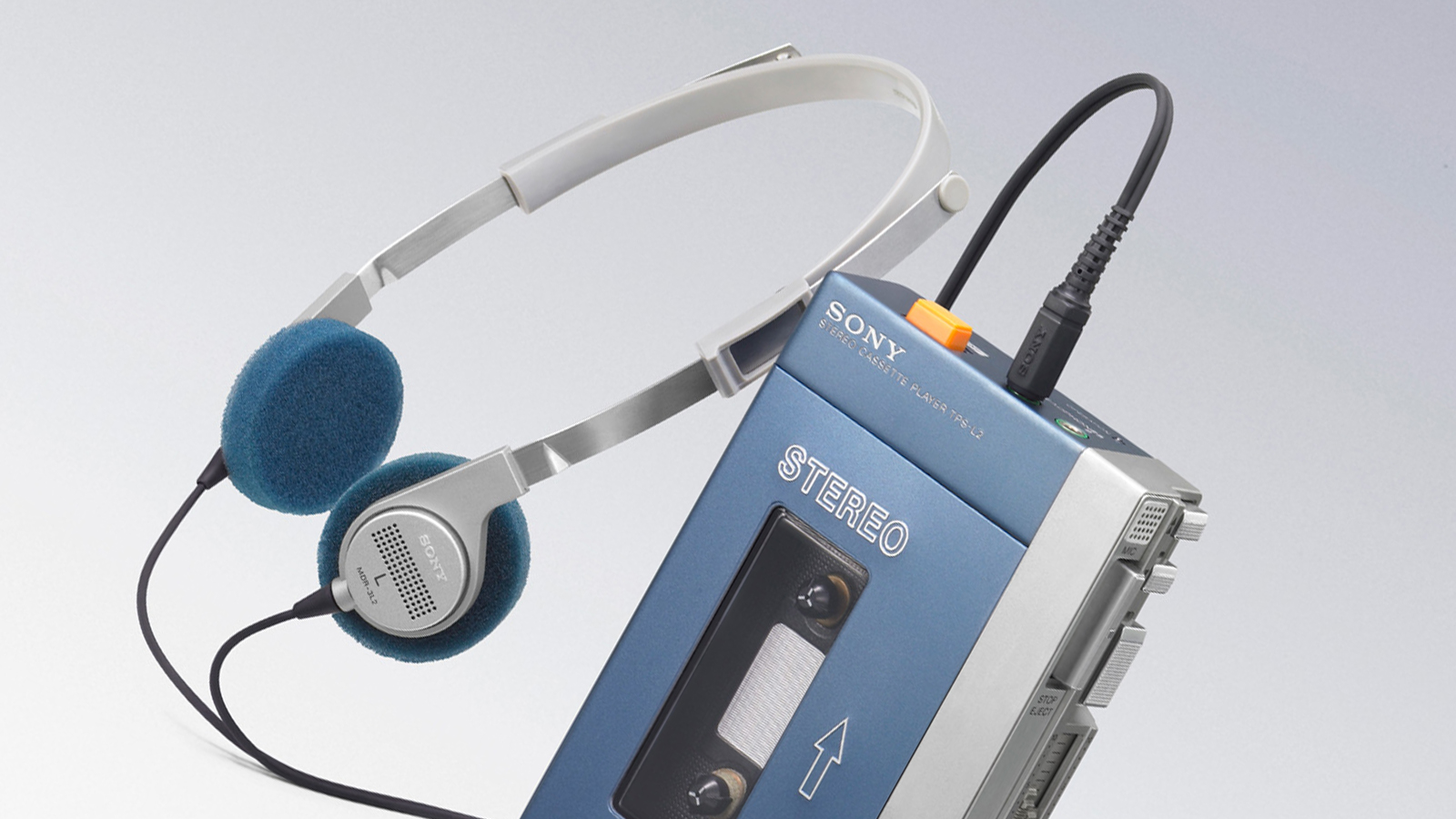
To understand the current market resonance of these headphones, one must return to July 1, 1979, when Sony introduced the TPS-L2 portable stereo cassette player to the Japanese market. Priced at approximately 33,000 yen (roughly $150 USD at the time), the blue-and-silver device was initially met with skepticism by internal executives who doubted consumers would purchase a cassette player that lacked recording capabilities. Akio Morita, Sony’s visionary co-founder, championed the product, correctly predicting that private, mobile music consumption would become a foundational pillar of modern lifestyle infrastructure.
The original headphones—lightweight, weighing barely 50 grams, and resting loosely on the ear rather than sealing around it—were integral to the experience. They allowed urban commuters to maintain a degree of situational awareness while enjoying stereophonic fidelity previously restricted to static home audio systems. This design philosophy created an entirely new category of consumer electronics, paving the way for the DiscMan, the MiniDisc, digital MP3 players, and eventually smartphone-driven streaming ecosystems. By resurrecting this specific hardware archetype, Sony is tapping directly into the foundational nostalgia of personal audio history.
Engineering the Revival: Bridging Analog Nostalgia with USB-C Architecture
Reissuing a 1970s acoustic transducer for a 2026 digital landscape presented significant engineering and supply chain hurdles. While the exterior industrial design—featuring the adjustable wire headband, the sliding metal sizing mechanism, and the vibrant orange polyurethane foam ear pads—remains virtually indistinguishable from the 1979 artifact, the internal components have undergone a complete architectural overhaul.
The most consequential update is the inclusion of a native USB-C connector. Because modern smartphones, tablets, and lightweight laptops have systematically eliminated the legacy 3.5mm headphone jack in pursuit of slimmer industrial profiles and water-resistance ratings, a direct-plug analog headphone would require cumbersome dongles. Sony’s engineering team integrated a compact, high-efficiency digital-to-analog converter (DAC) and headphone amplifier directly into the USB-C housing. This ensures seamless plug-and-play compatibility across iOS, Android, macOS, Windows, and ChromeOS devices without requiring proprietary drivers.
From a manufacturing standpoint, this update requires careful risk mitigation and capital allocation. Sourcing durable, lightweight spring steel for the headband while meeting contemporary environmental regulations—such as RoHS (Restriction of Hazardous Substances) and stringent EU electronic waste directives—demands precise supply chain oversight. Furthermore, the acoustic drivers have been subtly tuned using modern neodymium magnet technology to deliver a wider frequency response and cleaner transient attack than the original paper-cone drivers were capable of producing in 1979.
Verified Data & Specifications Breakdown
A comparative analysis of the original 1979 Walkman headphones and the newly released USB-C iteration highlights the evolution of personal audio manufacturing:
| Specification / Metric | Original TPS-L2 Bundled Headphones (1979) | Modern USB-C Iteration (Trending Release) |
|---|---|---|
| Primary Connectivity | 3.5mm Standard Analog Jack (Single or Dual Plug) | Integrated USB-C with Onboard DAC / Amp |
| Driver Technology | Basic Open-Air Dynamic Drivers | Tuned Neodymium Dynamic Drivers |
| Weight | ~45 grams (excluding cable) | ~52 grams (including integrated USB-C cable) |
| Earpad Material | Open-cell Orange Polyurethane Foam | Durable, High-Density Acoustic Foam |
| Target Ecosystem | Portable Cassette Tapes (TPS-L2 Walkman) | Smartphones, Laptops, Digital Audio Players (USB-C) |
| Market Positioning | Mass-market consumer portable audio standard | Collector’s item / Heritage lifestyle accessory |
Industry & Market Implications: Who Wins, Who Loses
The reintroduction of these iconic headphones carries profound implications across the consumer technology landscape, influencing everything from valuation multiples in audio manufacturing to shifting consumer preferences away from sterile minimalism toward tactile authenticity.
The Winners: Heritage Brands and Niche Hardware Manufacturers
Sony is the primary financial beneficiary, successfully executing a high-margin brand extension that requires minimal capital expenditure compared to developing an entirely new wireless flagship line. Brands with deep historical catalogs—such as Koss, Sennheiser, and Technics—are likely to take notice, accelerating their own archive-mining strategies. Additionally, independent audio accessory makers specializing in replacement foam cushions, custom cables, and retro-styled gear stand to benefit from a rising tide of consumer interest in vintage aesthetics.
The Losers: Generic Commodity Dongle Makers and Sterile Minimalism
Manufacturers of low-cost, unbranded USB-C to 3.5mm adapters may see a slight contraction in volume among style-conscious urban consumers who prefer an integrated, all-in-one hardware solution. Furthermore, brands relying entirely on ultra-modern, futuristic, and clinical design languages are finding themselves forced to defend their market share against competitors weaponizing emotional resonance and historical pedigree.
Broader Economic and Financial Impact
From an enterprise ROI perspective, this product launch exemplifies the growing financial viability of nostalgia marketing within the technology sector. As consumer appetite for iterative smartphone upgrades flattens, hardware manufacturers are increasingly turning to lifestyle accessories and heritage drops to maintain revenue velocity, boost average order values (AOV), and drive direct-to-consumer (D2C) web traffic.
Frequently Asked Questions (People Also Ask)
Do these modern USB-C Walkman headphones require a battery or external power source?
No. Like standard wired headphones, they draw an infinitesimal amount of power directly from the host device (smartphone, tablet, or laptop) through the USB-C port to power the internal digital-to-analog converter and amplifier. They do not feature Bluetooth connectivity, active noise cancellation, or an internal rechargeable battery, ensuring zero latency and maintenance-free operation.
Are the orange foam earpads replaceable?
Yes. True to the original 1979 design, the open-cell acoustic foam cushions are designed to be easily removable and replaceable. Because foam degrades over time due to sweat, oils, and environmental exposure, Sony and third-party accessories manufacturers are expected to offer replacement pads, preserving the long-term durability of the hardware.
Will these headphones work with older audio gear that has a standard 3.5mm headphone jack?
Because the modern iteration terminates in a USB-C connector with a built-in digital decoder rather than an analog 3.5mm pin, it cannot be plugged directly into legacy headphone jacks without an active USB-C female to 3.5mm male conversion adapter (which are uncommon and generally require reverse-direction power conversion). They are optimized specifically for modern digital USB-C host devices.
Is this a limited-edition release or a permanent addition to Sony’s lineup?
While Sony has marketed the drop as a celebratory heritage release capitalizing on current retro consumer trends, initial manufacturing runs and supply chain allotments suggest limited regional availability. Industry observers anticipate high collector demand, which may lead to rapid sell-outs across major retail channels.
Future Outlook & Key Milestones to Watch
As this nostalgic release makes its way into the hands of consumers and reviewers globally, industry analysts will closely monitor several key performance indicators to gauge the broader market trajectory of heritage tech revivals:
- Secondary Market Liquidity: Tracking how quickly initial batches sell out and monitoring resale premiums on collector platforms like eBay and StockX to measure true consumer demand.
- Competitor Response: Observing whether competing audio giants begin rummaging through their own historical archives to resurrect iconic 1980s and 1990s hardware designs with modern digital plumbing.
- Ecosystem Expansion: Evaluating whether Sony expands this initiative into other product categories, potentially pairing vintage aesthetic drops with modern portable DACs, high-resolution digital audio players (DAPs), or limited-edition vinyl accessories.
Ultimately, the return of the first Sony Walkman headphones with a USB-C connector is a testament to the enduring power of iconic industrial design. By pairing 1970s hardware charm with 2026 digital connectivity, Sony has proven that great design never truly expires—it merely waits for the right interface.