Executive Takeaways
- Demographic Margins: Recent paleogenomic models indicate that the Neanderthal population hovered at dangerously low effective sizes (often under 10,000 breeding individuals across Eurasia), exposing them to severe inbreeding depression and reduced capital allocation in genetic resilience.
- Competitive Displacement: The arrival of *Homo sapiens* in Europe approximately 45,000 years ago triggered an unprecedented resource squeeze, outcompeting indigenous populations through superior logistical networks, long-distance trade, and diversified dietary infrastructure.
- Genomic Assimilation: Rather than a simple binary extinction event, modern human genomes retain 1 to 2 percent Neanderthal DNA, proving a complex history of interbreeding, disease exchange, and selective adaptation that fundamentally altered early human immunological architecture.
- Macro-Environmental Shocks: Rapid climate volatility, marked by Heinrich events and extreme Dansgaard-Oeschger oscillations, fragmented Neanderthal apex habitats, collapsing megafauna supply chains and forcing unsustainable metabolic adaptations.
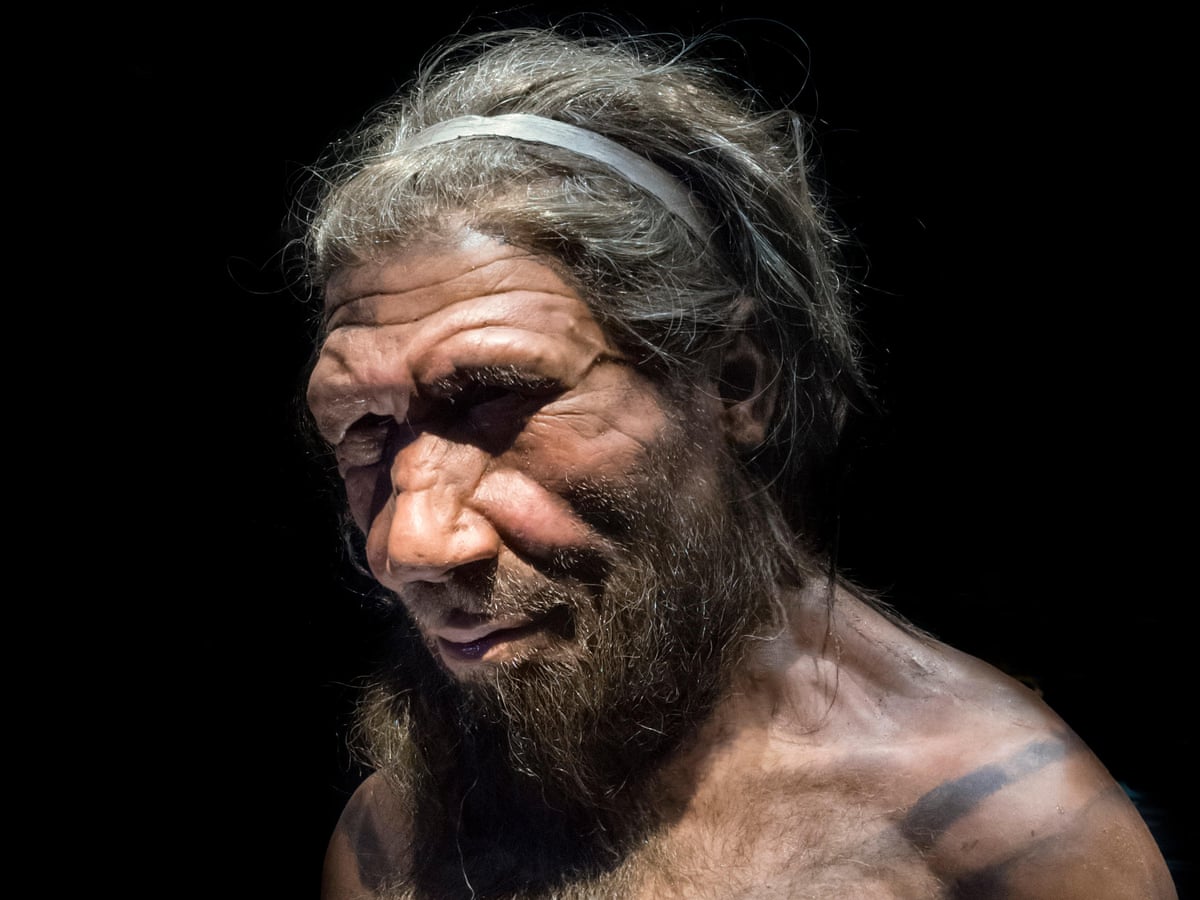
For more than a century, the abrupt disappearance of our closest evolutionary cousins, *Homo neanderthalensis*, has stood as one of anthropology's most enduring and fiercely debated investigations. Long dismissed by early 20th-century anthropologists as brutish, shuffling cave-dwellers, contemporary scientific consensus has undergone a dramatic paradigm shift. Armed with advanced paleoproteomics, high-throughput sequencing of ancient DNA, and high-resolution radiocarbon dating, researchers now recognize Neanderthals as sophisticated toolmakers, artists, and apex hunters who successfully navigated the glacial expanses of Eurasia for over 300,000 years.
Yet, approximately 40,000 years ago, the fossil record abruptly goes silent. The central investigative puzzle facing paleoanthropologists and evolutionary economists alike is not merely that they vanished, but how a resilient, highly adapted hominin species—one that weathered severe glacial cycles and outcompeted numerous mammalian predators—collapsed within a relatively narrow geological window following the arrival of *Homo sapiens*.
The Chronology of Collapse: Catalytic Events and Timeline
Test Our Free AI & Tech Utilities Suite
Calculate LLM API token costs, analyze article dwell-time, or simulate tech DCA returns.
To understand the structural vulnerability of the Neanderthal population, one must examine the macroeconomic and environmental pressures of the Late Pleistocene. For millennia, Neanderthals maintained stable demographic equilibrium across a vast geographical footprint stretching from Western Europe to the Altai Mountains of Siberia. Their infrastructure—characterized by Mousterian stone-tool industries, cooperative ambush-hunting strategies, and specialized hearth management—was finely tuned to cold-climate ecosystems.
However, the baseline conditions of the Last Glacial Period were defined by profound volatility. Paleoclimatic data reveals that the period between 50,000 and 30,000 years ago experienced violent temperature swings known as Dansgaard-Oeschger events. Temperatures across Europe would plummet or surge by several degrees Celsius within decades, destabilizing fragile taiga and steppe biomes. These rapid shifts decimated the large mammalian megafauna—mammoths, woolly rhinoceroses, and giant deer—upon which Neanderthal predatory logistics heavily relied.
Into this fragile ecological theatre stepped *Homo sapiens*. Migrating out of Africa via the Levant, modern humans brought novel technological frameworks, including blade-let technology, projectile weaponry like atlatls, and extensive social trade networks that functioned as prehistoric safety nets. When environmental stress squeezed resources, *Homo sapiens* possessed the demographic depth and supply-chain resilience to absorb shocks; Neanderthals, operating in fragmented, low-density bands, did not.
Comparative Metrics: Neanderthals vs. Early Modern Humans

| Metric / Attribute | Neanderthals (*Homo neanderthalensis*) | Early Modern Humans (*Homo sapiens*) |
|---|---|---|
| Geographical Range | Western Europe to Central/Siberian Asia | Global expansion, originating in Africa |
| Estimated Effective Population Size | Chronically low (estimated 3,000 to 10,000 breeding adults) | Significantly higher, supported by denser social networks |
| Tool Technology & Logistics | Mousterian flake tools; close-quarters thrusting spears | Upper Paleolithic blade technology, projectable shafts, bone/antler tools |
| Metabolic Energy Requirements | High basal metabolic rate; heavy reliance on high-caloric animal fat | Versatile omnivorous diet, broader ecological niche |
| Genetic Legacy in Modern Populations | 1% to 2% admixture in non-African human genomes | Primary inheritor of contemporary global gene pool |
Industry & Market Implications: The Broader Economic Lens
While discussing hominin extinction through the framework of modern economics or market liquidity may initially appear unconventional, evolutionary biology and resource economics share core principles: allocation of scarce capital (calories and territory), risk mitigation, and competitive displacement. The extinction of Neanderthals serves as a cautionary historical case study in enterprise vulnerability, market consolidation, and systemic risk.
When two distinct entities with overlapping functional niches occupy the same geographic market, the entity with superior infrastructure scalability, diversified supply chains, and lower transaction costs inevitably captures dominant market share. *Homo sapiens* operated with expansive trade networks that spanned hundreds of kilometers—evidenced by exotic shells and obsidian found far from their sources. These long-distance networks acted as economic shock absorbers during localized environmental downturns.
Conversely, Neanderthal groups maintained hyper-local procurement strategies. With limited trade connectivity and low population densities, a localized ecological disruption—such as a volcanic eruption (e.g., the Campanian Ignimbrite eruption approximately 39,000 years ago) or a sudden collapse in regional game—could prove fatal to isolated clans. Unable to leverage external capital or migrate safely through territories controlled by rival groups, these populations faced terminal contraction.
Furthermore, investors and corporate strategists study these ancient population bottlenecks to understand the mechanics of technological disruption. The displacement of Neanderthals underscores how entrenched, highly specialized incumbents can be rapidly displaced by more adaptable entrants who leverage superior information-sharing frameworks and modular technology.
Frequently Asked Questions (People Also Answered)
Did modern humans wipe out the Neanderthals through direct warfare?
While direct violent conflict undoubtedly occurred between competing groups of hunter-gatherers, most paleoanthropologists agree that outright genocide was likely not the primary driver of extinction. Instead, a more insidious process of competitive displacement—often termed "inter-specific competition"—took place. Modern humans outcompeted Neanderthals for prime hunting grounds, shelter, and raw material resources. Combined with low Neanderthal birth rates, high infant mortality, and the introduction of novel pathogens from Africa, this systemic pressure gradually drove their populations beneath the threshold of biological viability.
How much Neanderthal DNA do modern humans carry today?
Genetic sequencing has revealed that non-African modern humans carry roughly 1% to 2% Neanderthal DNA. This admixture occurred through interbreeding events shortly after *Homo sapiens* migrated out of Africa into the Middle East and Europe between 50,000 and 60,000 years ago. Interestingly, this inherited genetic material has tangible modern impacts; certain Neanderthal gene variants influence our immune system responses, keratin production in skin and hair, and even metabolic adaptations to cold environments.
Why were Neanderthals more vulnerable to climate change than *Homo sapiens*?
Neanderthals possessed robust, barrel-chested physical adaptations optimized for heat retention in glacial environments, but these traits required massive daily caloric intake—often exceeding 4,000 to 5,000 calories per day. When rapid climate fluctuations (such as Dansgaard-Oeschger events) fragmented their forest and steppe habitats, large game populations plummeted. Because Neanderthals relied heavily on close-quarters ambush hunting of large mammals, their nutritional supply chain was far more brittle than that of *Homo sapiens*, who utilized flexible, diversified diets including small game, fish, and plant tubers.
Could Neanderthals ever be successfully cloned or resurrected using ancient DNA?
From a strict scientific and technical standpoint, de-extinction of Neanderthals remains pure science fiction. While the sequencing of ancient genomes has achieved remarkable milestones, the extracted DNA is invariably degraded into millions of fragmented, chemically altered base pairs. Reconstructing a viable, error-free chromosome without introducing catastrophic genetic anomalies is currently impossible. Furthermore, profound bioethical, regulatory, and moral hurdles surrounding the creation and socialization of a sentient hominin render such initiatives entirely unviable.
Future Outlook: What Lies Ahead in Paleogenomics
As we look to the horizon of anthropological research, the investigation into Neanderthal extinction is entering an unprecedented technological era. The convergence of artificial intelligence, machine learning algorithms applied to ancient proteomics, and micro-stratigraphic soil analysis is transforming caves into high-resolution historical archives.
Key milestones to watch over the next decade include the extraction of nuclear DNA from sediment cores where no skeletal remains are present, allowing researchers to map hominin presence across previously invisible geographies. Additionally, advanced functional genomics will continue to decode how specific Neanderthal gene introgressions interact with modern human neurology and immunology.
Ultimately, the story of the Neanderthals is not merely a tale of loss, but a foundational chapter of our own identity. By mapping their decline, science gains vital perspective on adaptability, demographic resilience, and the fragile margins that separate survival from extinction in an ever-changing world.