Executive Takeaways
- Structural Realignment: CVS Health is under intense strategic pressure from activist investors and board advisors to dismantle its $117 billion integrated healthcare model, separating its retail pharmacy operations from its Aetna insurance division.
- Market Reaction: Investor skepticism over integration synergies, compressed pharmacy margins, and soaring medical loss ratios (MLRs) in the insurance segment have driven CVS shares down sharply.
- Capital Allocation Paradigm Shift: A potential spin-off or tax-free split under Section 355 of the Internal Revenue Code would fundamentally alter capital allocation strategies, debt distribution, and enterprise valuation multiples across the healthcare sector.
- Regulatory Compliance Headwinds: The move comes amid heightened antitrust scrutiny, pharmacy benefit manager (PBM) investigations, and stringent state-level regulations impacting vertical monopolies.
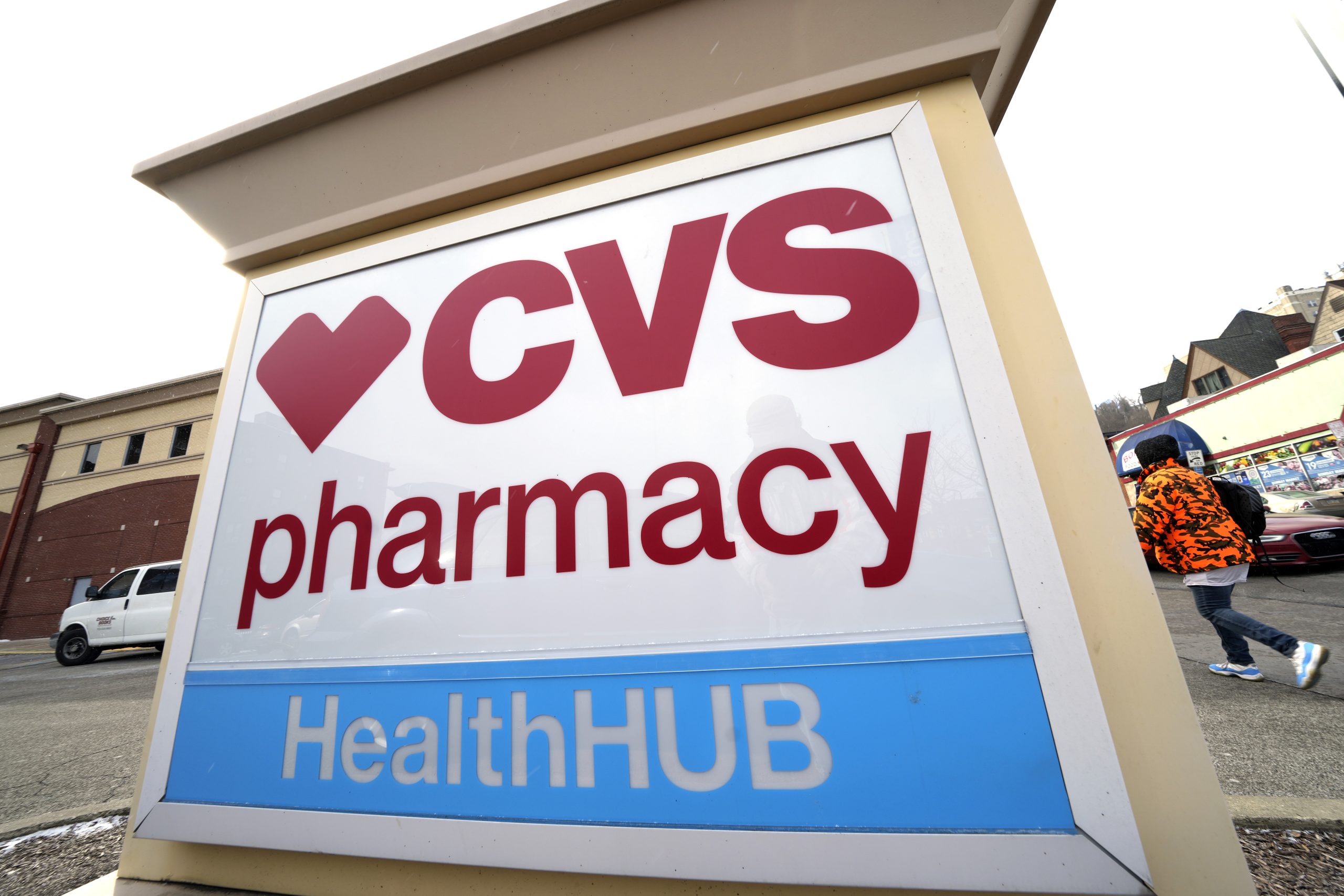
NEW YORK — In what could be remembered as one of the most consequential corporate unbundling events in modern American business history, CVS Health is actively evaluating strategies to dismantle its multi-layered healthcare conglomerate. According to people familiar with the deliberations, executive leadership and financial advisors are weighing options to separate its sprawling retail and specialty pharmacy operations from its high-stakes insurance arm, anchored by the Aetna acquisition. The developments have triggered a volatile market response, sending CVS shares tumbling as Wall Street reassesses the long-term viability of the vertical integration thesis that defined the past decade of healthcare consolidation.
For years, the dominant narrative among institutional asset managers and corporate strategists was that combining a massive pharmacy benefit manager (PBM), a national retail footprint, and a leading health insurer would yield unbeatable efficiency, unmatched data visibility, and resilient enterprise ROI. However, compounding operational headwinds—ranging from severe margin compression in retail dispensations to skyrocketing medical utilization rates within Aetna—have exposed deep fractures in this master plan. As institutional shareholders demand immediate risk mitigation and optimized capital allocation, the once-heralded synergy engine is facing a cold, analytical reckoning.
The Catalytic Anatomy of a Corporate Unraveling
Test Our Free AI & Tech Utilities Suite
Calculate LLM API token costs, analyze article dwell-time, or simulate tech DCA returns.
The roots of the current crisis extend far beyond recent quarterly earnings misses. When CVS Health acquired Aetna in 2018 for approximately $69 billion, the vision was clear: create an omnipresent health hub capable of managing a consumer's medical journey from insurance underwriting to prescription fulfillment at the corner drugstore. To achieve infrastructure scalability, the company deployed billions into digital transformation, MinuteClinic expansions, and integrated care delivery models.
Yet, the anticipated infrastructure scalability failed to offset systemic pressures. Retail pharmacy units—comprising thousands of storefronts nationwide—have been battered by plunging reimbursement rates from PBMs, rising labor costs, and aggressive competition from online-first disruptors. Simultaneously, the Caremark PBM division has found itself in the crosshairs of federal and state regulators, facing intense bipartisan scrutiny over spread pricing, rebate transparency, and anticompetitive practices.
On the insurance side, Aetna has struggled with volatile medical loss ratios. Unanticipated surges in elective procedures, rising pharmaceutical costs (including the explosive demand for GLP-1 weight-loss drugs), and restrictive government reimbursement rates for Medicare Advantage plans have squeezed underwriting margins. The divergence in capital requirements between a volatile retail footprint and a highly regulated, capital-intensive insurance balance sheet has created a strategic impasse. Investors are increasingly questioning whether managing these disparate business lines under a single corporate umbrella destroys rather than creates shareholder value.
Financial Metrics and Market Valuation Breakdown
To understand the gravity of the potential break-up, one must examine the fundamental metrics governing CVS Health’s current operational standing. The following table outlines the comparative scale, revenue drivers, and primary headwinds facing the core segments of the enterprise.
| Business Segment | Core Operations | Primary Margin Pressures | Valuation & Market Impact |
|---|---|---|---|
| Health Care Benefits (Aetna) | Medical/dental insurance, Medicare Advantage, commercial policies. | Rising medical loss ratios (MLRs), GLP-1 utilization costs, Medicare rate cuts. | Historically commands higher valuation multiples; sensitive to regulatory caps. |
| Pharmacy Services (CVS Caremark) | PBM services, specialty pharmacy, mail-order fulfillment. | PBM regulatory scrutiny, client contract churn, pricing transparency laws. | High revenue volume, but compressed operating margins and legal overhang. |
| Retail / Long-Term Care | Traditional retail drugstores, MinuteClinics, over-the-counter sales. | Declining prescription reimbursement, front-end retail theft, labor inflation. | Capital-heavy, low-growth asset; acts as a drag on consolidated PE multiples. |
Industry & Market Implications: Who Wins and Who Loses
A formal separation of CVS Health would send seismic shockwaves across the entire healthcare ecosystem. Investment bankers, private equity syndicates, and corporate legal teams are already modeling the potential fallout. The restructuring would fundamentally redefine market liquidity for healthcare equities and alter how institutional portfolios manage sector risk.
The Winners
- Pure-Play Focused Investors: Institutional asset managers who prefer segmented exposure can allocate capital specifically to a regulated managed-care entity or a retail/PBM logistics provider, avoiding cross-subsidy risks.
- Aetna as an Independent Entity: Stripped of the retail drugstore drag, an independent Aetna could streamline its balance sheet, optimize cloud compute architecture for data analytics, and execute targeted mergers without retail-related antitrust baggage.
- Activist Shareholders: Activist investors who have quietly pushed for operational unbundling would secure a major strategic victory, unlocking sum-of-the-parts valuation upside.
The Losers
- Synergy-Dependent Operations: Corporate divisions that relied on cross-company patient pipelines—such as steering Aetna members to CVS retail pharmacies and MinuteClinics—will face structural disruption.
- Near-Term Bondholders: A complex corporate separation involving debt allocation, credit rating agency reviews (S&P, Moody's), and potential credit downgrades could temporarily inflate borrowing costs.
- Execution-Risk Sensitive Retail Investors: Individual shareholders holding the stock through the dip face heightened volatility as management navigates multi-year regulatory and legal hurdles.
Frequently Asked Questions (People Also Ask)
Why is CVS Health considering breaking up its business model?
CVS is evaluating a breakup primarily due to severe margin compression in its retail and pharmacy benefit segments, coupled with escalating medical loss ratios in its Aetna insurance division. Investors and advisors argue that separating these entities could unlock higher valuation multiples, eliminate cross-subsidy inefficiencies, and allow each business to focus on core operational execution without regulatory cross-fire.
How would a separation of pharmacies from insurance impact share prices?
While the initial announcement generated market volatility and downward pressure on shares due to restructuring uncertainty, proponents argue that a sum-of-the-parts valuation often exceeds the consolidated trading value over the long term. Clean, pure-play corporate structures historically attract distinct investor bases willing to pay higher price-to-earnings multiples.
What role do regulatory compliance and PBM investigations play in this decision?
Intense federal and state scrutiny regarding pharmacy benefit managers (PBMs), drug pricing transparency, and vertical monopolies has created significant legal and financial risk. Separating these operations helps insulate the insurance and healthcare delivery arms from ongoing antitrust challenges directed at retail and PBM practices.
What is the expected timeline for any potential corporate spin-off?
Any structural unbundling of a $117 billion enterprise is a complex multi-year undertaking. It requires meticulous tax planning, debt restructuring, regulatory approvals from state insurance commissioners and federal antitrust bodies, and formal board ratification. Analysts suggest any definitive transaction timeline would likely span 12 to 24 months.
Future Outlook and Strategic Milestones to Watch
As CVS Health navigates this critical juncture, executive leadership under CEO David Joyner faces a high-stakes balancing act. The immediate imperative is stabilizing retail operating margins and containing Aetna's utilization costs while conducting a rigorous portfolio review. Wall Street will be watching upcoming quarterly earnings calls for concrete signals regarding asset divestitures, formal restructuring advisory appointments, and updated guidance on capital allocation.
Key milestones to monitor include credit rating agency pronouncements regarding debt apportionment, any formal announcements of tax-free spin-offs under IRS guidelines, and responses from major institutional holders and activist funds. If executed effectively, the unbundling of CVS Health could serve as a watershed case study in modern corporate governance—proving that in an increasingly complex regulatory and economic landscape, corporate agility often outweighs the allure of massive, integrated conglomerates.