"We Can’t Be Intimidated": CodePink Blasts Rubio-Backed State Department Report as "Garbage" Amid Foreign Agent Crackdown
WASHINGTON — In a sharp escalation of the political battle over foreign influence and domestic dissent, the anti-war group CodePink has launched a fierce counteroffensive against Florida Senator Marco Rubio and the U.S. State Department. The clash marks a highly charged chapter in Washington's widening crackdown on advocacy groups suspected of laundering foreign narratives inside the United States.
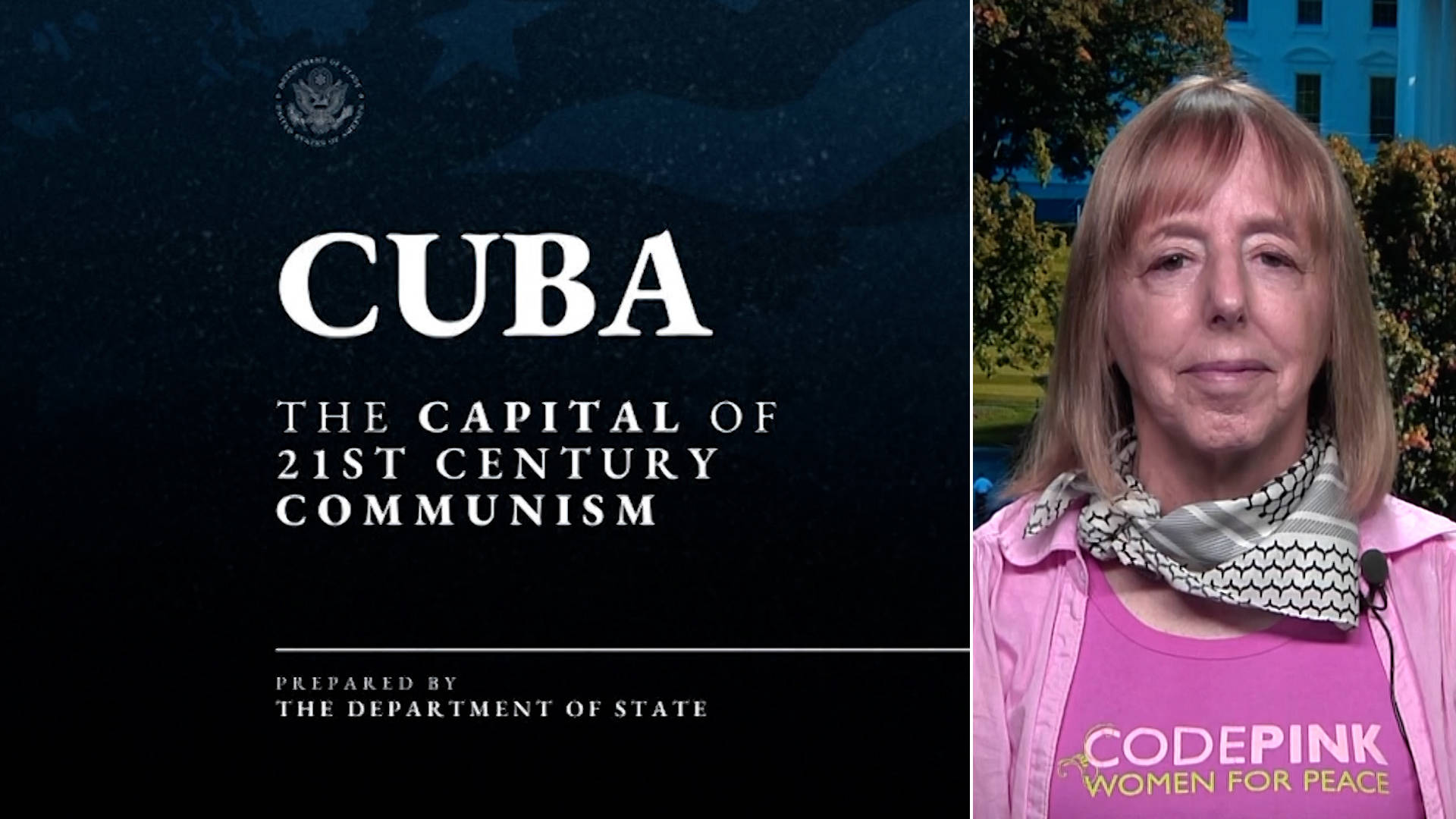
At the heart of the dispute is a newly released State Department report that attempts to trace links between American peace organizations and foreign adversaries, notably Cuba and China. CodePink co-founder Medea Benjamin did not mince words, labeling the federal assessment "an incredible piece of garbage" designed to weaponize national security agencies against legitimate, constitutionally protected grassroots dissent.
The confrontation underscores a deeper, structural shift in Washington, where both political parties are increasingly utilizing the Foreign Agents Registration Act (FARA) and federal intelligence reports to scrutinize progressive non-profits, think tanks, and anti-war coalitions.
Executive Summary: The Core of the Dispute
- The Allegation: A State Department-affiliated report alleges that Cuba solidarity groups, including CodePink, act as conduit channels for foreign influence, aligning their domestic lobbying efforts with the interests of Havana and Beijing.
- The Defense: CodePink has fiercely rejected the report, calling it a McCarthyite smear campaign led by hawkish legislators like Senator Marco Rubio to silence opposition to U.S. sanctions and embargoes.
- The Legal Stakes: Critics argue that labeling peace activists as de facto foreign agents threatens the 501(c)(3) tax-exempt status of advocacy groups and creates a chilling effect on free speech.
- Geopolitical Context: The clash comes as the U.S. intensifies its diplomatic and economic isolation of Cuba, while simultaneously monitoring Chinese influence operations across Latin America and domestic U.S. political circles.
The Catalyst: "An Incredible Piece of Garbage"
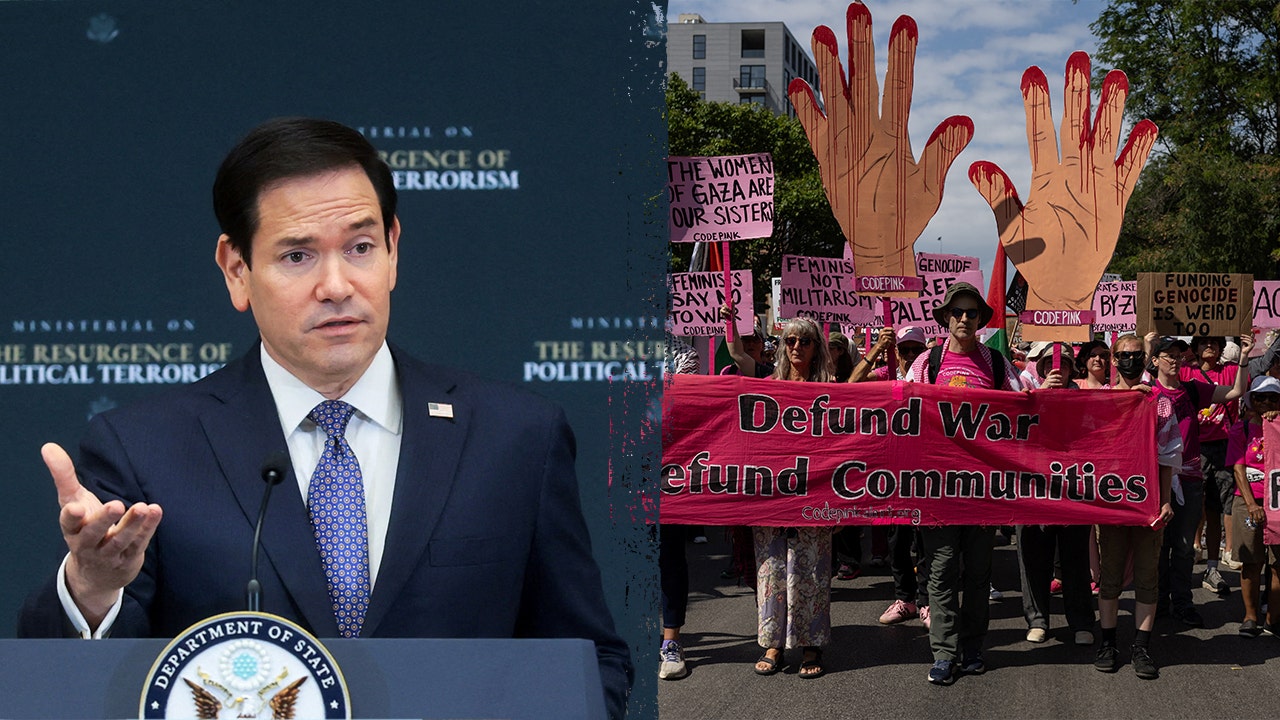
The controversy erupted following the publication of a report linked to the State Department’s Global Engagement Center (GEC), which monitors foreign disinformation. The document outlines what it characterizes as a sophisticated, multi-layered influence network operating within the U.S., designed to pressure lawmakers into lifting the decades-long trade embargo on Cuba.
For Senator Marco Rubio, a powerful voice on the Senate Foreign Relations Committee and a staunch anti-communist, the report confirms long-held suspicions. Rubio and his allies have long petitioned the Department of Justice to investigate left-leaning advocacy groups for potential FARA violations, claiming these organizations act as unregistered agents of the Cuban intelligence apparatus.
Appearing on independent news network Democracy Now!, CodePink’s Medea Benjamin launched a scathing rebuttal. "We can’t be intimidated," Benjamin declared, arguing that the report relies on insinuation rather than actionable intelligence. She characterized the findings as a desperate attempt to deflect attention away from the humanitarian consequences of U.S. sanctions on the Cuban population.
"This is an incredible piece of garbage," Benjamin said. "It is an attempt to resurrect the Red Scare, targeting peace activists who are merely advocating for humane policies, diplomatic engagement, and the lifting of a blockade that has devastated ordinary families."
Understanding the Players and the Power Struggle
To fully grasp the stakes of this confrontation, it is essential to analyze the opposing motivations of the primary actors involved in this geopolitical tug-of-war.
| Entity / Player | Primary Agenda | Core Allegation / Defense | Key Strategic Tool |
|---|---|---|---|
| Sen. Marco Rubio & Congressional Hawks | Enforce strict containment of leftist regimes in Latin America; expose foreign lobbying. | U.S. peace groups are being manipulated or funded by foreign state actors to weaken U.S. foreign policy. | Congressional oversight, DOJ pressure, FARA inquiries. |
| CodePink & Medea Benjamin | Dismantle U.S. economic sanctions; promote anti-interventionist foreign policy. | The federal government is using McCarthy-style tactics to criminalize dissent and protect failed foreign policies. | Grassroots mobilization, media advocacy, First Amendment litigation. |
| U.S. State Department (GEC) | Identify and neutralize foreign state-sponsored disinformation and covert influence campaigns. | Foreign adversaries exploit Western democratic openness and progressive movements to achieve strategic goals. | Intelligence synthesis, public reporting, diplomatic alerts. |
The Legal Battleground: Weaponizing FARA
For decades, the Foreign Agents Registration Act (FARA) was a relatively obscure 1938 statute designed to expose Nazi propaganda. Today, it has become one of the most potent and controversial legal weapons in Washington's foreign policy arsenal.
By framing the activities of groups like CodePink as national security threats, lawmakers can exert immense pressure on financial institutions to close the bank accounts of non-profits, subject organizers to invasive federal audits, and damage their public credibility. CodePink argues that this strategy is deliberately deployed to exhaust their resources and distract them from their core mission of advocating for global peace.
Legal experts note that while the federal government has a legitimate interest in monitoring covert foreign funding, applying these measures to domestic policy debates risks treading on constitutional rights. "The line between foreign-directed propaganda and domestic policy advocacy is historically thin," says a prominent Washington civil liberties attorney. "When the state begins policing who can speak on behalf of international diplomacy, the First Amendment is inevitably compromised."
Future Outlook: A Rising Cold War Mentality
The confrontation between CodePink and Capitol Hill is not occurring in a vacuum. It reflects a broader, bipartisan shift toward a neo-Cold War posture. As geopolitical tensions with China, Russia, and their regional allies like Cuba intensify, the political tolerance in Washington for anti-war or non-interventionist perspectives has plummeted.
Looking ahead, observers expect congressional committees to hold public hearings on domestic organizations suspected of harboring foreign sympathies. Senator Rubio’s office has signaled that it will continue to push the Department of Justice for formal investigations. Meanwhile, CodePink and its coalition partners plan to escalate their public defense, mobilizing progressive lawmakers to protect the rights of non-governmental organizations (NGOs) to operate without fear of federal surveillance and character assassination.
Frequently Asked Questions
What is CodePink, and why is it being targeted by the U.S. government?
CodePink is a women-led grassroots peace and human rights movement founded in 2002 to oppose the U.S. invasion of Iraq. It has since expanded its focus to oppose economic sanctions, militarism, and foreign interventions. It is being targeted by lawmakers like Senator Marco Rubio because of its active campaigning against the U.S. embargo on Cuba and its criticisms of U.S. foreign policy toward China, which critics claim align too closely with the narratives of those foreign governments.
What does the State Department report actually claim?
The report, associated with the State Department's efforts to track foreign influence, alleges that Cuba solidarity groups and certain left-leaning American organizations act as conduits for foreign narratives. It suggests that these groups participate in coordinated influence campaigns designed to lobby U.S. politicians, shape public opinion, and advance the geopolitical interests of Cuba and China within the United States.