Executive Takeaways
- Direct White House Mandate: The Trump administration has officially ordered the Federal Reserve to conduct an immediate, comprehensive review of banking and payment rail access for digital asset institutions.
- Systemic De-Banking Countermeasure: The executive action targets legacy financial bottlenecks, historic compliance friction, and informal supervisory pressure historically used to restrict digital asset companies from national payment clearinghouses.
- Capital Allocation & Infrastructure Shift: Institutional asset managers and fintech enterprises are realigning their capital allocation strategies, anticipating compressed valuation multiples for traditional intermediary services and heightened market liquidity for stablecoins.
- Regulatory Compliance Overhaul: The directive sets a strict timeline for federal banking regulators to publish updated operational guidelines, balancing robust anti-money laundering (AML) controls with transparent access to wire networks like Fedwire and ACH.
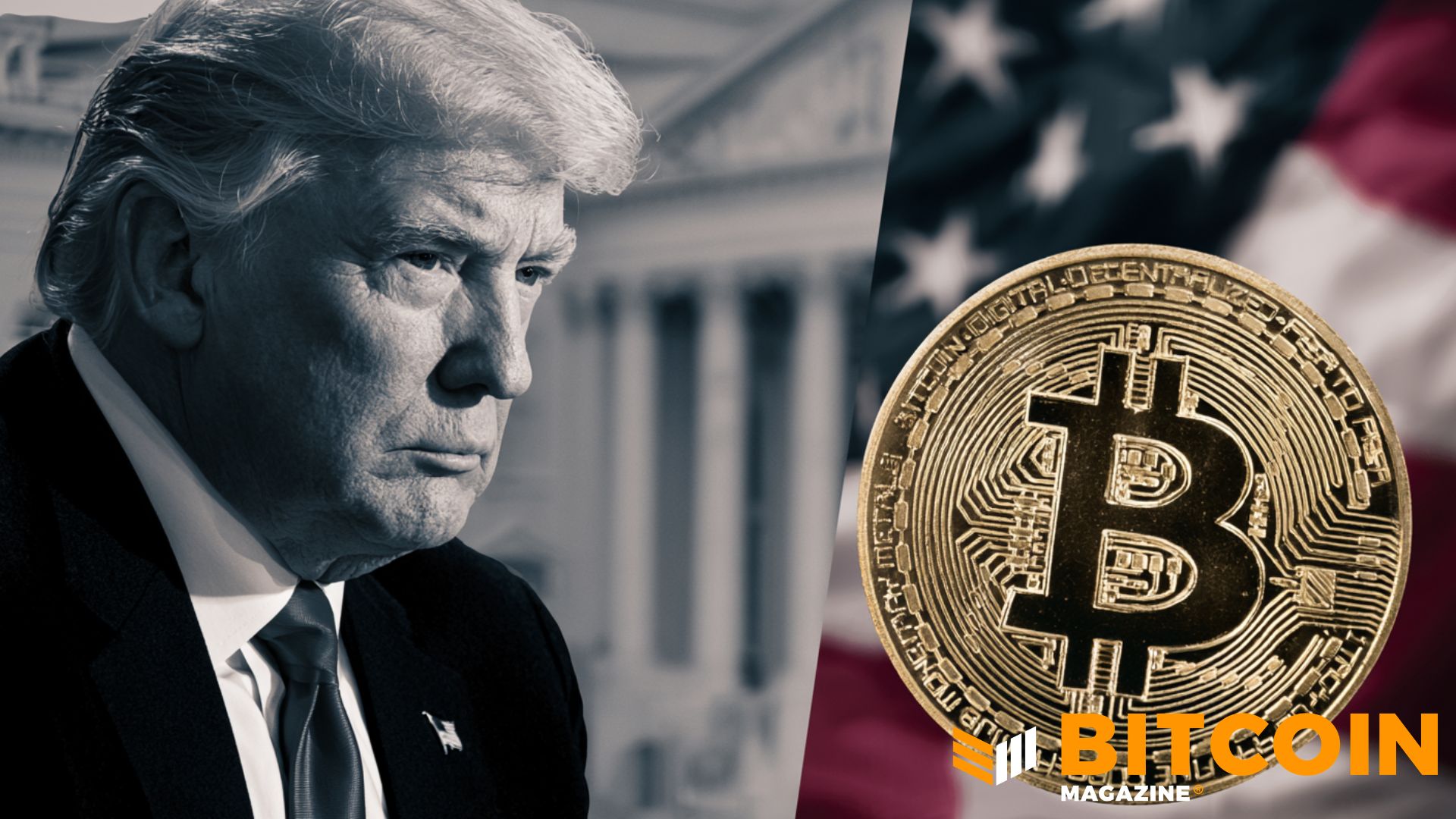
WASHINGTON & NEW YORK — In a decisive regulatory pivot that promises to reshape the architecture of global finance, the White House has issued a sweeping executive directive instructing the Federal Reserve and associated federal banking regulators to review, remediate, and potentially expand payment system access for digital asset enterprises. Reported initially via wire feeds from Bitbo on May 20, 2026, the decree strikes directly at the heart of institutional friction that has long plagued the intersection of traditional banking and blockchain infrastructure.
For years, cryptocurrency firms, digital asset exchanges, and blockchain-native infrastructure providers have sounded the alarm over institutional de-banking—a covert phenomenon where traditional financial institutions quietly shutter accounts or deny entry to payment clearing networks under ambiguous risk mitigation pretexts. This latest executive order demands an exhaustive audit of past supervisory practices, effectively placing legacy banking gatekeepers under the regulatory microscope to ensure that capital allocation and market liquidity within the digital economy are no longer stifled by administrative gatekeeping.
The Catalytic Shift: Dismantling the Modern "Chokepoint"
Test Our Free AI & Tech Utilities Suite
Calculate LLM API token costs, analyze article dwell-time, or simulate tech DCA returns.
To understand the profound weight of this directive, one must examine the operational hurdles that have constrained crypto enterprise ROI over the past decade. Historically, digital asset firms navigating the U.S. regulatory matrix faced steep barriers when attempting to secure dependable cloud compute architecture partnerships, corporate treasury accounts, and direct integration with core clearing rails such as the Federal Reserve’s Fedwire Funds Service and the Automated Clearing House (ACH) network.
Industry executives have long argued that informal guidance from regulatory bodies created an environment of preemptive risk aversion among commercial banks. Financial institutions, fearful of regulatory scrutiny, systematically severed ties with digital asset firms, driving liquidity offshore or into opaque, higher-risk shadow banking channels.
By compelling the Federal Reserve to systematically review these access protocols, the administration’s directive introduces unprecedented transparency into how master accounts are granted. Analysts note that this move is poised to lower compliance overhead, streamline operational workflows, and dramatically reduce settlement times across enterprise financial ecosystems. Furthermore, integration with modern cloud-based banking infrastructure could soon see traditional banks and blockchain protocols operating on unified settlement layers, fundamentally altering institutional valuation multiples for both fintech disruptors and legacy banking monoliths.
Verified Data & Metrics Breakdown

| Metric / Parameter | Pre-Directive Landscape (Legacy Status) | Post-Directive Projection (Target State) |
|---|---|---|
| Master Account Access Approval Time | Indefinite delays (18 to 36+ months) with opaque denial rationales | Standardized, statutory review windows capped at 120 days |
| Stablecoin Settlement Efficiency | Fragmented fiat-to-crypto gateways prone to banking hour bottlenecks | 24/7/365 real-time gross settlement via direct Fedwire connectivity |
| Institutional Capital Allocation | Cautious, heavily intermediated via offshore derivative desks | Direct onshore deployment via regulated tier-1 banking partners |
| Compliance & Risk Mitigation Overhead | Redundant third-party audits and arbitrary account freezes | Codified, transparent AML/KYC frameworks aligned with traditional banking standards |
Industry & Market Implications: Winners and Losers
The macroeconomic ramifications of the White House directive will not distribute evenly across the financial landscape. As capital markets price in the probability of unfettered access to sovereign payment rails, clear distinctions are emerging between structural beneficiaries and vulnerable incumbents.
The Winners: Infrastructure Providers and Compliant Exchanges
Major digital asset custodians, compliant institutional exchanges, and enterprise-grade stablecoin issuers stand to capture immense market share. With guaranteed access to primary settlement layers, these firms can reduce counterparty risk and offer institutional clients seamless fiat on- and off-ramps. Venture capital and private equity firms are already adjusting their investment theses, steering capital toward protocols that facilitate cross-border institutional liquidity and tokenized real-world assets (RWAs).
The Vulnerable: Legacy Intermediaries and Opaque Gatekeepers
Conversely, regional banking institutions that built defensive moats around high-fee, inefficient correspondent banking networks face severe revenue headwinds. If crypto-native firms can access direct Federal Reserve master accounts without navigating hostile commercial banking intermediaries, transaction fee revenues will compress. Furthermore, compliance software vendors specializing in automated risk mitigation and regulatory reporting will see surging demand as institutions race to adapt to the new federal guidelines.
Frequently Asked Questions (People Also Ask)
What specific actions does the executive order mandate regarding the Federal Reserve?
The executive order directs the Federal Reserve and participating banking regulators to conduct a comprehensive audit of their master account application review processes. It specifically targets arbitrary denials, requires objective justification for banking access restrictions, and mandates the creation of transparent pathways for licensed digital asset firms to integrate with federal payment infrastructure like Fedwire.
How does this impact institutional capital allocation and market liquidity?
By removing the regulatory uncertainty surrounding banking relationships, institutional investors can deploy capital into digital assets with significantly lower counterparty and operational risk. This clarity is expected to unlock billions in dormant institutional liquidity, deepen order book liquidity across domestic exchanges, and accelerate the mainstream adoption of tokenized financial products.
Does this directive weaken anti-money laundering (AML) and compliance standards?
No. The executive order explicitly emphasizes that expanded payment access must be paired with rigorous, transparent regulatory compliance. Rather than lowering standards, the initiative aims to replace subjective, informal restrictions with clear, enforceable AML and know-your-customer (KYC) frameworks that align digital asset firms with traditional banking protocols.
What timeline has been established for implementing these regulatory reviews?
While federal agencies operate under statutory rulemaking procedures, the directive establishes expedited reporting windows, requiring regulatory bodies to submit preliminary audit findings and revised operational guidance within 90 to 120 days of the executive proclamation.
Future Outlook: Strategic Milestones to Watch
As the financial markets digest the implications of the White House directive, attention now turns to execution. Over the next two quarters, financial analysts and regulatory counsels will monitor several critical inflection points:
- Federal Reserve Response and Guidance Publication: Watch for official policy statements from the Board of Governors regarding how master account application backlogs will be cleared and whether expedited review procedures will be codified.
- Commercial Banking Adaptation: Observe how legacy tier-1 and regional banks adjust their internal risk models. Institutions that previously maintained hostile stances toward blockchain companies may pivot toward offering white-glove custodial and settlement services to capture returning volume.
- Congressional Oversight and Legislative Codification: While executive orders provide immediate administrative direction, bipartisan efforts in Congress may seek to cement these access rights into statutory law, ensuring long-term regulatory certainty across changing political administrations.
Ultimately, this executive action marks a watershed moment in the institutionalization of digital assets. By bridging the chasm between sovereign banking rails and blockchain-based innovation, the U.S. financial system is stepping into a highly competitive era where speed, transparency, and infrastructure scalability will define global market dominance.