Executive Takeaways:
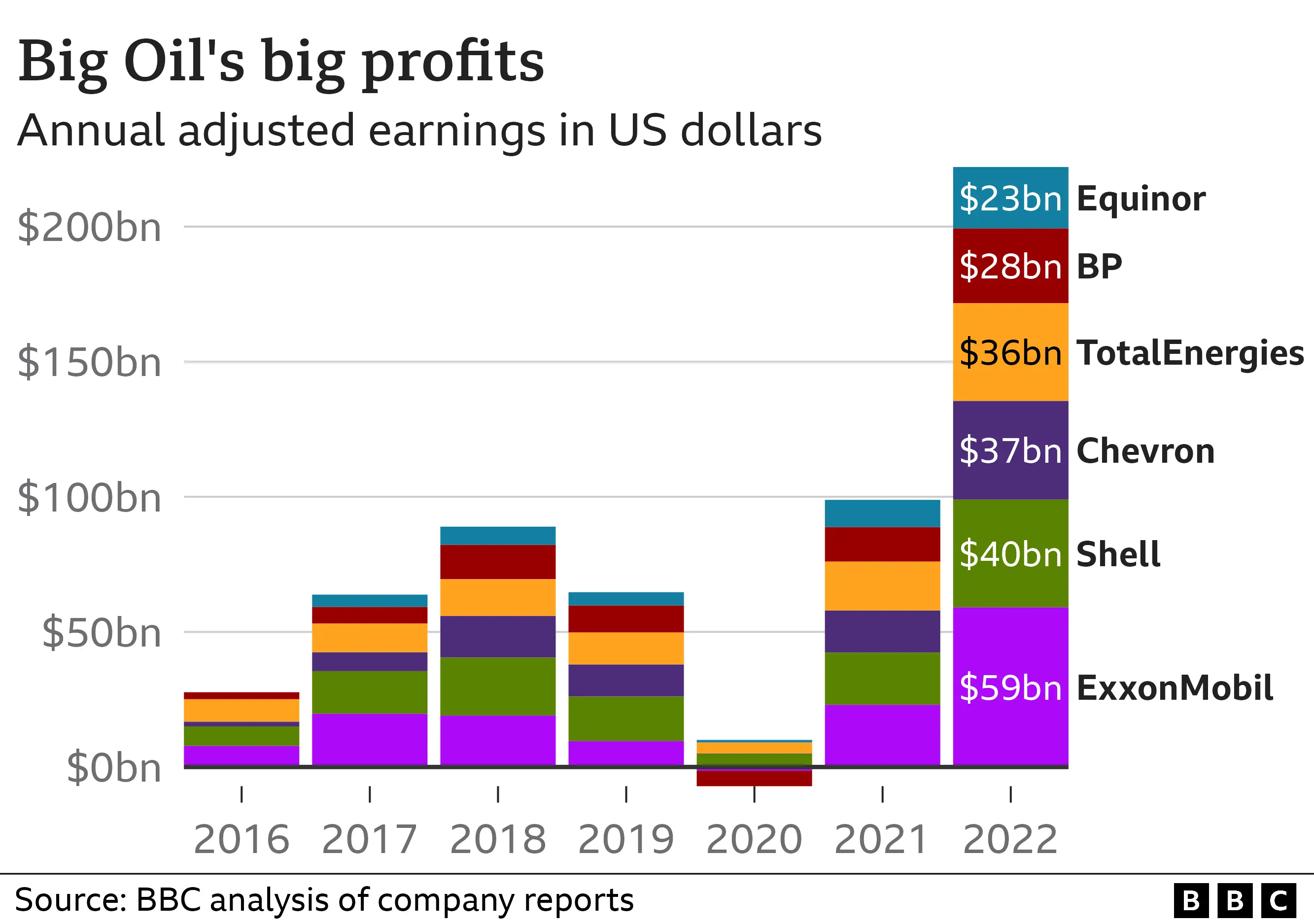
- Unprecedented Cash Generation: Major multinational energy conglomerates have posted staggering sequential net income increases, driven by tight global supply dynamics and resilient downstream margins.
- Capital Allocation Paradigm Shift: Unlike previous commodity supercycles defined by aggressive exploration spending, boards are prioritizing balance sheet deleveraging, share repurchases, and enterprise ROI.
- Regulatory and Political Crosswinds: The widening delta between consumer pain at the pump and corporate profitability has reignited legislative scrutiny, windfall tax proposals, and compliance friction.
- Technological Modernization: Record free cash flow is increasingly funding upstream automation, emissions reduction technology, and strategic cloud compute architecture investments to ensure long-term regulatory compliance.
Global energy markets are once again grappling with an extraordinary economic phenomenon: major publicly traded oil and gas corporations are posting soaring quarterly profits that rival historic highs, even as macroeconomic headwinds and sticky inflation pressure consumer discretionary spending. This divergence between Main Street reality and corporate balance sheets has ignited an intense global debate over valuation multiples, capital distribution strategies, and the geopolitical vulnerabilities underpinning modern commodity markets.
For institutional investors, the latest reporting cycle underscores a structural transformation in how the petroleum sector operates. Gone are the days of unfettered capital expenditure programs aimed purely at volume growth. Today’s boardrooms are laser-focused on enterprise ROI, disciplined risk mitigation, and robust shareholder returns. However, as net income figures climb into the tens of billions, the political fallout threatens to reshape the regulatory landscape across North America, Europe, and major developing markets.
The Catalytic Engine: Supply Constraints Meet Resilient Demand
Test Our Free AI & Tech Utilities Suite
Calculate LLM API token costs, analyze article dwell-time, or simulate tech DCA returns.
To understand the mechanics behind this earnings surge, one must examine the macroeconomic confluence driving modern petroleum economics. Despite concerted global efforts toward energy transition initiatives and green infrastructure scalability, the world economy remains inextricably tethered to hydrocarbon baseloads. Supply-side elasticity has been severely constrained by years of underinvestment in upstream exploration, coupled with coordinated production restraint by major geopolitical coalitions such as OPEC+.
Furthermore, structural bottlenecks in global refining capacity have amplified profit margins across both upstream extraction and downstream processing. When crude prices experience upward volatility, integrated energy majors capture outsized gains because their refining and marketing segments frequently act as natural hedges. As global logistical networks adapt to shifting trade routes—prompted by ongoing European sanctions on Russian energy exports and lingering Middle Eastern supply chain anxieties—market liquidity has fragmented, creating episodic pricing spikes that disproportionately benefit well-capitalized supermajors.
Management teams have leveraged these dynamics not to drill indiscriminately, but to optimize asset portfolios. By divesting high-cost, high-emission assets and consolidating core plays in low-break-even basins like the Permian, these corporations have lowered their overall cost structures. The resulting cash flows are staggering, giving executive committees unprecedented financial firepower.
Capital Allocation: Dividends, Buybacks, and Strategic Transformation

The defining narrative of this earnings boom is not merely the top-line revenue generated, but how that capital is deployed. Historically, high oil prices triggered immediate, speculative drilling frengies that ultimately oversupplied the market and collapsed asset values. This time, institutional shareholders—empowered by activist investors and ESG mandates—demanded a radically different playbook.
Current capital allocation frameworks prioritize three primary pillars:
- Aggressive Share Repurchases: Billions of dollars are being funneled into open-market share buybacks, compressing share counts and driving up earnings per share (EPS) metrics to appease equity markets.
- Enhanced Dividend Yields: Base dividends have been steadily increased, supplemented by variable dividend payouts tied directly to commodity price benchmarks, rewarding long-term institutional holders.
- Targeted Energy Transition Investments: Portions of free cash flow are being directed toward carbon capture, utilization, and storage (CCUS), hydrogen infrastructure, and low-carbon biofuels to satisfy evolving regulatory compliance standards.
Concurrently, internal operations are undergoing a digital revolution. Energy firms are deploying advanced machine learning models, predictive maintenance software, and advanced cloud compute architecture to optimize reservoir management and reduce operational expenditure (OPEX). This disciplined approach ensures that even if commodity cycles pivot downward, the structural break-even point for these enterprises remains remarkably resilient.
Financial Performance Metrics: A Comparative Overview
The following data highlights the financial trajectory and strategic shifts of leading integrated energy companies during the current earnings cycle compared to historical baselines:
| Metric / Indicator | Current Reporting Period | Pre-Pandemic Baseline (2019) | Strategic Implication |
|---|---|---|---|
| Aggregate Net Income (Top 5 Majors) | ~$150B - $180B Annualized | ~$100B - $120B Annualized | Reflecting sustained margin expansion and operational efficiencies. |
| Capital Expenditure (CapEx) Discipline | Flat to +5% YoY Growth | Aggressive double-digit expansion | Prioritizing shareholder returns over volume-driven growth. |
| Free Cash Flow (FCF) Yield | 12% - 15% | 6% - 8% | Providing unmatched liquidity for buybacks and debt reduction. |
| Gearing Ratio / Net Debt-to-Equity | 10% - 18% | 25% - 35% | Significantly strengthened balance sheets against market volatility. |
Geopolitical and Economic Fallout: Who Wins, Who Loses
The macroeconomic ripples of soaring energy profits extend far beyond corporate boardrooms. The distribution of economic value creates stark winners and losers across the global landscape.
The Winners: Major integrated oil companies, oilfield service providers benefiting from rising activity offshore and internationally, and sovereign wealth funds in petrostates retain dominant positioning. Furthermore, institutional asset managers holding heavy weightings in energy equities have outperformed broader market benchmarks, shielding portfolios from tech sector corrections.
The Losers: Energy-intensive manufacturing sectors, commercial airlines, logistics operators, and chemical producers face margin compression as high input costs eat into operational profitability. Concurrently, end consumers—particularly in lower- and middle-income brackets—bear the brunt of elevated fuel and utility prices, fueling political polarization.
This dynamic has put policymakers on high alert. Lawmakers in Washington and Brussels face mounting pressure to intervene. Proposals range from windfall profit taxes and export restrictions to increased antitrust oversight. Energy executives, however, counter that artificial price controls or punitive taxation will stifle capital investment, ultimately triggering severe long-term supply shortages and even higher prices for consumers.
Frequently Asked Questions (People Also Ask)
Why are oil company earnings surging when consumers face high inflation?
Oil company earnings are driven by global commodity prices, which are set by worldwide supply and demand dynamics rather than domestic retail prices alone. When global crude supply is tight—due to geopolitical conflicts, production cuts, and constrained refining capacity—profit margins expand significantly for companies controlling extraction and processing infrastructure. While consumers experience this as high inflation at the pump, integrated energy firms capture the corresponding revenue upside.
Are energy companies reinvesting their profits into new oil production?
Unlike previous commodity booms where cash was heavily funneled into aggressive drilling, today’s major energy firms are exercising strict capital discipline. A substantial portion of current free cash flow is being allocated toward share buybacks, dividend distributions, debt reduction, and selective low-carbon technology investments rather than expanding traditional exploration budgets.
How do geopolitical tensions impact quarterly oil earnings?
Geopolitical conflicts in major energy-producing regions create immediate risk premiums in global crude pricing. Supply chain disruptions, maritime transit bottlenecks, and international trade sanctions restrict market liquidity and physical flows, frequently leading to rapid price spikes that disproportionately boost the quarterly net income of multinational oil conglomerates.
What is the risk of windfall profit taxes on energy corporations?
Windfall taxes aim to capture excess corporate profits during high-price environments to fund consumer relief or public infrastructure. However, industry analysts warn that such levies create regulatory uncertainty, discourage long-term capital allocation, and may inadvertently disincentivize the very investments needed to maintain stable energy supplies.
Future Outlook: Strategic Milestones to Monitor
As the industry navigates the remainder of the fiscal year, several critical inflection points will dictate whether this profitability plateau sustains or recedes:
- OPEC+ Production Policy Shifts: Any coordinated decision to unwind voluntary production cuts will immediately test global supply elasticity and downward price pressures.
- Macroeconomic Growth Indicators: Industrial demand metrics from key economies, particularly China and the Eurozone, will serve as primary leading indicators for petroleum consumption volumes.
- Regulatory and Legislative Actions: Continued monitoring of carbon emission caps, potential windfall tax legislation in key jurisdictions, and antitrust inquiries will heavily influence long-term valuation multiples.
- Energy Transition Execution: The pace at which oil majors successfully integrate low-carbon assets without eroding core return on capital employed (ROCE) will define investor sentiment in an increasingly ESG-conscious financial ecosystem.
Ultimately, the latest surge in oil company earnings is a potent reminder of the cyclical resilience and economic power embedded within traditional energy markets. How executives balance immediate shareholder gratification with long-term strategic transformation will determine the financial health of the sector for decades to come.