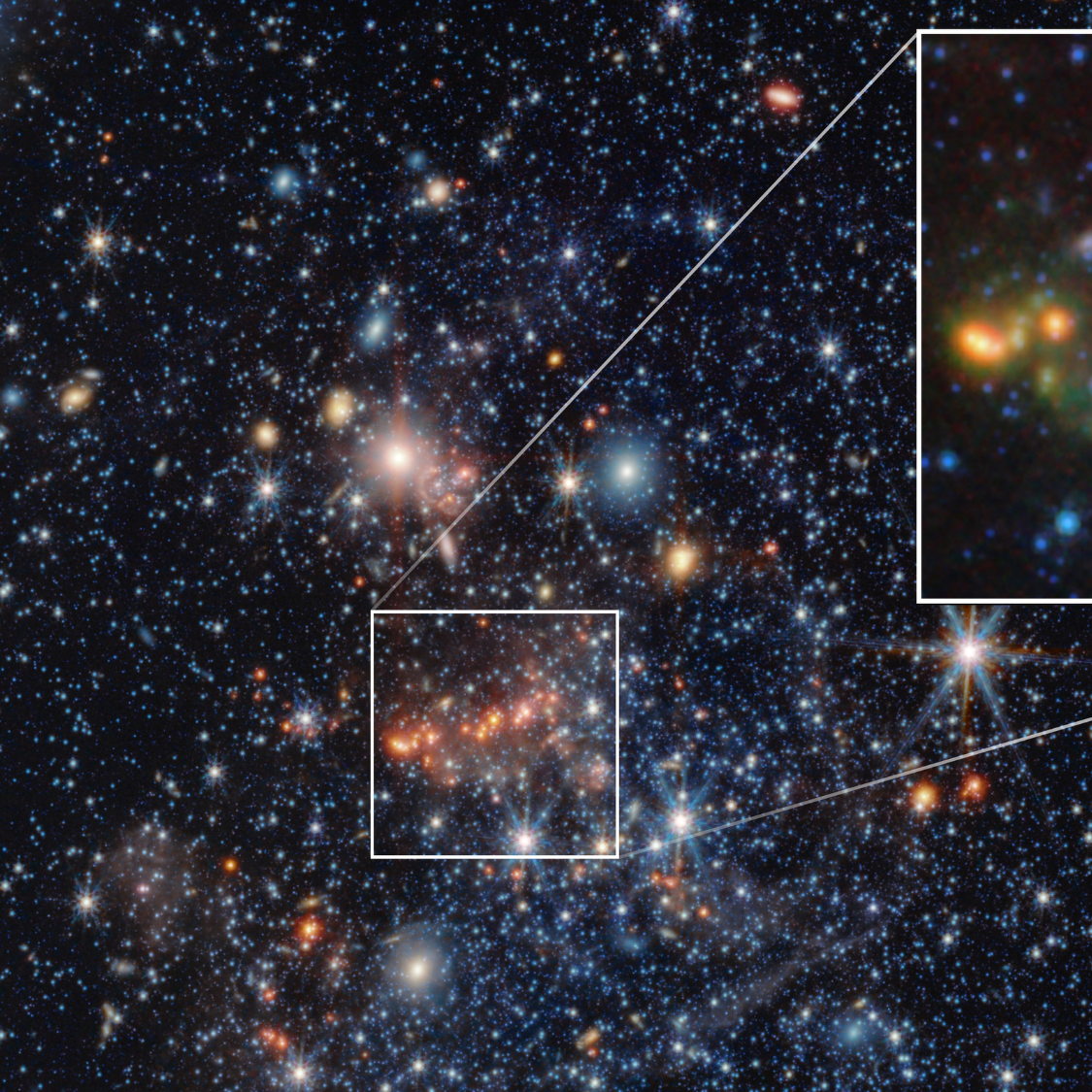
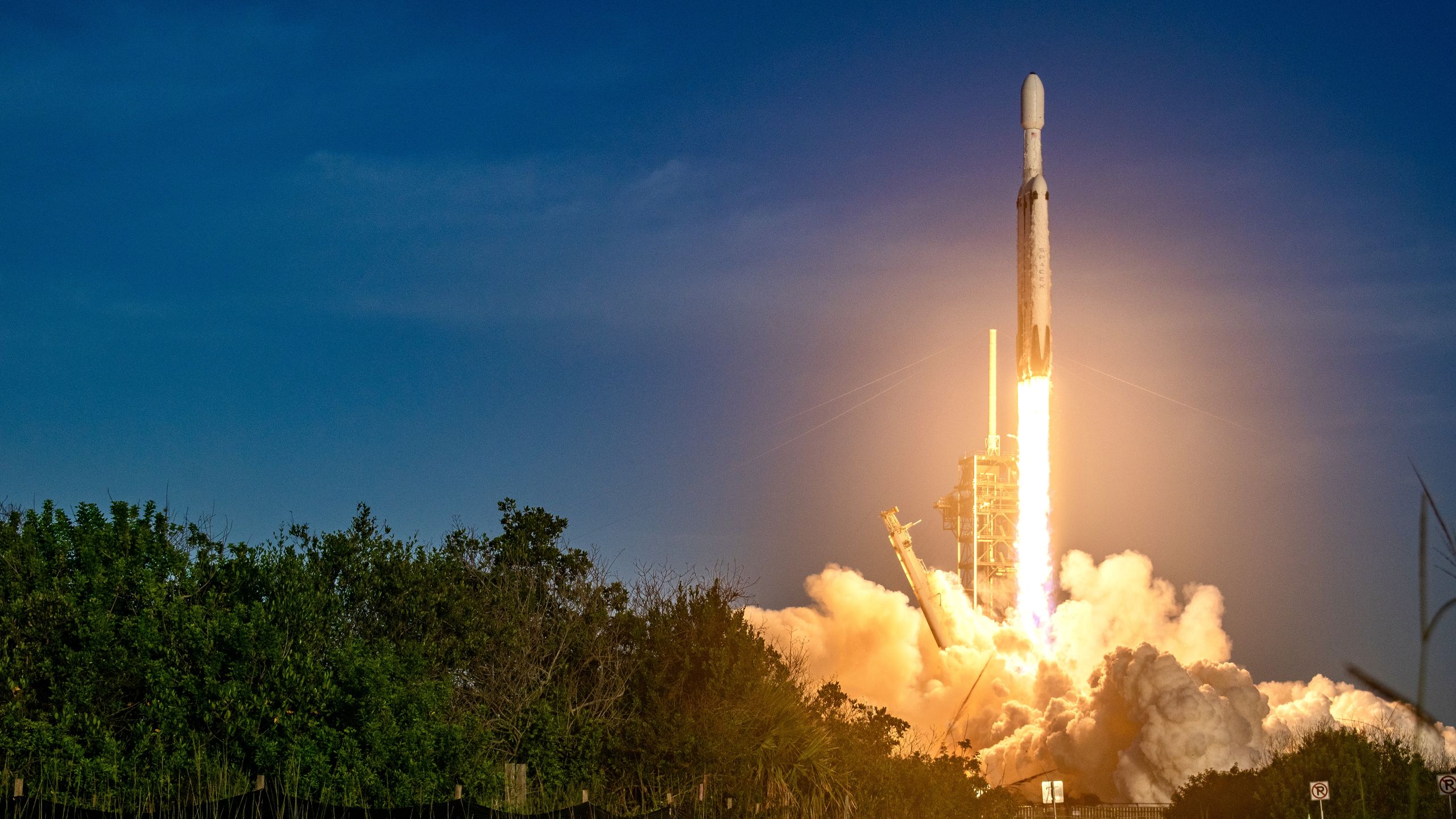
WASHINGTON — In a thunderous roar that reverberated across the Florida coastline just as the sun began to peek over the Atlantic, NASA officially ushered in a landmark era of astronomical discovery. At precisely dawn, the space agency’s most advanced and ambitious space telescope ever built successfully broke free from Earth’s gravity, riding a pillar of fire into the vast unknown.
Project officials, engineers, and scientists at mission control erupted in cheers and applause as the payload successfully separated from the launch vehicle. Described by lead mission architects as a "glorious dawn launch," the successful liftoff marks the culmination of decades of meticulous planning, billions of dollars in investment, and an unprecedented international engineering effort. Now, humanity’s newest technological marvel is officially on its multi-million-mile journey to peer deeper into the cosmos than ever before.
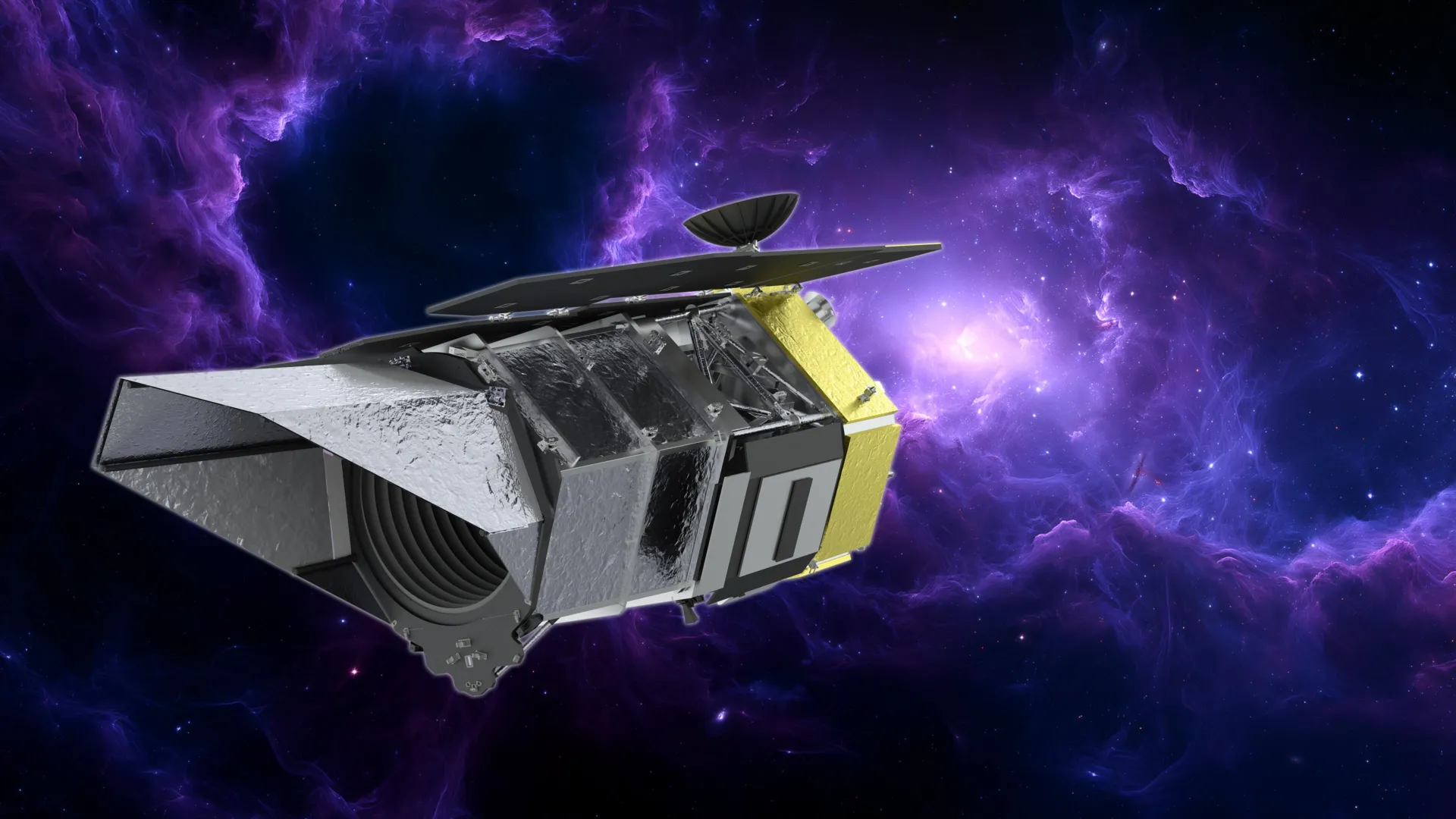
With a footprint roughly the size of a commercial tour bus, this sophisticated orbital observatory is engineered to do far more than just capture pretty pictures. Its primary mission directive is twofold: to unravel the most stubborn mysteries surrounding the formation of the early universe, and to systematically identify more than 100,000 uncharted planets lurking beyond our solar system—fundamentally shifting our understanding of our place in the galaxy.
The Mission at a Glance: Key Strategic Takeaways
- Massive Scale: The tour-bus-sized telescope represents one of the most complex robotic deployments ever attempted in deep space.
- Unprecedented Scope: The observatory is tasked with discovering and cataloging over 100,000 exoplanets.
- Cosmic Origins: Instruments aboard are designed to look back in time, capturing light from the universe's earliest stellar nurseries and galaxies.
- Economic & Technological Impact: The project drives multi-sector advancements in optics, cryogenics, and deep-space data processing.
Unlocking the Secrets of 100,000 Alien Worlds
For centuries, humanity gazed at the stars wondering if we were alone. Over the last three decades, planet hunters have confirmed the existence of more than 5,000 exoplanets. However, NASA’s newest telescope is designed to blow those numbers wide open, targeting a staggering benchmark of identifying upwards of 100,000 worlds orbiting distant stars.
Senior astrophysicists working on the program note that the telescope's hyper-sensitive light-gathering mirrors and advanced spectrometers will not only detect these planets as they transit their host stars, but will also analyze their atmospheric compositions. By sniffing out the molecular fingerprints of water vapor, methane, and carbon dioxide, scientists hope to pinpoint celestial bodies that might harbor the conditions necessary for life.
"We are no longer just cataloging stars; we are hunting for biological signatures across the cosmos," said a senior NASA science mission director during a post-launch briefing. "This telescope gives us the analytical horsepower to look at alien atmospheres with a clarity our predecessors could only dream of."
Engineering Marvel Meets Deep-Space Hazards
Getting this technological behemoth off the ground was only the first hurdle. Over the coming weeks, the telescope must execute a series of high-stakes, highly complex autonomous maneuvers. Because of its sheer physical size, the observatory had to be folded meticulously inside the rocket’s payload fairing like an intricate piece of origami.
As it travels toward its designated gravitational sweet spot—a million miles away from Earth—the spacecraft must successfully unfold its sunshield, deploy its primary mirror segments, and calibrate its ultra-cold cryogenic cooling systems. Any single point of failure during this delicate deployment phase could jeopardize the entire multi-billion-dollar enterprise, keeping mission controllers on high alert.
Project Metrics and Specifications
| Project Parameter | Mission Specification |
|---|---|
| Physical Footprint | Comparable to a commercial tour bus |
| Primary Target Count | 100,000+ exoplanets beyond our solar system |
| Destination Orbit | Deep-space Lagrange point (~1 million miles from Earth) |
| Core Scientific Goal | Atmospheric analysis of alien worlds & early universe evolution |
What Lies Ahead for Global Astronomy
The successful dawn launch opens a golden chapter for international space research. Data gathered by the telescope will not belong to NASA alone; it will be funneled to research institutions, universities, and laboratories across the globe. Economists and industry analysts point out that the technological spin-offs generated by building such a resilient, highly automated space observatory will inevitably bleed into commercial sectors, supercharging advancements in terrestrial optics, artificial intelligence data filtering, and renewable energy storage.
As the spacecraft continues to accelerate away from our home planet, humanity waits with bated breath for the first operational test images. If everything goes according to plan, the coming months will yield data that reshapes physics textbooks, challenges our foundational assumptions about the cosmos, and perhaps brings us one step closer to answering the ultimate question: Are we truly alone?
Frequently Asked Questions
What makes this specific NASA telescope different from older observatories like Hubble?
While Hubble revolutionized our view of the universe primarily in visible and ultraviolet light, newer space telescopes feature vastly superior light-gathering power, massive deployable mirrors, and advanced infrared instrumentation. This allows them to peer through cosmic dust clouds and analyze the atmospheric chemistry of distant exoplanets with unprecedented precision.
When will the telescope begin sending back its first scientific data?
Following today's successful launch, the telescope must spend several weeks traveling to its destination orbit a million miles away, followed by a rigorous multi-month commissioning phase where its mirrors and instruments are aligned and calibrated. Regular scientific operations and public data releases are anticipated to begin later this year.