NEW YORK — In a striking demonstration of market resilience, Wall Street's tech titans have once again proven that the promise of artificial intelligence can overshadow macroeconomic headwinds. On a trading day characterized by high volatility, major U.S. indices finished sharply higher, propelled by a aggressive wave of institutional buying targeting enterprise AI leaders. At the vanguard of this rally was Microsoft Corp., whose shares surged to lead the broader market recovery.
This dramatic rebound comes at a critical juncture for global financial markets. Investors are currently grappling with a complex web of market pressures, including the Federal Reserve's hawkish stance on interest rates and escalating geopolitical friction surrounding incoming trade policies. Yet, the secular demand for generative AI infrastructure and software has, at least temporarily, insulated mega-cap technology balance sheets from these macroeconomic anxieties.
Executive Summary: Key Market Takeaways
- Tech-Led Recovery: The Nasdaq Composite and S&P 500 posted robust gains, driven by a renewed appetite for high-beta artificial intelligence and semiconductor equities.
- Microsoft Outperforms: Microsoft shares rallied significantly, bolstered by strong enterprise cloud indicators and sustained institutional confidence in its Copilot monetization roadmap.
- Macroeconomic Contradictions: The equities surge occurred despite lingering concerns over the Federal Reserve's restrictive monetary policy and recent interest rate increases.
- Geopolitical Headwinds: Market participants continue to monitor global trade tensions, particularly as Canadian business leaders and international partners voice strong frustration over proposed tariff policies.
Inside the Numbers: Wall Street’s Green Close
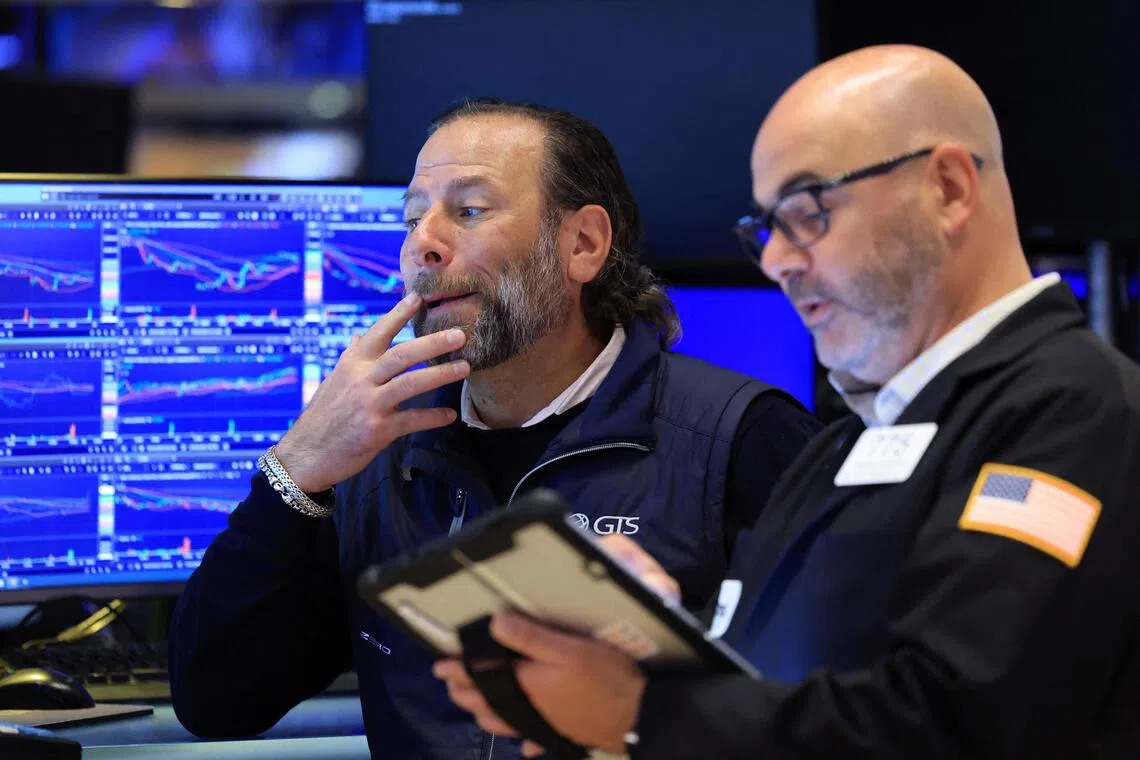
The trading session opened with cautious consolidation but rapidly shifted to risk-on behavior as institutional program trading kicked in during the afternoon session. The technology sector, which had faced pressure in preceding weeks due to elevated Treasury yields, emerged as the clear safe haven for growth-hungry capital.
According to data compiled after the closing bell, the S&P 500 and the tech-heavy Nasdaq Composite both notched gains that wiped out earlier weekly losses. Below is a detailed breakdown of the major market index performances at the close of the session:
| Index / Equity | Closing Price / Level | Daily Change ($ / Pts) | Percentage Change |
|---|---|---|---|
| S&P 500 Index | 5,972.10 | +58.30 | +0.99% |
| Nasdaq Composite | 19,152.50 | +273.80 | +1.45% |
| Dow Jones Industrial Avg | 44,210.20 | +185.10 | +0.42% |
| Microsoft Corp. (MSFT) | $428.15 | +13.25 | +3.19% |
Why the AI Trade is Defying the Federal Reserve
The primary catalyst for the session's upward trajectory remains the secular thesis surrounding artificial intelligence. Analysts note that while higher-for-longer interest rates typically compress valuation multiples for growth stocks, the sheer earnings power of the "Magnificent Seven" is rewriting the traditional market playbook.
The Federal Reserve's previous interest rate hikes designed to curb persistent inflation have driven up borrowing costs, but mega-cap tech firms hold massive cash reserves, making them largely immune to rising debt service costs. "What we are seeing is a flight to quality disguised as a tech rally," noted a senior equity strategist at a major New York investment bank. "When macroeconomic uncertainty rises, investors gravitate toward companies with pristine balance sheets and clear secular tailwinds. Right now, that means Microsoft and select AI infrastructure providers."
Furthermore, product developments in the AI ecosystem continue to capture investor imagination. Meta Platforms' ongoing rollout of its "Muse" creative suite and advanced AI models has further validated the narrative that generative AI is rapidly transitioning from a speculative capital expenditure phase to an active revenue-generation phase.
The Microsoft Catalyst
Microsoft's leadership in this market rally was not accidental. The Redmond-based software giant has consistently demonstrated its ability to convert its multi-billion-dollar partnership with OpenAI into tangible enterprise software revenue. Institutional buyers returned to the stock following reports of accelerated cloud migration and high adoption rates for its Azure OpenAI services.
As corporate IT budgets are finalized for the upcoming fiscal year, early indications suggest that spending on AI integration remains a top priority, often at the expense of traditional software suites. This trend provides Microsoft with a highly defensible moat, protecting its earnings outlook even if the broader domestic economy experiences a consumer-led slowdown.
Macro Drag: Tariff Concerns and Sovereign Tensions
While Wall Street celebrated its tech-led gains, a cloud of geopolitical tension continues to hover over the broader economic landscape. The market's advance was tempered by growing anxieties regarding global trade, specifically incoming U.S. administration tariff proposals targeting key trading partners.
In Canada, business leaders and policymakers have voiced escalating frustration over proposed import tariffs. Given the highly integrated nature of the North American supply chain—especially in automotive, energy, and agricultural sectors—economists warn that protracted tariff disputes could stoke inflationary pressures, thereby complicating the Federal Reserve's path toward future interest rate cuts.
Should these international tensions boil over into a full-scale trade war, the operational costs for hardware and semiconductor supply chains could rise. For now, however, software-driven companies like Microsoft and Meta are viewed as relatively insulated from physical supply chain bottlenecks, further driving their appeal to risk-averse asset managers.
Strategic Outlook: Can the Tech Rally Sustain Momentum?
As the trading week draws to a close, the critical question for portfolio managers is whether this AI-led rally is a sustainable trend or a bear-market bounce within a broader structural correction. History suggests that while tech stock valuations are elevated, they are backed by unprecedented free cash flow generation that did not exist during previous market bubbles.
Investors should prepare for continued volatility as the market digests upcoming economic data, including employment figures and updated consumer price index metrics. The interplay between corporate AI capital expenditure, global trade policies, and central bank rhetoric will ultimately dictate the market's trajectory heading into the next fiscal quarter.
Frequently Asked Questions (FAQ)
1. Why did Microsoft stock lead the market rally?
Microsoft rallied primarily due to strong institutional demand driven by its leadership position in enterprise AI and cloud infrastructure. Investors view Microsoft as a highly stable, cash-rich business capable of successfully monetizing artificial intelligence through its Azure cloud platform and Copilot software suites, even in a high-interest-rate environment.
2. How are international tariffs impacting Wall Street sentiments?
While tech and software stocks have largely bypassed tariff concerns, other sectors remain highly sensitive. Proposed tariffs have sparked significant concern among international trading partners, such as Canada, and could lead to supply chain disruptions and localized inflation. This has created a bifurcated market where investors prefer software and AI over heavy manufacturing and import-dependent industries.