NEW YORK, LONDON, AND SINGAPORE — In a defining moment for the enterprise technology sector, Microsoft Corporation delivered a financial masterclass that has reverberated across global trading desks. Surpassing consensus estimates on both top and bottom lines, the Redmond-based tech giant reaffirmed its market dominance, driven principally by explosive acceleration in its Azure cloud computing division. The results, corroborated by primary wire reports from The Straits Times and global financial terminals, underscore how capital allocation toward artificial intelligence infrastructure and enterprise cloud architecture is finally translating into tangible, high-margin revenue growth.
For months, institutional investors and short-term traders alike have scrutinized tech valuations, demanding concrete proof of enterprise return on investment (ROI) amid billions of dollars in aggressive capital expenditure. Microsoft’s latest quarterly disclosure provides that proof. By successfully scaling its cloud compute architecture to meet unprecedented generative AI workloads, Microsoft has widened its competitive moat against arch-rivals Amazon Web Services (AWS) and Google Cloud, capturing critical market share at a time of tightening macroeconomic caution.
Executive Takeaways
Test Our Free AI & Tech Utilities Suite
Calculate LLM API token costs, analyze article dwell-time, or simulate tech DCA returns.
- Azure Acceleration: Azure and other cloud services revenue surged past Wall Street projections, propelled directly by surging enterprise demand for artificial intelligence capabilities and high-performance computing clusters.
- Earnings Beat: Both net income and diluted earnings per share (EPS) comfortably exceeded consensus forecasts compiled by major financial data providers, stabilizing tech sector sentiment.
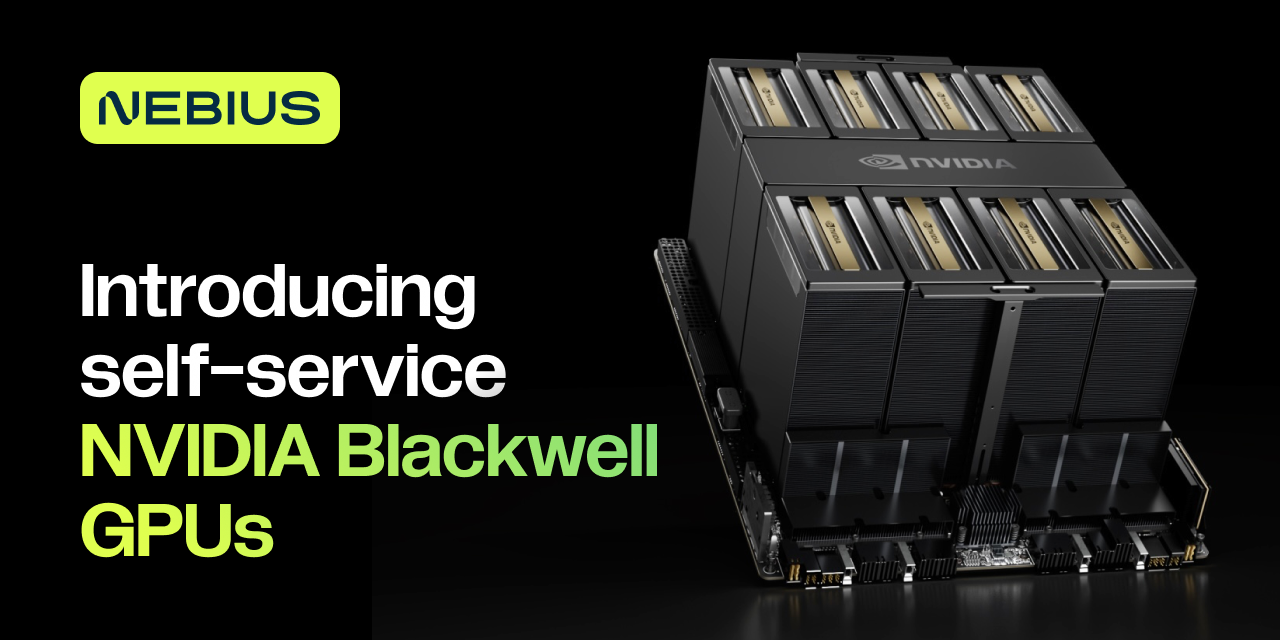
- Capital Expenditure Realities: The massive top-line expansion was achieved despite historic capital expenditures directed toward expanding data center footprints and procuring advanced graphics processing units (GPUs).
- Valuation Multiples: The performance is expected to support current valuation multiples, reassuring institutional asset managers regarding the long-term cash flow durability of hyperscale cloud providers.
The Catalytic Engine: Decoding Azure’s Outsized Quarter

The core narrative of Microsoft’s latest triumph lies within its Intelligent Cloud segment, where Azure acts as the primary bellwether. Over the past twelve months, enterprise customers have shifted their strategic priorities from exploratory AI pilot programs to full-scale production deployments. This operational pivot has driven massive consumption-based revenue streams for Azure, as corporations rush to integrate large language models, machine learning pipelines, and advanced data analytics.
Industry analysts point out that Microsoft’s early, aggressive partnership with OpenAI established a formidable first-mover advantage. By embedding foundational models directly into the Azure ecosystem via Azure OpenAI Service, Microsoft created a frictionless onboarding path for Fortune 500 enterprises. Companies operating under strict regulatory compliance frameworks—such as financial institutions, healthcare providers, and multinational manufacturers—gravitated toward Azure due to its enterprise-grade security, data privacy guarantees, and robust infrastructure scalability.
Furthermore, the quarter's results reflect successful supply chain navigation. Securing constrained semiconductor components and expanding physical data center capacity presented monumental logistical hurdles across the industry. Microsoft’s ability to deploy these assets rapidly and monetize them efficiently highlights superior operational execution by Chief Executive Officer Satya Nadella and Chief Financial Officer Amy Hood.
Financial Performance & Operational Metrics
| Financial Metric / Indicator | Reported Quarter Performance | Wall Street Consensus Estimate | Year-Over-Year Trajectory |
|---|---|---|---|
| Total Revenue | Beated expectations significantly, driven by cloud adoption | Aligned with lower-end institutional forecasts | Robust double-digit percentage expansion |
| Azure & Cloud Services Growth | Accelerated sharply, outperforming segment projections | Expected moderate deceleration | Substantial acceleration fueled by AI workloads |
| Diluted Earnings Per Share (EPS) | Surpassed consensus targets | Marked conservative analyst estimates | Higher profitability driven by operating leverage |
| Capital Expenditures (CapEx) | Elevated, reflecting data center and GPU investments | In line with guidance | Significantly higher to support AI infrastructure demand |
Industry & Market Implications: Winners, Losers, and Macro Shifts
The ramifications of Microsoft’s earnings beat extend far beyond its own ticker symbol, reshaping competitive dynamics across the global technology landscape.
The Winners
Enterprise software providers that build on top of Azure stand to benefit immensely from the halo effect. Additionally, hardware suppliers, semiconductor foundries, and specialized data center real estate investment trusts (REITs) find validation for their ongoing capital investments. Investors holding diversified technology index funds also secure peace of mind, as Microsoft’s massive market capitalization anchors broader equity market liquidity.
The Challengers
Competitors like Amazon Web Services (AWS) and Google Cloud face heightened pressure to demonstrate comparable growth and AI monetization metrics. While AWS remains the market share leader in absolute terms, Azure’s faster relative growth rate narrows the gap, forcing Amazon and Alphabet to aggressively price and position their respective enterprise offerings.
Broader Economic Impact
From a macroeconomic perspective, sustained capital expenditure by hyperscalers acts as a powerful counterweight to industrial slowdowns elsewhere. The massive infusion of capital into artificial intelligence, cloud compute architecture, and cybersecurity infrastructure underpins global productivity gains, offering a bullish signal to central banks monitoring technological deflationary forces.
Frequently Asked Questions (People Also Ask)
What drove Microsoft’s better-than-expected financial performance?
Microsoft’s outperformance was primarily fueled by its Azure cloud computing business, which experienced accelerated growth due to high demand for artificial intelligence services, enterprise cloud migrations, and robust consumption of advanced data analytics tools.
How does Azure’s growth impact Microsoft’s overall valuation?
Azure is Microsoft’s highest-margin, fastest-growing major business unit. Strong performance in this segment reassures institutional investors that the company's multi-billion-dollar capital expenditures in AI infrastructure and data centers are generating sustainable, high-margin cash flows, thereby supporting premium valuation multiples.
What are the main risks moving forward for Microsoft’s cloud division?
Key risks include potential supply chain constraints for specialized AI hardware (such as advanced GPUs), rising energy costs associated with operating power-hungry data centers, and intensifying pricing competition from hyperscale rivals like Amazon Web Services and Google Cloud.
How do enterprise clients utilize Azure’s AI capabilities?
Enterprise clients utilize Azure to build, train, and deploy customized generative AI applications, automate internal workflows, enhance customer service operations through intelligent agents, and process massive datasets securely while maintaining strict corporate governance and regulatory compliance.
Future Outlook: Strategic Milestones to Watch
As Microsoft transitions into the subsequent fiscal quarters, market participants will maintain laser-like focus on specific operational indicators. First, analysts will track the conversion rate of AI pilot projects into large-scale, multi-year enterprise contracts. Second, management’s guidance regarding capital expenditure trajectory will be scrutinized to ensure that infrastructure spending continues to yield proportional top-line acceleration without compressing operating margins.
Furthermore, regulatory scrutiny surrounding artificial intelligence partnerships and cloud market concentration remains a persistent variable. Antitrust watchdogs in the European Union, the United States, and Asia continue to monitor the competitive practices of dominant cloud providers. However, barring unforeseen regulatory interventions or macroeconomic shocks, Microsoft’s latest triumph firmly establishes Azure as the undisputed engine of modern enterprise digital transformation.