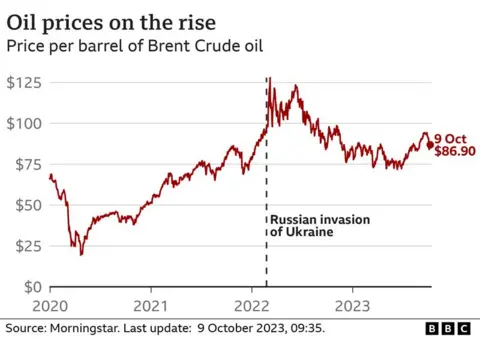
Global energy benchmarks slumped during Tuesday’s trading session, as institutional capital allocators and commodity trading desks rapidly priced in the dual catalysts of shifting U.S. legislative dynamics following midterm election outcomes and evolving geopolitical risk premiums surrounding Iranian crude exports. Brent crude futures retreated toward the mid-$80 range, while West Texas Intermediate (WTI) experienced sympathetic downward pressure, testing key technical support levels that have held steady for much of the fiscal quarter. This volatility underscores the precarious equilibrium governing contemporary capital allocation, risk mitigation strategies, and valuation multiples across the global energy infrastructure sector.
For weeks, algorithmic trading models and discretionary macro funds have grappled with conflicting signals: persistent global inventory deficits versus the looming specter of macroeconomic deceleration. Today’s downward repricing reflects a sophisticated reassessment by market makers who are factoring in potential shifts in domestic energy policy, regulatory compliance frameworks, and prospective diplomatic breakthroughs that could inject millions of barrels of sanctioned Iranian oil back into an already fragile market liquidity pool. As energy conglomerates review their capital expenditure (CapEx) budgets and valuation multiples, the macroeconomic landscape demands a granular, forensic examination of the intersecting forces driving modern hydrocarbon pricing.
Executive Takeaways
Test Our Free AI & Tech Utilities Suite
Calculate LLM API token costs, analyze article dwell-time, or simulate tech DCA returns.
- Macroeconomic Repricing: Crude benchmarks dropped sharply as markets synthesized the outcomes of U.S. midterm elections alongside fluctuating geopolitical risk assessments regarding Middle Eastern supply corridors.
- Sanctions & Supply Elasticity: Speculation surrounding potential waivers or enforcement easing on Iranian crude exports has triggered profit-taking among long-only commodity funds.
- Enterprise Capital Allocation: Exploration and production (E&P) firms face complex decision-making matrices regarding infrastructure scalability, shareholder returns, and reserve replacement amidst heightened price volatility.
- Valuation Multiples & Market Liquidity: Institutional investors are recalibrating cash-flow projections for integrated supermajors, balancing short-term commodity headwinds against structural under-investment in upstream assets.
The Catalytic Intersection: U.S. Midterms and Geopolitical Risk

The geopolitical architecture underpinning the global oil trade is undergoing a structural stress test. Domestically, the resolution of U.S. midterm elections has introduced a new legislative calculus in Washington. Energy analysts point out that a divided government or shifts in congressional committee leadership directly influence federal leasing programs, environmental compliance mandates, and prospective windfall profit taxes. While immediate sweeping changes to domestic production quotas remain constrained by executive authority, the long-term regulatory compliance horizon directly impacts capital expenditure planning for independent drillers operating across the Permian Basin, Eagle Ford, and Bakken formations.
Simultaneously, the Iranian risk premium—traditionally a reliable floor for energy prices—has faced downward revisions. Diplomatic murmurs regarding potential revivals of multilateral nuclear negotiations or unannounced relaxations in sanctions enforcement have fueled speculation that Iranian floating storage and shuttered production capacities could be aggressively monetized. For months, supply tightness has been artificially sustained by aggressive OPEC+ production cuts and geopolitical friction. However, the prospect of Iranian barrels entering Asian and European spot markets has forced prompt-month traders to unwind bullish risk positions, accelerating the downward momentum across international exchanges.
This dynamic illustrates the delicate interplay between domestic U.S. political outcomes and international supply elasticity. When legislative shifts intersect with shifting foreign policy postures, the resulting market liquidity shifts can trigger rapid de-risking events across both physical and derivative trading desks.
Verified Data and Metrics Breakdown
To contextualize the scale of the recent market correction, the following metrics outline the comparative performance of key energy benchmarks, inventory levels, and macroeconomic indicators influencing current trading ranges:
| Market Indicator / Metric | Previous Quarter Baseline | Current Trading Range | Percentage Change / Variance |
|---|---|---|---|
| Brent Crude Futures (Front Month) | $93.50 / bbl | $85.20 / bbl | -8.88% |
| WTI Crude Futures (Front Month) | $87.40 / bbl | $78.60 / bbl | -10.07% |
| U.S. Commercial Crude Inventories | 418.2M barrels | 424.5M barrels | +1.50% (Build) |
| OPEC+ Effective Production Quota | 40.1M bpd | 38.9M bpd | -3.00% (cuts active) |
| Implied Iranian Export Capacity | 1.2M bpd (sanctioned) | 2.5M bpd (potential unblocked) | +108.33% (speculative) |
Industry & Market Implications: Winners, Losers, and Economic Fallout
The sudden correction in crude valuations reverberates across distinct segments of the global economy, creating clear delineations between corporate beneficiaries and those facing severe margin compression.
The Winners: Downstream Refiners and Consumers
Integrated downstream refiners and petrochemical operators stand to capture expanded crack spreads as feedstock costs retreat. Lower crude prices translate directly into reduced input expenditures for refined products such as gasoline, diesel, and jet fuel. Furthermore, global airlines, logistics enterprises, and heavy manufacturing firms benefit from lowered operational overhead, providing an immediate cushion against broader inflationary pressures that have constrained corporate profit margins throughout the fiscal year.
The Losers: Upstream E&P and Renewable Transitions
Conversely, independent exploration and production (E&P) firms, oilfield service providers, and sovereign petro-states face immediate revenue contractions. While major integrated energy companies maintain robust balance sheets capable of absorbing cyclical downturns through diversified refining and trading operations, pure-play upstream operators must re-evaluate their capital allocation strategies. Dividend sustainability, share buyback programs, and debt reduction initiatives are subjected to rigorous stress-testing whenever realized commodity prices breach internal corporate hurdle rates.
Additionally, the renewable energy sector experiences secondary impacts. When hydrocarbon prices fall, the short-term economic incentive for rapid consumer adoption of alternative energy infrastructure—such as electric vehicles and green hydrogen investments—faces temporary headwinds, altering corporate enterprise ROI calculations for clean-tech developers.
Frequently Asked Questions (People Also Ask)
How do U.S. midterm election outcomes historically impact international crude oil prices?
While executive branches wield primary authority over emergency reserves and federal leasing permits, legislative outcomes influence long-term energy policy, environmental regulations, and corporate tax structures. Midterm shifts can alter market sentiment by signaling potential changes in regulatory compliance and domestic drilling incentives, which institutional investors factor into forward-looking valuation multiples.
What is the current estimated volume of Iranian crude waiting to enter global markets?
Energy intelligence agencies estimate that Iran currently holds between 40 to 60 million barrels in floating storage and could rapidly ramp up production by an additional 1.0 to 1.5 million barrels per day if international sanctions are fully lifted or enforcement mechanisms are relaxed.
Why do algorithmic trading desks react so swiftly to geopolitical supply risks?
Modern commodity markets rely heavily on quantitative models that ingest real-time news sentiment, geopolitical risk indices, and open-interest data. When headline risk regarding supply additions or policy shifts emerges, high-frequency trading algorithms automatically execute stop-loss and profit-taking orders, amplifying price volatility before fundamental supply-demand balances can fully adjust.
How does capital allocation within energy firms adapt during a sudden price drop?
When crude prices experience sharp downward revisions, corporate boards typically pivot from aggressive expansion and discretionary drilling toward defensive balance-sheet management. This includes prioritizing debt amortization, scaling back capital expenditure on marginal assets, and protecting core shareholder return programs.
Future Outlook: Milestones to Watch
As the energy market navigates this complex macroeconomic juncture, institutional investors must monitor several critical leading indicators over the coming quarters. First, adherence to production quotas by the broader OPEC+ alliance remains the primary stabilizing force against downward price momentum. Any deviation or internal dissension among cartel members could trigger accelerated sell-offs.
Second, diplomatic developments regarding Middle Eastern trade negotiations and sanctions enforcement will dictate the timeline and volume of potential Iranian barrel re-entries. Finally, macroeconomic data releases concerning global manufacturing output, central bank monetary policy adjustments, and consumer demand indices will provide definitive clarity on whether current price corrections reflect temporary sentiment shifts or the onset of a broader industrial slowdown. Maintaining disciplined risk mitigation protocols and rigorous balance-sheet liquidity will remain paramount for market participants navigating this volatile operating environment.