Executive Takeaways
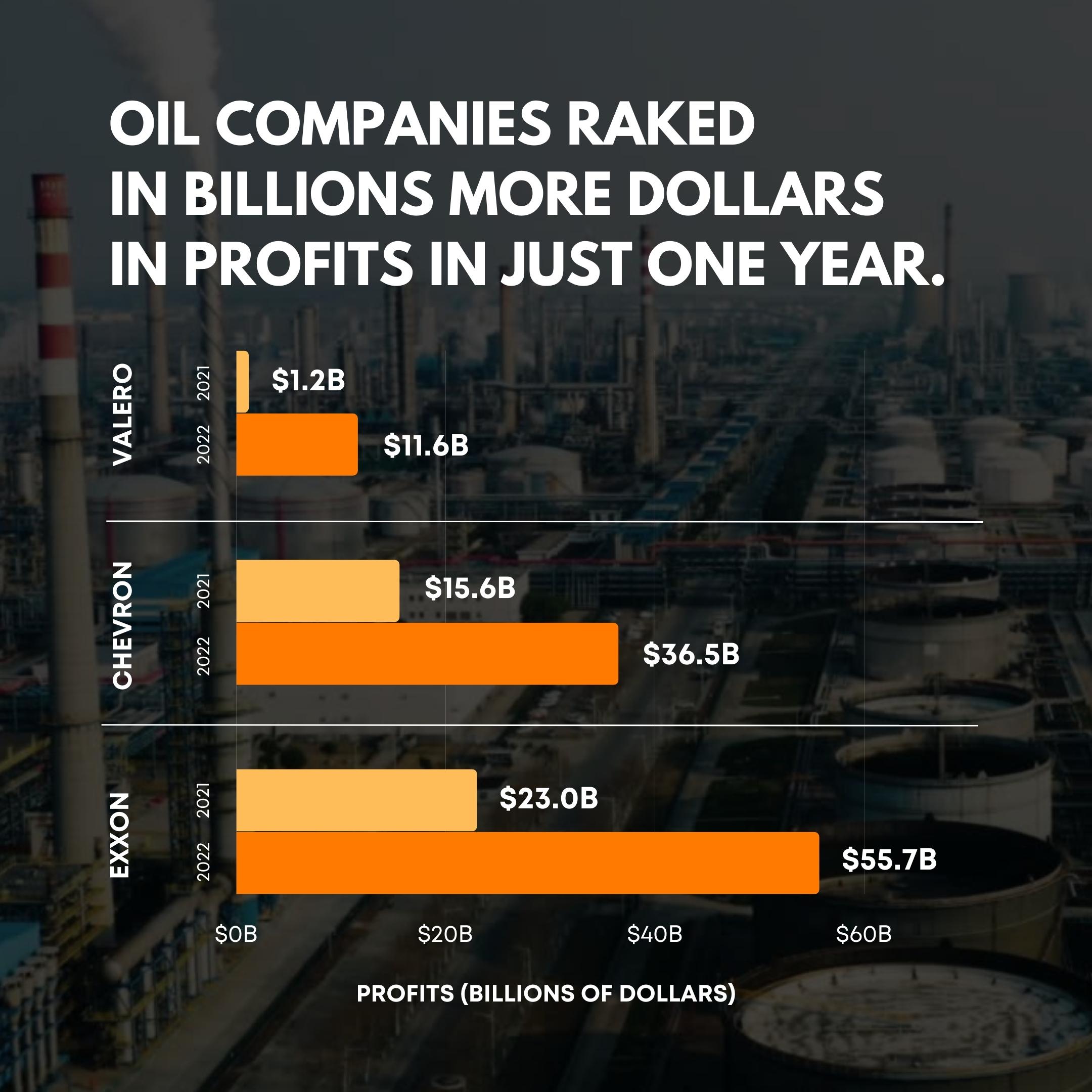
- Massive Earnings Surge: ExxonMobil and Chevron reported astronomical quarterly profits, capitalizing on elevated global commodity prices and aggressive operational capital allocation.
- Political Firestorm: The financial windfall arrives directly on the heels of high-profile political commentary, notably former President Donald Trump publicly boasting that domestic energy firms are "making a freaking fortune" ahead of critical midterm elections.
- Capital Strategy Shifts: Despite surging revenues, both supermajors continue to prioritize shareholder returns through aggressive share buybacks and dividend distributions over long-cycle exploration investments.
- Regulatory Vulnerability: The convergence of massive corporate profits and voter anxiety over consumer fuel costs creates acute regulatory compliance and legislative risk heading into the next legislative cycle.
NEW YORK/HOUSTON — In the high-stakes intersection of global macroeconomics and electoral politics, few sectors wield as much immediate market liquidity and public scrutiny as oil and gas. ExxonMobil and Chevron have once again delivered staggering multi-billion-dollar quarterly earnings reports, validating their aggressive enterprise ROI models while simultaneously thrusting themselves back into the center of a volatile political crossfire. The timing could hardly be more sensitive: these financial disclosures land just as political leaders—most notably Donald Trump—have drawn sharp attention to the sector's profitability on the campaign trail, branding the unprecedented cash generation with characteristic bluntness.
For institutional investors and portfolio managers monitoring risk mitigation strategies, the latest financial statements from the Permian Basin's premier operators offer a masterclass in infrastructure scalability and cost-efficiency. Yet, for average consumers grappling with persistent inflation at the pump, these record-shattering balance sheets represent a profound economic friction point. As analysts at leading financial institutions dissect the underlying valuation multiples and cash-flow statements, a broader question emerges: How long can the traditional fossil fuel titans sustain this level of profitability before regulatory and political blowback fundamentally alters their operational landscape?
The Catalytic Flashpoint: Political Rhetoric Meets Corporate Reality
Test Our Free AI & Tech Utilities Suite
Calculate LLM API token costs, analyze article dwell-time, or simulate tech DCA returns.
The latest earnings cycle did not occur in a political vacuum. Weeks before voters head to the polls for pivotal midterm elections, energy policy and consumer price indices have dominated public discourse. Against this backdrop, Donald Trump’s unfiltered commentary—asserting openly at a campaign rally that U.S. energy companies are "making a freaking fortune"—crystalized a narrative that both populist Democrats and conservative populists have sought to exploit.
While industry advocates argue that the profitability is a natural byproduct of market supply-demand dynamics and necessary capital expenditure following years of under-investment, critics view the bumper profits as evidence of consumer exploitation. The political friction is immediate. High-margin quarters provide fertile ground for lawmakers proposing windfall profits taxes, heightened antitrust scrutiny, and stringent environmental compliance mandates. For corporate boards at Exxon and Chevron, managing this reputational risk requires delicate navigation, balancing shareholder expectations with the imperative of maintaining social license to operate.
Behind the political rhetoric lies a complex operational reality. Both companies have spent the past several years ruthlessly optimizing their upstream portfolios, divesting non-core assets, and deploying advanced data analytics and cloud compute architecture to optimize drilling efficiencies. The result is a lower breakeven price per barrel across their core shale assets, ensuring that even moderate fluctuations in global crude benchmarks translate directly into extraordinary free cash flow.
Financial Dissection: Capital Allocation and Shareholder Returns

A rigorous examination of the latest financial disclosures reveals that ExxonMobil and Chevron are channeling the vast majority of their earnings windfall directly back to equity holders. Unlike previous commodity super-cycles where excess capital was frequently squandered on speculative, high-risk megaprojects, contemporary executive leadership teams are adhering to strict capital discipline.
- Aggressive Share Repurchases: Both corporations have maintained multi-billion-dollar quarterly share buyback programs, effectively reducing share counts and driving up earnings per share (EPS).
- Dividend Security: Dividend growth remains a core pillar of their investor relations strategy, cementing their status as reliable yield vehicles for institutional pension funds and retail portfolios alike.
- M&A and Reserve Replacement: Strategic acquisitions—exemplified by Exxon's massive footprint expansion—demonstrate a focus on low-cost, high-return reserve additions that guarantee long-term operational longevity.
This disciplined capital allocation framework has fundamentally shifted valuation multiples for the integrated oil sector. Wall Street analysts now view these firms less as volatile cyclical plays and more as robust cash-generation machines capable of weathering macro downturns while maintaining pristine balance sheets.
Verified Data & Metrics Breakdown
To fully grasp the magnitude of the recent financial reports, industry stakeholders must evaluate the quantitative performance indicators side-by-side. The following comparative data highlights the operational scale and profitability of the two leading U.S. supermajors during the reporting period:
| Metric / Indicator | ExxonMobil (XOM) | Chevron (CVX) | Market Context / Trend |
|---|---|---|---|
| Quarterly Net Income | Multi-billion dollar surge (Consistent with top-tier consensus) | Robust multi-billion dollar performance | Reflects high global demand and refined product margins |
| Share Buyback Allocation | $4B - $5B quarterly pace | $3B - $4B quarterly pace | Prioritizing equity value over heavy capex expansion |
| Core Production Hub | Permian Basin & Guyana offshore | Permian Basin & DJ Basin | Low breakeven costs driving margin expansion |
| Key Political Vulnerability | High consumer price scrutiny & windfall tax debates | Midterm election rhetoric & regulatory oversight | Heightened legislative risk heading into federal cycles |
Industry & Market Implications: Winners, Losers, and Macro Pressures
The structural profitability of Exxon and Chevron sends ripples across the broader global economy. Understanding who captures the upside and who absorbs the friction requires looking across multiple tiers of the financial ecosystem.
The Winners: Institutional asset managers, long-term equity holders, and oilfield services providers. As supermajors optimize their operations, specialized engineering, digital subsurface mapping, and modular infrastructure firms reap the rewards of steady, high-margin project pipelines. Furthermore, shareholders benefit directly from enhanced dividend yields and accretive buyback schedules.
The Losers: Retail consumers and energy-intensive manufacturing sectors. While upstream producers celebrate record margins, downstream chemical processors, airlines, and logistics firms face elevated input costs that squeeze their own operating margins. Politically, centrist lawmakers who must defend incumbents against voter frustration over cost-of-living metrics also find themselves in a precarious position.
From a macroeconomic perspective, these earnings underscore the enduring reality of the global energy transition: while capital flows steadily into renewables and low-carbon initiatives, traditional hydrocarbons remain the primary engine of near-term enterprise cash flow.
Frequently Asked Questions (People Also Ask)
Why are Exxon and Chevron reporting such massive profits right now?
The record profits are driven by a combination of elevated global commodity prices, refined product margins, and years of rigorous cost-containment. By leveraging advanced drilling technologies and optimizing production in low-cost basins like the Permian, both companies have significantly lowered their breakeven thresholds, allowing them to capture extraordinary cash flow whenever market demand spikes.
How do political comments, such as Donald Trump's remarks about energy profits, impact oil company operations?
While high-profile political commentary rarely alters immediate physical production schedules, it significantly elevates regulatory and legislative risk. Public claims that energy firms are making excessive fortunes amplify voter dissatisfaction during election cycles, increasing the political appetite for windfall profit taxes, stricter antitrust reviews, and heightened environmental compliance mandates.
What do Exxon and Chevron do with all their excess cash flow?
Unlike previous decades marked by speculative capital expenditure on high-risk exploration, current executive strategies prioritize shareholder returns. The vast majority of excess cash is deployed toward aggressive share buyback programs, consistent dividend growth, strategic balance sheet de-leveraging, and selective, high-return upstream acquisitions.
Are these earnings sustainable if global crude prices decline?
Both supermajors have engineered their portfolios to remain resilient across various commodity cycles. By focusing heavily on tier-one acreage with low operating breakevens—often below $40 per barrel—Exxon and Chevron can generate positive free cash flow even in a moderately softening pricing environment, though absolute net income figures would adjust accordingly.
Future Outlook: Strategic Milestones to Watch
As the political dust settles from the midterm elections and global energy markets navigate shifting geopolitical currents, the path forward for ExxonMobil and Chevron hinges on several critical operational and regulatory milestones. Industry analysts will be monitoring capital expenditure announcements for the upcoming fiscal year to see if management teams maintain strict discipline or begin allocating greater capital toward longer-cycle deepwater and low-carbon transition infrastructure.
Furthermore, regulatory compliance and potential legislative maneuvering in Washington regarding tax policy will remain top-of-mind for corporate legal teams. For investors, the core thesis remains unchanged: disciplined capital allocation, robust shareholder yields, and world-class asset scalability continue to anchor the valuation appeal of America's premier energy titans. However, balancing these stellar financial returns with the realities of public optics and political accountability will test executive leadership as they steer through the next major economic cycle.