
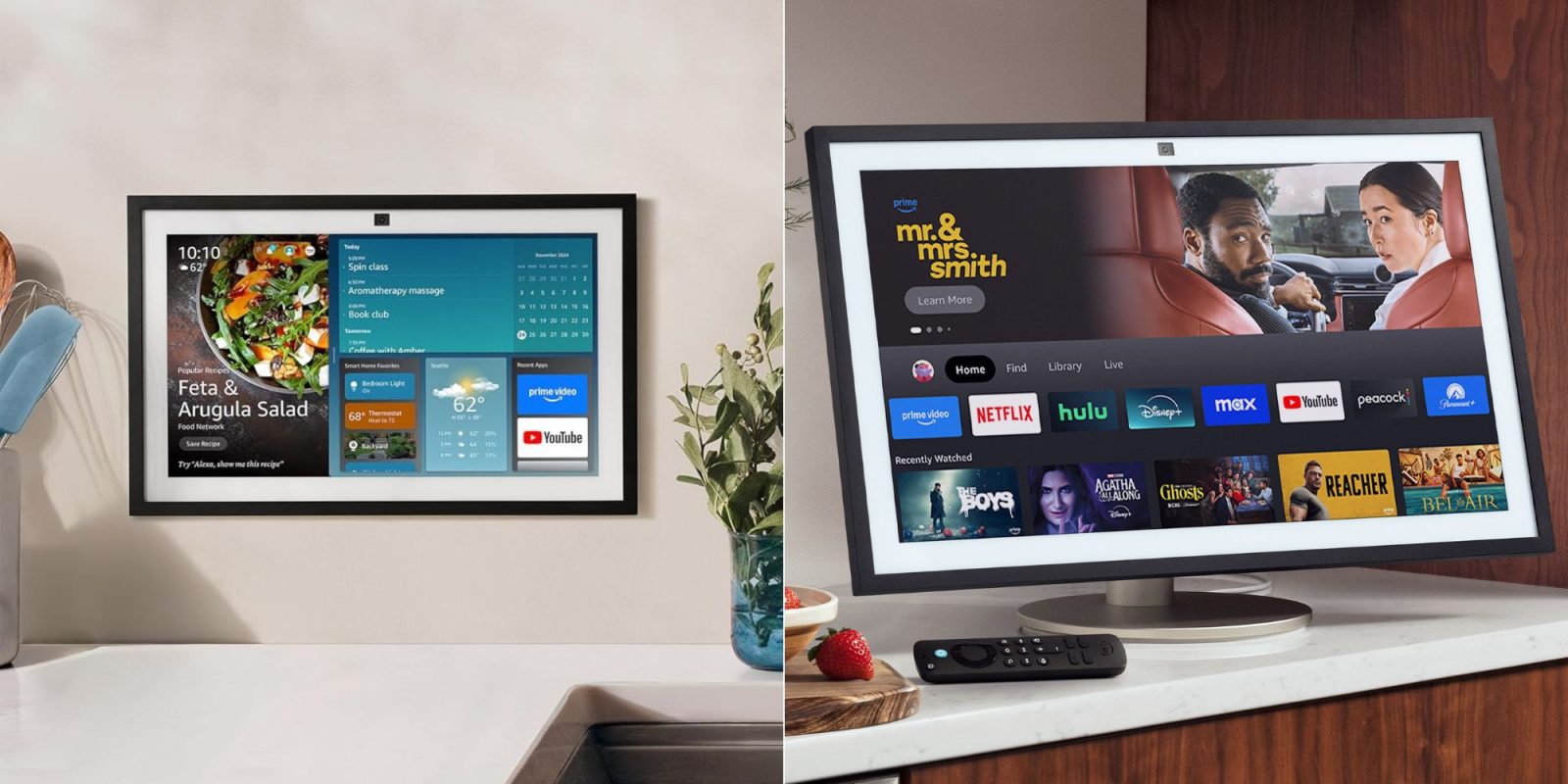
Executive Takeaways
- The Paradigm Shift: Apple and Amazon are radically overhauling their stagnant smart display portfolios, shifting from novelty voice assistants to sophisticated, ambient computing hubs powered by proprietary on-device machine learning and advanced neural engines.
- Capital Allocation & Enterprise ROI: Facing compressed hardware margins and flagging consumer adoption, both tech giants are repositioning these devices as central nodes for high-margin smart home ecosystems, subscription services, and enterprise-grade security integrations.
- The Competitive Landscape: This strategic maneuvers seeks to outmaneuver Google’s lingering market presence and revitalize an asset class that Wall Street previously wrote off as a hardware dead-end.
For the better part of a decade, the consumer electronics sector watched the smart display market slide down a steep slope of declining utility and consumer fatigue. Once hyped as the command centers of the modern connected home, devices like early-generation Amazon Echo Shows and Google Nest Hubs quickly devolved into digital picture frames that occasionally read the weather or set a kitchen timer. Consumers experienced severe feature fatigue, and venture capitalists and corporate boardrooms alike questioned the long-term capital allocation strategies sustaining these low-margin hardware lines. Valuation multiples for smart-home divisions compressed, and infrastructure scalability outpaced actual consumer engagement.
However, recent market signals captured across Google Trends wire data and insider supply-chain disclosures indicate a dramatic reversal. Apple and Amazon are simultaneously deploying heavy capital to reinvent the category. By injecting generative AI capabilities, localized edge-computing architectures, and high-end design into their upcoming hardware pipelines, these titans are attempting a high-stakes rescue mission. The core question dominating Silicon Valley and Wall Street boardrooms is simple: Did Apple and Amazon just save the smart display, or are they throwing good capital after bad?
The Anatomy of a Hardware Stagnation: Why Smart Displays Failed
Test Our Free AI & Tech Utilities Suite
Calculate LLM API token costs, analyze article dwell-time, or simulate tech DCA returns.
To understand the magnitude of the current pivot, one must examine the systemic failures that brought the smart display market to its knees. When Amazon launched the original Echo Show in 2017, the thesis was straightforward: augment voice assistants with a visual interface to drive e-commerce transactions, media consumption, and basic home automation. Google swiftly followed with its Google Assistant-powered smart displays.
Yet, the ecosystem hit a structural ceiling. Cloud compute architecture costs for maintaining always-on voice recognition and video streaming strained profit margins, while the actual enterprise ROI for the consumer was negligible. Users encountered frustrating latency issues, fragmented smart home standards (prior to the widespread adoption of the Matter protocol), and invasive privacy risks that dampened consumer trust. Furthermore, smartphones and tablets cannibalized the core utility of these stationary screens. Without a compelling reason to keep a dedicated display on a kitchen counter or living room wall, sales volumes plummeted, and the product category entered a protracted period of stagnation.
The Catalytic Pivot: Apple’s Wall-Mounted Ambitions and Amazon’s Generative Overhaul
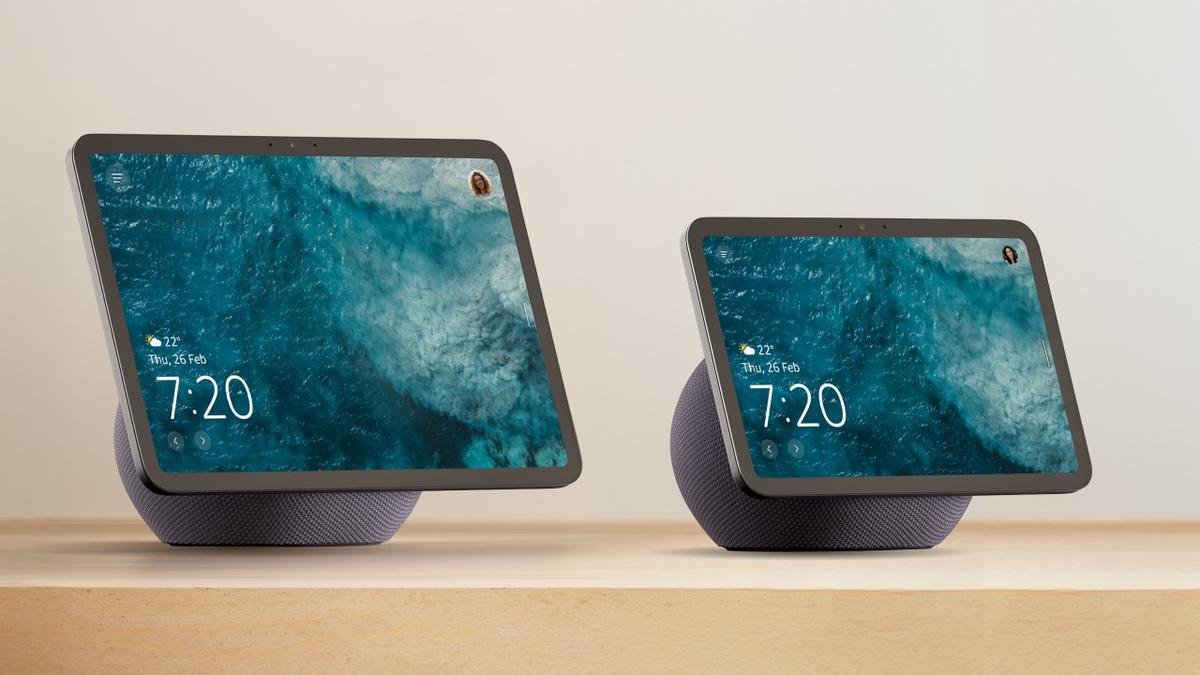
The recent market resurgence is anchored by two distinct yet parallel strategies from consumer tech’s heaviest hitters. Apple, traditionally cautious about entering lagging product categories without a clear path to premium pricing and ecosystem lock-in, has accelerated its timeline for a dedicated wall-mounted home command device. Industry reports indicate that Apple’s upcoming device will feature a lightweight, custom operating system driven by advanced on-device artificial intelligence—internally positioned as a cornerstone for its nascent home robotics and ambient computing initiatives.
Concurrently, Amazon is doubling down on its Echo ecosystem by integrating localized large language models (LLMs) directly into its next-generation hardware. By shifting the computational load from costly cloud servers to localized neural processing units (NPUs), Amazon is mitigating recurring operational costs while delivering conversational fluency that makes previous voice assistants look primitive.
This dual offensive represents a fundamental shift in risk mitigation. Rather than competing on low-cost hardware commoditization—a race to the bottom that plagued early market entrants—Apple and Amazon are elevating smart displays into high-value terminal nodes designed to drive high-margin services, iCloud and Prime subscriptions, and tight regulatory compliance regarding data privacy.
Market Metrics and Strategic Comparison
A rigorous examination of the financial and technical specifications reveals how the new generation of smart displays diverges from their predecessors:
| Metric / Feature | Legacy Smart Displays (2018–2022) | Next-Gen Apple & Amazon Devices (2025+) |
|---|---|---|
| Primary Compute Model | Cloud-dependent voice processing | Hybrid Edge AI + On-Device Neural Engines |
| Hardware Margin Strategy | Loss-leader / Hardware commoditization | Premium hardware tier + Recurring Services |
| Ecosystem Integration | Siloed proprietary protocols | Universal Matter & Thread standard compliance |
| Target Valuation Impact | Neutral to negative drag on division earnings | Ecosystem stickiness and ARPU expansion |
Industry & Market Implications: Who Wins and Who Loses
The revival of the smart display category carries profound implications for the broader technology landscape. For consumers, the shift toward ambient computing promises a more cohesive, responsive smart home experience that respects privacy through local data processing. However, the economic fallout will be felt most acutely across corporate balance sheets.
The Winners: Apple and Amazon stand to capture significant market liquidity by establishing themselves as the definitive gatekeepers of the automated household. By tying hardware purchases to high-margin subscription models (such as iCloud+ and Amazon Prime tiers), they insulate themselves from hardware commoditization. Furthermore, silicon vendors producing advanced NPUs and low-power microchips stand to benefit from surging infrastructure scalability demands.
The Losers: Google finds itself in an uncomfortable defensive posture. Having pioneered much of the modern smart home ecosystem with Nest, Google’s hardware division has faced organizational restructuring and shifting priorities. If Apple and Amazon successfully redefine smart displays as AI-driven command centers, Google risks ceding crucial real estate in the consumer's living space. Legacy white-label manufacturers who relied on cheap, cloud-tethered Android Things integrations will similarly be squeezed out by stringent security and processing requirements.
Frequently Asked Questions (People Also Ask)
Why did smart displays lose popularity in the first place?
Smart displays suffered from a combination of feature fatigue, high cloud infrastructure costs for manufacturers, and direct competition from versatile mobile devices like smartphones and tablets. Consumers ultimately found limited utility beyond basic timers and digital photo frames, leading to stagnant sales and compressed profit margins for tech firms.
How are Apple and Amazon changing the smart display value proposition?
Both companies are moving away from cheap, ad-supported or loss-leader hardware models toward premium, high-margin devices powered by on-device artificial intelligence. By integrating advanced neural engines, localized machine learning, and universal smart home protocols like Matter, these new devices function as responsive ambient computing hubs rather than simple voice-activated speakers with screens.
What role does edge computing play in this new hardware wave?
Edge computing allows smart displays to process voice commands, facial recognition, and automation routines locally on the device's own microchip rather than transmitting sensitive data back to remote cloud servers. This drastically reduces cloud operational costs for the tech giants, minimizes latency for the user, and significantly enhances data privacy and regulatory compliance.
Will these new devices require subscription fees?
While the core hardware will be sold at standard consumer electronics price points, the underlying economic model relies heavily on driving Average Revenue Per User (ARPU) through tied services, such as enhanced cloud storage, advanced security monitoring features, and ecosystem-locked software subscriptions.
Future Outlook and Key Milestones to Watch
As we look toward the horizon of 2025 and beyond, the ultimate success of this smart display renaissance depends on execution and consumer adoption velocity. Industry analysts will monitor several critical milestones:
- Developer Ecosystem Adoption: Watch for third-party software development kit (SDK) releases that allow developers to build specialized ambient apps for Apple’s home OS and Amazon’s updated Echo architecture.
- Matter and Thread Maturity: The seamless interoperability of these devices with cross-brand smart home appliances will dictate consumer trust and reduction of friction at checkout.
- Margin Performance in Earnings Reports: Wall Street will closely scrutinize upcoming quarterly filings to determine whether these hardware lines successfully contribute to recurring service revenues or prove to be a capital drain.
Apple and Amazon have undoubtedly breathed new life into a flatlined product category, transforming what was once a consumer gadget afterthought into a vanguard for ambient intelligence. Whether this massive capital allocation translates into long-term market dominance will depend entirely on whether consumers embrace the smart home not as a novelty, but as an indispensable utility.


