The economics of the artificial intelligence boom are undergoing a ruthless Darwinian reckoning. For the past four years, Silicon Valley’s hyper-capitalized titans have engaged in an unbridled hardware arms race, vacuuming up advanced accelerators, custom ASICs, and high-density power grids with little regard for near-term balance sheet friction. But as capital markets grow increasingly intolerant of open-ended spending without tangible enterprise ROI, tech conglomerates are urgently seeking out monetization levers.
According to internal industry disclosures and verified reports originating from TechCrunch, Meta Platforms is spearheading a high-stakes strategic pivot. The Menlo Park-based giant is actively developing blueprints for a dedicated cloud infrastructure platform designed to commercialize its surplus AI compute. By opening its vast, state-of-the-art data center capacity to external enterprise customers, Meta is executing a playbook strikingly similar to the one deployed by Elon Musk’s SpaceX—turning internally vital, heavily provisioned infrastructure into a formidable external cash-generating machine.
The Anatomy of Over-Provisioning: Why Meta Built Too Much Compute
To understand Meta’s sudden pivot toward cloud monetization, one must examine the mathematics of modern large language model (LLM) training and inference. To maintain leadership in generative AI—cemented by its open-weights Llama model family—Meta was forced to commit tens of billions of dollars to capital expenditures. Building out clusters comprising tens of thousands of NVIDIA H100 and subsequent-generation GPUs required massive, front-loaded investments in real estate, liquid-cooling systems, and dedicated sub-stations.
However, enterprise AI workloads are inherently volatile. Training massive frontier models requires immense, uninterrupted spikes in compute power, whereas ongoing model inference and fine-tuning operate on fluctuating curves. This operational reality creates substantial structural idle capacity. Historically, hyperscalers absorb this excess internally through ancillary consumer applications. Yet, Meta’s current hardware accumulation has outpaced even its voracious internal demands, leaving billions of dollars worth of high-performance silicon underutilized during off-peak training cycles.
"When your depreciation schedule is running in the billions per quarter, idle silicon is effectively burning cash," notes a senior technology sector equity analyst based in New York. "Meta’s executive team realized they could either let these clusters sit dormant between major training runs or package them into enterprise cloud products. In terms of capital allocation efficiency, building a cloud wrapper around their existing data centers is the most logical hedge available."
The SpaceX Parallel: Monetizing Proprietary Super-Infrastructure

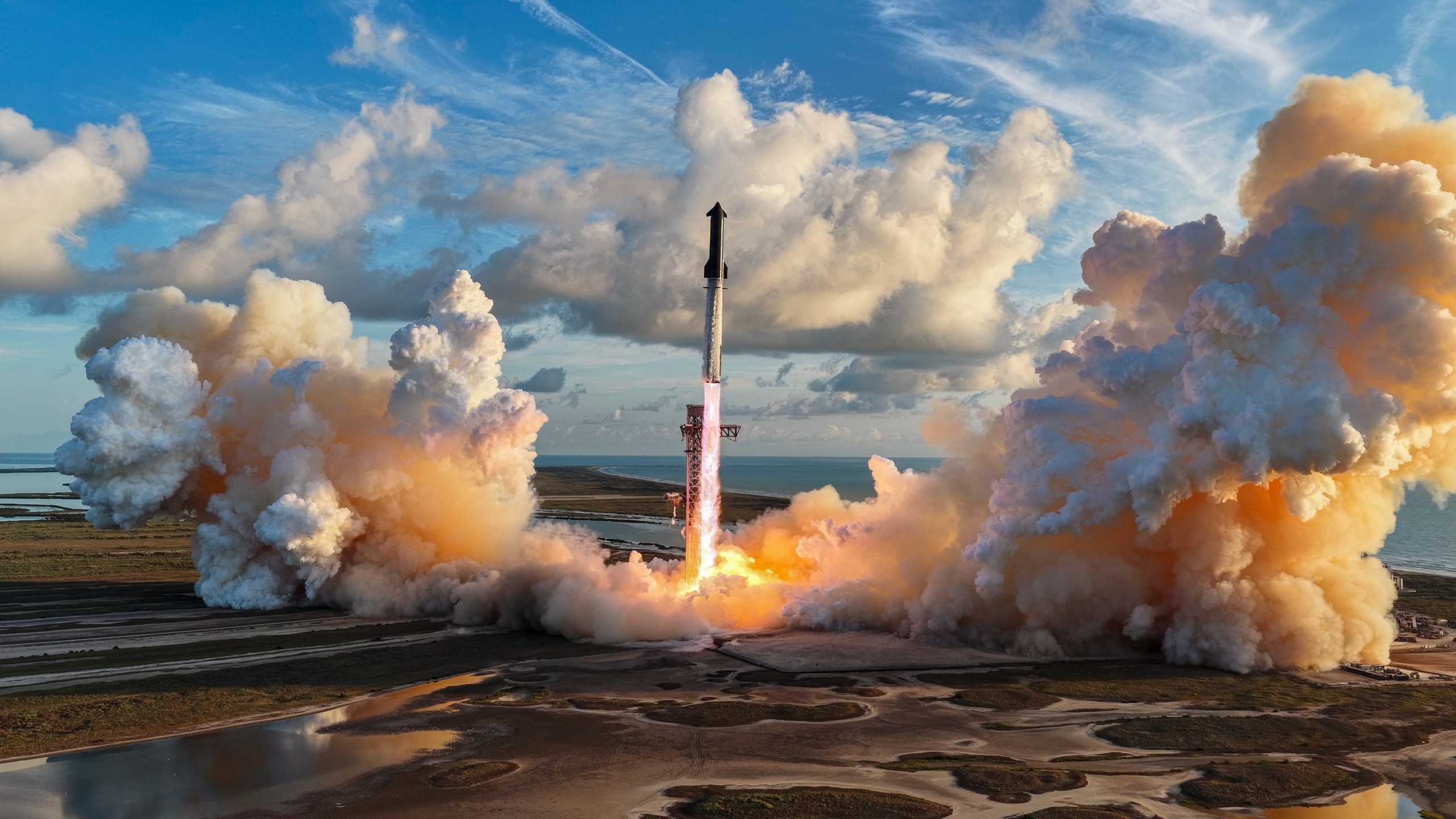
The strategy of externalizing internal infrastructure is not entirely unprecedented among modern tech behemoths. SpaceX famously transformed its internal need for reliable, low-cost satellite launch capabilities into Starlink, a global commercial telecommunications juggernaut that now underpins the company's multi-hundred-billion-dollar valuation.
Meta is attempting an analogous transformation within the cloud computing sector. For two decades, Meta built one of the world's most sophisticated proprietary computing infrastructures exclusively for internal use—serving Facebook, Instagram, WhatsApp, and its Reality Labs division. By abstracting this infrastructure, standardizing its orchestration layers, and provisioning multi-tenant access, Meta is positioning itself as a disruptive alternative in a cloud market historically dominated by Amazon Web Services (AWS), Microsoft Azure, and Google Cloud Platform (GCP).
Verified Data & Metrics Breakdown
A comparative analysis of the strategic drivers, technological assets, and market implications underscores the significance of Meta’s cloud infrastructure initiative:
| Strategic Vector | Meta Platforms (AI Cloud Initiative) | SpaceX (Infrastructure Precedent) |
|---|---|---|
| Core Asset | Massive GPU Clusters & Custom AI Accelerators | Falcon/Starship Launch Vehicles & Constellations |
| Catalytic Driver | Escalating CapEx & Inter-Training Hardware Idleness | Internal Launch Cost Reduction & Global Connectivity |
| Target Market | Enterprise AI Developers & Mid-Market SaaS Firms | Global Enterprise, Consumer, and Government Telecom |
| Monetization Goal | High-Margin Cloud Subscription Revenue & CapEx Offset | Commercial Payload Revenue & Starlink Subscriptions |
Industry & Market Implications: Winners and Losers
The entrance of Meta into the commercial cloud ecosystem introduces complex competitive dynamics across the technology landscape.
The Winners: Enterprise AI startups and mid-tier corporations stand to benefit immensely. For years, smaller firms have struggled with acute GPU scarcity and prohibitive pricing set by incumbent cloud oligopolies. Meta’s entry introduces a deep-pocketed alternative that could compress pricing power across AWS, Azure, and GCP. Furthermore, developers already utilizing Meta’s open-source PyTorch machine learning framework and Llama models will experience seamless integration, significantly lowering deployment friction.
The Losers: Traditional cloud service providers face a formidable new competitor boasting proprietary access to state-of-the-art silicon and an established global network. Additionally, smaller specialized AI cloud providers—many of which rely on debt-financed GPU acquisitions—may find it difficult to compete against Meta’s unmatched balance sheet and economies of scale.
Frequently Asked Questions (People Also Answered)
Expert Answers to Key Long-Tail Queries
Why is Meta looking to rent out its AI compute capacity?
Meta has invested tens of billions of dollars into building massive data centers and acquiring advanced accelerators for AI development. Because generative AI workloads fluctuate heavily between intensive model training phases and lighter inference phases, Meta experiences periods of structural over-provisioning. Renting out this excess compute allows the company to offset heavy depreciation costs, improve capital efficiency, and generate high-margin recurring revenue.
How does Meta’s cloud initiative compare to existing hyperscalers like AWS and Microsoft Azure?
While AWS and Azure offer generalized enterprise cloud computing suites spanning storage, databases, and legacy application hosting, Meta’s prospective cloud infrastructure is engineered from the ground up specifically for high-performance AI workloads. By deeply integrating its proprietary open-source tools like PyTorch and Llama, Meta aims to attract developers seeking optimized environments tailored explicitly for large-scale machine learning training and inference.
What are the financial implications for Meta’s shareholders?
For institutional investors and equity analysts, this strategic shift addresses the primary concern surrounding Meta’s soaring capital expenditures. By successfully commercializing idle compute, Meta can transform a heavy balance-sheet liability into an active profit center, supporting stronger valuation multiples, defending free cash flow margins, and mitigating long-term infrastructure risk.
How does this initiative mirror SpaceX's business model?
SpaceX originally developed reusable rocket technology to fulfill its internal mission requirements (launching proprietary satellites and lowering flight costs). It subsequently commercialized that infrastructure into a global commercial launch and broadband service (Starlink). Similarly, Meta built massive supercomputing clusters for its own social platforms and AI models, and is now packaging that same infrastructure to serve external enterprise clients, creating a parallel revenue engine.
Future Outlook & Milestones to Watch
As Meta transitions from conceptual blueprints to formal enterprise product rollouts, institutional markets will closely monitor several critical operational milestones over the next 12 to 24 months:
- Service Level Agreements (SLAs) & Enterprise Support: Moving from internal R&D infrastructure to commercial enterprise cloud requires robust security, compliance certifications, and 24/7 uptime guarantees. The maturity of Meta’s enterprise support framework will dictate its adoption rate among Fortune 500 corporations.
- Pricing Models & Margin Structure: Financial analysts will scrutinize the pricing elasticity of Meta’s cloud offerings compared to established rivals, evaluating whether high utilization rates can effectively neutralize rising GPU depreciation expenses.
- Regulatory Scrutiny and Antitrust Compliance: As big tech firms expand deeper into foundational enterprise infrastructure, antitrust regulators in the United States and the European Union will likely monitor whether Meta leverages its dominant software ecosystem unfairly within the cloud computing market.
Ultimately, Meta’s aggressive pursuit of cloud monetization signals a maturation phase in the generative AI gold rush. The era of unchecked, speculative infrastructure spending is giving way to disciplined asset optimization. For Mark Zuckerberg and his executive team, successfully turning surplus silicon into hard cash will not only validate their historic capital allocation strategy but permanently alter the competitive landscape of global cloud computing.