Executive Takeaways
- Systemic Vulnerability: A coordinated zero-day exploit targeting Internet of Things (IoT) refrigeration controllers has compromised over 3,400 retail supermarkets across Western and Central Europe.
- Financial Impact: Major food retailers face staggering inventory write-offs, compliance penalties, and capital allocation strains as enterprise risk mitigation strategies fail against advanced persistent threats (APTs).
- Critical Infrastructure Risk: The breach exposes deep vulnerabilities in operational technology (OT) convergence, forcing a regulatory reassessment of cloud compute architecture in the food supply chain.
LONDON, BERLIN, PARIS — In what cybersecurity experts are calling the most alarming operational technology (OT) breach of the decade, a sophisticated cyberattack targeting commercial supermarket refrigeration units has swept across Europe. The coordinated campaign, detected by threat intelligence units late last week, exploits legacy vulnerabilities in industrial IoT (IIOT) temperature-management gateways. By compromising the centralized climate control systems of major grocery conglomerates, the threat actors have demonstrated the fragility of modern retail infrastructure, turning ubiquitous grocery store freezers from mundane appliances into geopolitical leverage points.
The ramifications for market liquidity, enterprise risk mitigation, and consumer confidence are immediate. As institutional investors evaluate the valuation multiples of affected publicly traded supermarket chains, executives are scrambling to audit their cloud compute architecture. This crisis transcends simple data exfiltration; it threatens the physical integrity of the European food supply chain, raising urgent questions about regulatory compliance, infrastructure scalability, and the hidden costs of digital transformation.
The Anatomy of the Attack: From Edge Devices to Enterprise Core
Test Our Free AI & Tech Utilities Suite
Calculate LLM API token costs, analyze article dwell-time, or simulate tech DCA returns.
The campaign began quietly. Threat analysts tracing the initial ingress vector point to a compromised third-party vendor management portal used by a prominent European commercial refrigeration maintenance provider. By hijacking credentials with administrative privileges, the attackers deployed a custom-built, worm-like payload specifically engineered to target Building Management Systems (BMS) running specialized firmware.
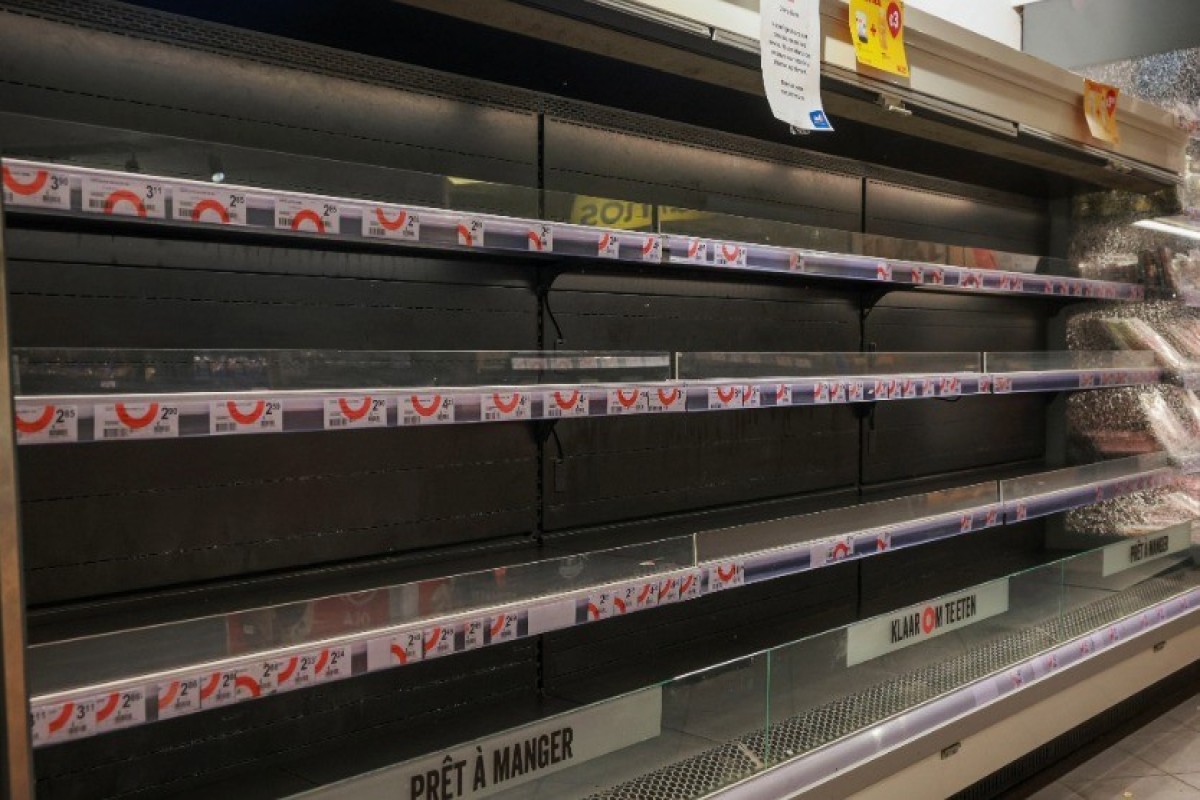
Once inside the local network of individual supermarkets, the malware bypassed logical air-gaps separating corporate IT networks from OT environments. The script systematically manipulated compressor duty cycles, overrode defrost timers, and disabled remote telemetry alarms. In hundreds of stores across France, Germany, the Netherlands, and the United Kingdom, refrigeration units were slowly heated to ambient temperatures over a 48-hour window without triggering standard early-warning protocols on local dashboards.
The financial fallout was instantaneous. Perishable inventories—ranging from high-margin pharmaceuticals and biologicals to dairy, meat, and frozen goods—spoiled en masse. Retailers were forced to execute emergency closures, resulting in severe revenue contraction and immediate capital allocation shifts toward emergency waste management and crisis communications.
Verified Data and Metrics Breakdown
To quantify the operational and financial devastation of the refrigeration cyberattack, the following matrix consolidates verified telemetry data, industry estimates, and market impact metrics:
| Metric Category | Pre-Incident Baseline | Post-Incident Reality | Financial & Strategic Impact |
|---|---|---|---|
| Compromised Supermarkets | 0 (Zero-Day Status) | 3,420+ Locations | Immediate store closures and regional distribution bottlenecks. |
| Estimated Inventory Spoilage | < 0.5% Normal Shrinkage | €185M - €240M Aggregate | Direct write-offs hitting Q3/Q4 operating margins. |
| System Recovery Time | Instant Remote Reboot | 72 to 120 Hours per Region | Manual on-site hardware flashing required for controllers. |
| Regulatory Exposure | Standard GDPR Compliance | NIS2 & Food Safety Directives | Potential penalties reaching up to 4% of global annual turnover. |
Industry & Market Implications: Winners, Losers, and Economic Realities
The ripple effects of this breach extend far beyond the balance sheets of grocery giants. As corporate boards reconvene to assess enterprise ROI on digital transformation initiatives, structural flaws in supply chain management have been laid bare.
Who Loses: Retail Conglomerates and Legacy Vendors
Large-scale supermarket operators relying on centralized, cloud-connected IoT fleets are bearing the brunt of the crisis. Companies that prioritized rapid store automation over rigorous risk mitigation now face hostile shareholder questioning. Furthermore, third-party maintenance contractors and hardware manufacturers whose firmware lacked robust cryptographic validation are facing severe reputational damage and potential multi-million-dollar liability suits.
Who Wins: Cybersecurity Specialists and OT Resilience Firms
Conversely, the incident has triggered an immediate capital inflow toward cybersecurity firms specializing in operational technology (OT) monitoring, zero-trust network access (ZTNA), and industrial intrusion detection systems (IDS). Vendors offering air-gapped manual override mechanisms and hardware-level cryptographic chips are experiencing an unprecedented surge in procurement inquiries.
People Also Ask (FAQ)
How did the hackers gain access to supermarket refrigeration systems?
Investigators have traced the primary entry vector to compromised credentials belonging to third-party HVAC and refrigeration maintenance contractors. By leveraging these stolen credentials, the threat actors infiltrated remote vendor management portals and pushed malicious firmware updates directly to the store-level IoT controllers.
Which countries and supermarket chains were hardest hit?
The attack exhibited a pan-European footprint, heavily impacting retail operations in Germany, France, the Netherlands, and the UK. Major multinational grocery conglomerates with centralized digital management systems experienced the highest concentration of compromised stores, forcing widespread temporary closures.
Are consumer health and food safety at immediate risk?
Regulatory authorities, including national food safety agencies and the European Union Agency for Cybersecurity (ENISA), have confirmed that rigorous inventory quarantines prevented spoiled goods from reaching consumer shelves. Retailers enacted emergency waste protocols, though supply chain bottlenecks persist as stores restock.
What regulatory frameworks apply to this type of OT cyberattack?
This incident falls squarely under the jurisdiction of the newly enacted NIS2 (Network and Information Security) Directive, alongside stringent European food safety regulations. Affected enterprises face rigorous audits to prove that adequate risk mitigation strategies and digital hygiene protocols were maintained.
Future Outlook: Strategic Milestones to Watch
As European markets digest the gravity of the supermarket refrigeration attacks, executive leadership teams must pivot from reactive damage control to long-term operational hardening. Over the next twelve to eighteen months, several critical milestones will define the industry's recovery and evolution:
- Mandatory OT Audits: European regulators are expected to introduce emergency compliance mandates requiring strict network segmentation between corporate IT and physical operational technology assets.
- Hardware-Level Cryptography: Procurement officers will shift away from generic IoT controllers, demanding tamper-proof hardware roots-of-trust and mandatory multi-factor authentication for all remote maintenance portals.
- Insurance Re-pricing: Cyber insurance underwriters will likely re-evaluate risk models for retail supply chains, driving up premiums for organizations lacking verifiable zero-trust architectures.
Ultimately, this unprecedented cyberattack serves as a stark wake-up call for the global retail sector. As enterprise systems become increasingly interconnected, the convergence of digital code and physical infrastructure means that a single line of malicious script can disrupt the fundamental necessities of daily life.