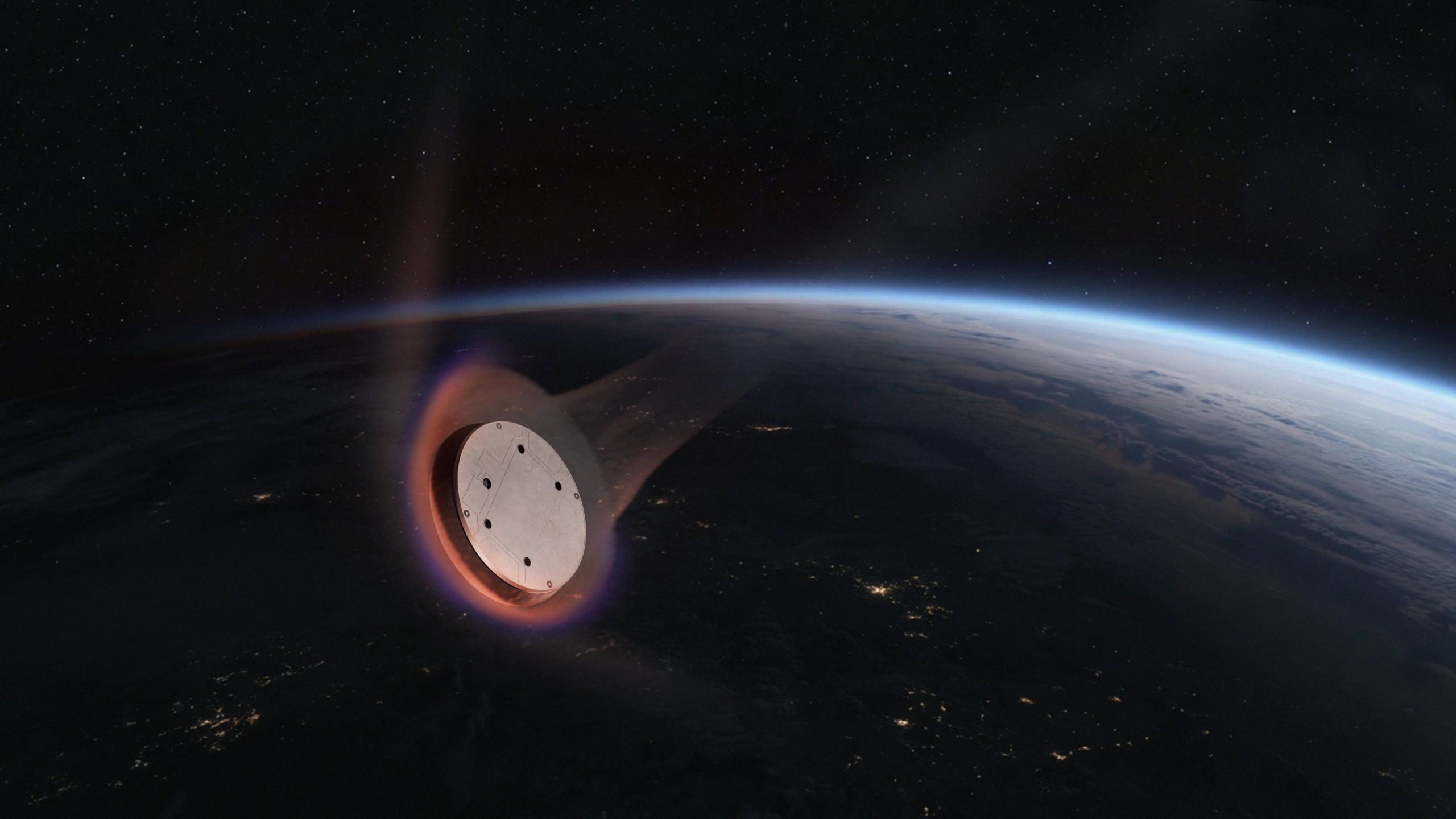
Inside SpaceX’s Silent Payload: The Strategic Implications of the Second 'Starfall' Saucer Launch
By Our Senior Bureau Chief & Chief Investigative Editor
Publication Date: Trending Now | Wire Source: Global Aerospace & Defense Wire / Google Trends Intelligence Unit
Executive Takeaways
- Classified Reentry: SpaceX has executed its second covert orbital launch of the mysterious "Starfall" reentry capsule aboard the Bandwagon-5 rideshare mission, bypassing public press releases in favor of bare-bones telemetry disclosures.
- Corporate Secrecy and R&D: The lack of public disclosures points to either sensitive national security contracting, proprietary commercial technology testing, or a high-stakes risk mitigation strategy designed to protect valuation multiples and intellectual property.
- Capital Allocation and Infrastructure: This recurrent orbital testing underscores SpaceX’s expanding operational cadence, pushing the boundaries of rapid hardware iteration, cloud compute architecture for flight telemetry, and regulatory compliance.
- <Market Disruption: Aerospace competitors and defense primes are closely monitoring the Starfall vehicle as a potential bellwether for next-generation point-to-point logistics, hypersonic research, or advanced payload return capabilities.
The Anatomy of a Ghost Launch: What We Know About Starfall
In the high-stakes theater of commercial aerospace, few events command as much immediate institutional scrutiny as a silent launch from SpaceX. Amid the meticulously choreographed public fanfare surrounding Starship milestones and Falcon 9 cadence records, a quiet anomaly has captured the attention of market analysts, orbital trackers, and defense intelligence circles alike: the second flight of the clandestine reentry vehicle known informally as "Starfall."
Deployed during the recent Bandwagon-5 mission on a Tuesday morning, the Starfall saucer-shaped capsule completed another successful orbital cycle. Yet, true to form, Elon Musk’s aerospace juggernaut issued zero public announcements regarding the vehicle's design parameters, operational objectives, or recovery status. Official public manifests and launch feeds provided only the barest operational minimums required by regulatory compliance and air traffic control—leaving aerospace researchers to piece together the strategic puzzle through telemetry anomalies, maritime exclusion zones, and orbital tracking data.
This deliberate information blackout is far from accidental. For institutional investors, venture capitalists, and defense contractors evaluating enterprise ROI across the New Space economy, the Starfall program represents a fascinating study in corporate risk mitigation and competitive positioning. As commercial space infrastructure scales rapidly, the ability to iterate proprietary hardware in complete stealth provides an immense advantage in capital allocation and intellectual property defense.
The Catalytic Events: Tracing the Evolution of the Starfall Saucer
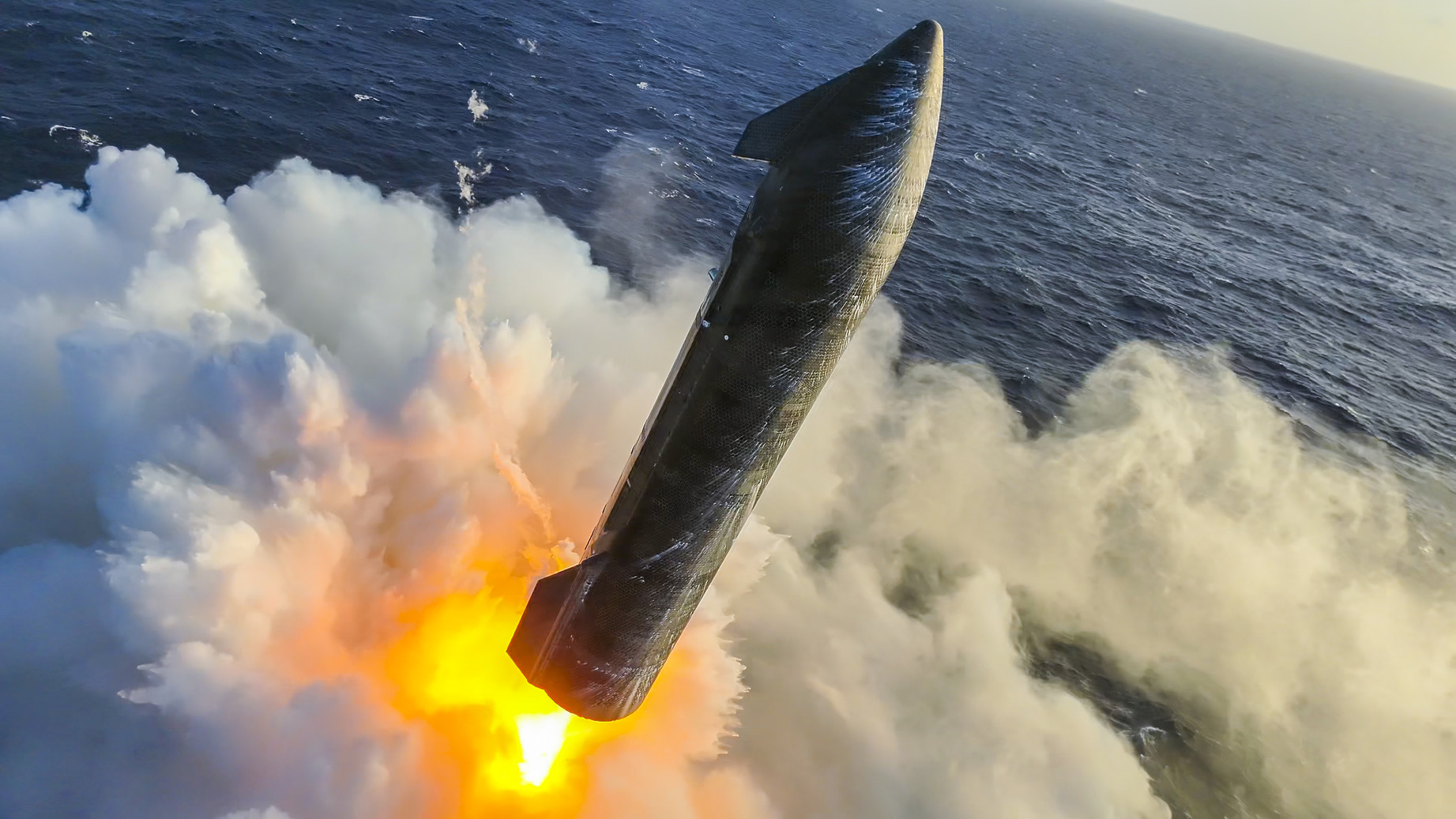
The genesis of the Starfall vehicle traces back through a series of subtle shifts in SpaceX’s payload integration strategies and rideshare deployment patterns. While Bandwagon missions are nominally marketed to institutional and commercial clients seeking mid-inclination orbits, the presence of an unannounced, proprietary saucer-shaped reentry vehicle signals internal prioritization.
During its initial flight, the Starfall capsule generated intense speculation across specialized aviation forums and financial desks. Analysts immediately drew parallels to historical lifting-body concepts and experimental military spaceplanes, such as the U.S. Space Force’s X-37B. However, unlike the massive, multi-ton X-37B operated by Boeing, Starfall appears optimized for a different operational profile—potentially pointing toward rapid, low-cost sample return, high-cadence hypersonic aerodynamic data collection, or advanced thermal protection system (TPS) stress-testing.
The execution of a second launch confirms that Starfall is not a one-off technology demonstrator, but rather an active, iterative engineering program. In aerospace development, secondary testing of a classified or unannounced vehicle typically indicates that initial flight data yielded actionable insights, prompting rapid hardware modifications and re-flight validation. This methodology mirrors the iterative design philosophy that catapulted Falcon 9 and Starship to market dominance, emphasizing empirical failure and rapid prototyping over theoretical perfection.
Verified Data & Metrics Breakdown
To contextualize the operational parameters surrounding the Starfall deployments, the following matrix synthesizes available telemetry, launch vehicle data, and market intelligence:
| Metric / Parameter | First Deployment (Historical) | Bandwagon-5 Mission (Latest) | Strategic Significance |
|---|---|---|---|
| Vehicle Designation | "Starfall" Reentry Capsule | "Starfall" Reentry Capsule (Iteration II) | Validates hardware repeatability and durability. |
| Launch Vehicle | Falcon 9 Rideshare | Falcon 9 (Bandwagon-5) | Demonstrates rideshare compatibility for secondary payloads. |
| Public Disclosure Level | Classified / Zero Press Release | Minimal Telemetry / Zero Press Release | Protects IP and preserves competitive valuation multiples. |
| Estimated Form Factor | Saucer / Lifting Body | Saucer / Lifting Body (Refined Geometry) | Optimized for hypersonic stability and controlled descent. |
Industry and Market Implications: Who Wins, Who Loses?
The quiet persistence of the Starfall program carries profound ramifications across the global defense and commercial aerospace sectors. As capital markets evaluate valuation multiples for private space enterprises, technological differentiation remains the ultimate driver of market liquidity and investor confidence.
The Winners: Agile Innovators and Defense Prime Competitors
SpaceX solidifies its position as an unrivaled infrastructural heavyweight, capable of incubating internal research and development projects within its core commercial launch schedule. By utilizing rideshare slots like Bandwagon-5, the company amortizes launch overhead while testing high-value defense or commercial applications. Furthermore, defense tech startups focusing on hypersonic flight mechanics, advanced materials, and rapid orbital return find validation in SpaceX's willingness to invest heavily in atmospheric reentry tech.
The Losers: Legacy Aerospace and Traditional Procurement Models
Legacy defense primes face mounting pressure as agile commercial actors encroach upon domains traditionally reserved for multi-billion-dollar cost-plus defense contracts. The ability of SpaceX to concept, build, fly, and re-fly an unannounced reentry vehicle at a fraction of traditional timelines exposes the sluggish procurement cycles of conventional defense acquisition. Competitors relying on bureaucratic validation loops risk obsolescence as the cadence of private aerospace R&D accelerates.
Frequently Asked Questions (People Also Ask)
What is the SpaceX "Starfall" saucer?
Starfall is an unannounced, saucer-shaped reentry capsule developed by SpaceX. While the company has maintained strict operational silence, orbital analysts and defense observers believe the vehicle is designed for advanced atmospheric reentry testing, hypersonic aerodynamics research, or specialized payload return capabilities.
Why didn’t SpaceX make a public announcement about the Bandwagon-5 launch?
SpaceX frequently limits public communications regarding experimental, proprietary, or sensitive payloads. By providing only essential launch telemetry and regulatory data, SpaceX protects its intellectual property, shields proprietary R&D from global competitors, and manages market expectations while maintaining strict regulatory compliance.
Is Starfall connected to Department of Defense or military contracts?
While SpaceX has not officially linked Starfall to any government entity, the vehicle's secretive nature and reentry capabilities naturally intersect with national security interests, including tactical space responsiveness and hypersonic research. Defense analysts continue to monitor the program for potential dual-use applications.
How does Starfall impact the broader commercial space market?
The program underscores the maturation of rapid, iterative hardware testing in orbital environments. For institutional investors and market analysts, it demonstrates SpaceX's capacity to diversify its revenue and technological footprint beyond launch services and satellite constellations into advanced orbital logistics.
Future Outlook: Milestones and Key Indicators to Watch
As the dust settles on the Bandwagon-5 mission, attention shifts immediately to the horizon. To decode the ultimate trajectory of the Starfall program, industry observers and financial analysts must monitor several critical leading indicators over the coming quarters:
- Frequency of Rideshare Integration: Watch for recurring patterns in future Bandwagon and Transporter missions. A third or fourth iteration of the Starfall saucer would confirm a systematic, highly structured flight-test campaign.
- Recovery and Maritime Operations: Tracking vessel movements, fairing recovery ships, and offshore recovery zones near known splashdown areas will provide vital clues regarding whether Starfall is designed for soft water landings or dry-land runway returns.
- Regulatory Filings and FCC/FAA Documentation: Publicly accessible spectrum requests and airspace closure notices often reveal operational footprints long before corporate PR departments acknowledge them.
- Commercialization Announcements: Should SpaceX pivot from internal testing to commercializing the Starfall platform, it could disrupt markets currently dominated by traditional cargo return providers and open new frontiers in enterprise-grade orbital manufacturing.
Ultimately, the Starfall saucer serves as a potent reminder of the opaque, high-stakes nature of modern commercial space dominance. While the public receives only silence, the underlying data points paint a vivid picture of an aerospace titan aggressively expanding its technological moat.