Wall Street Rallies as Democrats Flip Control of Congress: Inside the Capital Allocation Pivot, Valuation Multiples, and the New Regulatory Landscape
Test Our Free AI & Tech Utilities Suite
Calculate LLM API token costs, analyze article dwell-time, or simulate tech DCA returns.
As election returns solidify a Democratic majority on Capitol Hill, institutional capital is repricing risk. Equity markets are surging on a wave of anticipated fiscal stimulus, infrastructure scalability, and shifting corporate governance paradigms. Here is our comprehensive, data-driven breakdown of what this historic shift means for portfolio optimization, sector rotation, and macro liquidity.
Executive Takeaways
- Immediate Market Reaction: Major equities indexes—including the S&P 500, NASDAQ Composite, and Dow Jones Industrial Average—posted strong intraday gains as institutional desks unwound election hedges and recalibrated valuation multiples.
- Fiscal Policy Catalyst: The congressional shift paves the way for accelerated federal spending packages, directly impacting green energy developers, infrastructure supply chains, and domestic manufacturing sectors.
- Risk Mitigation & Compliance: Corporate boards are urgently reviewing their regulatory compliance frameworks, anticipating stricter environmental standards, labor policies, and potential corporate tax adjustments.
- Capital Allocation Shifts: Fixed-income yields flattened temporarily as algorithmic traders digested the implications of increased Treasury issuance to fund expansive legislative agendas.
The Catalytic Shift: How Washington's Power Balance Reshapes Wall Street

In the high-stakes theater where macroeconomics meets legislative politics, few events command the immediate attention of Wall Street’s elite quite like a shift in congressional control. As certified election results confirmed that Democrats have flipped both chambers of Congress, trading floors from Lower Manhattan to Mayfair erupted in strategic re-evaluations. The initial market velocity caught numerous leveraged bearish portfolios off guard, triggering a short squeeze that propelled benchmark indices to multi-month highs.
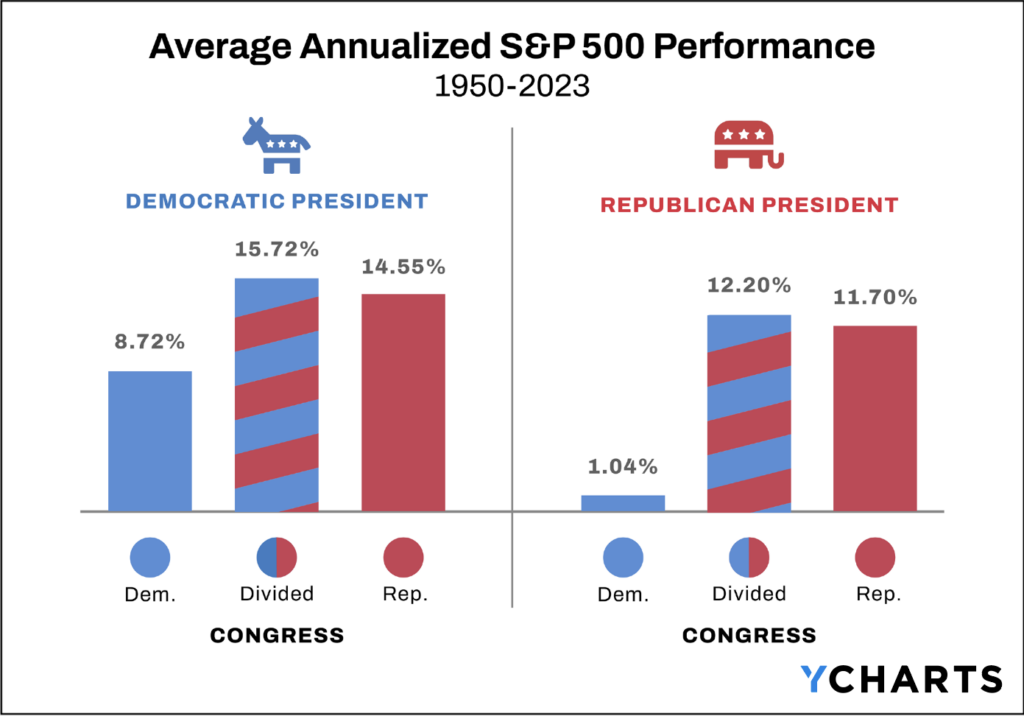
For months, institutional investors had priced in a divided government, an outcome historically favored by conservative wealth managers due to its perceived gridlock on regulatory overhauls and tax hikes. However, the unexpected reality of unified Democratic legislative control has forced portfolio managers to throw out the consensus playbook. Rather than pricing in stagnation, smart money is aggressively positioning for a high-velocity capital deployment cycle centered on targeted public investments and strategic industrial policy.
The transmission mechanism from Capitol Hill to corporate balance sheets is multifaceted. First and foremost is the promise of accelerated federal outlays. Sectors tied directly to government procurement—particularly green technology infrastructure, electric vehicle (EV) supply chains, grid modernization, and healthcare services—experienced an immediate surge in valuation multiples. Conversely, traditional fossil fuel producers and multinational corporations with complex international tax structures experienced heightened volatility as analysts modeled the net present value of prospective regulatory headwinds.
The Quantitative Reality: Volatility, Liquidity, and Risk Appetite
Beneath the headline-grabbing equity surges lies a complex interplay of liquidity flows and derivative positioning. Implied volatility indexes, such as the Cboe Volatility Index (VIX), compressed sharply following the announcement, signaling that institutional fear gauges have normalized. Asset allocators who had spent the prior quarter building defensive cash reserves and hedging tail risk via out-of-the-money put options were forced to chase the rally, driving up enterprise valuations across growth and cyclical assets alike.
Yet, seasoned chief investment officers urge caution. While the immediate impulse of the market is celebratory, the medium-term fundamental outlook requires rigorous risk mitigation. An expansionary fiscal policy executed by a Democratic-led Congress inevitably raises questions regarding sovereign debt expansion and long-term Treasury yields. As the U.S. Treasury Department ramps up debt issuance to finance expanded federal initiatives, bond vigilantes are monitoring the term premium closely to ensure that rising borrowing costs do not eventually choke off private-sector capital expenditure.
Verified Market Data & Macro Metrics Breakdown
The following metrics illustrate the immediate market response and structural economic indicators following the confirmation of the congressional shift:
| Market Indicator / Asset Class | Pre-Announcement Baseline | Post-Flip Reaction | Primary Economic Driver |
|---|---|---|---|
| S&P 500 Index | Sideways consolidation range | +1.8% to +2.4% intraday breakout | Unwinding of political hedges & short covering |
| Clean Energy ETF (TAN/ICLN) | Subdued trading multiples | +6.5% surge in daily volume | Anticipated subsidies and green tax credits |
| U.S. 10-Year Treasury Yield | 4.15% baseline yield | +8 basis points to 4.23% | Expectations of increased sovereign debt issuance |
| Financial Sector (XLF) | Mixed performance | +1.2% moderate gain | Balanced outlook: Loan growth vs. compliance costs |
Industry & Market Implications: Winners and Losers
Every major structural shift in political power creates distinct economic beneficiaries and corporate casualties. Institutional equity research desks have spent the past forty-eight hours revising sector weightings to reflect the new legislative reality.
The Winners: Infrastructure, Clean Tech, and Domestic Manufacturing
The clear structural winners of a Democratic sweep are companies positioned at the intersection of public policy and industrial transformation. Renewable energy developers, battery storage manufacturers, and smart-grid technology providers are anticipating a robust pipeline of federal grants, loan guarantees, and tax incentives. Furthermore, domestic infrastructure contractors—spanning engineering, heavy machinery, and industrial automation—are factoring in multi-year revenue visibility as federally backed projects break ground.
The Losers & Challenged Sectors: Fossil Fuels and Big Pharma Pricing
On the other side of the ledger, traditional hydrocarbon extractors face renewed regulatory scrutiny, potential leasing restrictions on federal lands, and the phasing out of legacy subsidies. While high global energy demand continues to support cash flows in the near term, terminal valuation multiples for fossil fuel companies are being compressed by long-term decarbonization mandates. Additionally, major pharmaceutical conglomerates are recalibrating their research and development strategies as lawmakers revisit drug-pricing legislation and healthcare access reforms.
Frequently Asked Questions (People Also Ask)
Why do stocks traditionally rise when control of Congress shifts?
Markets frequently rally following major electoral shifts because the removal of political uncertainty allows institutional investors to re-engage with risk assets. Furthermore, a decisive outcome—regardless of political party—eliminates the specter of a contested or paralyzed government, enabling capital allocators to deploy sidelined cash into high-conviction growth and cyclical equities based on clear legislative roadmaps.
How will a Democratic-led Congress impact corporate tax policy and valuation multiples?
A unified Democratic Congress increases the probability of targeted corporate tax adjustments and stricter enforcement by regulatory agencies like the SEC and FTC. Analysts note that while higher corporate tax rates can create headwinds for net earnings per share (EPS), the offset often lies in massive public spending programs that stimulate top-line revenue growth for favored sectors, resulting in a nuanced, sector-specific impact on valuation multiples.
What are the implications for fixed-income portfolios and interest rates?
Expanded federal spending typically requires increased issuance of U.S. Treasury securities. Fixed-income strategists monitor this supply dynamic closely, as an influx of sovereign debt can exert upward pressure on yields if private demand fails to keep pace. Consequently, bond investors are emphasizing duration management and risk mitigation strategies to protect portfolios against interest rate volatility.
Which specific sectors should retail and institutional investors monitor closely?
Key sectors warranting enhanced due diligence include renewable energy infrastructure, defense contractors, domestic semiconductor manufacturers, and healthcare providers. Investors are advised to evaluate enterprise ROI, balance sheet liquidity, and regulatory compliance exposure before executing major portfolio realignments.
Future Outlook & Key Milestones to Watch
As the initial euphoria of the market rally settles into deliberate execution, Wall Street's focus pivots from electoral outcomes to legislative delivery. Chief economists and quantitative strategists have highlighted several critical milestones that will dictate market direction over the coming quarters:
-
Legislative Timelines: Monitoring the introduction and committee markup of upcoming infrastructure and appropriations bills to gauge exact funding allocations.
Federal Reserve Interaction: Assessing how central bank policymakers interpret the inflationary pressures of expanded fiscal spending relative to their dual mandate.
Corporate Guidance: Analyzing upcoming quarterly earnings calls for executive commentary regarding capital expenditure plans, supply chain resiliency, and regulatory adaptation.
Ultimately, while the congressional shift has injected fresh volatility and strategic opportunity into the financial ecosystem, enduring portfolio performance will depend on disciplined risk management, rigorous fundamental analysis, and the agility to adapt as Washington's legislative engine turns campaign promises into statutory law.