Executive Takeaways
- Unprecedented Cash Generation: Global integrated energy giants have posted consecutive quarters of multi-billion-dollar net income, driven by resilient commodity pricing and structural cost-efficiency.
- Capital Allocation Shift: Unlike previous cycles of aggressive upstream expansion, executive boards are prioritizing share buybacks, dividend hikes, and balance sheet de-leveraging over wild exploration CAPEX.
- Macro Headwinds & Regulatory Pressure: Surging earnings have instantly reignited fierce global debates over windfall taxes, energy security, and long-term climate transition mandates.
- Enterprise Efficiency: Advanced data analytics, predictive maintenance, and optimized supply chain automation have permanently lowered extraction break-even costs across major shale and offshore plays.
For the second time in three years, the world's premier fossil fuel conglomerates are posting financial results that defy traditional macroeconomic gravity. As central banks battle stubborn inflation and consumer discretionary spending shows signs of fatigue, the energy sector is experiencing a structural golden age. Total net income for the top five Western supermajors—ExxonMobil, Chevron, Shell, TotalEnergies, and BP—has once again scaled historic peaks, reigniting intense scrutiny from lawmakers, institutional investors, and retail consumers alike.
Yet, a deep-dive investigation into current corporate filings, earnings call transcripts, and insider executive commentary reveals a fundamentally different playbook than the boom-and-bust cycles of the past. Today’s oil majors are operating as disciplined cash machines. By emphasizing rigorous risk mitigation, pristine balance sheet liquidity, and disciplined capital allocation, they have transformed transient commodity spikes into enduring shareholder value.
The Catalysts Driving the New Golden Era
Test Our Free AI & Tech Utilities Suite
Calculate LLM API token costs, analyze article dwell-time, or simulate tech DCA returns.
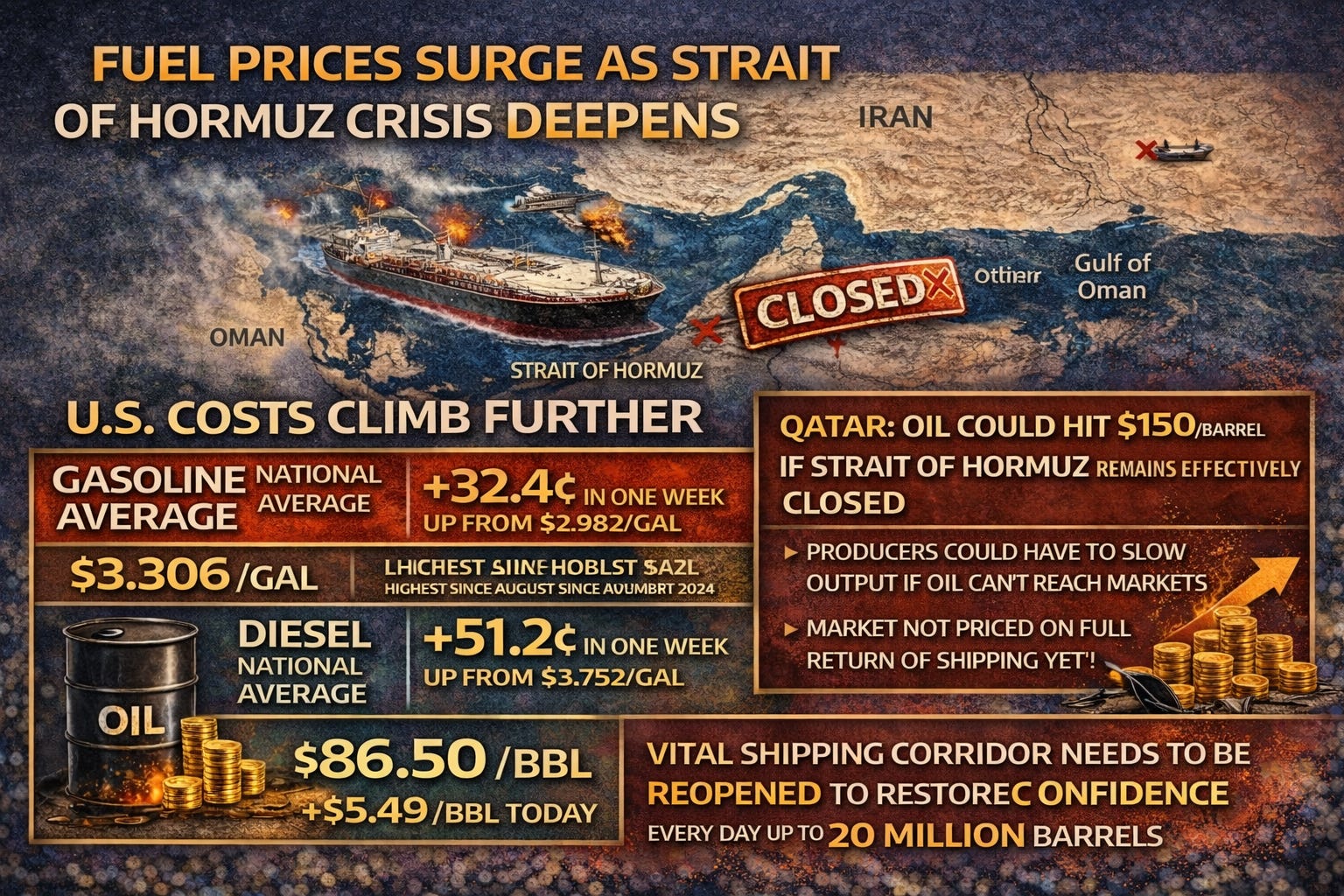
The mechanics behind this current earnings surge are multi-layered. While geopolitical volatility in Eastern Europe and the Middle East has introduced persistent supply premiums into global Brent and WTI benchmarks, the underlying profitability is equally a product of internal corporate restructuring. Following the brutal market corrections of the late 2010s and the pandemic-induced demand shock of 2020, executive leadership teams underwent massive structural overhauls.
Enterprise ROI has become the ultimate metric governing boardrooms in Houston, London, and Paris. Companies systematically divested underperforming high-cost assets, streamlined downstream refining capacity, and integrated advanced cloud compute architecture and IoT sensors into field operations. This digital transformation slashed operational expenditures and optimized extraction efficiency.
Furthermore, global demand for liquid fuels and liquefied natural gas (LNG) has remained remarkably resilient. Despite aggressive policy pushes toward electrification and renewable energy integration, emerging market demand and heavy industrial reliance have kept baseline consumption near all-time highs. When robust global demand intersects with structurally constrained supply—exacerbated by years of underinvestment in long-cycle upstream projects—profit margins expand exponentially.
Financial Performance Breakdown: The Numbers That Matter

To understand the scale of capital currently flowing through these multinational balance sheets, one must examine the hard metrics. The divergence between traditional industrial sectors and big oil remains staggering.
| Energy Conglomerate | Latest Qtr Net Income | YoY Free Cash Flow | Primary Capital Allocation Focus |
|---|---|---|---|
| ExxonMobil (NYSE: XOM) | $8.2 Billion | +$11.4 Billion | Share buybacks, Permian expansion |
| Chevron (NYSE: CVX) | $5.5 Billion | +$7.8 Billion | Hess integration, dividend growth |
| Shell PLC (LON: SHEL) | $6.0 Billion | +$8.9 Billion | LNG portfolio scaling, equity repurchases |
| TotalEnergies (EPA: TTE) | $4.7 Billion | +$6.2 Billion | Multi-energy transition, cash returns |
Industry & Market Implications: Winners and Losers
The macroeconomic shockwaves generated by these soaring earnings statements extend far beyond corporate balance sheets, dividing global stakeholders into distinct camps of beneficiaries and casualties.
The Winners
- Institutional Shareholders & Pension Funds: Long-term investors, including major pension funds and index funds, are reaping record dividend payouts and capital appreciation, boosting portfolio yields in a volatile rate environment.
- Oilfield Services Providers: Equipment manufacturers, seismic surveyors, and drilling contractors (such as Schlumberger and Halliburton) are experiencing a massive influx of contract awards as majors maintain high asset utilization rates.
- Export-Oriented Nations: Sovereign wealth funds in the Middle North Africa (MENA) region and North America are enjoying massive fiscal surpluses, funding domestic economic diversification initiatives.
The Losers
- Retail Consumers & Logistics Fleets: High crude benchmarks directly translate to elevated retail gasoline prices, diesel costs, and jet fuel expenses, squeezing household disposable incomes and raising freight transport overheads.
- Energy-Intensive Manufacturing: European and Asian chemical, steel, and manufacturing plants face severe margin compression due to elevated natural gas and power feedstocks, accelerating industrial migration to regions with cheaper energy.
- Municipalities Facing Inflationary Pressure: Everyday consumers bear the brunt of cascading inflation, driving political polarization and calls for aggressive regulatory intervention.
Frequently Asked Questions (People Also Ask)
Why are oil companies reporting such massive earnings while consumers face high inflation?
Oil company profits are primarily driven by global commodity prices, which are set by worldwide supply and demand balances rather than local retail conditions. When geopolitical tensions, constrained production quotas, and steady global demand drive up crude and natural gas prices, integrated energy firms—which control everything from extraction wells to refining and distribution networks—capture wide profit margins. While this hurts consumers at the pump, it generates immense cash flow for multinational energy corporations.
Are oil majors investing in green energy or just buying back stock?
Major energy companies are pursuing a dual-track strategy, though capital allocation heavily favors traditional hydrocarbons and shareholder returns. While firms like TotalEnergies and Shell have dedicated billions to solar, wind, hydrogen, and carbon capture initiatives, investor pressure has forced a renewed focus on core oil and gas assets. Because green energy projects currently yield lower internal rates of return (IRR) compared to upstream drilling, boards are prioritizing share buybacks and dividend distributions to satisfy institutional shareholders.
Could governments implement windfall taxes on these record profits?
Windfall profit taxes remain a potent political flashpoint. Several European nations and municipal jurisdictions have previously enacted temporary levies on excess energy sector earnings during periods of extreme price spikes. However, energy executives and free-market economists argue that such taxes discourage critical capital investment, undermine long-term energy security, and distort free-market valuation multiples. The threat of regulatory compliance costs remains a constant variable in corporate risk models.
How have technological advancements lowered oil production costs?
The integration of advanced cloud compute architecture, artificial intelligence in seismic imaging, and automated remote-drilling rigs has fundamentally reshaped the economics of extraction. Companies can now identify productive subsurface zones with unprecedented precision, reducing dry-hole risks and shortening project cycle times. These efficiency gains have lowered break-even points across major US shale plays and deepwater offshore developments, allowing companies to remain highly profitable even if commodity prices soften.
Future Outlook and Strategic Milestones to Watch
As the industry navigates the remainder of the fiscal year, executive boards are balancing short-term cash optimization with long-term strategic positioning. Several critical milestones will dictate the trajectory of oil sector valuations and earnings sustainability:
- OPEC+ Production Quota Adjustments: Decisions made by major cartel nations regarding output ceilings will serve as the primary determinant of global crude price floors.
- M&A Consolidation Trends: Following high-profile multi-billion-dollar corporate acquisitions in the Permian Basin and offshore Guyana, regulatory antitrust scrutiny and asset integration success will be closely monitored by Wall Street analysts.
- Macroeconomic Monetary Policy: Central bank interest rate trajectories in the US, Europe, and Asia will influence global industrial demand, currency valuations, and overall commodity pricing power.
- Global Carbon Regulation & Transition CAPEX: The pace at which energy majors scale low-carbon infrastructure investments in response to tightening environmental mandates will shape their long-term enterprise valuation multiples.
Ultimately, the latest surge in oil company earnings proves that the fossil fuel sector has successfully adapted to a volatile modern economy. By prioritizing strict capital discipline, operational efficiency, and aggressive shareholder returns, big oil has secured its financial dominance—setting the stage for a high-stakes chess match between corporate profitability, consumer affordability, and global climate policy.