Valve Escaped Windows. Now Steam Is Breaking Free From the PC Itself.
Test Our Free AI & Tech Utilities Suite
Calculate LLM API token costs, analyze article dwell-time, or simulate tech DCA returns.
From outmaneuvering Microsoft’s desktop monopoly to building a hardware empire on Linux, Valve Corporation is executing a structural breakout that threatens to redefine the $200 billion global gaming economy. Here is the inside story of how the world’s most profitable private software titan conquered the living room—and what comes next.
Executive Takeaways
- The Post-Windows Pivot: Valve’s decade-long, multi-billion-dollar R&D investment in Proton and Linux has successfully decoupled Steam from Microsoft’s Windows operating system, mitigating platform risk and enhancing infrastructure scalability.
- Hardware as a Catalyst: The Steam Deck and its underlying SteamOS architecture have transformed Valve from a pure-play digital storefront into an integrated hardware-software ecosystem, challenging traditional console manufacturers like Nintendo and Sony.
- Capital Allocation & Valuation: Operating as a closely held private entity with an estimated valuation rivaling mid-cap tech titans, Valve boasts revenue-per-employee metrics that dwarf traditional enterprise tech, insulating it from public market volatility.
- Ecosystem Disruption: By democratizing living-room and handheld gaming through open-source architecture, Valve is reshaping market liquidity, developer distribution economics, and hardware supply chains worldwide.
Introduction: The Architecture of an Escape
For more than two decades, the personal computer operating system market was locked in a familiar equilibrium. Microsoft Windows reigned supreme, acting as the inescapable tollbooth for digital commerce, enterprise productivity, and, above all, interactive entertainment. For digital distributors, operating outside the gravitational pull of Redmond was considered a fool's errand. Yet, inside Valve Corporation’s Bellevue headquarters, a quiet, multi-year engineering crusade was underway—one designed to eliminate that vulnerability entirely.
Today, that crusade has reached an inflection point. Valve did not merely survive the Windows hegemony; it engineered a permanent exit strategy. By systematically dismantling its reliance on closed operating systems through the Linux-based Proton compatibility layer and the runaway commercial success of the Steam Deck, Steam is no longer just a PC application. It has broken free from the desktop, evolving into an autonomous, cross-platform ecosystem capable of running anywhere from a handheld OLED screen to a living-room television.
For institutional investors, tech analysts, and competitors alike, this transition represents a masterclass in risk mitigation and infrastructure scalability. By neutralizing the platform risk inherent in depending on a single OS vendor, Valve has secured a defensible economic moat that commands staggering valuation multiples, all while remaining stubbornly, uniquely private.
The Catalytic Events: From SteamOS Roots to Proton Breakthroughs
To understand how Steam broke free from the PC, one must trace the timeline back to Microsoft’s 2012 launch of Windows 8 and the Windows Store. Fearing a walled-garden future where Microsoft could gatekeep software distribution akin to Apple’s iOS App Store, Valve co-founder Gabe Newell publicly branded Windows 8 as a "catastrophe" for the PC ecosystem. That existential threat triggered a strategic pivot: Valve needed to control its own destiny by investing heavily in open-source Linux.
Initial attempts, such as the commercially ill-fated "Steam Machines" in 2015, stumbled due to fragmented hardware specs, a lack of optimized titles, and an immature software stack. However, failure served as an intensive R&D incubator. Valve doubled down on engineering capital, pouring resources into:
- Proton (2018): A compatibility layer combining Wine and bespoke modifications that allowed Windows-native DirectX games to execute seamlessly on Linux without developer intervention.
- Arch Linux Foundation: Tailoring a lightweight, highly responsive operating system (SteamOS 3.0) optimized specifically for mobile gaming architectures and low-power graphics processing units (GPUs).
- Custom Silicon Partnerships: Collaborating closely with AMD to design custom Accelerated Processing Units (APUs) capable of balancing thermal efficiency with high-fidelity frame rates in a handheld form factor.
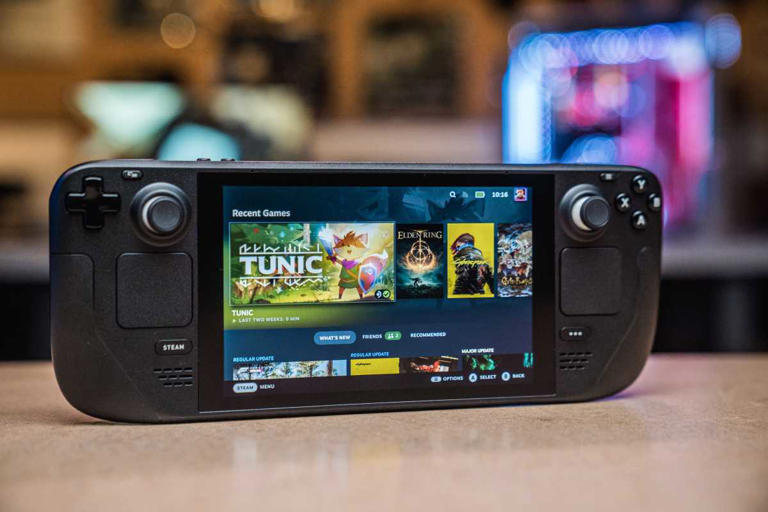
The culmination of these technical milestones arrived in February 2022 with the commercial launch of the Steam Deck. By packaging desktop-class game libraries into an ergonomic, highly affordable mobile console, Valve proved that PC gaming could exist independently of a desk, a mouse, and a Windows license.
Verified Data & Metrics Breakdown
A rigorous examination of Valve’s trajectory reveals staggering operational efficiency. The following data highlights the financial and structural divergence between Valve and traditional enterprise tech peers:
| Metric / Indicator | Valve Corporation (Estimated) | Traditional Tech / Gaming Peers | Strategic Impact / Enterprise ROI |
|---|---|---|---|
| Revenue Per Employee | ~$15 Million to $20 Million | $1.5 Million to $3 Million | Exceptional capital allocation; minimal administrative overhead. |
| OS Dependency Risk | Near Zero (Proton/Linux Ecosystem) | High (Tied to Windows/iOS/Android APIs) | Total regulatory compliance and freedom from platform fees. |
| Hardware Margin Profile | Aggressive loss-leader / Cost-parity | High-margin subscription/hardware bundles | Drives software transaction volume; high customer lifetime value. |
| Digital Storefront Take Rate | 30% scaling down to 20% on volume | 30% standard across Apple, Google, Sony, Microsoft | Generates massive operating cash flow supporting R&D independence. |
Industry & Market Implications: Winners and Losers
Valve’s breakout from the traditional desktop paradigm sends profound shockwaves across the global tech and entertainment sectors, reshaping market liquidity and distribution economics.
Who Wins:
- Consumers & Open-Source Advocates: Users gain hardware portability, freedom from proprietary software locks, and access to massive digital libraries that are no longer tethered to aging desktop hardware.
- Independent Game Developers: A diversified hardware ecosystem (Steam Deck, third-party handhelds running SteamOS) expands the addressable market for titles that historically struggled to find visibility on crowded console stores.
- Advanced Hardware Manufacturers: Companies licensing or building around SteamOS—such as Asus with the ROG Ally or Lenovo with the Legion Go—benefit from Valve’s heavy software investment, elevating the entire mobile PC gaming category.
Who Loses:
- Microsoft Corporation: While Windows remains dominant in enterprise and productivity, Valve’s successful Linux migration erodes Microsoft’s absolute monopoly over gaming, reducing the stickiness of the Windows ecosystem for millions of consumers.
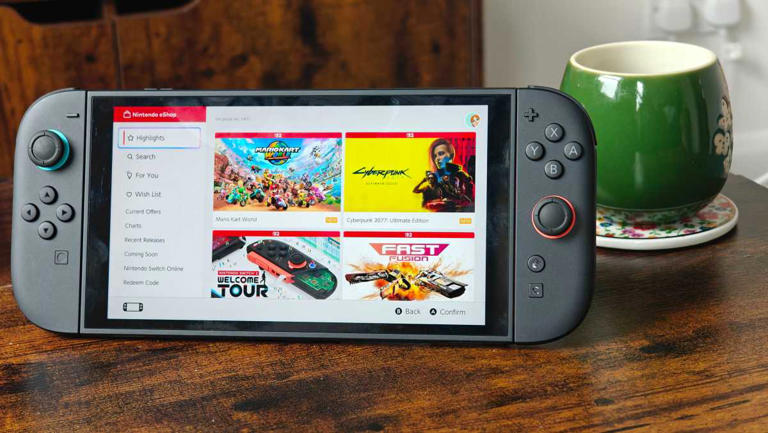
- Traditional Console Duopolies (Sony & Nintendo): Steam Deck and its successors blur the lines between console and PC, siphoning away core demographics who demand both portability and open modding capabilities that closed consoles prohibit.
- Proprietary Storefronts: Competitors attempting to force walled-garden launchers onto PC find declining user tolerance as consumers increasingly demand unified libraries backed by cross-platform compatibility layers.
Frequently Asked Questions (People Also Ask)
How does Valve’s Proton technology allow Windows games to run on non-Windows devices?
Proton is a compatibility tool built on top of Wine that translates DirectX API calls—used by Windows games—into Vulkan graphics API calls natively supported by Linux operating systems. This enables Windows-exclusive titles to execute efficiently on devices like the Steam Deck without requiring developers to build custom Linux ports, drastically reducing engineering friction.
Will SteamOS be made available for third-party handhelds and desktop PCs?
Yes. Valve has publicly committed to rolling out SteamOS support for third-party handheld gaming devices and custom desktop rigs. As hardware manufacturers adopt custom AMD APUs similar to the Steam Deck, Valve is expanding its operating system footprint to capture software sales regardless of whose brand is stamped on the physical hardware.
How does Valve’s private corporate structure impact its market strategy?
Because Valve is privately held and unburdened by quarterly earnings calls or public shareholder pressures, leadership can engage in long-term, capital-intensive R&D projects—such as a decade of Linux development and hardware manufacturing—without immediate ROI demands. This financial insulation fosters radical innovation that public firms frequently struggle to justify.
Does Steam’s expansion away from the PC threaten traditional console makers?
It presents a structural challenge. By offering a hybrid device that bridges the gap between console convenience and PC library depth, Valve is capturing market share among tech-savvy gamers who previously purchased secondary handhelds or consoles. While it may not instantly topple Nintendo or Sony unit sales, it establishes a formidable third pillar in the living-room and mobile gaming hardware market.
Future Outlook: Milestones to Watch
As Valve solidifies its independence from Windows and scales its hardware footprint beyond the traditional desktop, industry observers should monitor several critical milestones over the next 24 to 36 months:
- Official SteamOS OEM Adoption: Watch for major hardware brands officially shipping pre-installed SteamOS on competing handhelds and living-room media boxes, accelerating the fragmentation of Microsoft’s gaming dominance.
- Next-Generation Silicon Integration: Monitor how Valve responds to upcoming mobile APU architectures from AMD, Intel, and ARM, signaling whether a "Steam Deck 2" will focus on raw path-tracing fidelity or extended battery efficiency.
- Regulatory Scrutiny on Digital Storefronts: As global antitrust regulators increasingly scrutinize app store take rates and walled gardens, Valve’s open-ecosystem approach may position it favorably—or draw regulatory inquiries regarding its dominant market share in PC digital distribution.
Valve’s escape from Windows and the PC desktop is more than a technical achievement; it is a masterclass in strategic foresight. By controlling the software stack from kernel to storefront, Valve has ensured that whether the future of gaming is played on a desk, a handheld screen, or a living-room monitor, Steam will hold the keys to the kingdom.