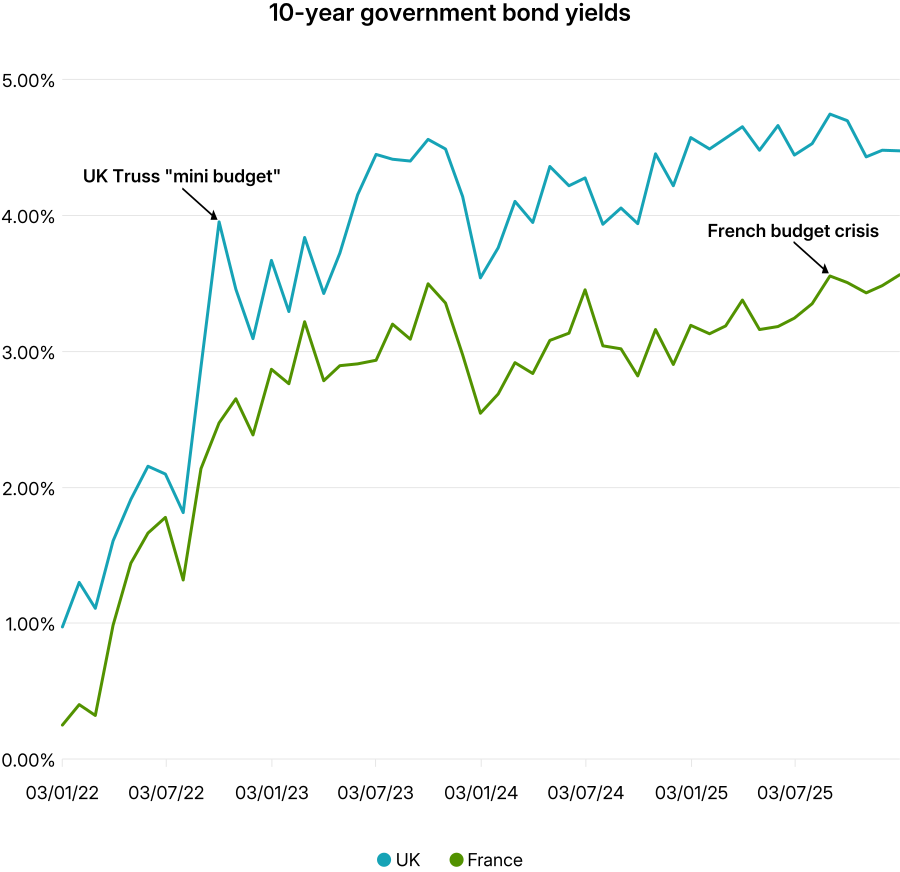
Executive Takeaways
- The Core Threat: Exploding sovereign debt loads are forcing monetary authorities to prioritize government solvency over strict price stability, effectively signaling the return of fiscal dominance.
- December Central Bank Pivot: A flurry of divergent year-end policy decisions from the Federal Reserve, ECB, and Bank of Japan highlighted a growing systemic paralysis amidst deteriorating fiscal backdrops.
- Capital Allocation Paradigm Shift: Institutional investors must radically adjust risk mitigation strategies, valuation multiples, and asset allocation as structural inflation and sovereign risk reprice global markets.
- Regulatory Compliance & Infrastructure: Financial institutions face mounting regulatory compliance pressures as stress-testing models fail to adequately capture sovereign-bank doom loops.
The closing weeks of December delivered a dizzying barrage of policy decisions from global central banks, underscoring an increasingly fragile macroeconomic landscape. Yet beneath the surface of shifting interest rate targets and forward-guidance communiqués lies a far more profound, structural menace: fiscal dominance. As sovereign debt burdens across advanced economies scale historic peaks, institutional credibility is being severely tested. For decades, the post-Volcker consensus assumed central bank independence as an immutable axiom of modern capitalism. Today, that assumption is fracturing.
When fiscal policy dictates monetary outcomes—forcing central banks to monetize debt, suppress yields, or delay quantitative tightening to prevent government insolvency—the traditional rules of asset pricing, capital allocation, and risk mitigation break down. For institutional allocators, corporate treasurers, and risk managers, understanding this paradigm shift is no longer optional; it is a critical mandate for survival in an era of heightened market volatility.
The Anatomy of Fiscal Dominance: How Debt Dictates Monetary Policy
To comprehend the current malaise gripping global monetary authorities, one must examine the mechanics of fiscal dominance. In an environment of traditional monetary dominance, central banks operate unencumbered by the fiscal needs of the state. They raise or lower interest rates solely to manage inflation and maximize employment, leaving fiscal authorities to adjust spending and taxation accordingly.
However, when sovereign debt-to-GDP ratios breach critical thresholds—compounded by soaring debt-servicing costs resulting from higher terminal interest rates—the fiscal deficit begins to call the shots. Governments running structural deficits exceeding 5% to 7% of GDP require continuous, uninterrupted market absorption of massive bond issuance. If bond vigilantes demand higher term premia, sovereign borrowing costs skyrocket, immediately threatening national fiscal stability.
Faced with the prospect of sovereign default or systemic banking sector distress, central banks frequently blink. They pivot from inflation-fighting hawks to reluctant enablers of government borrowing. This dynamic was vividly illustrated during the frantic cycle of December central bank meetings, where policymakers from Washington to Frankfurt attempted to thread an impossible needle: signaling a transition toward monetary easing while managing record-shattering debt rollovers.
The December Watershed: A Snapshot of Global Policy Paralysis
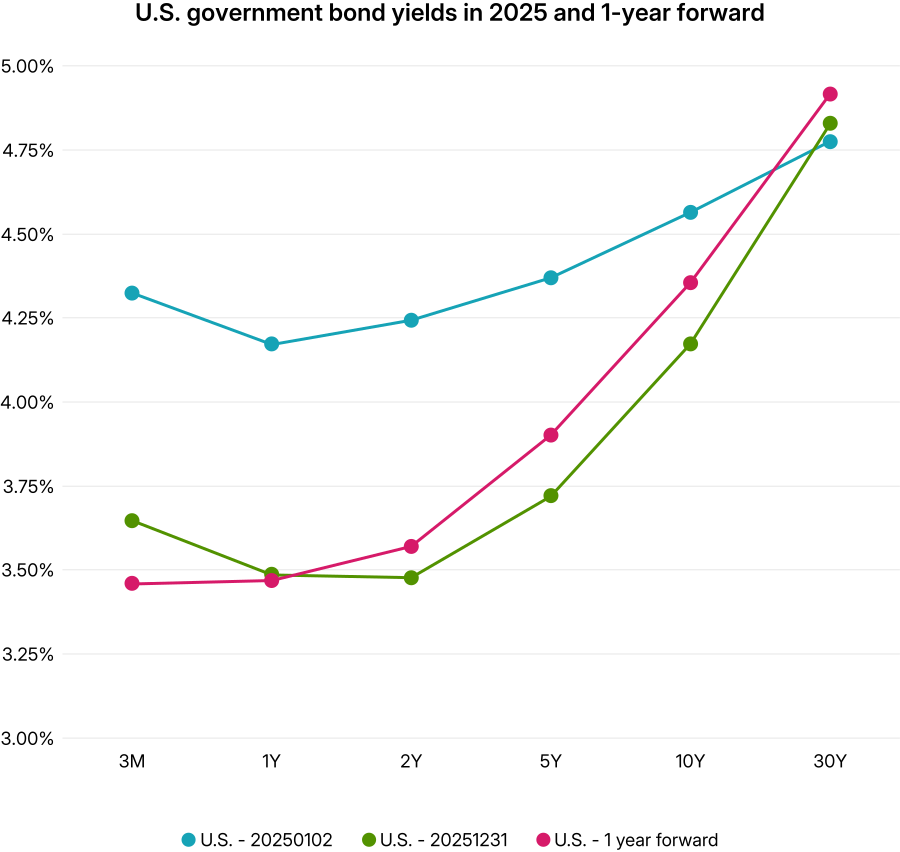
December was universally acknowledged as a watershed month for global rates performance. As liquidity thinned ahead of the year-end holidays, central banks delivered policy signals that laid bare the tension between macroeconomic mandates and fiscal realities.
- The Federal Reserve: Pressured by persistent domestic spending and stubborn fiscal deficits, the U.S. central bank attempted a delicate balancing act, acknowledging cooling inflation metrics while remaining acutely aware of the Treasury's massive upcoming refunding operations.
- The European Central Bank (ECB): Grappling with anemic economic growth across the eurozone and divergent fiscal discipline among member states (notably France and Italy), the ECB faced acute pressure to ease monetary conditions to prevent peripheral bond spreads from widening uncontrollably.
- The Bank of Japan (BOJ): Long trapped in the ultimate crucible of fiscal dominance due to its massive holdings of Japanese Government Bonds (JGBs), the BOJ’s incremental steps toward policy normalization continued to collide with the sobering reality of servicing debt at positive interest rates.
These actions demonstrated that central banks are no longer operating in a vacuum. Every basis point movement in policy rates carries profound fiscal implications, creating an implicit constraint on how high—and how long—rates can remain restrictive.
Verified Data and Metrics Breakdown
A rigorous examination of sovereign balance sheets and market indicators reveals the quantitative pressures driving fiscal dominance across major G7 economies.
| Country / Region | Sovereign Debt-to-GDP (%) | Average Fiscal Deficit (% of GDP) | Primary Monetary Policy Dilemma |
|---|---|---|---|
| United States | ~123% | -6.5% | Absorbing relentless Treasury issuance without triggering term-premia spikes. |
| Eurozone | ~88% (Aggregate) | -3.2% | Managing divergent peripheral spreads while maintaining a unified stance. |
| Japan | ~260% | -5.0% | Exiting yield curve control without destabilizing the domestic banking sector. |
| United Kingdom | ~101% | -4.5% | Balancing post-mini-budget fiscal credibility with sticky domestic service inflation. |
Industry and Market Implications: Who Wins and Who Loses
The creeping normalization of fiscal dominance creates clear bifurcation across global financial markets. Institutional investors must recalibrate their portfolios to navigate the resulting winners and losers.
The Losers: Fixed Income Investors and Traditional Savers
Long-term sovereign debt holders face a structural headwind. In a fiscal dominance regime, inflation is often allowed to run slightly above target to erode the real value of nominal debt. Consequently, holding long-duration nominal bonds becomes hazardous, as investors demand higher yields to compensate for inflation risk and expanding sovereign supply. Cash and fixed-income portfolios lacking inflation-linked hedges face severe erosion of purchasing power.
The Winners: Hard Assets, Infrastructure, and Agile Equities
Corporates and investors pivoting toward tangible assets stand to benefit. Real estate, commodities, and high-margin enterprises with robust pricing power can successfully pass input cost increases onto consumers. Furthermore, sectors essential to infrastructure scalability and cloud compute architecture—such as digital infrastructure, artificial intelligence hardware, and energy grids—maintain strong enterprise ROI profiles, insulating them from macro-fiscal shocks.
The Corporate Strategic Imperative
For executive leadership teams, capital allocation requires hyper-vigilance. Corporate treasurers must optimize debt maturity profiles, locking in fixed rates before term premia widen further. Simultaneously, stringent adherence to regulatory compliance is critical as central banks and financial regulators introduce stricter liquidity and capital adequacy stress tests to preempt sovereign-bank contagion.
Frequently Asked Questions (People Also Ask)
What is fiscal dominance, and how does it differ from monetary dominance?
Fiscal dominance occurs when a government's high debt levels and persistent deficits force the central bank to subordinate its inflation-fighting mandates to ensure government solvency and debt rollover. Under monetary dominance, the central bank operates independently, setting interest rates solely to achieve price stability without regard for government borrowing costs.
Why did December central bank policy decisions trigger market anxiety?
December policy meetings highlighted the growing friction between slowing inflation prints and mounting sovereign debt issuance. As global central banks hinted at policy pivots or easing cycles, fixed-income markets realized that structural deficits would keep baseline borrowing costs elevated, challenging traditional valuation multiples across global equities.
How does fiscal dominance impact institutional investment portfolios?
Fiscal dominance typically introduces higher structural inflation, increased bond market volatility, and elevated term premia. Institutional allocators must adapt by reducing exposure to long-duration nominal bonds, increasing allocations to inflation-hedged hard assets, and prioritizing companies with exceptional pricing power and resilient balance sheets.
What role do sovereign bond yields play in this dynamic?
Sovereign yields act as the ultimate barometer of fiscal health. When debt issuance outstrips natural market demand, yields rise, immediately increasing government interest expenditures. If central banks intervene by purchasing bonds to suppress yields, they risk unanchoring inflation expectations, accelerating the fiscal dominance spiral.
Future Outlook and Strategic Milestones to Watch
As global markets progress through the economic cycle, fiscal dominance will remain the defining subterranean current shaping monetary policy. Investors and corporate executives must monitor several key structural milestones over the coming quarters:
- Treasury Refunding Announcements: Quarterly debt issuance sizes from the U.S. Treasury and European debt management offices will serve as primary stress tests for market liquidity and absorption capacity.
- Central Bank Balance Sheet Trajectories: The pace of quantitative tightening (QT) versus the stealth resumption of repo facilities or targeted liquidity injections will reveal the true extent of central bank operational flexibility.
- Term Premia and Yield Curve Dynamics: Sustained steepening of long-end yield curves will signal that bond vigilantes are actively pricing in sovereign risk, leaving central banks with narrowing policy corridors.
- Regulatory Capital Overhauls: Shifts in Basel III implementation and domestic banking regulations regarding sovereign debt risk-weightings will directly impact institutional demand for government paper.
Ultimately, navigating an era of fiscal dominance requires an uncompromising commitment to rigorous risk mitigation, astute capital allocation, and continuous macroeconomic surveillance. Those who fail to recognize the shifting balance of power between fiscal treasuries and independent central banks do so at their own peril.